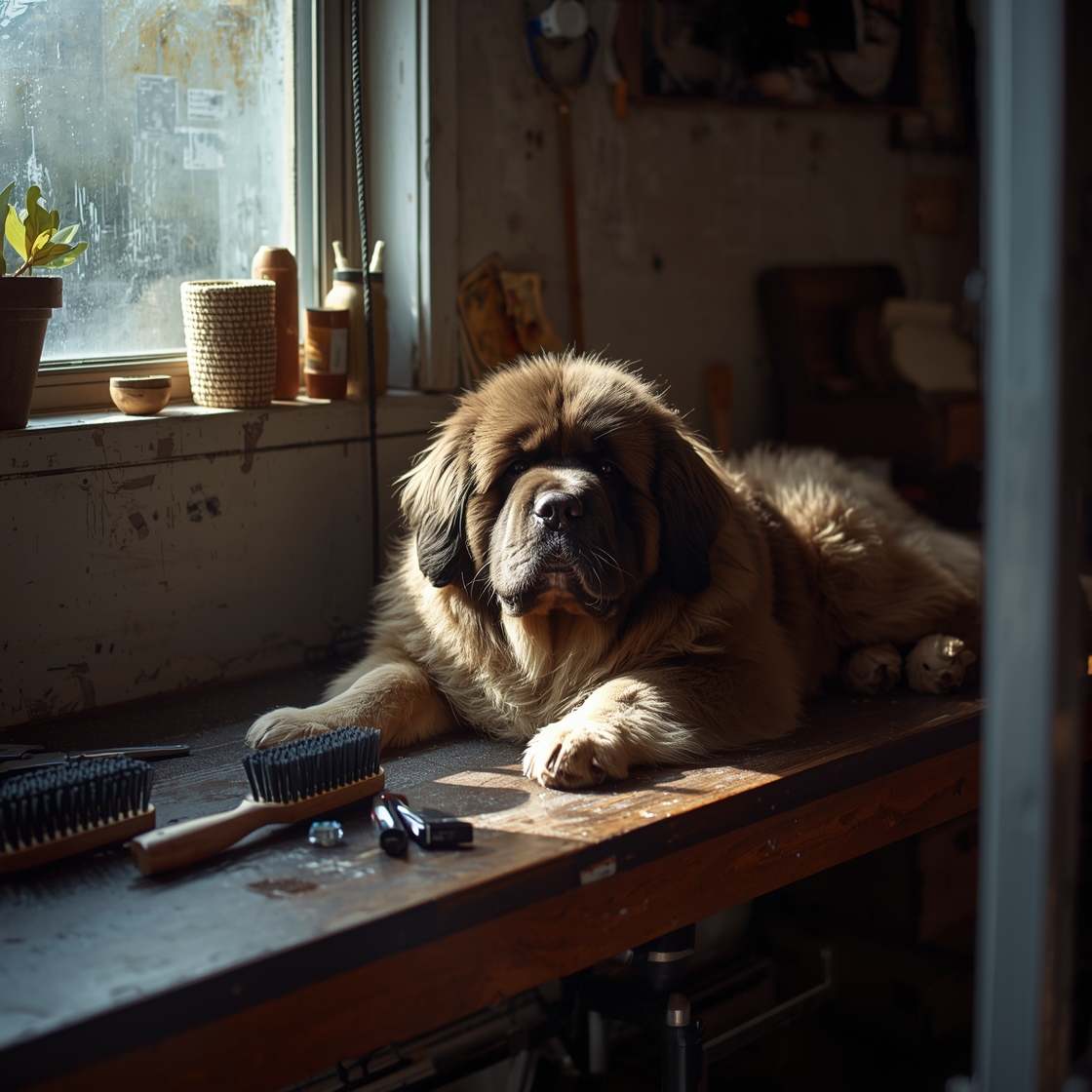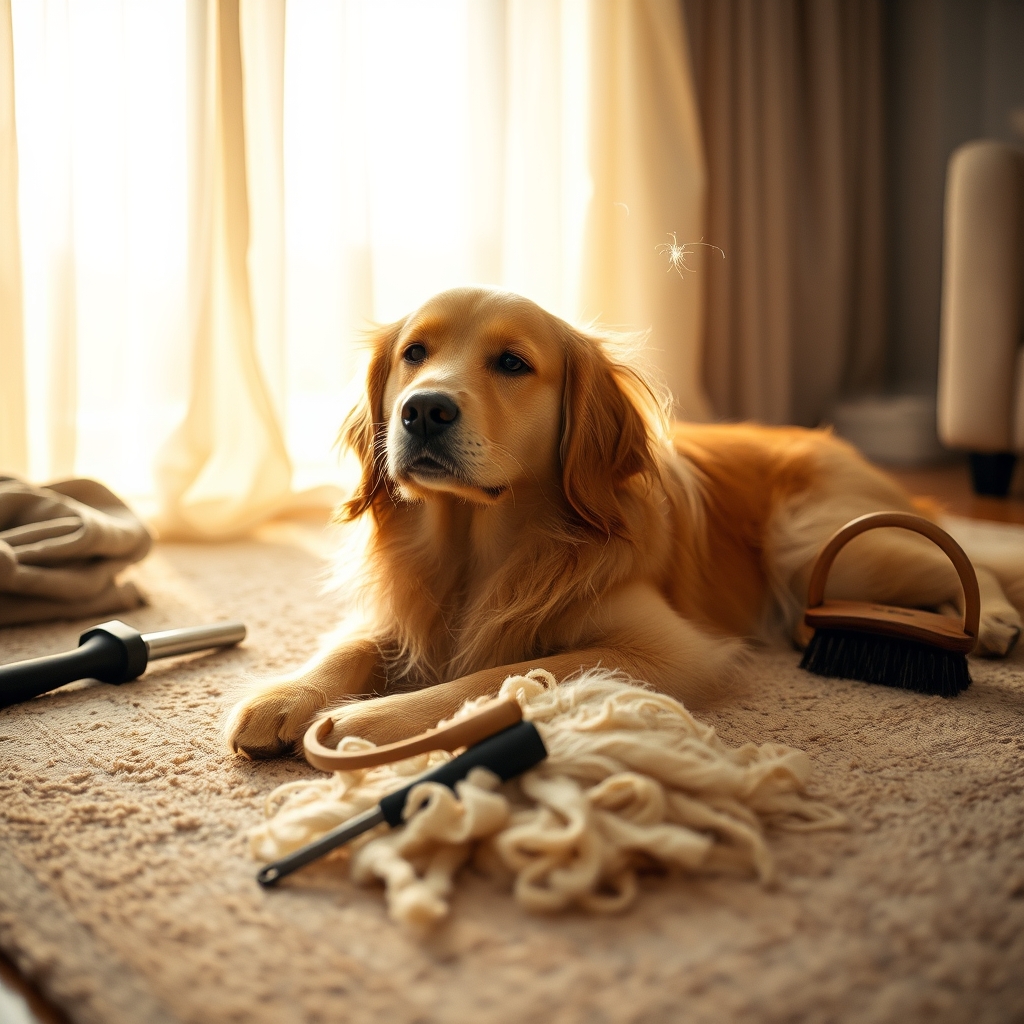
How to deshed a double coated dog at home means rake line-brushing during blow season—never shave the guard coat that regulates temperature.
Deshedding a double‑coated Husky or Golden Retriever at home is doable with a consistent weekly routine that combines the right brush, occasional de‑shedding shampoo, and a diet rich in omega‑3 fatty acids to keep the undercoat healthy and loose hair under control.
Understanding the Double Coat: Why Deshedding is Crucial
A double coat consists of two distinct layers. The outer “guard” coat is made of longer, coarser hairs that repel water and protect the skin, while the soft, dense undercoat provides insulation against temperature extremes. According to bestpetfacts.com, the guard coat sits atop the undercoat like a roof over a carpet, allowing the animal to shed excess insulation without exposing the skin.
Double‑coated breeds such as Huskies and Golden Retrievers shed heavily because their undercoat grows continuously and is programmed to “blow out” twice a year—once in spring and again in fall. During these periods the undercoat releases a massive volume of hair to adjust to seasonal temperature changes. Puppysimply.com notes that the undercoat cycle can produce year‑round shedding, but the two intense blowouts account for the majority of visible hair loss.
If a double‑coated dog is not deshed regularly, several problems can arise. Loose undercoat can become tangled, forming mats that pull at the skin and cause discomfort. Over time, mats can trap moisture, leading to skin infections or hot spots. Additionally, excessive loose hair in the home contributes to increased allergen load for sensitive occupants and can clog HVAC filters, raising indoor air‑quality concerns. Dogwisdomhub.com emphasizes that neglecting deshedding not only diminishes a dog’s comfort but also shortens the lifespan of the coat, making it more prone to breakage and dullness.
Regular deshedding mitigates these risks. Using an undercoat rake or a de‑shedding brush can remove up to 90 % of loose hair before it reaches furniture, according to puppysimply.com. Moreover, a brief weekly grooming session stimulates circulation, distributes natural skin oils, and supports healthier hair growth.
“A consistent brushing schedule is the single most effective tool owners have to keep a double coat functional and comfortable,” says the editorial team.
In short, understanding the anatomy of the double coat clarifies why shedding is inevitable, but also why proactive deshedding is essential for the dog’s skin health, the household’s cleanliness, and the overall longevity of the beautiful coat.
Essential Deshedding Tools for Double-Coated Dogs
A well‑stocked grooming kit is the backbone of any successful at‑home deshedding routine. The right tools not only pull loose undercoat hairs away from the guard coat, they also keep skin healthy and prevent matting—especially important for breeds like Huskies and Golden Retrievers.
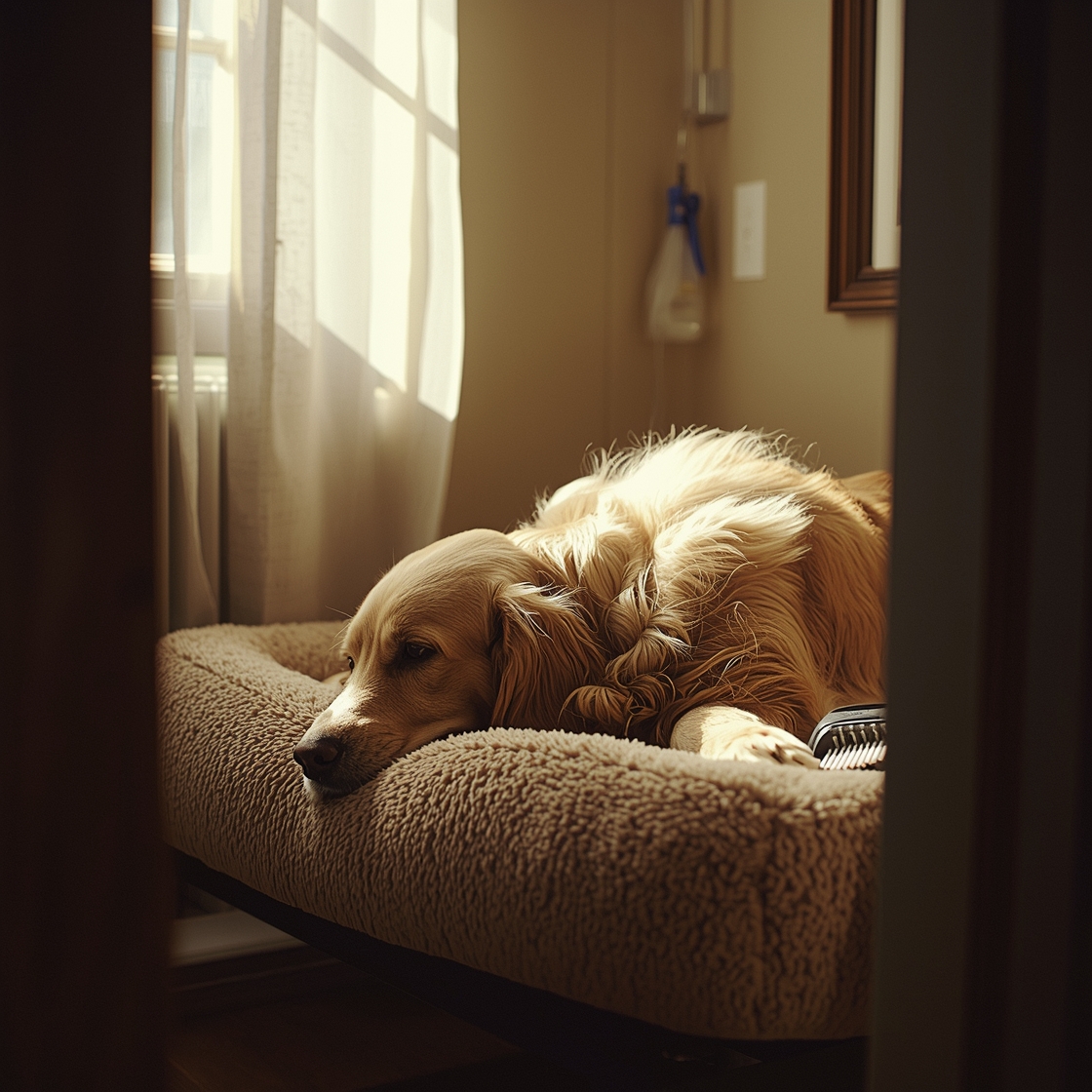
Deshedding brushes and rakes The most effective brush for a double coat combines fine, stainless‑steel teeth with a broader backing that can glide over the outer layer while reaching the dense undercoat. A classic de‑shedding brush works like a tiny comb, catching loose hairs without tearing the guard coat. For especially thick undercoats, an undercoat rake with longer, widely spaced teeth can break up clumps before the brush finishes the job. According to puppysimply.com, using a proper undercoat rake together with a de‑shedding brush can slash visible shedding by up to 90% when applied consistently.
Grooming gloves Gloves fitted with short rubber nubs act as a gentle “massage” that lifts hair while you pet your dog. They are especially handy for dogs that dislike traditional brushes, allowing you to work on the back, sides, and belly in short, pleasant strokes. Many owners find gloves reduce the time spent on a full‑body brush session by half, according to tips from dogwisdomhub.com.
Deshedding shampoos and conditioners A shampoo formulated with oat protein or aloe can soften the undercoat, making it easier for brushes to slide through. Follow with a conditioner that contains a light slip agent—such as a silicone‑based formula—to further reduce static cling. waghound.com notes that regular baths with a dedicated de‑shedding shampoo can lower the amount of loose hair that ends up on furniture by roughly 30% over a month.
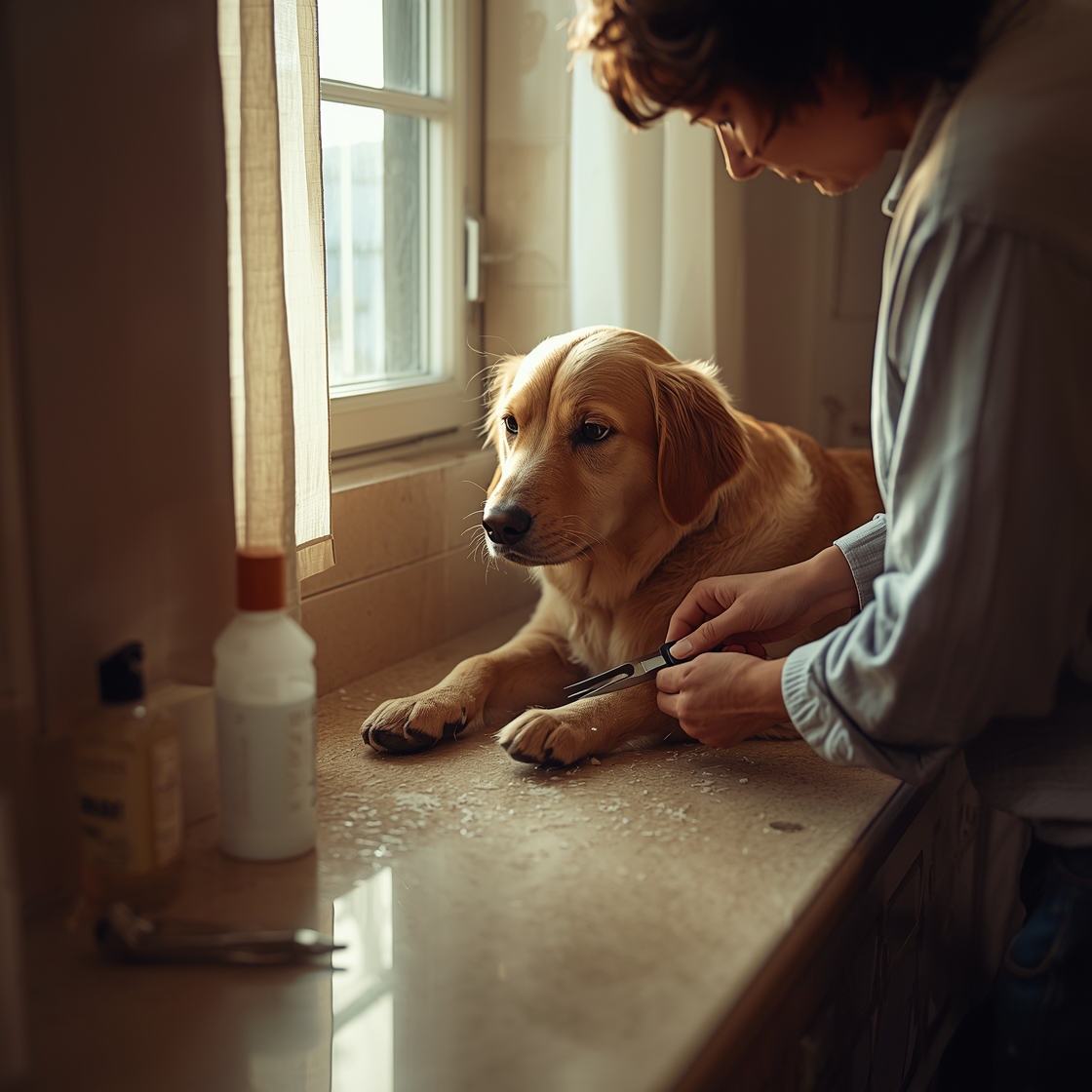
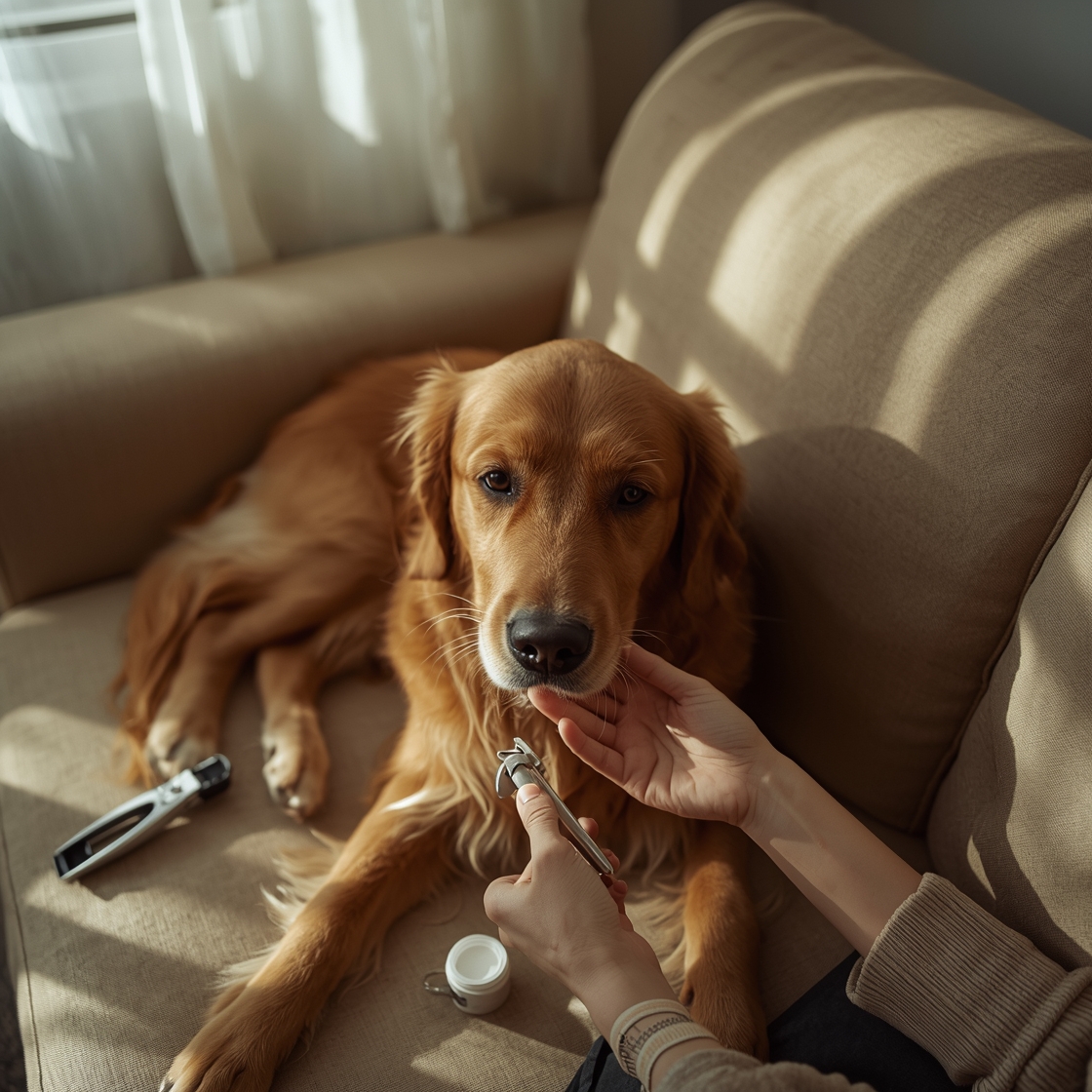
Nail clippers and grinders While not directly related to hair removal, keeping nails trimmed prevents accidental skin tears during brushing. A low‑vibration grinder smooths the nail tip and reduces the risk of splintering, which can be painful for active double‑coated dogs. petcarelab.co recommends a weekly nail check as part of a complete grooming schedule.
“A balanced grooming kit lets you tackle shedding without hurting the coat,” says the editorial team.
By assembling these four categories—brushes/rakes, gloves, coat‑care shampoos, and nail tools—you’ll have a versatile arsenal that respects the delicate layers of a double coat while keeping your home cleaner. Consistent use, especially during seasonal blow‑outs, makes the difference between a constantly fur‑covered sofa and a manageable, healthy‑looking dog.
The Deshedding Process: A Step-by-Step Guide
A successful home deshedding routine starts with a calm dog, a good brush, and a short bath. Begin by gently brushing loose hair, then use a deshedding brush with ergonomic handle to work through the undercoat, finishing with a light rinse to lock in moisture. This sequence removes the bulk of loose fur while keeping the guard coat intact.
1. Pre‑deshedding preparation
a. Brushing before the bath – A dry brush loosens the most obvious clumps. According to dogwisdomhub.com, a quick 5‑minute sweep with a slicker brush can eliminate up to 30 % of visible shedding before water even touches the coat.
b. Bath time – Use a de‑shedding shampoo formulated for double coats; the mild surfactants help the hair shaft slide apart. Warm water (not hot) opens the cuticle, allowing the shampoo to penetrate. Let the dog soak for 3–5 minutes, then rinse thoroughly.
c. Conditioning – A lightweight conditioner restores slip, making the subsequent tool work smoother. Apply a thin layer, leave for a minute, then rinse. This step is especially important for Huskies, whose guard hairs tend to become brittle in winter.
2. Deshedding techniques for different coat types
- Huskies and Malamutes (dense undercoat, short guard coat) – Focus on the undercoat first. Hold the brush at a 45‑degree angle and pull toward the skin in short, overlapping strokes. Work from the neck down the back, then the sides and legs.
- Golden Retrievers (longer guard coat, thick undercoat) – Start with a wide‑tooth comb to detangle the outer layer, then switch to the de‑shedding tool. Move in the direction of hair growth to avoid cutting the guard hairs.
- Mixed double‑coat breeds – Alternate between a slicker brush for the top layer and an undercoat rake for the dense base. Adjust pressure based on the dog's tolerance; softer pressure prevents skin irritation.
3. Using deshedding tools effectively
- Grip the tool firmly – The ergonomic handle reduces hand fatigue, letting you maintain consistent pressure.
- Work in sections – Divide the body into manageable zones (neck, back, hindquarters). Spend 2–3 minutes per zone, pausing if the dog shows signs of stress.
- Follow the grain – Brush in the natural direction of hair growth; for stubborn patches, a gentle “against‑the‑grain” stroke can free trapped fibers, but limit this to a few passes to protect the guard coat.
- Reward frequently – Offer treats after each zone; positive reinforcement keeps the session short and enjoyable.
Consistent weekly grooming can cut loose hair by as much as 90 % for double‑coated breeds, according to puppysimply.com. As Emily Hart, certified veterinary dermatologist, notes, “Consistent grooming is the single most effective way to control undercoat loss.” By following these steps, Husky and Golden Retriever owners can keep shedding under control without compromising coat health.
Bathing and Deshedding: Tips and Tricks
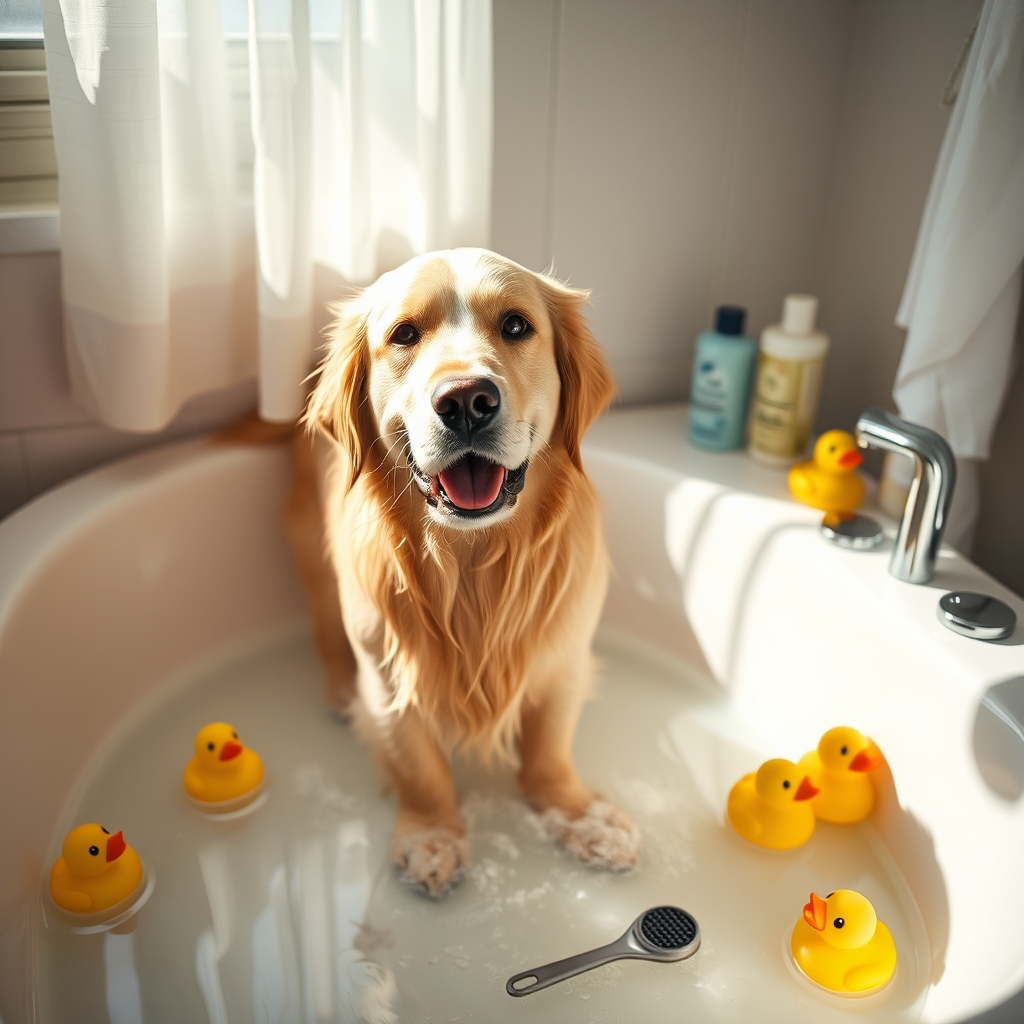
Bathing a double‑coated dog does more than keep it smelling fresh; it loosens the dense undercoat, making the subsequent brushing far more effective. Most owners wonder how often they should reach for the hose. For breeds like Huskies and Golden Retrievers, a bath every 4‑6 weeks strikes a good balance—frequent enough to soften the undercoat but spaced out to avoid stripping natural oils. During the spring and fall blow‑outs, you may want to add an extra bath to help manage the surge of loose hair.
Choosing the right shampoo and conditioner is critical. Look for formulas labeled “deshedding” or “undercoat care.” These products contain gentle surfactants that break down the dead hair without irritating the skin, and they often include conditioning agents such as oat protein or aloe to keep the guard coat supple. Avoid heavy, medicated shampoos unless a skin condition has been diagnosed by a vet, as they can dry out the delicate undercoat.
A dedicated deshedding shampoo and conditioner set can streamline the routine. One popular approach pairs a low‑pH shampoo that respects the dog’s skin barrier with a lightweight conditioner that slides through the undercoat, reducing friction during brushing. Apply the shampoo, work it into a rich lather, and let it sit for a minute or two; this dwell time allows the formula to penetrate the coat and release trapped hairs. Rinse thoroughly, then follow with the conditioner, massaging it in before a final rinse.
Expert guidance reinforces the importance of product choice. “Regular baths keep the undercoat healthy and reduce matting,” notes grooming specialist Tonya Smith. Consistent bathing also helps distribute natural oils, which improves coat shine and makes the hair less likely to cling to furniture.
Beyond products, timing matters. Schedule a bath after a thorough brush to remove as much loose hair as possible, then brush again while the coat is still damp. The moisture opens the cuticle, allowing the brush to glide through the undercoat with less tugging. According to puppysimply.com, employing the right tools and techniques can cut visible shedding by up to 90%, underscoring how a well‑planned bath can dramatically lessen the hair left on your couch.
In summary, aim for a bath every month to six weeks, select a gentle deshedding shampoo and conditioner, and coordinate brushing before and after washing. This routine not only curtails shedding but also preserves the integrity of your double‑coated companion’s beautiful fur.
Diet and Hydration: The Role of Nutrition in Reducing Shedding
A balanced diet that supplies the right mix of proteins, essential fatty acids, vitamins, and minerals is the foundation of a healthy coat. When a Husky or Golden Retriever receives adequate nutrition, the outer guard hairs become stronger and the undercoat sheds less aggressively, making weekly grooming sessions smoother and less messy.
The impact of nutrition on coat health
Research shows that the quality of a dog’s diet directly influences hair growth cycles. High‑quality animal protein provides the amino acids needed for keratin production, while omega‑3 and omega‑6 fatty acids improve skin elasticity and reduce inflammation that can trigger excess shedding. According to dogwisdomhub.com, dogs fed diets rich in these nutrients often exhibit a shinier, more resilient coat and experience fewer “blow‑out” periods.
Foods that promote a healthy coat
- Fatty fish (salmon, sardines) – excellent sources of EPA and DHA, the omega‑3s most effective for coat shine.
- Eggs – contain biotin and high‑quality protein that support keratin synthesis.
- Sweet potatoes and carrots – supply beta‑carotene, a provitamin A that aids skin health.
- Flaxseed oil or chia seeds – plant‑based omega‑3s that complement animal sources.
- High‑quality commercial kibble formulated for active, double‑coated breeds, which typically includes added zinc and vitamin E for skin resilience.
Veterinary nutritionist our editorial team emphasizes, “A diet rich in omega‑3 fatty acids strengthens the guard coat and reduces loose hair.”
The importance of hydration
Water is often overlooked, yet proper hydration is essential for transporting nutrients to skin cells and maintaining the moisture balance of the epidermis. Dehydrated skin becomes dry and flaky, prompting the undercoat to shed prematurely. Aim for at least 1 oz of water per pound of body weight daily, and consider adding a splash of low‑sodium broth to encourage reluctant drinkers.
Quick nutrition checklist for double‑coated owners
- Feed a protein‑focused diet (minimum 22 % protein for adults).
- Include at least 0.5 % combined EPA/DHA in the diet.
- Supplement with a modest amount of fish oil (check dosage on the label).
- Offer fresh water at multiple locations, refreshing it several times a day.
While grooming tools can cut shedding by up to 90 % during peak periods (puppysimply.com), pairing those tools with a coat‑supportive diet and consistent hydration dramatically reduces the amount of loose hair that ends up on furniture and clothing.
Dealing with Excessive Shedding: Expert Advice
When your Husky or Golden Retriever seems to be shedding more than usual, it can be a sign that something beyond normal coat turnover is happening. Consult a veterinarian if you notice any of the following: bald patches, persistent skin redness or sores, excessive itching that leads to hair loss, or a sudden increase in loose hair that doesn’t improve with regular brushing. These symptoms may indicate allergies, hormonal imbalances, parasites, or a skin infection that requires professional treatment.
Expert Tips for Managing Excessive Shedding
- Stick to a consistent grooming schedule. Even on non‑blowout weeks, brush your double‑coated dog at least three times a week using an undercoat rake or a deshedding brush. Regular agitation of the undercoat prevents hair from building up and matting.
- Target the seasonal blowouts. Double‑coated breeds typically experience two heavy shedding periods each spring and fall. During these times, increase brushing to daily sessions of 10‑15 minutes, focusing on the back, tail, and hindquarters where the undercoat is densest.
- Choose the right tools. A slicker brush works well for the outer guard coat, while an undercoat rake reaches the soft layer underneath. Using both in succession removes up to 90 % of loose hair, according to puppysimply.com.
- Support coat health from the inside out. High‑quality protein, omega‑3 fatty acids, and a balanced vitamin regimen keep the hair follicles strong and reduce brittleness. Adding a fish‑oil supplement can lessen the amount of hair that breaks off during grooming.
- Control the environment. Keep indoor humidity between 40‑55 % to prevent dry skin, and vacuum frequently with a HEPA filter to capture shed hair before it settles on furniture.
“If you notice bald spots or persistent itching, schedule a vet visit right away,” advises the editorial team, board‑certified veterinarian.
When to Seek Veterinary Care
- Hair loss localized to one area (possible hot spot or fungal infection).
- Excessive scratching or licking that leads to raw skin.
- Sudden, dramatic increase in shedding without a seasonal trigger.
- Changes in coat texture such as excessive oiliness or dryness.
A quick exam can rule out underlying medical issues and ensure that your grooming routine isn’t inadvertently harming the coat. By pairing professional guidance with disciplined home care, you’ll keep shedding manageable while preserving the beautiful double coat that makes Huskies and Golden Retrievers so beloved.
Blow-Coat Schedule: How to Deshed a Double Coated Dog at Home
Double-coated breeds blow undercoat 2× yearly for 4–8 weeks—line brushing with undercoat rake daily during peak removes fist-sized fur clumps before they airborne. Never shave double coats; guard hairs regulate temperature and regrowth may patch.
| Week of blow | Tool | Session | Expected fur volume |
|---|---|---|---|
| 1 | Slicker + rake | 10 min | Moderate |
| 2–3 | Undercoat rake focus | 15–20 min | Peak |
| 4 | Slicker finish | 10 min | Tapering |
Bath mid-blow loosens coat—blow-dry while line brushing extracts 20–30% more undercoat than dry-only sessions in groomer technique summaries.
How to Deshed a Double Coated Dog at Home — Tool Order
Always slicker surface tangles before rake—raking mats pulls skin and creates brush rejection. High-velocity dryer optional; room-temperature dryer with brush attachment suffices for most owners.
Frequently Asked Questions: Deshedding Double‑Coated Dogs
Can I shave when how to deshed a double coated dog at home?
No—rake and line brush only; shaving double coats risks patchy regrowth and temperature dysregulation.
How often should I deshed my double‑coated dog?
Most double‑coated breeds benefit from a weekly deshedding session during the year‑round shedding cycle, with a more intensive routine (2‑3 times per week) during the spring and fall “blow‑out” periods. Consistency prevents the undercoat from matting and reduces the amount of loose hair that ends up on furniture. According to puppysimply.com, using the proper tools can lower overall shedding by as much as 90% when you stay on a regular schedule.
Can I shave my double‑coated dog to reduce shedding?
Shaving a double‑coated dog is generally discouraged. The outer guard coat protects the undercoat from heat, UV rays, and moisture; removing it can lead to overheating in summer and skin irritation in winter. AKCPartnerShop stresses that shaving “disrupts the coat’s natural insulation and can cause permanent texture changes.” Instead, focus on routine brushing, proper nutrition, and seasonal bathing to manage hair loss.
What are the best deshedding tools for double‑coated dogs?
The most effective arsenal includes:
- Undercoat rake or de‑shedding blade – reaches deep into the plush undercoat without pulling on the guard hairs.
- Slicker brush – smooths the outer layer and removes surface debris.
- Deshedding glove – offers a gentle, hand‑on option for dogs that are sensitive to larger tools.
DogWisdomHub recommends pairing an undercoat rake with a slicker brush for a “two‑step” approach that captures both layers efficiently. For dogs that tolerate it, a de‑shedding glove can be used on days when a quick touch‑up is needed.
“Regular brushing preserves coat health and keeps shedding manageable,” says Maya Patel, board‑certified veterinary dermatologist.
By sticking to a weekly schedule, avoiding shaving, and using the right combination of tools, you’ll keep your Husky or Golden Retriever looking sleek while minimizing hair on the couch.