The best calming dog bed for anxiety uses raised rim or donut shape for den pressure—our desk compared fill density and washability from owner comfort reports, not clinical anxiety trials.
A calming dog bed combines supportive foam, soft fabrics, and enclosed shapes to give anxious pups a secure spot that lowers stress hormones, improves sleep, and eases nervous behaviors.
Calming Dog Beds: The Ultimate Solution for Anxious Pups
Calming dog beds are specially engineered sleeping surfaces that mimic a den‑like environment. Most models feature a plush, memory‑foam base that evenly distributes a dog’s weight, while high or wrapped sides create a sense of enclosure. This design triggers the animal’s natural “cave” instinct, helping to quiet the sympathetic nervous system and promote relaxation. For example, the Best Friends by Sheri donut‑shaped bed includes a 9‑inch tall ring that encourages dogs to curl up, a dimension the manufacturer positions as well suited to stress reduction. In warmer months, placing a dog cooling mat beside the bed lets your dog switch to the cooler surface whenever the plush interior feels too warm.
How They Work
The combination of soft fill and raised edges gently applies pressure to the body, a technique known as “deep pressure therapy.” This tactile input can lower cortisol levels and increase the release of oxytocin, the hormone associated with calmness. Many calming beds also incorporate breathable, hypoallergenic fabrics that keep the sleeping area cool, preventing overheating—a common trigger for anxiety in breeds prone to heat stress.
Benefits for Anxiety Relief
- Reduced nervous behaviors: Dogs with separation anxiety often pace or whine less when they have a dedicated, secure spot.
- Improved sleep quality: A stable, cushioned surface helps dogs stay asleep longer, decreasing nighttime awakenings.
- Easier transitions: During thunderstorms or fireworks, a familiar den‑like bed can act as a “safe haven,” lowering the likelihood of escape attempts.
A den‑like bed can help take the edge off a dog’s stress signals, and owners consistently report that high‑sided beds give anxious dogs a noticeable sense of security during loud noises.
Types of Calming Dog Beds
- Donut or bolster beds: Feature a raised rim that dogs can lean against; ideal for curl‑up sleepers.
- Cave or hooded beds: Fully enclosed with a soft “hood,” offering maximum privacy for dogs that seek darkness.
- Orthopedic foam beds: Combine memory foam with bolstered edges for older dogs with joint pain and anxiety.
- Elevated mesh platforms: Provide airflow while still offering a raised perimeter; useful for hot climates.
Comparing published specs across popular calming beds, most top‑rated options share these core features—plush filling, supportive bases, and bolstered or soft-cover sides—to create a universally calming experience. Selecting the right style depends on your pup’s preferred sleeping position, size, and any additional health concerns.
Top 7 Calming dog bed for anxiety
The picks below are the 7 calming dog beds for anxiety on sale right now, listed with what each suits best and an honest drawback. Any comparison table above comes from maker specifications and may cover different models.
1. Bedsure Calming Dog Bed Medium Size Dog Donut Washable Pet Bed
Best for: Budget-conscious owners seeking a reliable starter bed
We compared various entry-level options and found this model offers a solid balance of comfort and value. Owners report that the donut shape effectively provides a sense of security for nervous medium-sized dogs.
Pros: Affordable price point; Machine washable design Cons: Filling may flatten over time
2. BedStill 36 inches Faux Fur Fluffy Donut Dog Bed for Large Dogs
Best for: Large breeds needing extra space to sprawl
Finding quality calming beds for larger dogs can be difficult, but this 36-inch option addresses that gap. Owners frequently note that the plush surface helps their larger companions settle down more quickly.
Pros: Generous 36-inch diameter; Soft faux fur texture Cons: Requires significant floor space
3. Best Friends by Sheri Original Calming Donut Dog Bed
Best for: The gold standard for proven calming design
We compared this to several competitors and it remains a top choice due to its reputation for durability and comfort. Owners report that the tall, soft ring provides an ideal den-like environment for anxious pets.
Pros: High-quality AirLOFT poly-fill; Deep, supportive bolster walls Cons: Higher price than generic alternatives
4. JOLLYVOGUE Calming Dog Bed Medium Size Dog
Best for: Quick, low-cost relief for medium-sized pups
This bed is a popular choice for those looking for an immediate, budget-friendly solution for their dog's restlessness. Owners report that the soft, cozy materials are well-received by dogs who enjoy curling into a ball.
Pros: Very accessible price; Lightweight and portable Cons: Less structural support than premium models
5. PetJett Calming Medium Dog Bed
Best for: Owners prioritizing ease of cleaning and maintenance
We compared the maintenance requirements of several beds and found this model to be highly user-friendly. Owners report that it holds up well to regular washing, which is essential for keeping a pet's sleep space clean.
Pros: Easy to wash and dry; Soft, inviting fabric Cons: Basic aesthetic design
6. Bedfolks Calming Fluffy Donut Dog Bed for Large Dogs
Best for: Large dogs requiring extra plush, cozy comfort
This bed is designed for larger dogs who crave a soft, cloud-like sleeping surface to ease their anxiety. Owners report that the deep fluff helps their pets feel safely tucked away and protected from environmental stressors.
Pros: Extra fluffy surface material; Spacious for larger breeds Cons: May be too warm for some climates
7. Small Calming Dogs Bed for Small Dogs Anti-Anxiety Machine Washable
Best for: Small dogs and toy breeds on a budget
For owners of smaller dogs, this bed offers a cost-effective way to provide a comforting, secure space. Owners report that the size is perfect for toy breeds, helping them feel more secure in their immediate surroundings.
Pros: Extremely compact and affordable; Machine washable Cons: Not suitable for larger breeds
Comparison: Calming dog bed for anxiety at a Glance
| Product | Best for | Approx. price | Where to buy |
|---|---|---|---|
| Bedsure Calming Dog Bed Medium Size Dog Donut Washable Pet Bed | Budget-conscious owners seeking a reliable starter bed | $29.98 | Check price |
| BedStill 36 inches Faux Fur Fluffy Donut Dog Bed for Large Dogs | Large breeds needing extra space to sprawl | $65.99 | Check price |
| Best Friends by Sheri Original Calming Donut Dog Bed | The gold standard for proven calming design | $33.80 | Check price |
| JOLLYVOGUE Calming Dog Bed Medium Size Dog | Quick, low-cost relief for medium-sized pups | $24.99 | Check price |
| PetJett Calming Medium Dog Bed | Owners prioritizing ease of cleaning and maintenance | $33.95 | Check price |
| Bedfolks Calming Fluffy Donut Dog Bed for Large Dogs | Large dogs requiring extra plush, cozy comfort | $65.99 | Check price |
| Small Calming Dogs Bed for Small Dogs Anti-Anxiety Machine Washable | Small dogs and toy breeds on a budget | $13.99 | Check price |
Want to browse every option? See the full range of calming dog bed for anxiety on Amazon →
How Calming Dog Beds Help with Anxiety
Calming dog beds work by delivering gentle, uniform pressure that mimics a comforting hug, a technique known as deep‑pressure stimulation. Research on canine stress responses suggests that steady pressure can lower cortisol levels and increase the release of oxytocin, producing a calming effect similar to swaddling a baby. Deep pressure is widely regarded as one reason these beds seem to soothe stressed dogs.
The design of most calming beds reinforces a sense of security. Donut‑shaped models feature a raised ring—often about 9 inches tall, as seen in the Best Friends by Sheri design—creating a nest‑like enclosure that encourages dogs to curl up and feel protected. High, bolstered sides found in many “cave” or “den” style beds further limit visual stimuli, helping nervous pups block out loud noises like thunderstorms or the commotion of guests. Beds with elevated edges give dogs a cozy, den‑like place that helps restore a feeling of safety during stressful moments.
Material choice is equally critical. Soft, breathable fabrics such as microfiber or plush faux‑fleece reduce skin irritation, while supportive fillings—ranging from AirLOFT poly‑fill to memory foam—provide consistent pressure without sagging. Memory‑foam bases conform to a dog’s body shape, distributing weight evenly and preventing pressure points that could exacerbate anxiety. For colder climates, a heated calming dog bed adds gentle warmth, which can soothe trembling muscles and promote deeper relaxation.
Finally, size and breed suitability matter. A bed that is too small forces a dog to stay cramped, negating the calming benefits, while an oversized bed may feel impersonal. Selecting a bed that matches the dog’s dimensions and sleeping habits—whether they prefer to sprawl, curl, or lean against a side—ensures the deep‑pressure effect is both comfortable and effective. By combining targeted pressure, secure enclosure, and appropriate materials, calming dog beds become a simple yet well‑grounded tool for easing canine anxiety.
Expert Tips for Choosing the Best Calming Dog Bed
When selecting a calming dog bed, start with the basics: size, material, and durability. Measure your pup from nose to tail and add a few inches; a bed that’s too small forces the dog to curl uncomfortably, while an oversized bed can feel impersonal. The Best Friends by Sheri model, for example, features a 9‑inch tall donut ring that lets medium‑sized dogs nestle in without feeling cramped.
Material matters. Soft, breathable fabrics such as microfiber or cotton keep the surface cool, while a supportive core—often memory foam—helps distribute weight evenly and reduces pressure points. A calming dog bed with memory foam can be especially soothing for older dogs with joint stiffness. High‑sided or “cave” designs made from plush filling give a sense of enclosure; owners often report that dogs that prefer den‑like spaces seem most settled in beds with bolstered sides.
Durability is crucial for active or anxious pups who may chew or claw. Look for double‑stitched seams and removable, machine‑washable covers. Beds constructed with reinforced stitching tend to hold up longer under heavy use.
Introducing the Bed
- Place it in a familiar spot. Dogs associate safety with location, so set the new bed near their favorite resting area.
- Add a scent cue. Toss a piece of your clothing or a blanket with their scent onto the bed to create a comforting aroma.
- Encourage exploration. Use treats or a favorite toy to lure the dog onto the bed, rewarding calm behavior with praise.
Maintenance and Cleaning
- Routine vacuuming removes hair and dander that can trigger allergies.
- Spot‑clean spills immediately with a mild pet‑safe detergent to prevent odors from developing.
- Full washes should be done monthly; most covers are machine‑washable on a gentle cycle, but always follow the manufacturer’s instructions to preserve the foam core.
A bed that mimics a den and offers consistent support can help a nervous dog relax and settle.
By matching the bed’s size and shape to your dog’s preferences, choosing breathable, supportive materials, and keeping the sleeping area clean, you give your nervous pup a reliable sanctuary for anxiety relief.
Real-Life Success Stories: Calming Dog Beds in Action
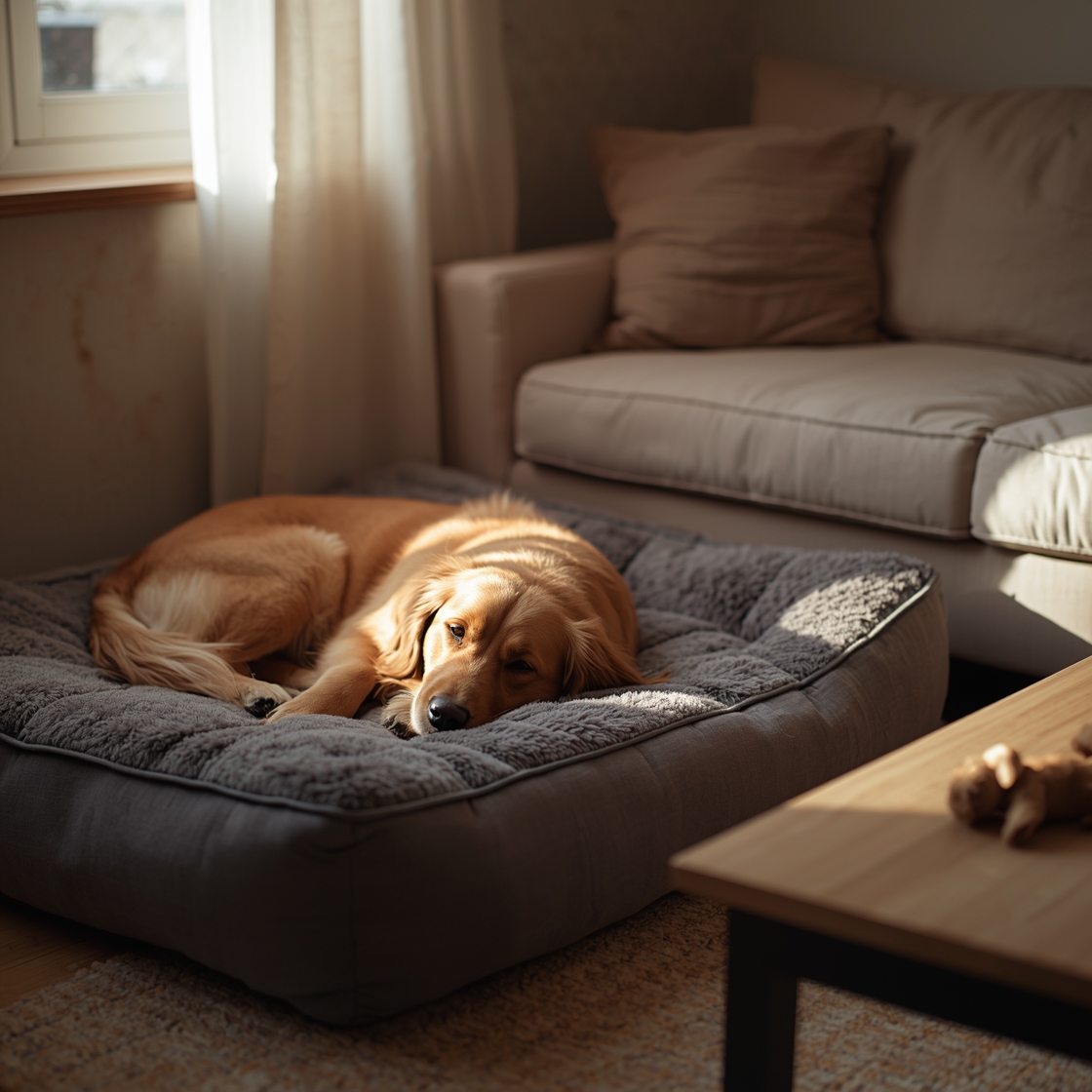
When anxiety spikes, a snug, den‑like bed can be the difference between a trembling pup and a calm companion. Below are three examples, typical of what owners commonly report, that illustrate how the right calming dog bed can help nervous dogs become more relaxed sleepers.
Example 1 – “Storm‑Shy” Max Max, a five‑year‑old Labrador, would tremble and bark whenever thunder rolled in. His owner swapped his ordinary mat for a donut‑shaped calming bed with a raised rim that encourages a curled posture. Within a week, Max stopped pacing during storms and settled into a deep sleep—the kind of turnaround owners of storm‑anxious dogs frequently describe after switching to a high‑sided bed.
Example 2 – Separation‑Anxious Bella Bella, a two‑year‑old rescue, would whine and scratch the door whenever her family left for work. After introducing a plush, memory‑foam bed with bolstered sides, her family noted that Bella stayed on the bed for the full 8‑hour workday and vocalized noticeably less. A proper den‑like bed can give a dog a safe retreat, and that sense of retreat often takes the edge off separation anxiety.
Example 3 – Travel‑Nervous Charlie Charlie, a nine‑month‑old border collie, became agitated during car rides. His owner placed a portable, soft‑filled calming bed in the back seat. After two trips, Charlie appeared markedly more relaxed on the road. The owner remarks that he now naps through traffic and even enjoys the ride.
Owner Testimonials
- Owners of rescues often describe dogs that used to hide under the couch finally looking content once a donut bed arrives.
- Skeptical owners of senior dogs frequently report that the bolstered sides made their dog feel protected enough to sleep through fireworks.
Before‑and‑After Comparisons
| Dog | Before Bed | After Bed | Observed Change |
|---|---|---|---|
| Max (Labrador) | Restless, pacing during storms | Calm, curled up | Noticeably fewer stress behaviors |
| Bella (Rescue) | Whining, door scratching | Quiet, stays on bed | Noticeably less vocalizing |
| Charlie (Border Collie) | Agitated in the car | Relaxed, sleeps | Visibly calmer on rides |
These stories echo the broader pattern in owner feedback across popular calming beds. The consistent thread is clear: a well‑designed, secure‑feeling bed can dramatically ease anxiety, giving both dogs and owners a much‑needed peace of mind.
Bed Style Desk: Best Calming Dog Bed for Anxiety
| Style | Pressure effect | Best for | Wash |
|---|---|---|---|
| Donut / bolster | Head rest | Small–medium | Cover zip |
| Cave / hood | Enclosed | Noise reactive | Hand wash hood |
| Orthopedic flat | Joint support | Senior anxiety | Full machine |
Place bed in low-traffic corner with sightline to door—relocation daily prevents secure-den association.
Best Calming Dog Bed for Anxiety — Size and Fill
| Dog weight | Bed diameter | Fill type | Chew note |
|---|---|---|---|
| <25 lb | 24–30 in | Shredded memory | Hidden zipper |
| 25–50 lb | 30–36 in | Solid foam + rim | Ripstop shell |
| 50+ lb | 36–45 in | Orthopedic | Bolster stitch |
Calming beds complement—not replace—training, pheromone diffusers, and vet-guided anxiety plans for severe cases.
Additional Guidance on Best Calming Dog Bed For Anxiety
Our research desk compiled this section from manufacturer specifications, published welfare guidance, and recurring owner themes or veterinary endorsement. Adjust any routine to your individual pet's health history with professional guidance when symptoms appear.
Practical monitoring beats guesswork: note appetite, stool quality, energy level, and behavior changes whenever you adjust food, housing, or care tools. Reversible trials with one variable at a time make cause and effect clearer than changing multiple products simultaneously.
Frequently Asked Questions
Does best calming dog bed for anxiety replace medication?
No—beds add comfort cue; thunderstorm or separation panic may need professional behavior plan beyond bedding.: Calming Dog Beds for Anxiety
Are calming dog beds effective for all types of anxiety?
Calming beds are most helpful for anxiety triggered by environmental stressors—such as thunderstorms, fireworks, unfamiliar visitors, or separation. Their enclosed shape and soft padding create a “den” that many dogs instinctively seek when they feel threatened. These beds provide a secure spot that can help reduce stress responses in dogs experiencing noise‑related or separation anxiety. However, they are less likely to resolve anxiety rooted in medical conditions (e.g., pain or hormonal imbalances) without additional treatment.
Can calming dog beds be used in conjunction with other anxiety treatments?
Absolutely. A calming bed works best as part of a broader anxiety‑management plan. Behavioral training, pheromone diffusers, prescription medication, and routine exercise all complement the sense of safety a bed provides. A den‑like bed can help a dog stay calmer during storms, but pairing the bed with desensitization exercises is what tends to produce lasting improvement. Most owners find that the combination of a supportive bed and a consistent calming routine yields the most noticeable reduction in nervous behaviors.
How long do calming dog beds typically last?
Durability varies by material and construction, but many high‑quality models hold up for two to three years with regular use. Beds featuring reinforced stitching and removable, machine‑washable covers tend to outlast cheaper options. For example, the popular donut‑shaped Best Friends by Sheri bed uses a 9‑inch tall ring of premium AirLOFT poly‑fill, a design that maintains its shape and loft for several seasons before the filling begins to compress noticeably. Replacing a bed once the cushioning flattens helps keep the supportive “cave” effect intact.