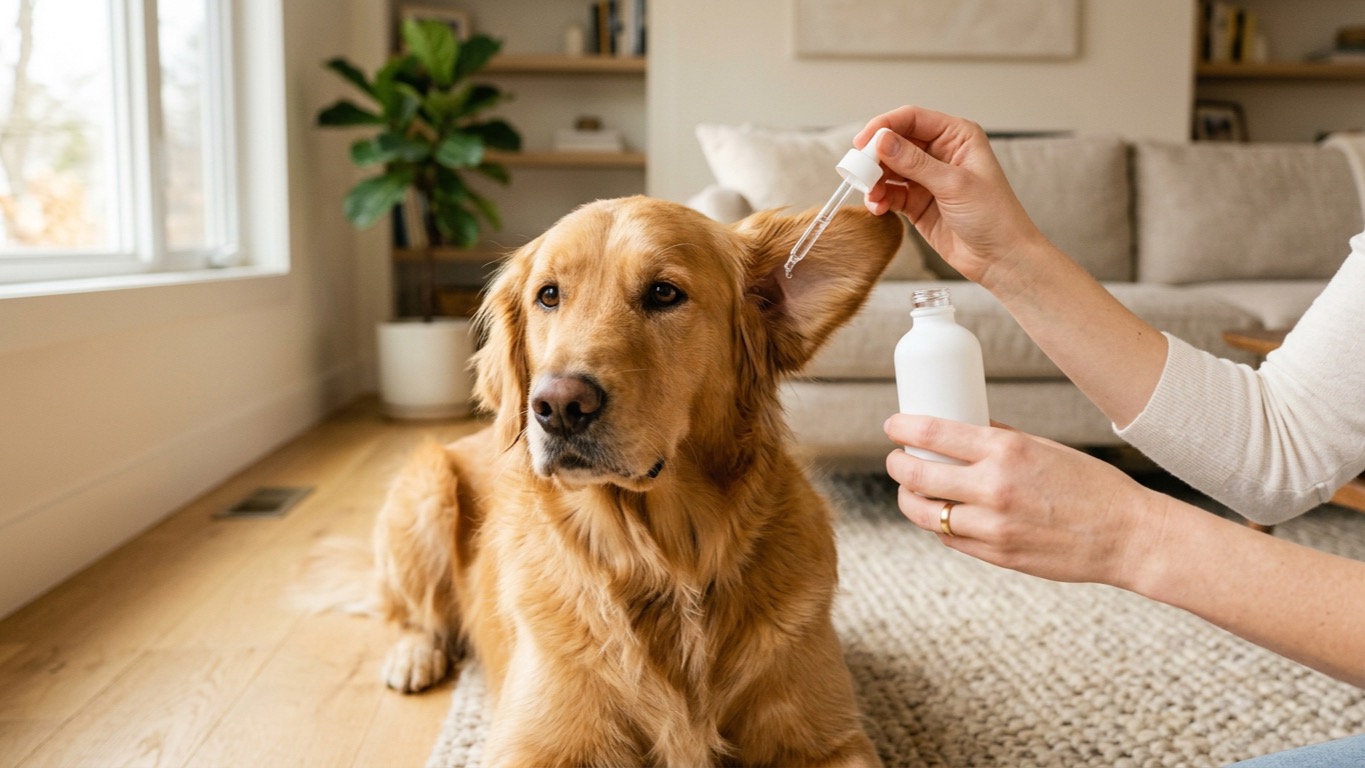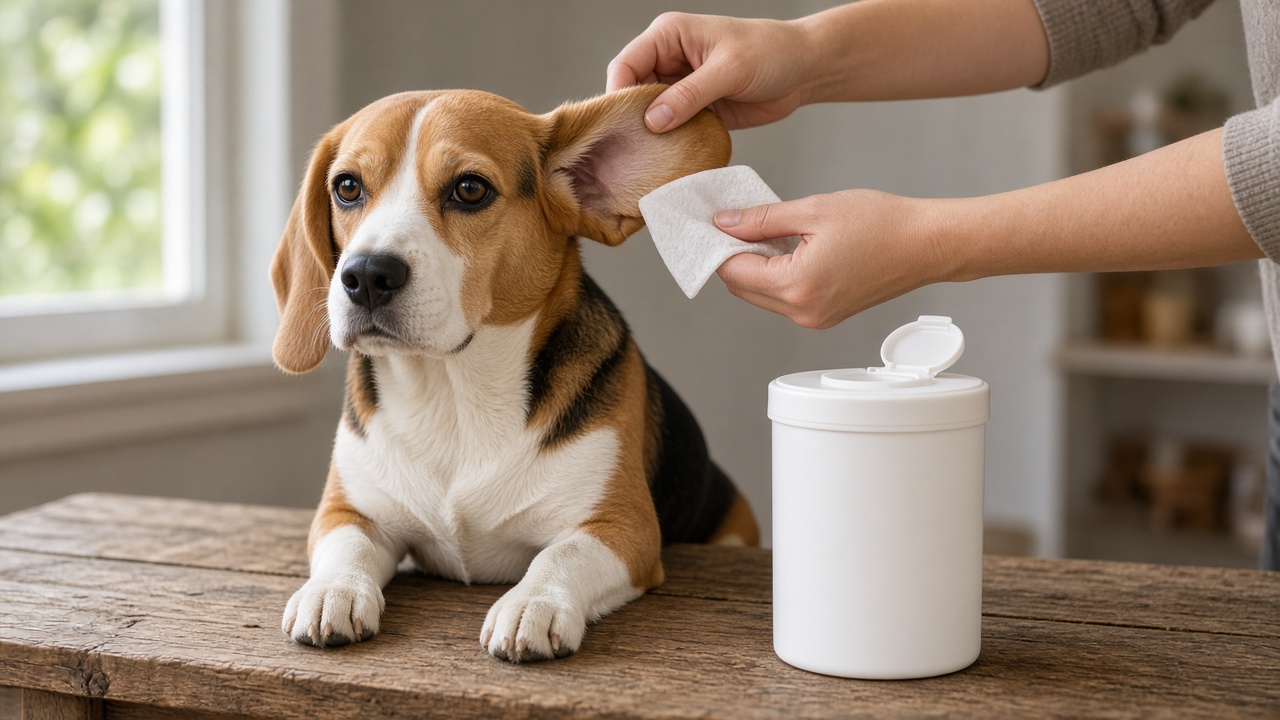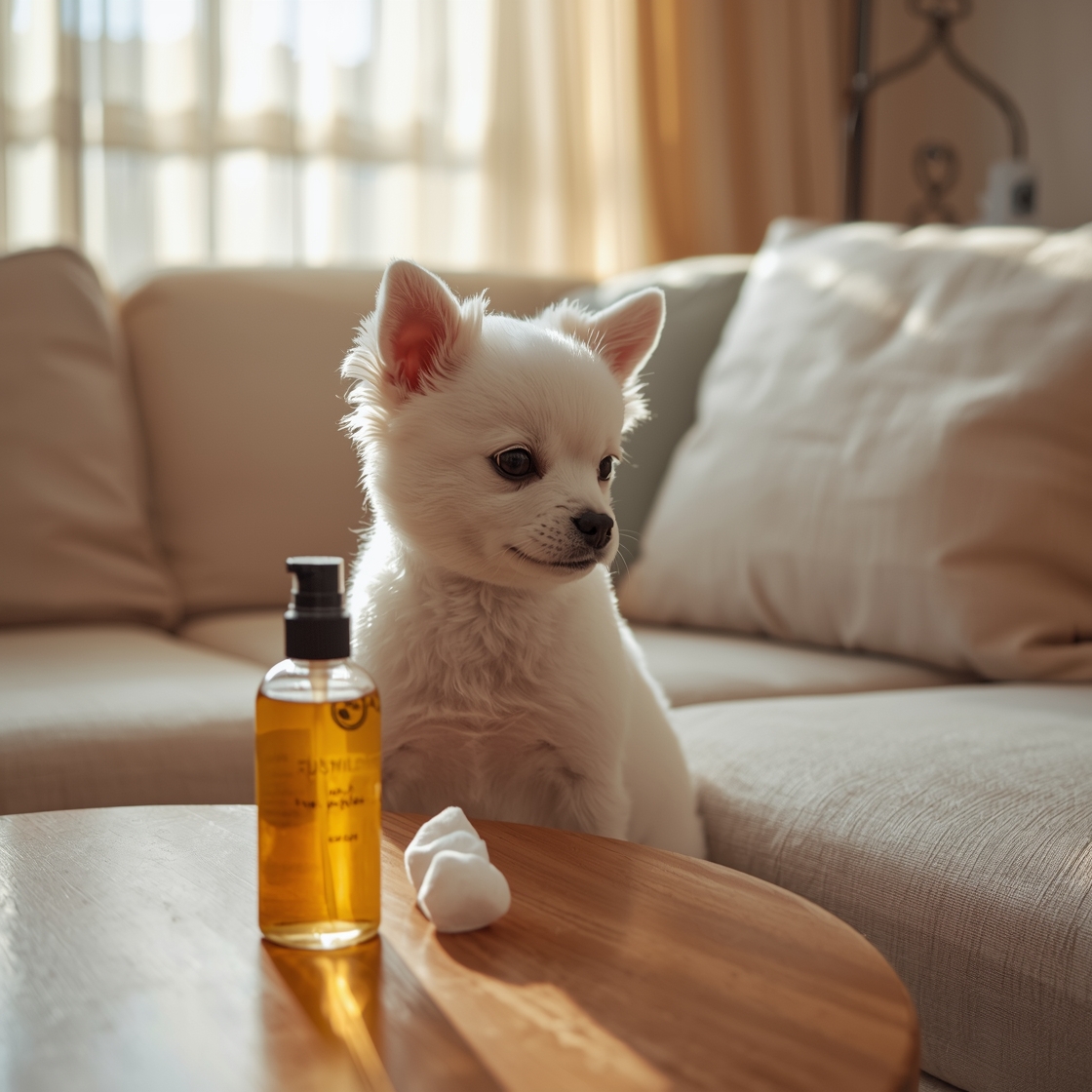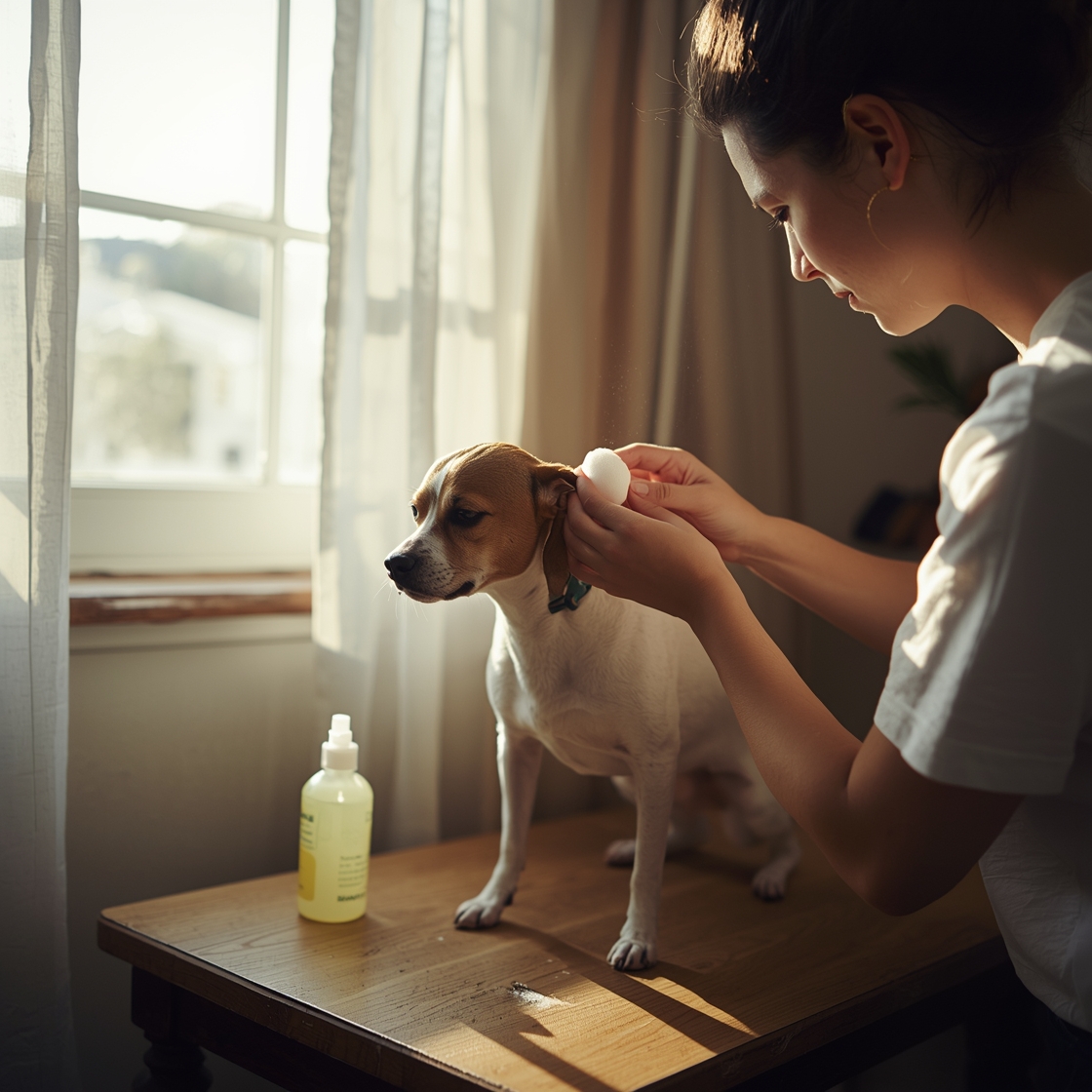
Wipes clean the flap. Liquids, used correctly, move debris in the vertical canal. Q-tips push gunk toward the eardrum. Infection (odor, pain, swelling, head tilt) is a clinic job, not a $7 finger wipe.
Our guides are reader-supported. This article may contain affiliate links. As an Amazon Associate we may earn a commission if you buy through links, at no extra cost to you.
Related: sensitive-ear solutions, ear infection drops, grooming senior dogs.
Quick picks for best dog ear cleaner
- Best named routine liquid: Epiotic Advanced Ear Cleanser — listed $13.59; clinic-aisle cleanser class.
- Best named everyday liquid cluster: VetWELL — $13.99; Veterinary Formula Clinical Care — $8.94.
- Best named wipe for the flap only: Dog Ear Cleaning Wipes — $14.99; MEDUWEDU finger wipes 60-count — $6.98.
- Best named enzymatic otic card: Zymox Advanced Formula Otic Plus — $33.49; this is an otic solution class, often used when infection is in the conversation — read whether your bottle includes hydrocortisone.
- Highest listed tile: Pup Labs Ear Clear — $39.99; plant-story premium; not automatically “stronger.”
- Honest Fail as a canal cleaner: both wipe cards if you need a flush. Honest Fail as a DIY infection protocol: any of the seven without cytology.
What current Amazon listings show (Canal-Job)
| Job | What clears it | 2026 aisle fake | Fails if missing |
|---|---|---|---|
| Routine clean | Canine liquid, fill-massage-wipe | Human ear drops, alcohol, Q-tips | Fail as cleaner |
| Surface only | Wipe / finger wipe on the pinna | A wipe “into” the canal | Fail as canal cleaner |
| Infected canal | Veterinary exam ± cytology | An enzymatic bottle as a weekend project | Fail as a plan |
| SKU | Listed price | Format | Checklist |
|---|---|---|---|
| Epiotic Advanced | $13.59 | Liquid cleanser | Clear as routine-liquid class |
| Ear Cleaning Wipes | $14.99 | Wipes | Fail as canal flush; clear as flap wipe |
| VetWELL Ear Cleaner | $13.99 | Liquid | Clear as routine-liquid class |
| Zymox Otic Plus Enzymatic | $33.49 | Enzymatic otic | Partial — otic/infection class, not a weekly wipe |
| Pup Labs Ear Clear | $39.99 | Premium liquid (title) | Partial — most expensive; confirm ingredients |
| MEDUWEDU Finger Wipes 60 | $6.98 | Finger wipes | Fail as canal flush; clear as flap wipe |
| Veterinary Formula Clinical Care | $8.94 | Liquid therapy cleaner | Clear as budget-liquid class |
Before you shop: (1) you looked in the canal and it is not an emergency, (2) the product is made for dogs, (3) you match format to job (wipe ≠ flush ≠ otic). A $39.99 bottle does not replace a microscope.
What best dog ear cleaner has to do
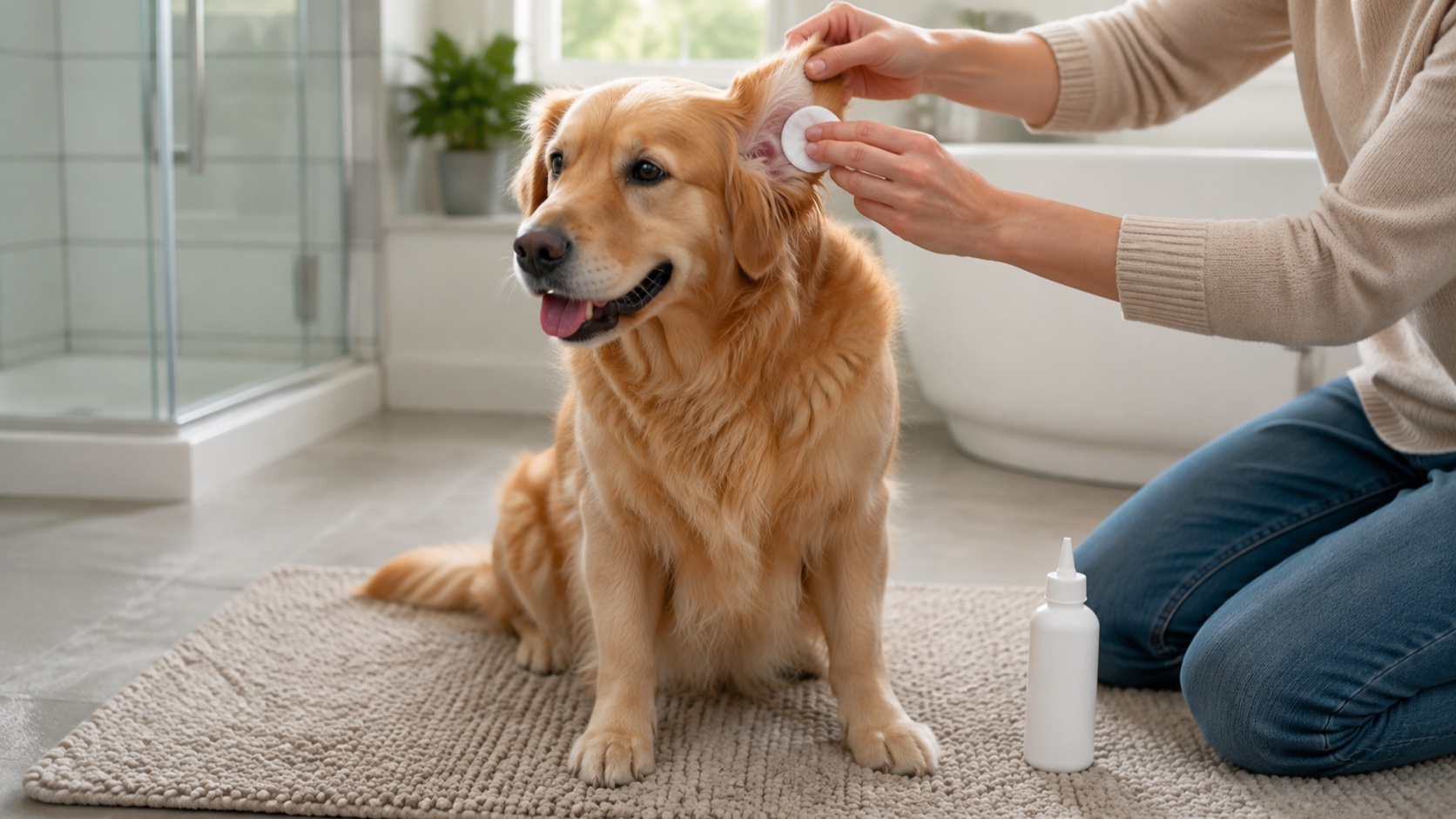
The canal is L-shaped. Liquid goes in, you massage the base, the dog shakes, you wipe what comes out. You do not corkscrew a cotton swab toward the eardrum.
Floppy ears (spaniels, retrievers) trap moisture after swimming. Hairy canals (poodles) trap wax. Allergies leak into ears. Those are published patterns. This desk did not otoscope a caseload.
AAHA and veterinary dermatology pages treat infection as a diagnosed problem: bacteria, yeast, or both, sometimes a foreign body, sometimes a tumor. A cleaner can prepare a canal. It does not replace culture or cytology when the ear is hot and painful.
Human ear drops use a different pH and often alcohol or peroxide that sting a raw canal. Do not borrow them.
Format desk
| Format | Reaches | Mess | Typical cards here |
|---|---|---|---|
| Liquid cleanser | Vertical canal if you fill and massage | Shake-off spray | Epiotic, VetWELL, Veterinary Formula |
| Wipe / finger wipe | Pinna and opening | Low | , MEDUWEDU |
| Enzymatic otic | Label-directed drops | Medium | Zymox Otic Plus |
| Premium “natural” liquid | Unknown without the bottle | Unknown | Pup Labs |
Some Zymox SKUs include hydrocortisone; some do not. The card title says Zymox Otic Plus and truncates after “Dogs and.” Read the carton for steroid language. A steroid otic is a different job than Epiotic.
How to clean (published steps, not our two-minute trial)
- Look first. Red, pus, black coffee-ground debris, or pain — stop and call.
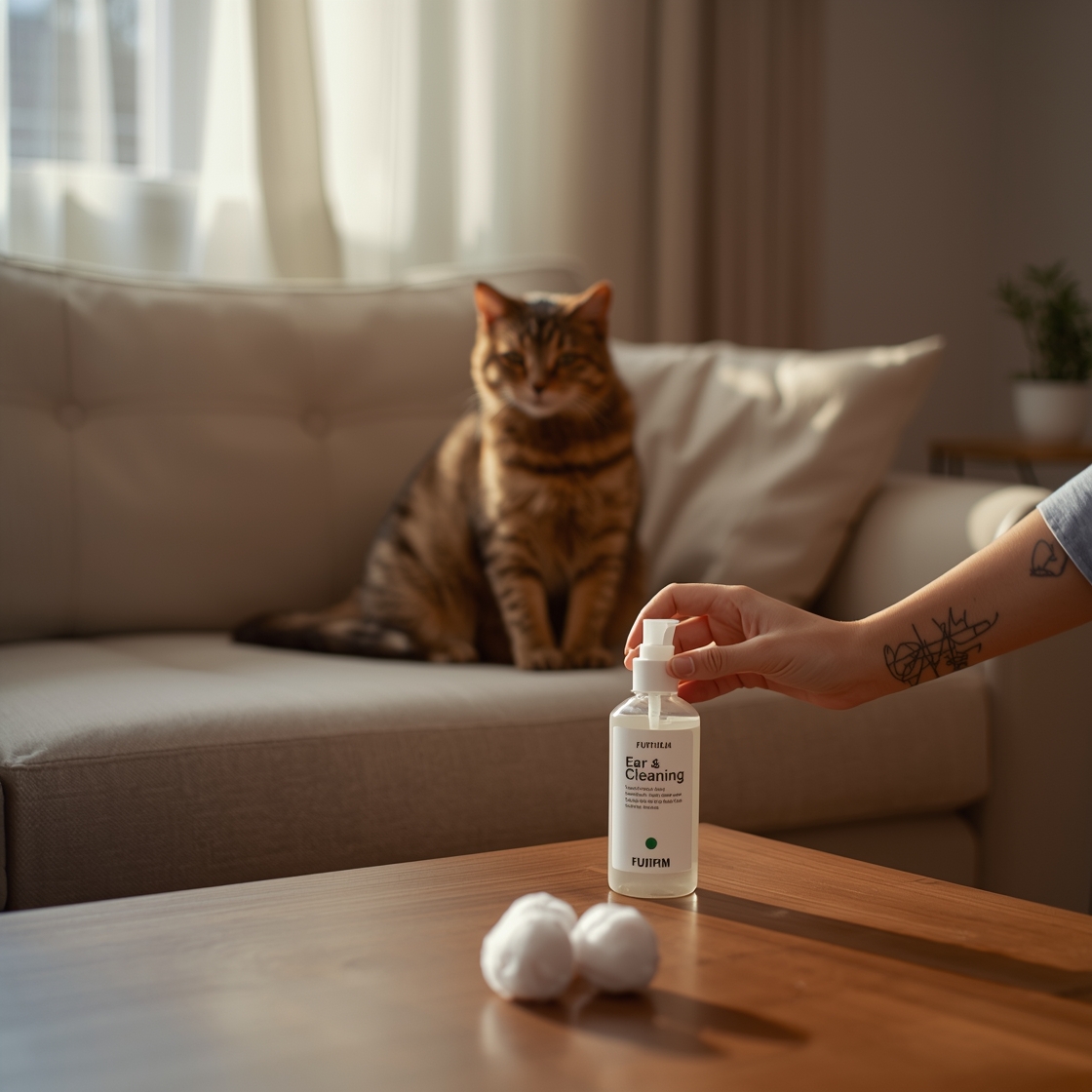
- Fill with a dog liquid if the job is a clean, not a wipe-only day.
- Massage the cartilage at the base for the count of several seconds.
- Let the dog shake.
- Wipe the flap and the opening with cotton or a wipe. No Q-tips down the canal.
- Reward. Stop if it becomes a fight.
Keep sessions short. A battle is how you get a scratch on the canal wall. That is worse than wax.
Sensitive-ear liquids are a sister job if the canal is already raw — still a look-first rule.
The 7 cards on this URL
Below are the seven stored cards. A wipe is not Epiotic. Zymox is not a travel wipe.
1. Epiotic Advanced Ear Cleanser|Gentle Ear Cleanser for Dogs and Cats
Best for: a named routine liquid cleanser when the canal looks quiet and you need a fill-and-massage product.
Listed $13.59. Sits in the $13–$15 cluster. The title prints Epiotic Advanced and Gentle. The pipe character in the title is how the card stored the string.
Honest drawback: “Gentle” is a label word. A raw, infected canal can still sting.
Check Epiotic Advanced listings →
2. Dog Ear Cleaning Wipes
Best for: flap and opening cleanup after a walk — not a canal flush.
Listed $14.99. More expensive than Epiotic on this snapshot. Format is wipes. the listing review grades it Fail as canal cleaner.
Honest drawback: convenient is not deep. If you only wipe, debris stays in the L. Do not soak a wipe and jam it inward.
3. VetWELL Ear Cleaner for Dogs and Cats
Best for: an everyday liquid in the same price band as Epiotic.
Listed $13.99. $0.40 above Epiotic. Median listed price on this URL.
Honest drawback: scent complaints show up in owner themes. A strong smell is not “fast-acting” as a lab result.
Check VetWELL ear cleaner listings →
4. Zymox Advanced Formula Otic Plus Enzymatic Ear Solution for Dogs
Best for: the enzymatic otic class on this URL when a veterinarian has already named that job — not a substitute for “best dog ear cleaner” as weekly maintenance.
Listed $33.49. 2.46× Epiotic. Otic Plus is a solution class.
Honest drawback: enzymatic otics are often used in dirty or infected canals per brand and clinic talk. Some formulas include hydrocortisone. That is a drug story. Do not stack this on a ruptured eardrum theory you invented at the sink. Ask.
Check Zymox Otic Plus listings →
5. Pup Labs Ear Clear
Best for: the highest-listed liquid tile if you already chose this brand — not a crown for potency.
Listed $39.99. 5.73× the finger wipes. Premium plant-story positioning in owner themes.
Honest drawback: most expensive is not “natural support for persistent issues” as a diagnosis we made. Persistent issues are a dermatology workup.
Check Pup Labs Ear Clear listings →
6. MEDUWEDU Ear Cleaner Finger Wipes 60 Counts
Best for: the cheapest tile — 60 finger wipes for the flap — not a 60-dose canal protocol.
Listed $6.98. Lowest listed price. Count is in the title. That is unit math you can do: $6.98 / 60 = $0.116 per wipe if you use one per session and do not double up.
Honest drawback: limited surface. Small-dog marketing is a finger shape, not a cytology. Fail as canal flush.
Check MEDUWEDU finger wipe listings →
7. Veterinary Formula Clinical Care Ear Therapy Cleaner for Dogs & Cats
Best for: a budget liquid with a clinical-care title string when you want a bottle under $10.
Listed $8.94. Second-cheapest tile. $4.65 below Epiotic.
Honest drawback: “Clinical Care” and “Therapy” are brand words. They are not a culture we ran. A stiff cap (owner theme) is not a medical finding.
Check Veterinary Formula ear therapy listings →
Comparison: best dog ear cleaner at a glance
| Product | Listed | Format | Checklist |
|---|---|---|---|
| Epiotic Advanced | $13.59 | Liquid | Routine liquid |
| Wipes | $14.99 | Wipes | Flap only |
| VetWELL | $13.99 | Liquid | Routine liquid |
| Zymox Otic Plus | $33.49 | Enzymatic otic | Otic class |
| Pup Labs Ear Clear | $39.99 | Premium liquid | Price outlier |
| MEDUWEDU 60 finger wipes | $6.98 | Finger wipes | Flap only |
| Veterinary Formula Clinical Care | $8.94 | Liquid | Budget liquid |
Browse dog ear cleaner listings →
How this desk read the labels (not a trial)
We read titles, prices, and format words (wipes, otic, cleanser, finger).
What we will say: two wipes, three mid liquids, two premium bottles. Mean $18.85 because Pup Labs and Zymox pull the average up. Median is $13.99.
Price bands on this card set
| Band | Cards | Listed |
|---|---|---|
| Sub-$10 | MEDUWEDU; Veterinary Formula | $6.98, $8.94 |
| $13–$15 | Epiotic; VetWELL; | $13.59–$14.99 |
| $33+ | Zymox; Pup Labs | $33.49, $39.99 |
Can best dog ear cleaner treat infection?
No, not as a desk claim. Infection needs a look, often cytology, sometimes a prescription drop. See infection-treatment drops as a different URL — still not a substitute for the clinic. Zymox on this page is an otic-class card, not a license to skip the exam.
How often should I use best dog ear cleaner?
Quiet ears: after swims, after a bath if water got in, or on the schedule the veterinarian set — often weekly or less. Daily scrubbing of a healthy canal can strip and inflame. Smelly, painful, or shaking ears: stop shopping and book.
Can I use human ear cleaners as best dog ear cleaner?
No. pH and alcohol are the usual reasons. Do not use hydrogen peroxide as a hobby. Do not use tea-tree oil because a blog said natural.
What are the signs of an ear infection?
Odor, head shaking, pawing, redness, discharge, pain when the pinna moves, hearing change, head tilt. Two or more is a workup. A head tilt is urgent.
Are wipes as effective as liquid best dog ear cleaner?
For the flap, wipes are the right tool. For the canal, no. at $14.99 can cost more than Epiotic at $13.59 and still not flush. That is the $1.40 lesson on this snapshot.
Volume and size (not our pump test)
Large dogs have more flap and more canal. A 60-count finger wipe box at $6.98 is 60 flap passes, not 60 Great Dane flushes. Liquids need enough volume to fill. 0 of 7 cards store mL. Read the bottle.
Swimmers and floppy ears
After the lake: liquid, massage, shake, wipe. Then a dry pinna. A wipe-only routine is how spaniels stay wet at the bend. If the dog swims daily, ask the veterinarian for a schedule — over-cleaning is real.
Ruptured eardrums and “just a little”
If you do not know the tympanic membrane is intact, do not invent a flush protocol. Painful ears and chronic disease are how drums rupture. That is why this desk will not dose acetic acid at home.
Cats on these bottles
Several titles print dogs and cats. A cat that shakes and hides is still a clinic case. Do not assume dog volume is cat volume.
We will not publish a chlorhexidine percent for VetWELL. We will not say Epiotic “dries the canal” as our measurement. We will not call Pup Labs plant-based as a verified INCI list. We will not treat Zymox as a weekly cleaner.
Extra questions owners actually ask
Hair in the canal? Plucking is a groomer/clinic debate. Yanking at home is a bleed. Not a wipe job.
Yeast smell? Sweet, musty ears are a cytology conversation. A wipe will perfume the flap.
After a professional clean? Use the product the clinic sent. Do not add a second otic.
Travel? Wipes win in a car. Liquid wins after the hotel pool. Match the day.
Recheck calendar (typical, not a prescription)
| Situation | Desk reminder |
|---|---|
| Routine swimmer | After water, then stop |
| New odor or pain | Exam, not a new brand |
| On prescription drops | Follow the clinic interval; cleaners can dilute drugs — ask |
| Chronic repeat infections | Dermatology, not Pup Labs vs Epiotic as a personality test |
Allergy ears vs dirty ears
Itchy skin and itchy ears travel together. A cleaner removes wax. It does not stop an allergy. If you are buying a new bottle every week because the ear “fills again,” the job is dermatology, not a cheaper wipe.
Food trials and cytopoint-class drugs are clinic tools. Epiotic is not a food trial. Pup Labs at $39.99 is not immunotherapy.
After-bath protocol vs infection protocol
| Situation | Format on this URL | Stop if |
|---|---|---|
| Water in a quiet ear | Epiotic, VetWELL, or Veterinary Formula | Pain, scream, pus |
| Mud on the flap | or MEDUWEDU wipe | You are tempted to corkscrew inward |
| Clinic said enzymatic otic | Zymox card — follow their days | The canal looks worse on day two |
| Chronic “maybe yeast” | None of these as a solo plan | You have been guessing for a month |
Mixing a cleanser and a prescription drop on the same hour can dilute the drug. Ask the clinic for the order: clean first, wait, then drop — or drop only. This desk will not invent the wait time.
Cost-per-clean arithmetic (partial, because mL is missing)
MEDUWEDU: $6.98 / 60 = $0.12 per wipe if one wipe is one session.
Liquids: we cannot divide $13.59 by unknown mL. A 4 oz bottle used twice a week for a year is a different $/year than a 4 oz bottle used after every swim in July. Photograph the volume line. 0 of 7 tiles store it.
Zymox at $33.49 used daily for a clinic-directed course is a short, expensive burst — not a year of “cleaner.” Do not annualize it as if it were Epiotic.
Groomer and kennel ears
Groomers pluck and powder. Kennels dunk. Come home and look. If the canal is red, skip the hobby flush and call. If it is only damp, a routine liquid and a wipe of the flap is the job. Send the bottle the dog already uses so the kennel does not grab a human drop.
Cotton, gauze, and what not to use
Cotton balls on the flap are fine. Cotton swabs in the canal are how debris packs against the drum. Makeup pads shed. Paper towels scratch. A wipe is a pad with a labeled solution — still flap-only.
Do not mix vinegar recipes because a forum said 1:1. pH and raw skin are how you get a worse ear.
When “best dog ear cleaner” is the wrong search
- Head tilt, circling, or a drooping lip — emergency.
- After a foxtail season in grass — foreign body, not wax.
- One ear only, suddenly — same.
- A puppy with a fever — not a wipe.
Search the clinic. Then, if the canal is declared quiet, come back to Epiotic or Veterinary Formula.
Bottle hygiene
Do not touch the nozzle to a dirty canal and then put the bottle back in the cabinet for the other dog. That is how you share yeast. Wipe the tip. Do not share a half-used Zymox course between two dogs unless the veterinarian said so.
Bottom line
Seven tiles. Mean $18.85. Median $13.99. Two wipes that cannot flush. Two premium bottles at $33.49 and $39.99. Epiotic and VetWELL sit on the routine-liquid job. Veterinary Formula is the sub-$10 liquid. Infection is not an Amazon aisle. Look first. Then match the format to the job.
Last reviewed August 2026. If a listing or a formula code moved, tell us.