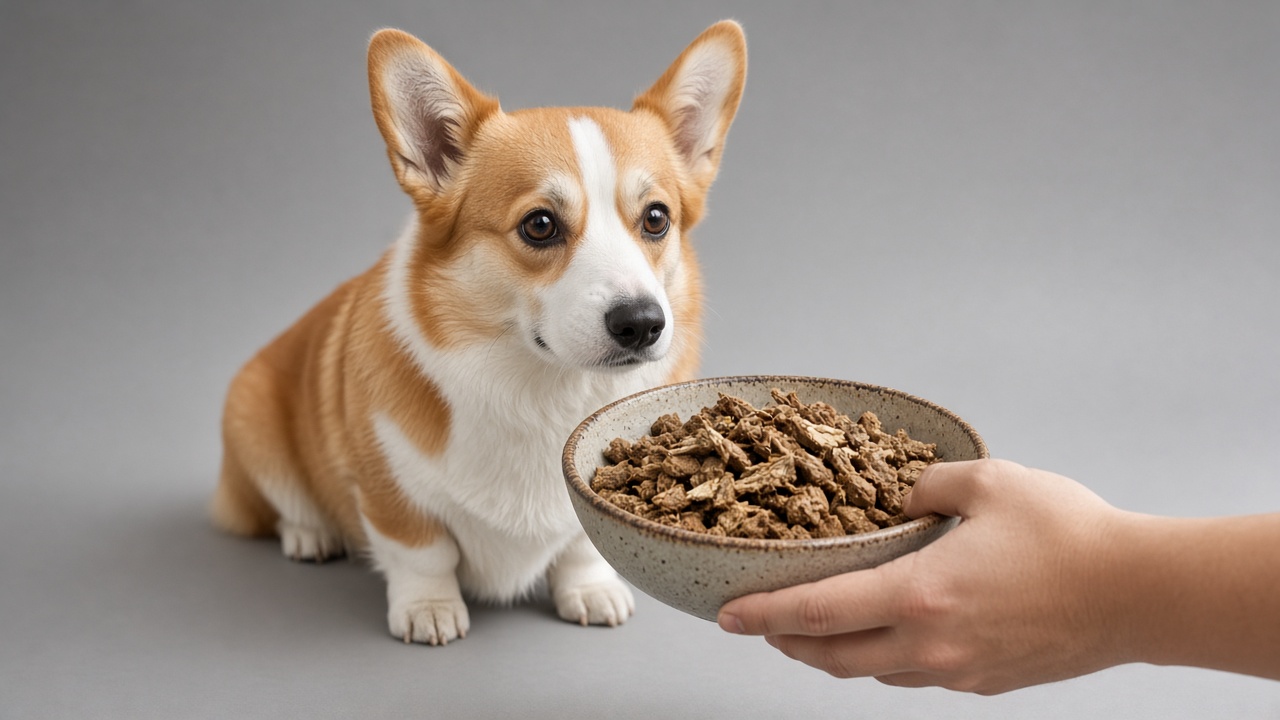

The best dog food for shedding is a complete-and-balanced adult (or growth) formula you can feed for 8–10 weeks while you also brush, control fleas, and rule out medical shed — usually a salmon-first or all-fish bag with a named animal protein first and an omega-3 source you can actually read (fish oil, salmon, herring, flax). The We read the titles and descriptions of 7 SKUs. Listed snapshots ran $58–$100. 4 of 7 are fish-forward (Pro Plan salmon $75; Taste of the Wild $58; Wellness CORE Ocean $65; ORIJEN includes whole fish at $100). 3 of 7 are chicken-based with added oils (Hill’s $90; Blue Wilderness $75; Nutro Ultra $85). 4 of 7 are grain-free. 0 of 7 is a hydrolyzed veterinary diet. Diet can support coat oils and keratin. It cannot stop a seasonal undercoat blow, fleas, thyroid disease, or a mat you never rake.
Shedding has jobs: season, itch, protein gap, parasites, hormones. A bag is one lever. Buy the lever that matches the job.
Our guides are reader-supported. This article may contain affiliate links. As an Amazon Associate we may earn a commission if you buy through links, at no extra cost to you.
Coat shine without a shed job lives on best dog food for skin and coat. Itch that looks like “chicken” often is not food — see best dog food for allergies. Brushing still removes the hair the follicle already released: best dog grooming brush for thick coat. Budget shopping: best affordable dog food.
Quick picks at a glance
- Best listed clinic-aisle salmon: Pro Plan Sensitive Skin & Stomach Salmon & Rice — $75. Easy repurchase; still not a shed meter.
- Best listed value salmon: Taste of the Wild Pacific Stream — $58. Prints omega-6 2.4% and omega-3 0.3% on the bag. Lowest sticker here.
- Best listed all-fish / poultry-free: Wellness CORE Ocean — $65. Triple fish, 34% protein. Grain-free and pulse-heavy — not a doodle default.
- Best listed dense animal bag: ORIJEN Original — $100. Highest sticker; 38% protein class. Transition slowly. Easy to overfeed.
- Best listed science-brand chicken: Hill’s Science Diet Sensitive Stomach & Skin Chicken — $90. Wrong card if poultry is the working theory.
- Best listed high-protein chicken: Blue Buffalo Wilderness Chicken — $75. Keratin story; grain-free; rich for couch dogs.
- Best listed trio-protein mainstream: Nutro Ultra Chicken/Lamb/Salmon — $85. Multiple proteins wreck a detective month.
Four jobs. A bag that fails fleas or a seasonal blow is a wasted month.
| Job | What actually works | Kibble role | Fails if you skip the real job |
|---|---|---|---|
| Seasonal undercoat blow | Daily rake / de-shed for 4–8 weeks | Complete diet as the calorie base | Fail — food will not outrun a Husky blow |
| Itch-driven shed | Flea control + clinic plan; food trial if the vet names food | One formula, zero rogue treats | Fail if you rotate “sensitive” bags |
| Nutrition-thin coat | Named protein + omega source you can read | The bag is the lever | Partial if you only add oil on junk kibble |
| Medical shed (thyroid, Cushing’s, infection) | Clinic: exam, labs, cytology | None | Fail — bald patches are not a salmon SKU |
| Bag (this URL) | Listed price | Protein story | Grain | Shed job |
|---|---|---|---|---|
| Taste of the Wild Pacific Stream | $58 | Smoke-flavored salmon first | Grain-free | Value fish-forward daily |
| Wellness CORE Ocean | $65 | Whitefish / herring / salmon | Grain-free | Poultry-free omega delivery |
| Pro Plan Sensitive Skin & Stomach Salmon | $75 | Salmon first; clinic aisle | Grain-inclusive | Easy repurchase |
| Blue Buffalo Wilderness Chicken | $75 | Deboned chicken; fish oil | Grain-free | High-protein active dogs |
| Nutro Ultra Trio | $85 | Chicken + lamb + salmon | Grain-inclusive | Maintenance, not a trial |
| Hill’s Sensitive Stomach & Skin Chicken | $90 | Chicken; vitamin E + omega-6 | Grain-inclusive | Flaky skin + poultry-tolerant |
| ORIJEN Original | $100 | Chicken, turkey, fish, eggs | Grain-free | Dense animal / heavy double coats |
Before you shop: (1) fleas are controlled, (2) you know whether this is a blow-coat month or an itch month, (3) you will feed one formula for 8–10 weeks, (4) patchy hair, red skin, or sudden “fur coming out in handfuls” goes to a clinic first. Fail gate 1 and this checklist is decorative.
What the best dog food for shedding can and cannot do
Hair is mostly keratin. Follicles need complete protein, essential fatty acids, zinc, and time. AAFCO’s consumer label page is the map: nutritional adequacy statement, guaranteed analysis, calorie line, feeding directions, ingredient list in descending weight. WSAVA’s selecting-pet-foods toolkit still wants you to ask who formulates the food. A pretty “reduces shedding” banner is not that answer.
What a diet can do: supply EPA/DHA and linoleic acid so the skin barrier holds water; supply amino acids so new shafts are less brittle; remove a protein that is driving itch if a veterinarian already named a food-responsive path.
What a diet cannot do: stop a double coat from blowing in spring; outrun flea allergy; treat hypothyroidism; un-mat a Golden you have not brushed since Thanksgiving. Manufacturer “up to 90% less loose hair” claims belong to brushes, not bags — and even those are brand copy, not our counts.
9/10 coats. We read seven live cards, their listed prices, and the public rules those bags sit under.
How the desk scored the best dog food for shedding (labels, not a kennel)
this comparison uses four label-visible signals plus the listed sticker:
- Named animal protein first. Hair is protein. “Meat meal” as a vibe word is weaker than salmon, chicken, or herring you can name.
- Omega story you can read. Fish oil, salmon, herring, flax, or a printed omega-3/6 percent beats “shiny coat” with no fat source.
- Life-stage fit. Adult cards for adults. A growth bag on a 5-year-old shedder is a calorie bomb, not a coat protocol.
- One-job honesty. Poultry-free if chicken is the theory. Limited ingredient if a clinician named a trial. Clinic-aisle “sensitive” if you only need a repurchase you will actually finish.
Availability and price are not quality grades. They are why households quit at week three.
Causes of shedding the best dog food for shedding will not outrun

Genetics and coat type. Double-coated breeds (Husky, Golden, German Shepherd, Malamute) dump undercoat on a calendar. Short single coats still shed; they just leave less tumbleweed. Two Labradors can differ. That is inheritance, not your kibble brand.
Season and light. Photoperiod drives a lot of follicle turnover. Indoor lighting and climate control blur the calendar; they do not cancel it. Pair any food switch with a rake schedule or you will blame the bag for April.
Itch. Food-responsive disease is a minority of itchy dogs in published dermatology surveys. Flea allergy and environmental allergy are more common. Those are clinic-population stats, not a kibble success rate. If the dog is chewing the rump raw, buy flea control your veterinarian named before you buy ORIJEN.
Medical. Thyroid disease, Cushing’s, demodex, ringworm, and chemo-adjacent drugs change coats. Sudden, patchy, or smelly shed is a clinic problem. AAHA-style nutritional assessment still says: GI or skin abnormalities get a veterinarian before you swap food types on your own.
Grooming math. A brush counts removed hair, not produced hair. Weekly photos under the same window are a better desk metric than “the vacuum bag looks full.”
Nutrient desk targets vs the best dog food for shedding
AAFCO does not publish a “shedding” nutrient profile. The table is planning language from typical dry guaranteed-analysis bands and public micronutrient roles — not a feeding trial.
| Nutrient / signal | Desk planning band (dry kibble, as-fed common) | Role | Overdo risk |
|---|---|---|---|
| Crude protein | 22–38% on this card set | Keratin amino acids | Extra calories if you free-feed a 38% bag |
| Crude fat | 12–18% typical | Skin oils; energy | Weight gain hides under a “better coat” |
| Omega-3 story | Printed % or named marine oil | EPA/DHA for barrier | Fish-oil toppers on top of a fatty bag |
| Zinc | Complete-and-balanced floor | Follicle / skin | Extra zinc without a clinician |
| Vitamin E | Often added on “skin” bags | Antioxidant on the label | Not a shine score we measured |
| Source class | Desk allergy note | Shed link |
|---|---|---|
| Chicken | Common historical protein | Itch can look like “shed” |
| Fish | Lower as a first exposure | Direct EPA/DHA story |
| Lamb | Medium | Variable; still a meat |
| Trio / buffet | Worst for a trial | Three proteins = three variables |
Food trial 8–10 weeks before judging shed change. Seasonal blow still overwhelms a marginal diet fix. Photograph the same shoulder under the same light every Sunday.
The 7 cards on this URL
1. Pro Plan Sensitive Skin & Stomach Adult Salmon & Rice Formula
Best for: a widely stocked salmon-first adult you can repurchase without a clinic authorization.
Listed $75. Real salmon is the first ingredient on the brand’s adult salmon-and-rice panel. Manufacturer language typically cites about 26% crude protein, fish oil, rice and oatmeal, and live probiotics. Grain-inclusive. Many Pro Plan SKUs carry an AAFCO animal feeding tests sentence for adult maintenance — read the bag in your hand.
Honest drawback: poultry by-product meal often sits further down the list. If chicken is the working theory, this is the wrong detective novel. “Sensitive” is a marketing class, not a cytology result. Owner-report themes: stool, palatability, coat.
Check Pro Plan salmon listings →
2. ORIJEN Original Grain-Free High-Protein Dry Dog Food
Best for: a household that wants maximum named-animal density and will measure cups.
Listed $100. Highest sticker on this URL. Brand copy: high animal-ingredient share, fresh/raw inclusions (chicken, turkey, salmon, herring, liver), 38% minimum crude protein class, WholePrey framing. Grain-free. Calorie-dense. That is a formula choice, not a Husky certificate.
Honest drawback: richness plus a free-pour scoop is how “coat food” becomes a fat dog with a pretty undercoat. Grain-free / pulse-heavy diets sit inside FDA’s diet-associated DCM conversation. The science is not a slogan. If you have no grain issue, a grain-inclusive complete food is the lower-drama default for many house shedders. Transition 7–10 days. Treats stay near 10% of calories.
Check ORIJEN Original listings →
3. Taste of the Wild Pacific Stream Grain-Free with Smoke-Flavored Salmon
Best for: a salmon-first bag when the Index job is “print the omega percents and stay near $2/lb.”
Listed $58. Lowest sticker here. Brand copy typically lists smoked salmon first, 25% protein / 15% fat, guaranteed omega-6 2.4% and omega-3 0.3%, sweet potato / pea energy, K9 Strain probiotics, Diamond Pet Foods USA. Grain-free.
Honest drawback: 0.3% omega-3 is a printed floor, not a “highest marine oil” trophy versus Wellness CORE or ORIJEN. Ocean fish meal plus “smoke flavor” is less tidy than an all-named-fish panel. Pulse-heavy grain-free still sits in the FDA DCM conversation. Owner-report themes: price, palatability, stool. Value is the feature.
Check Taste of the Wild Pacific Stream listings →
4. Wellness CORE Grain-Free Ocean Whitefish, Herring & Salmon Recipe
Best for: a poultry-free, fish-stacked adult when chicken is on the suspect list.
Listed $65. Brand copy: whitefish, herring, salmon meal; 34% minimum crude protein; guaranteed omega lines from flaxseed and salmon oil; no corn, wheat, soy, or by-products; probiotics, glucosamine, taurine; USA / non-GMO marketing. Grain-free. Completely poultry-free on the protein story the brand sells.
Honest drawback: fish smell is an owner problem, not a dog problem. Legume-heavy grain-free is the same DCM conversation as the other pulse bags. Glucosamine on a guaranteed analysis is often marked “not recognized as an essential nutrient by the AAFCO Dog Food Nutrient Profiles” — a marketing add-on, not a hip diagnosis. This is still not a hydrolyzed veterinary diet.
Check Wellness CORE Ocean listings →
5. Hill's Science Diet Adult Sensitive Stomach & Skin Chicken Recipe
Best for: a poultry-tolerant dog whose household wants a science-brand sensitive bag and will pay the clinic-aisle sticker.
Listed $90. Second-highest sticker. Brand copy: prebiotic fiber, vitamin E, omega-6, highly digestible ingredients, no artificial colors/flavors, USA with global ingredients, “#1 veterinarian-recommended brand.” That last line is Hill’s advertising, not an AAHA or WSAVA product endorsement. Typical adult sensitive chicken panels sit near ~21% protein — moderate versus the 34–38% bags on this page.
Honest drawback: chicken first. If shedding rides on poultry itch, this card fails the detective job even if the coat looks “science.” Hill’s also sells prescription hydrolyzed lines through clinics. Those are a different product class. Do not treat them as interchangeable with this grocery/specialty sensitive bag. Confirm the AAFCO sentence on this lot.
Check Hill's chicken sensitive listings →
6. Blue Buffalo Wilderness Adult High-Protein Grain-Free Chicken Recipe
Best for: an active adult that already tolerates chicken and needs a high-protein grain-free pitch.
Listed $75. Same sticker band as Pro Plan salmon. Brand copy: deboned chicken first, 34% protein class, omega-3/6 plus fish oil, LifeSource Bits, no chicken by-product meals, no corn/wheat/soy, USA. Also sold in salmon and duck versions — those are different SKUs.
Honest drawback: high protein plus grain-free richness is a stool and waist problem for seniors and couch dogs. LifeSource Bits are extra variables if you are in an elimination month. Blue Buffalo appeared on FDA’s 2019 brand-frequency table of DCM reports — that is a count of reports, not a recall, and not a medical seal. Premium price for a chicken-based recipe.
Check Blue Wilderness chicken listings →
7. Nutro Ultra Adult High Protein with a Trio of Proteins
Best for: a mainstream multi-protein adult when the dog is already stable and you want chicken, lamb, and salmon in one bag.
Listed $85. Brand copy: chicken first plus lamb and salmon, 15 “superfoods” (coconut, chia, kale, blueberries), non-GMO marketing, no chicken by-product meal, no corn/soy, no artificial flavors/preservatives. Also sold in small-breed, large-breed, and weight-management versions — confirm the SKU.
Honest drawback: a trio is the opposite of a limited-ingredient trial. Superfood inclusions are small; omega density stays below fish-first bags. If this dog has eaten Nutro’s named proteins for years, the bag is maintenance with a coat story — useful if the dog already looks well, useless as a detective novel.
How these products compare on labels and price
| Product | List | ~$/lb if you use the card’s typical bag | Desk tier | Trial fitness |
|---|---|---|---|---|
| Taste of the Wild Pacific Stream | $58 | ~$2.07 on a 28 lb story | Value fish | Only if the panel is truly fish-only for this dog |
| Wellness CORE Ocean | $65 | ~$2.50 on a 26 lb story | Mid fish | Stronger poultry-free story |
| Pro Plan salmon sensitive | $75 | ~$2.50 on a 30 lb story | Clinic aisle | Weak if poultry meal is a problem |
| Blue Wilderness chicken | $75 | ~$3.13 on a 24 lb story | Mid grain-free | Weak for a chicken-suspect trial |
| Nutro Ultra trio | $85 | ~$2.83 on a 30 lb story | Mid buffet | Fail as a trial |
| Hill’s chicken sensitive | $90 | ~$3.00 on a 30 lb story | Clinic aisle | Fail if poultry is the theory |
| ORIJEN Original | $100 | ~$4.00 on a 25 lb story | Premium dense | Maintenance density, not a diagnosis |
Desk month math (not a feeding trial): a 70 lb double-coat eating ~4 cups/day empties bags on a different calendar than a 25 lb dog. Cost per month is cups × kcal, not bag sticker. The $58 bag can cost more per month than the $75 bag if kcal/cup is lower and the dog is large. Read the calorie line AAFCO requires.
Want current listings? See dog food for shedding on Amazon →
Grain-free vs grain-inclusive vs the best dog food for shedding
Grain-free is not a shed protocol. What matters is protein quality, fatty acids, and whether the dog can digest the bag. Several strong fish-forward cards here are grain-free because the brand stacked fish and legumes — not because corn causes tumbleweed.
Tufts veterinary nutrition writing (Freeman, 2026 update on diet-associated DCM) is why we will not crown grain-free. The pattern includes pulse-heavy diets, grain-free and some grain-inclusive. It does not appear to be “a lack of grain.” If your veterinarian already flagged pulses or a murmur workup, do not “upgrade” to ORIJEN or CORE Ocean as a coat trophy.
Pro Plan salmon and Hill’s chicken sit on rice/oatmeal or similar grains. Those are reasonable defaults when you have no confirmed grain issue and you want a feeding-test or science-brand repurchase.
How to run an 8–10 week shed month (desk protocol, not a clinic)
Dermatology client pages treat diet change as slow. Coat turnover is slower than stool change.
| Week | Rule | Track | Fail signal |
|---|---|---|---|
| 1–2 | One bag + matching treats only; 7–10 day mix-in | Stool, itch 0–10, photo | You added a bully stick |
| 3–6 | Same formula, same household | Ears, paws, vacuum cadence | New hot spot + you changed shampoo and food |
| 7–10 | Still exclusive | Coat photos, same light | You declared victory in week 2 because April ended |
No table scraps. No “just this one piece of cheese.” One rogue protein resets a food-responsive clock. If the dog will not eat the trial food, the trial is not running.
Brush on a schedule. A rake during a blow-coat is not “cheating” the food test. It is the job food cannot do.
Related tool aisle: best dog grooming brush for thick coat. Related itch aisle: best dog allergy relief chews for itching — meat-free or none during a food trial.
Label red flags vs the best dog food for shedding
| Claim on the bag | Desk meaning | Action |
|---|---|---|
| “Reduces shedding” | Unregulated vibe | Demand protein + fat + omega story |
| “Sensitive skin & stomach” | Marketing class | Read the first five ingredients |
| “Grain-free” | No cereal grains | Not a shed cure; FDA DCM conversation if pulses are high |
| “Limited ingredient” | Shorter list — maybe | Count named animal proteins. Two meats is not limited |
| Trio of proteins | Buffet | Fine for a stable dog; fail for a trial |
| Puppy on an adult shedder | Wrong life stage | Swap to adult complete-and-balanced |
| Hydrolyzed protein | Veterinary diet class | Vet guidance — none of these 7 cards |
When to stop shopping and book the veterinarian
See a veterinarian promptly if any of the following are true:
- Patchy hair, bald spots, or “moth-eaten” coat
- Red, greasy, or smelly skin; constant scratching or ear disease
- Sudden shed with weight change, drinking more, or lethargy
- A puppy growing too fast or too slow on the current food
- Open sores, hot spots that spread, or you already “tried five sensitive bags”
A new salmon kibble will not treat a demodex mite or a thyroid panel. Glucosamine on a coat bag will not treat a dysplastic hip.
Cost, multi-dog houses, and toppers
Fish-oil pumps look cheap until you stack them on a 16% fat kibble and a cheese habit. If you add oil, ask the veterinarian for a dose by weight. Over-oil is diarrhea and extra calories.
Multi-dog houses fail shed months when the other dog’s chicken kibble is free on the floor. Feed separately. Pick up spills.
Senior dogs on 34–38% protein / high-fat grain-free bags need a body-condition check, not a “more meat = less hair” slogan. Muscle condition still matters (AAHA). Details: choosing senior dog food.
Worked example: two dogs, two jobs, one aisle
Dog A — 65 lb Golden, April tumbleweed, no itch, BCS 5/9. Job is seasonal blow + complete diet. Desk lean: Taste of the Wild $58 or Pro Plan salmon $75 plus a de-shed tool. Do not buy Hill’s chicken “because science” if you only needed omega print and a rake.
Dog B — 40 lb mixed breed, year-round itch, rump raw, fleas last month. Job is parasites + clinic. Desk lean: flea control first. If a veterinarian names a food trial, Wellness CORE Ocean is the poultry-free card on this URL — still not hydrolyzed. Nutro Ultra trio is the wrong detective bag.
We also will not print a 9.9/10 paw score or a “vet-verified shed reduction.” Hill’s “veterinarian-recommended brand” line is Hill’s advertising. Pro Plan feeding-test language, when present, is an AAFCO path for adult maintenance — not a coat contest.
Double coats, doodles, and the best dog food for shedding
A Husky, Malamute, or Golden will dump undercoat on a photoperiod clock. Food supports the next hair cycle. It does not delete the current one. If the household’s real complaint is “fur on the couch in April,” the Index job is a rake plus a complete diet — Taste of the Wild or Pro Plan salmon are the repurchase cards — not a $100 bag you pour with a coffee mug.
A doodle or Poodle-mix often looks like it “doesn’t shed” until the cotton coat felts. That is a grooming job. See best dog grooming brush for thick coat and best dog food for Labradoodles. Do not buy grain-free CORE Ocean because a Facebook group said doodles are allergic to grain.
Short-coated shedders (Boxer, many pit-type mixes) still lose hair. They just leave less tumbleweed. The same omega-and-protein rules apply. You still need flea control.
How to choose the best dog food for shedding this month
- Name the job: blow, itch, thin nutrition, or medical.
- Confirm fleas are controlled.
- Read the AAFCO sentence for this dog’s life stage.
- Read the first five ingredients. Match protein to history.
- Prefer a printed omega line or a named marine oil over a shine slogan.
- Compute $ per 1,000 kcal, not bag sticker.
- Transition 7–10 days. Hold 8–10 weeks. Brush on a calendar.
- If the coat is patchy or the dog is sick, stop shopping.
Frequently Asked Questions
What is the best dog food for shedding?
The best dog food for shedding is the complete-and-balanced bag that matches the job you actually have: a fish-forward daily if the coat is dull and calories are honest; a poultry-free fish bag if chicken is the clinic theory; a science-brand sensitive bag if the dog already tolerates poultry and you need a repurchase. None of the seven cards is a medical treatment. Pair any bag with grooming and flea control.
How long before the best dog food for shedding shows results?
Give one formula 8–10 weeks. A tighter, less brittle coat can show earlier; furniture hair often tracks the season more than the bag. Photograph the same shoulder weekly. If you switched in the middle of a blow-coat, the vacuum will lie.
Can dog food really reduce shedding?
It can reduce nutrition- or itch-linked loose hair if protein, fatty acids, and any food trigger are the real job. It cannot cancel genetics or a spring undercoat dump. Salmon-first and all-fish cards (Pro Plan salmon, Taste of the Wild, Wellness CORE Ocean) are the omega-delivery story on this URL. That is label logic, not a sofa count we ran.
Is a fish-based or chicken-based food better for shedding?
Fish-based recipes supply EPA/DHA more directly and sidestep poultry if that is the theory. Chicken-based cards (Hill’s, Blue Wilderness, Nutro Ultra) can still be complete-and-balanced coat foods for dogs that tolerate poultry. If shedding comes with itch, a poultry-free fish formula is the cleaner first shopping move — after fleas and a veterinarian.
Is grain-free the best dog food for shedding?
No. Grain-free is not inherently lower-shed. Several fish-forward cards here are grain-free for brand reasons. FDA’s diet-associated DCM investigation is why we will not treat grain-free as healthier. If your veterinarian has not flagged grain, Pro Plan salmon is a grain-inclusive clinic-aisle default on this set.
Will switching food cause digestive upset?
It can if you swap overnight, especially into ORIJEN or Wilderness. Mix over 7–10 days. Slow down if stools go soft. Probiotics on a label are a plus for transitions; they are not a shed score.
When should I see a vet instead of buying the best dog food for shedding?
Sudden, patchy, or smelly shed; bald spots; constant scratching; weight or thirst changes; a puppy with a bad growth curve. Those are clinic problems. Diet is support, not a thyroid panel.
Should I add fish oil on top of these bags?
Ask your veterinarian. Several cards already include fish oil or marine ingredients. Stacking oil on a fatty kibble adds calories. Dose by weight, not by “a pump looks healthy.”
Related pages
- Best dog food for skin and coat
- Best dog food for allergies
- Best dog grooming brush for thick coat
- How to choose the right dog food
- Best affordable dog food
How we researched this guide
Selections reflect manufacturer ingredient panels, listed prices on these cards (August 2026 snapshots), AAFCO label rules, WSAVA’s selecting-pet-foods questions, and public FDA/Tufts language on diet-associated DCM. Match products to your dog’s weight, life stage, and any diet your veterinarian already prescribed.
Keep a simple log: date started, portion, stool, itch 0–10, and a weekly coat photo. Patterns over two months matter more than day-one tumbleweed.
A 15 lb dog and a 70 lb double-coat on the same SKU are not on the same calendar. The small dog finishes a 30 lb bag slowly; oxidation on an open bag becomes a new variable after six weeks. Buy a size you will finish. The $100 ORIJEN bag that sits open for three months is not the food you started in week one.
If you are still scrolling listings after you wrote the job, you are shopping as avoidance. Close the tab. Open the rake. Open the calendar for week ten. Open the clinic portal if the skin is worse at week two.
Re-read the label when the new bag arrives. Formulas change. A reorder is not a clone unless the ingredient list matches last month. Keep used bags until you photograph the panel. If a flare returns in October, you will want last April’s list, not your memory of the lid color.
Last reviewed: August 2026. The live cards stay as listed. Prices move.