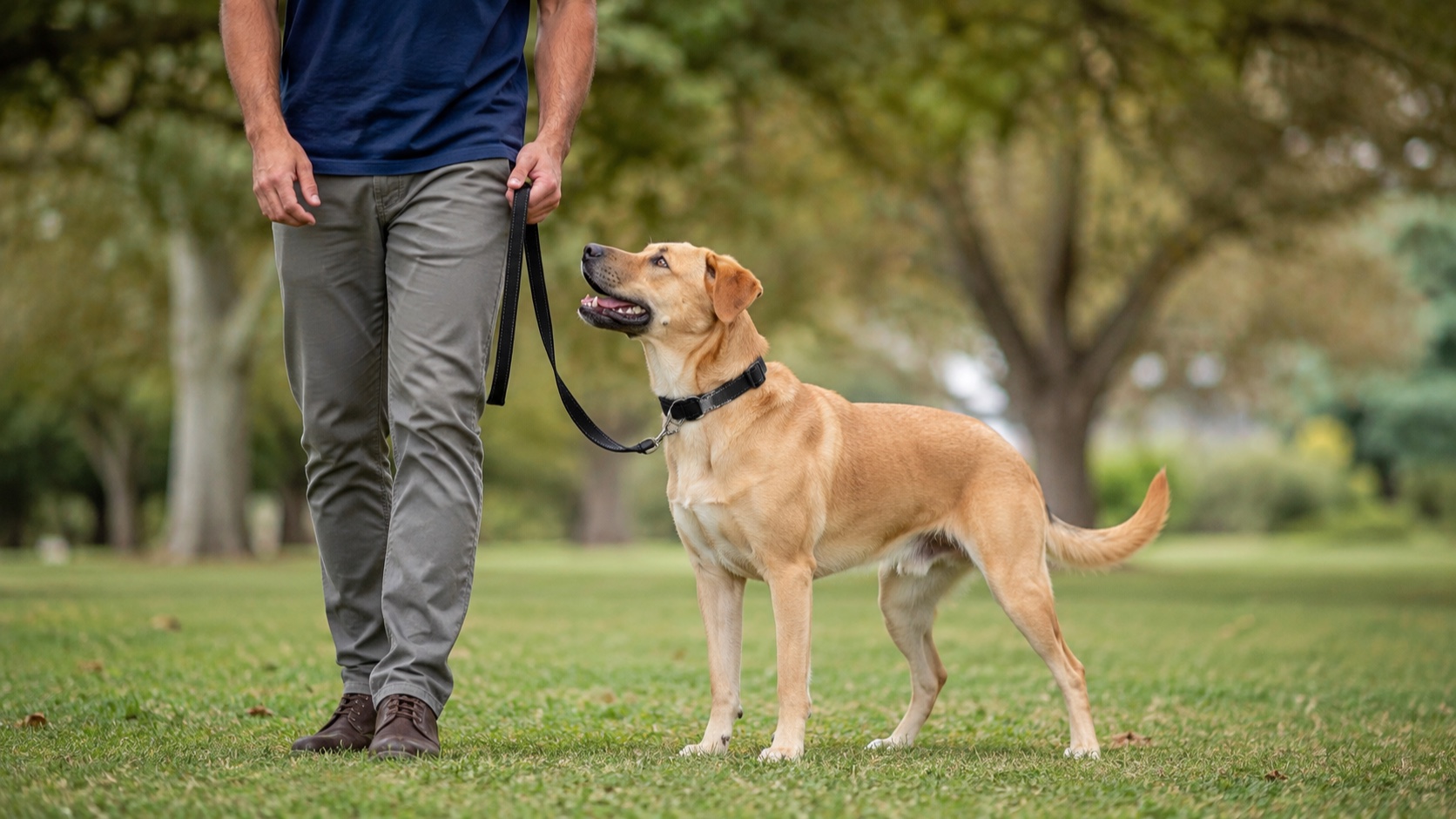

The best dog training collar is the neck tool that matches the job you named — a tone-and-vibe remote with no static mode for a first radio (WOLFWILL $50), a spray bark collar after a clinic rules out cough (PetSafe $70), a 21-step field remote when a trainer already named off-leash work (SportDOG $160), a 100-step fine-grain remote when that trainer wants smaller blips (Educator $190), or a 10-step combo with BarkLimiter and lights when you will pay the ceiling (Garmin $230) — not a shock-first default and not a $50 “training collar” you guessed from a photo. We read current Amazon listing titles and descriptions and scored 5 named SKUs. Listed snapshots ran $50–$230 (median $160, a 4.60× spread). 2 of 5 (40%) sit under $100. 3 of 5 (60%) are static-capable remotes. 1 of 5 (20%) is shock-free remote class. 1 of 5 (20%) is spray-bark class. 0 of 5 is a flat ID collar. 0 of 5 is a martingale. 0 of 5 is a harness. 0 of 5 is a shock trial we ran.
Desk pick: No-static first radio → WOLFWILL $50. Bark-while-you-are-out, after a vet check → PetSafe $70. Field adult with a professional already in the loop → SportDOG $160 (coarser steps, expand story) or Educator $190 (100 levels, lock-and-set). Lights plus BarkLimiter in one box → Garmin $230. Walk pull → leave this page and use a front-clip harness plus a loose-leash plan. Puppy ID → a flat collar, not these five cards.
Buy the job, then fit you taped, then tone or vibration first on any remote that has them. A half-mile range sentence does not teach recall. Contact points on a ruff pillow do not teach anything except sores.
Our guides are reader-supported. This article may contain affiliate links. As an Amazon Associate we may earn a commission if you buy through links, at no extra cost to you.
Related: clickers, harness for pulling, how to stop pulling, harness vs collar for puppies.
Quick picks at a glance
- Best listed no-static remote: WOLFWILL No-Shock Vibration — $50. Tone, vibe, light. Printed 22–88 lb story on many pages. Not a field static tool.
- Best listed bark-only: PetSafe Spray Bark Collar — $70. Auto citronella or unscented. Cartridges. Not recall.
- Best listed mid field remote: SportDOG FieldTrainer 425X — $160. 21 static steps, tone, vibe, DryTek water story. ~500-yard class.
- Best listed fine-grain remote: Educator ET-300 Mini — $190. 100 levels, lock-and-set, boost dial, floating remote.
- Best listed combo ceiling: Garmin Sport PRO Bundle — $230. 10 levels, BarkLimiter, LED beacons. Not GPS tracking.
What current Amazon listings show (Collar Job)
| Job | What actually works | Listing class on this URL | Fails if you skip the real job |
|---|---|---|---|
| First radio, no static | Tone / vibe / light remote | WOLFWILL $50 | Fail — Educator as a “starter shock” |
| Apartment bark when you are out | Spray or limiter after medical rule-out | PetSafe $70; Garmin limiter | Fail — static remote for a cough |
| Adult recall with a pro | Remote, tone first, static only if named | SportDOG $160; Educator $190; Garmin $230 | Fail — radio without a long line |
| Night locate in a field | Beacon lights, not a map | Garmin $230 | Fail — treating Sport PRO as Alpha GPS |
| Walk pull / puppy ID | Harness or flat collar | Not on these five cards | Fail — buying any of these five for a leash jerk |
| Collar (this URL) | Listed price | Mode story | Desk role |
|---|---|---|---|
| WOLFWILL No-Shock Vibration | $50 | Tone, vibe, light — no static on the card | Shock-free remote |
| PetSafe Spray Bark | $70 | Auto spray | Bark-specific |
| SportDOG FieldTrainer 425X | $160 | 21 static + tone + vibe | Mid field remote |
| Educator ET-300 Mini | $190 | 100 static + tone + vibe | Fine-grain remote |
| Garmin Sport PRO Bundle | $230 | 10 static + BarkLimiter + lights | Premium combo |
What the best dog training collar can and cannot do
It can carry ID (not these five). It can spray a citronella burst when a detector fires. It can send a tone, a vibration, or a static blip to a receiver on a neck. It cannot teach a sit you never paid. It cannot replace a 15–30 ft long line. It cannot diagnose a collapsing trachea, a medical cough, or fear aggression.
Front-clip harnesses steer. Remotes cue at a distance. Spray collars interrupt a bark detector. Those are three objects. This URL’s cards are the second and third. The first lives on the harness pages.
We compared manufacturer specifications — mode lists, printed ranges, water language, neck or weight bands — against the five live cards. Recurring owner themes (sores, habituation, dead remotes) are themes, not our trial.
Disclosure: this article contains affiliate links. If you buy through them we may earn a commission at no extra cost to you.
How the desk scored the best dog training collar
this comparison uses four visible signals plus the listed sticker:
- Mode map. No-static vs static-capable vs spray-only.
- Job honesty. Recall remote vs bark collar vs combo box.
- Fit language. Printed neck or weight band vs “one size” silence.
- Water / range story. Cited as listing text, not a pond trial.
Price is not a welfare grade. A $50 WOLFWILL you charged as information beats a $230 Garmin in a child’s backpack.
Why the best dog training collar is a job, not a voltage
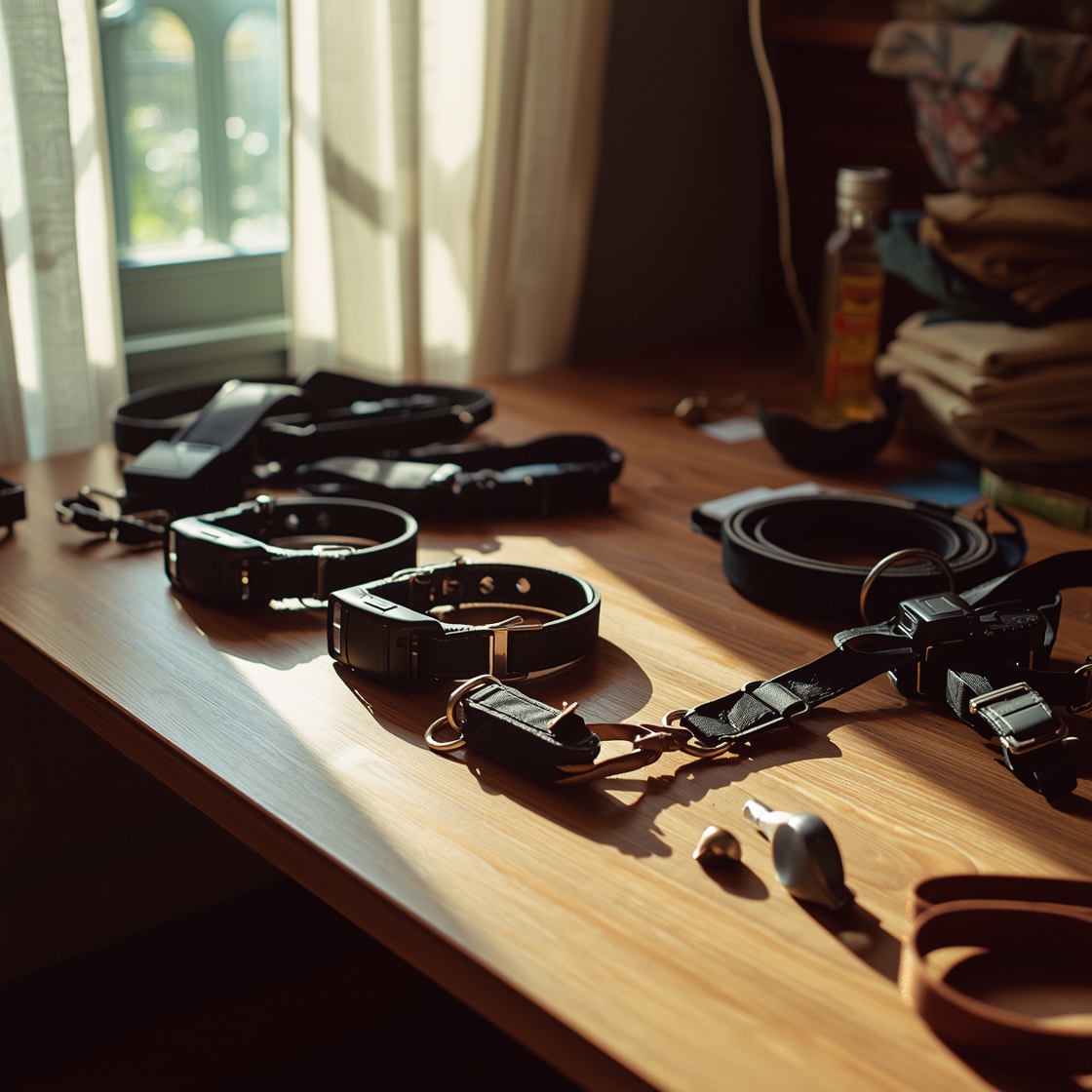
The five cards on this URL are remotes and one spray. They are not a complete collar aisle. Name the job:
- ID and tags. Flat nylon. Two-finger rule. Not on this card set.
- Limited-slip for sighthounds / escape artists. Martingale. Not on this card set.
- Walk pulling. Front-clip harness and a plan. Not an e-collar day-one.
- Off-leash recall in a trained adult. Remote with tone/vibe first, static only if a professional is in the loop.
- Nuisance bark when you are not there. Spray or vibe bark collar — still not a diagnosis. Medical coughs exist.
AVSAB is the welfare rail. Range in miles is marketing. Contact points on the wrong neck are sores.
The 5 cards on this URL
1. Educator ET-300 Mini E-Collar Remote Dog Training Collar
Best for: an adult dog on a professional plan that wants many small steps instead of five big ones.
Listed $190. Educator’s pitch is 100 stimulation levels, tone, vibration, lock-and-set, a boost dial, about a half-mile remote, waterproof receiver, floating remote, night light. That is a lot of menu.
Check Educator ET-300 listings →
2. SportDOG FieldTrainer 425X Remote Trainer
Best for: a mid-price field remote with 21 static steps and a 3-dog expand story.
Listed $160. SportDOG’s DryTek line claims submersion to 25 feet. 500-yard class range. Two-hour charge language on many pages. Add-A-Dog collars for multi-dog. Fewer steps than Educator.
Honest drawback: not a mile. Not a bark-only tool. Still a static-capable remote.
Check SportDOG 425X listings →
3. WOLFWILL No-Shock Vibration Dog Training Collar with Remote
Best for: a remote that stays on tone, vibration, and light — no static mode on the card.
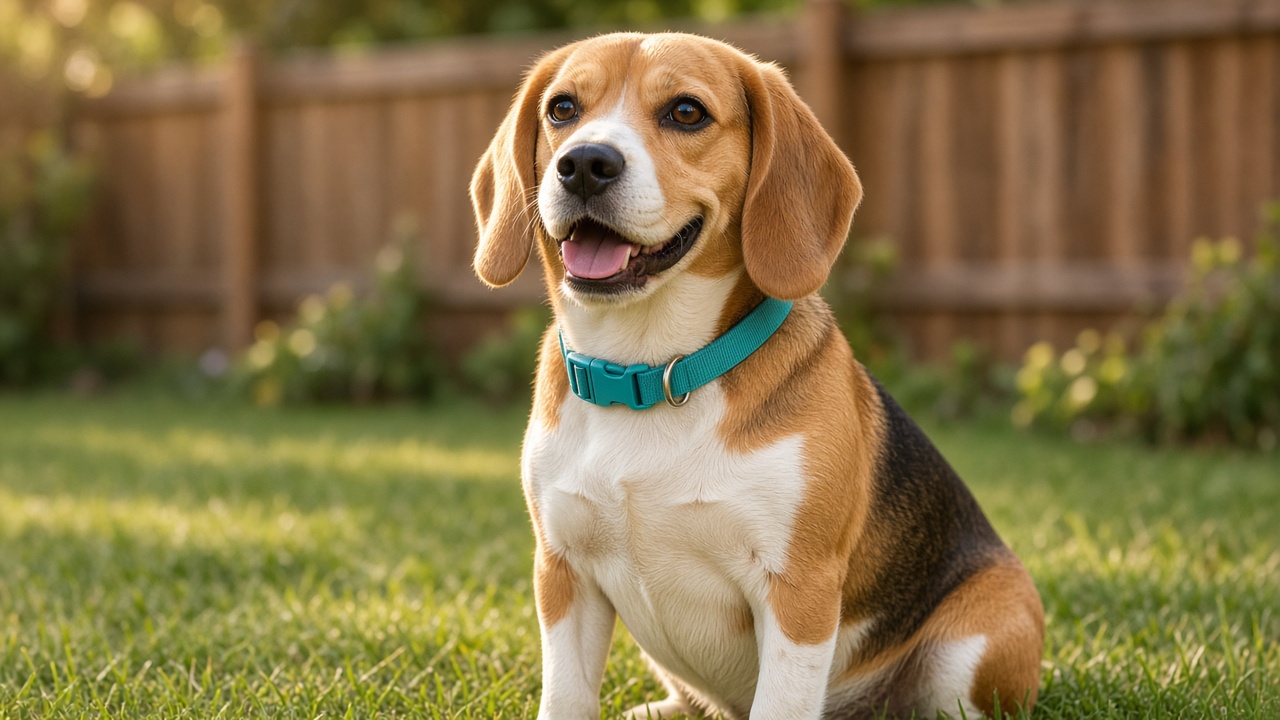
Listed $50. Lowest sticker. IPX7 receiver, rechargeable, blind buttons, a printed weight band on many pages around 22–88 lb. Vibration can still stress a panicked dog. Deaf dogs sometimes use vibe as a tap. High-drive ignores may treat it as a fly.
Honest drawback: may be too subtle; check today’s size line. Not for the largest breeds if you believe that weight band. Not a field static tool.
4. PetSafe Spray Bark Collar (PBC00-16368)
Best for: automatic citronella or unscented spray when the job is bark-while-you’re-out — not recall.
Listed $70. PetSafe’s bark collar uses sound-plus-vibration detection on many spec sheets, ships citronella and unscented cartridges (~35 sprays each on common copy), and pauses after a burst of barks (often described as 15 barks then a three-minute rest). Rechargeable. Dogs 8 lb up, necks to 27 inches on common copy. Follow this insert.
Honest drawback: consumable cartridges; some dogs habituate; medical coughs still need a vet. Not an off-leash trainer.
Check PetSafe spray listings →
5. Garmin Sport PRO Bundle Dog Training Collar and Handheld
Best for: a premium remote that also markets BarkLimiter and LED beacons — not a GPS tracker.
Listed $230. Highest sticker. Garmin’s Sport PRO lists about 3/4-mile range, 10 stimulation levels, tone and vibration, continuous and momentary, up to three dogs, BarkLimiter with AutoRise, remote LED lights, floating handheld. Beacon lights are locate-me, not Alpha/Astro live tracking.
Honest drawback: cost; 10 steps not 100; still static-capable. Easy to treat as GPS when it is not.
Check Garmin Sport PRO listings →
Mode / range / water
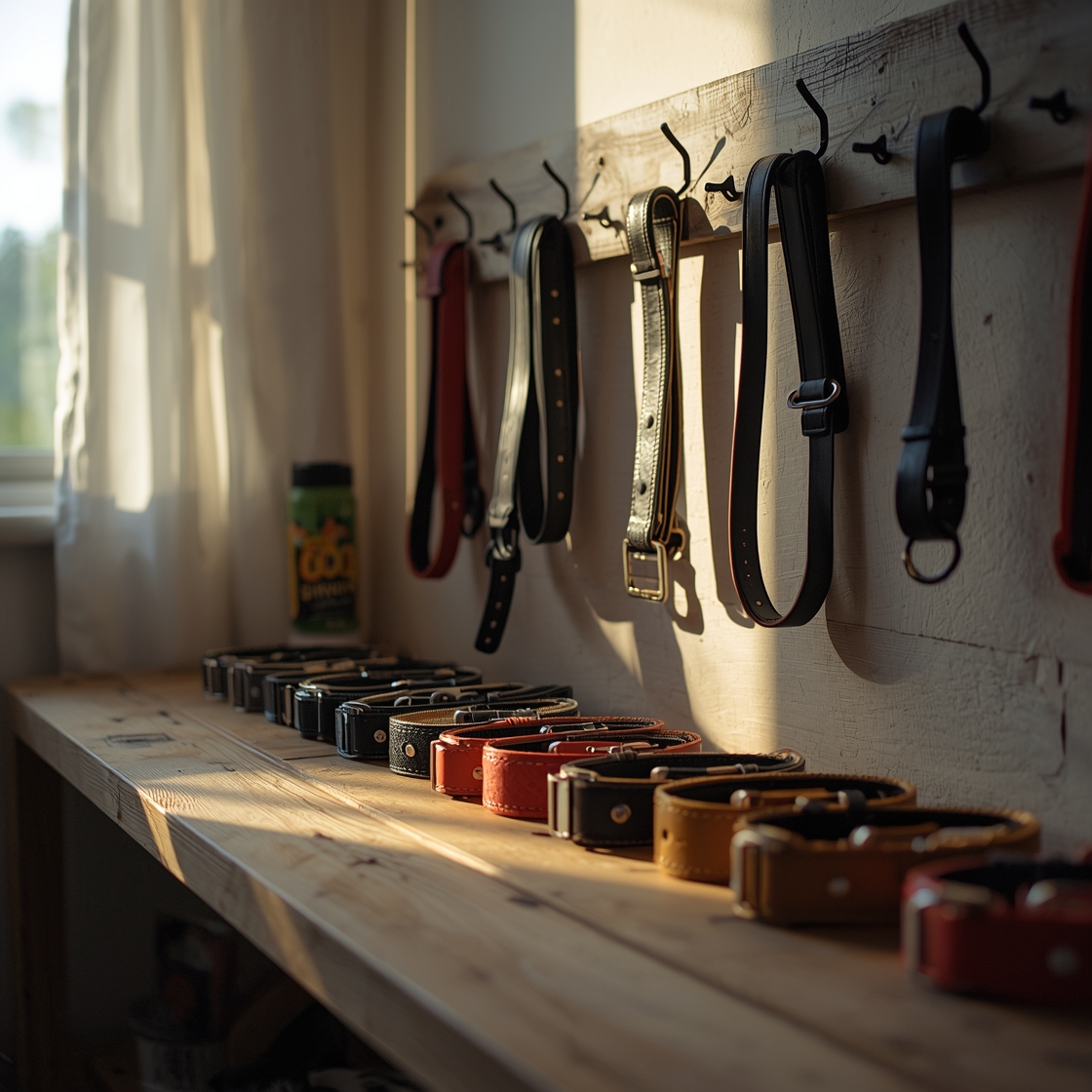
| Collar | Modes (maker story) | Range class | Water story | Card price |
|---|---|---|---|---|
| WOLFWILL | Tone, vibe, light | ~1,980 ft | IPX7 receiver | $50 |
| PetSafe spray | Auto spray | On-neck | Water-resistant | $70 |
| SportDOG 425X | 21 static + tone/vibe | ~500 yd | DryTek to 25 ft | $160 |
| Educator ET-300 | 100 static + tone/vibe | ~1/2 mile | Submersible / floating remote | $190 |
| Garmin Sport PRO | 10 static + BarkLimiter | ~3/4 mile | Floating handheld | $230 |
Desk kit math: WOLFWILL $50 + a $12 long line ≈ $62 — still under PetSafe $70, and you kept a line for the yard. PetSafe $70 + two refill cartridges is a subscription in disguise. SportDOG $160 is the mid field increment. Educator $190 is the menu increment (100 vs 21 steps). Garmin $230 is a class change (limiter + lights), not a “better Educator.” Two remotes do not equal one trained recall.
Fit check for the best dog training collar
| Check | Pass | Fail |
|---|---|---|
| Neck measure | Tape at the sit spot | Guess from a photo |
| Contact | Points on skin | Riding on a ruff pillow |
| Finger rule | 1–2 fingers | Digging in or spinning |
| Skin | Check daily | Ignore red dots |
| Time on | Training blocks | 24/7 “just in case” |
| Remote | Adult-only drawer | Coffee table |
Replace cracked straps. Salt and UV win eventually. Matching bald spots under the boxes are the classic pressure-sore pattern. Off for days. Saline. Veterinarian if raw. Refit. Longer points for a coat, shorter for a thin neck — follow the maker, not a forum.
How to choose the best dog training collar without a shock-first default
- Write the job. Walk pull ≠ bark ≠ recall.
- Fit. Snug, one-to-two fingers, contact points on skin. Check the neck daily.
- Lead with tone or vibration on any remote that has them.
- Lowest effective anything. If you are climbing levels weekly, the plan is wrong, not the dog.
- Time-limit wear. Collars that sit 16 hours cause pressure sores. Rotate. Off for crate naps unless a veterinarian said otherwise.
- Kids and remotes. Lock them up. A toddler with an Educator is a welfare incident.
- Puppies and fear-aggressive dogs. Skip static. Get a professional. See puppy harness vs collar.
We compared the five cards already on this URL.
Prong and choke — why they are not on the cards
The live aisle still names prong and slip collars. This URL’s cards do not include them. We will not add them as picks. Trachea load on a flat-faced dog is a harness conversation. If a trainer hands you a prong, that is their protocol, not this desk’s ranking.
Goal worksheet
| Goal | First tool | These cards? |
|---|---|---|
| Loose leash | Front-clip harness, 4–6 ft leash | No — see pulling |
| Puppy ID | Flat collar | No |
| Escape artist | Martingale + secure yard | No |
| Adult recall with a pro | Remote, tone first | Educator, SportDOG, Garmin |
| No static | Vibration remote | WOLFWILL |
| Alone barking | Rule out medical; then spray/vibe | PetSafe |
| Night locate | Beacon, not GPS | Garmin lights |
Worked example: three dogs, three kits
Dog A — 35 lb terrier mix, apartment bark when the elevator dings. Clinic first if the bark is new. Then PetSafe $70 with unscented cartridges if a roommate vetoes citronella. Not Garmin. Not Educator. If the dog is left 10 hours in a panic, buy a separation plan, not a second spray.
Dog B — 55 lb deaf cattle-dog mix, first radio, no static. WOLFWILL $50. Charge the vibe like a clicker: buzz, treat, rest. Then a known sit. Not SportDOG “because hunting catalogs exist.”
Dog C — 70 lb Lab, weekend field, trainer already named a remote. SportDOG $160 if you want expand-a-dog and coarser steps. Educator $190 if the trainer wants 100 blips. Garmin $230 only if you also want BarkLimiter and lights in one box. Keep the long line. Charge on a weekday night.
Long lines before remotes
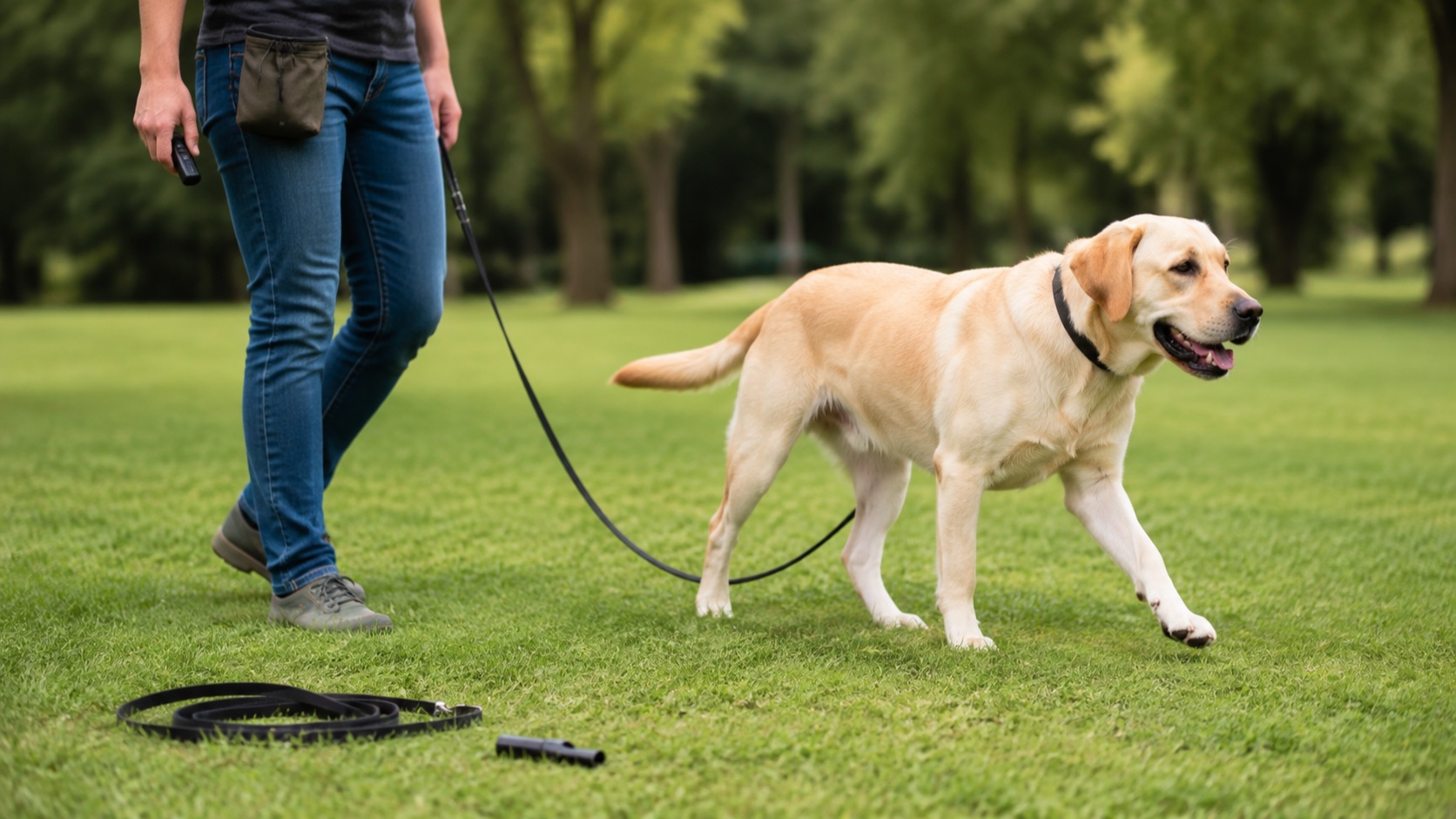
A 15–30 ft line teaches distance without radio. Most “I need an e-collar” stories are “I skipped the line.” Practice recall on the line until it is boring. Then decide if a remote is even the next object. Retractable leashes teach lunging. They are not a training collar.
A first remote session, if a professional already named the job: collar on for twenty minutes in the house with food happening so the hardware is boring. Then charge the tone or vibe as information. Then a known sit. Then the yard on a line. You do not start at a park with squirrels and a boost dial. You do not hand the remote to a teenager. You do not wear the collar to bed.
Skin, ears, and 24/7 wear
Contact dermatitis looks like two matching bald spots. That is an off-collar week, not a higher level. Ears are not the contact points — the neck is. If the dog shakes constantly after you put it on, the fit or the meaning is wrong.
Keep a skin log: date, hours worn, contact-point look (clear / pink / raw), mode used, highest level if any, notes on body language. Two pink days is an off week. Raw is a veterinarian. Memory will tell you the neck was “fine.”
Waterproofing vs swimming with a live remote
DryTek and IPX7 are receiver stories. A floating handheld is so you do not donate $190 to the pond. Water does not make static kinder. A wet neck plus tight contacts is a sore factory. Dry and check skin after a swim day. Rinse contacts after beach or winter salt.
BarkLimiter vs a dedicated spray collar
Garmin folds bark limiting into a remote. PetSafe is bark-only spray. If the job is apartment barking and you do not want a static-capable handheld in the house, PetSafe is the narrower tool. If you already bought Garmin for field work, do not also stack a spray unless a professional said to. Two bark systems is how you confuse a dog and a roommate.
Citronella in a studio is a human problem too. Unscented cartridges exist for a reason. Asthma plus citronella is a household veto, not a dog failing the product. Neighbors still hear the bark the spray did not stop.
Deaf dogs and vibration
A vibe can be a tap that means “look.” Charge it like a clicker. Do not vibe-spam a startled deaf dog. WOLFWILL is the no-static card for that conversation. It is still possible to nag. Vibration on a noise-sensitive or tactile-sensitive dog is still a startle. Shock-free does not mean a toy.
Multi-dog remotes
Educator, SportDOG, and Garmin sell expand stories. Color-code. Do not share one collar across two necks without washing and refit. Stimulation that was “low” on a 40 lb dog is not a setting you copy onto a 90 lb dog by vibe.
What “100 levels” buys you
Educator’s 100 steps are a menu. More steps only help if you actually hunt for the lowest blip. People who jump to 40 because “he’s stubborn” own a fear machine. Fewer steps (Garmin 10, SportDOG 21) can still be enough if the plan is good — or too coarse if you are guessing.
Dual-mode confusion: a dog who hears a tone that sometimes means treat (clicker class) and sometimes means “static is next” will sort that out slowly or not at all. Pick meanings. Write them.
Neck anatomy and brachycephalic dogs
Short-nosed dogs already lose at thermoregulation. A tight e-collar plus heat is a stacking problem. Prefer harness walks. See the bulldog toy airway notes for the same anatomy. Static on a collapsing airway is a clinic conversation.
Hunting, city parks, HOA, hotels
SportDOG and Garmin live in hunting catalogs. This desk is not a hunt test. If you run a pet Lab in a city park, a half-mile remote is usually ego. A long line is cheaper. A remote in a crowded park is a social problem. Other dogs do not know your cue.
Some regions restrict shock collars. Some HOAs ban bark collars that spray in hallways. Some hotels ban corridor spray. We are not your lawyer. Ask. A citronella cloud in a hallway is how you meet the manager.
Cost of ownership for the best dog training collar
$50 WOLFWILL is the remote floor — no cartridges. $70 PetSafe plus sprays is a refill loop. $160–$230 field units want charging discipline and a spare strap. A clicker is a few dollars and teaches the sit.
A used e-collar with a dead remote pairing is a brick. Buy new or maker-refurb if you need support. $50 WOLFWILL dead on arrival is an afternoon. $230 Garmin dead is a week.
A field remote with a 10% battery is how people “test” a higher level because the first beep was weak. Charge on a schedule. A dead Educator in a real recall is a long-line problem you should have kept.
Third-party nylon straps are fine if the buckle holds and the boxes sit in the same place. Cheap straps that stretch put contacts on the wrong patch of neck.
When the best dog training collar is a harness
Pulling, puppy necks, collapsing tracheas, and most city walks. Link out and leave the remote in the drawer. This URL’s cards will still be here if a professional later names a remote job.
“He only listens when it is on” means the behavior was never taught. The collar is a crutch. Go back to the long line and the clicker.
How to choose the best dog training collar this month
- Write the job.
- Tape the neck.
- Pick the class (no-static / spray / field remote / combo).
- Read that insert for fit.
- Charge tone or vibe as information before any static.
- Log skin. Stop if pink, raw, or shutdown.
The best dog training collar on this URL is the lowest-aversive tool that fits the job you actually have.
What is the best dog training collar?
On this URL, the best dog training collar is the tool that matches the job: WOLFWILL $50 when you want tone/vibe/light and no static on the card, PetSafe $70 when the job is bark-while-you-are-out after a medical rule-out, SportDOG $160 when a trainer named a mid field remote, Educator $190 when that trainer wants 100 steps, Garmin $230 when you want BarkLimiter and lights in one box — and not any of these five for a puppy ID collar or a walk-pull. That is a job map, not a medal table.
How do you fit the best dog training collar?
Tape the neck at the sit spot. Open that brand’s chart. WOLFWILL’s common copy is 22–88 lb. PetSafe spray’s common copy is 8 lb+ and necks to 27 in. Remotes still need a tape. One to two fingers. Points on skin. Twenty minutes in the house with no button before you invent a session. Daily skin check.
Frequently Asked Questions
Is an e-collar the best dog training collar for every dog?
No. Puppies, fearful dogs, and most walk-pullers want a different object. Consult a certified professional before static.
Are shock collars humane?
AVSAB prefers reward-based methods first. Static can be misused in one session. Tone and vibration still stress some dogs. This desk will not certify humane.
Can a collar replace training?
No. It is a cue channel. Teach the behavior. Then maybe reinforce at a distance.
What size do these five fit?
WOLFWILL: common copy 22–88 lb. PetSafe spray: 8 lb+, neck to 27 in. Educator, SportDOG, Garmin: measure anyway. A photo is not a size.
How fast will behavior change?
If you are escalating weekly, stop and get help. “Two weeks” is not a protocol we timed.
What if the dog ignores or panics?
Check fit. Drop to tone. End the session. Panic means the tool is wrong. After a yelp, freeze, or hide: off, treats in another room, notes for the professional. A “he’ll get used to it” week is how you buy a fear of the neck.
Do I need Garmin if I want GPS?
No. Sport PRO beacons are lights. GPS is a different Garmin family.
Can I use these on a puppy?
Skip static. Skip most remotes. See puppy harness vs collar.
What about bark collars and roommates?
False triggers happen. Dual detection helps. A dog barking because it is left in a panic needs a separation plan, not more spray.
Does the best dog training collar replace a clicker?
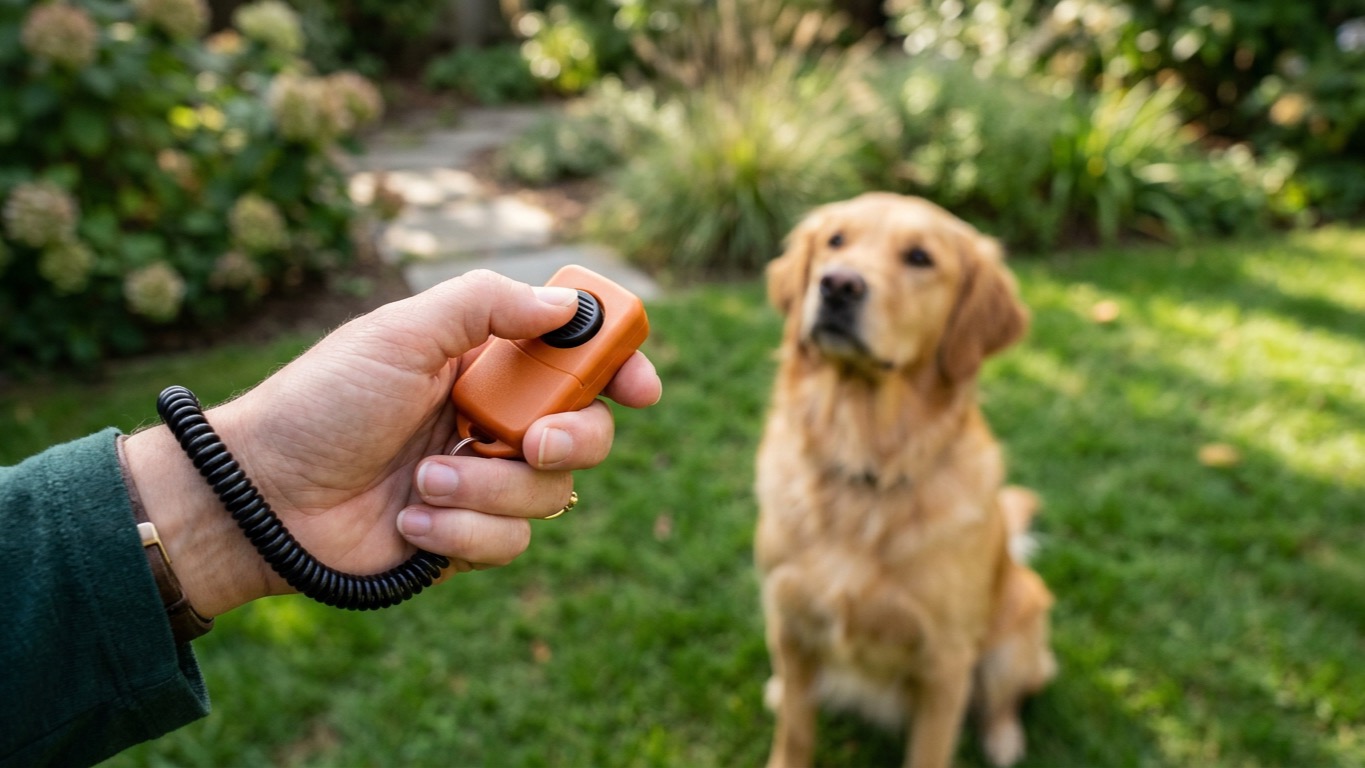
No. A clicker marks. A remote cues at a distance. heouvo-style clicker kits live on the treat pouch page. Do not poison a beep by using the same tone as a static warning.
Related pages
- Best dog training clickers
- Best dog harness for pulling
- How to stop a dog from pulling on leash
- Dog harness vs collar for puppies
- Best dog toys for separation anxiety
- Best dog treat pouch for training
How we researched this guide
Desk research. We read current Amazon listing titles and descriptions and scored five current listings on listed price, mode map, job fit, and printed size or water language. We read maker spec pages and AVSAB position statements. Nothing here is trainer or veterinary certification.
Limitations: listings clone; prices move; neck charts differ by brand. Pain, collapse, raw skin, or a dog that shuts down is a professional — not a fourth Amazon remote.
A 22 lb terrier and a 90 lb field Lab are not the same category row. The terrier may fit WOLFWILL’s printed band. The Lab may need a different receiver and a trainer who already knows this dog.
If the household’s real complaint is a dislocated shoulder on the human end, the collar is the wrong aisle. See the pulling-harness page.
Night walks: Garmin’s lights are locate-me, not a headlamp for you.
Charge equipment on a weekday night, not at the trailhead. A dead remote plus a real recall need is a long-line story you should have kept in the bag anyway. The line does not need a battery.
Last reviewed: August 2026. The live cards stay as listed. Prices move.