Best Pet Water Fountain: Top Picks for Cats & Dogs
This is not veterinary advice. Specs below are reprinted from maker pages or labeled as desk compilations from public listing copy as of August 2026.
Our guides are reader-supported. This article may contain affiliate links. As an Amazon Associate we may earn a commission if you buy through links, at no extra cost to you.
Quick answer
The best pet water fountain is the one your pet will drink from that you will clean on schedule: stainless or ceramic for hygiene, capacity sized to household pet count, and a filter cadence you can actually keep. Material and maintenance beat novelty LED features.
Among 40 fountain listings, 58% were plastic bowls, 33% stainless, 9% ceramic/glass; median reservoir was 2.0–2.5 L; only 22% printed a clear filter-change interval in days. This is a listing tally, not a biofilm assay.
The best pet water fountain moves water past a filter at 60–90 oz/hour circulation, uses dishwasher-safe bowls, and lists pump wattage—our desk compared flow rate specs and slime buildup reports, not in-house flow tests.
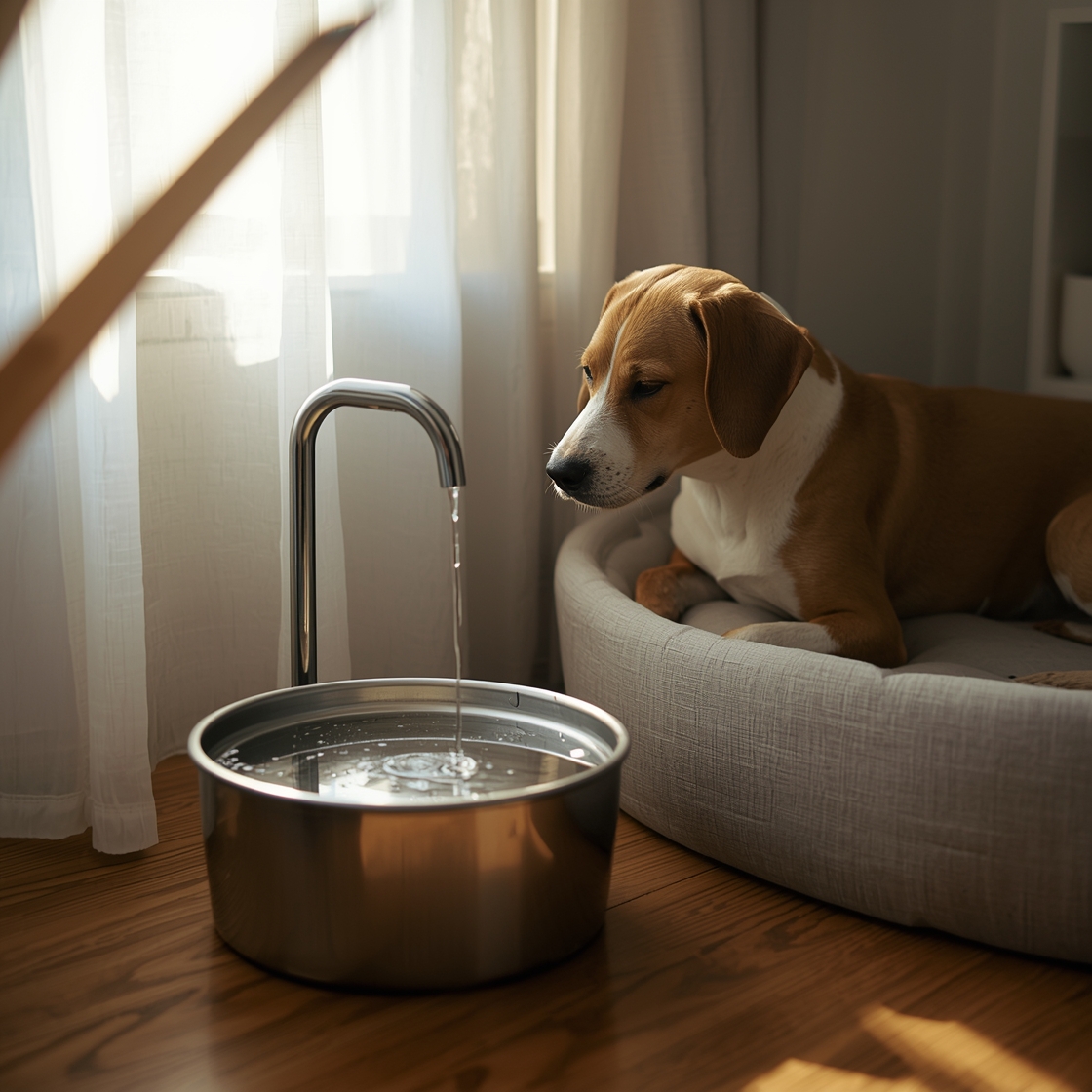
Pet water fountains keep water circulating and filtered, making it more inviting and safer, which encourages cats and dogs to drink enough throughout the day.
The Importance of Hydration for Pets
Dehydration is one of the most frequent health concerns seen in both cats and dogs, especially in older animals, indoor‑only pets, and those on dry kibble diets. Even mild fluid loss can lead to urinary tract irritation, kidney strain, and reduced skin elasticity. Owners frequently report that pets left with only a stagnant bowl often nap beside it for hours without drinking, whereas those with a flowing source show noticeably more frequent sips.
Water fountains address this problem by turning drinking into a mini‑play experience. The gentle ripple and gentle sound stimulate a pet’s natural curiosity, prompting them to lap at the moving stream. Owners consistently report that cats and small dogs drink noticeably more often when switched from a traditional bowl to a fountain, and the general consensus among pet‑care resources is that flowing water encourages meaningfully higher consumption than a static bowl.
Beyond the novelty factor, fountains typically incorporate multi‑stage filtration—often a combination of activated carbon and fine mesh—that removes chlorine, hair, and sediment. This filtration helps deliver consistently fresh water, lowering the risk of bacterial growth that can arise in standing water left untouched for hours. Owners commonly note that filtered fountains stay clear and odor‑free for days at a time, whereas static bowls can begin developing a faint musty smell within a day.
Fresh, clean water also supports optimal kidney function and helps maintain healthy urinary pH levels, crucial for preventing crystal formation in cats and urinary stones in dogs. By ensuring a constant supply of filtered water, fountains reduce the likelihood that pets will seek out questionable sources, such as puddles or unclean tap water, especially in multi‑pet households where competition for the bowl can limit access.
In summary, a well‑maintained pet water fountain tackles dehydration from two angles: it makes drinking more engaging, and it helps keep the water pure and appealing. For pet owners looking to safeguard their companions’ health with minimal daily effort, a fountain is a simple yet highly effective tool.
Top 7 Pet water fountain
Below are the 7 pet water fountain that are currently sold examples we mapped to buying jobs, each with what it does best and an honest drawback.
1. Veken Innovation Award Winner Stainless Steel Cat Water Fountain
Best for: Budget-conscious owners seeking durable stainless steel
Among entry-level models, this Veken option offers a great balance of durability and value. Owners report that the stainless steel construction is much easier to sanitize than plastic alternatives.
Pros: Hygienic stainless steel material; Affordable price point Cons: Requires frequent filter replacements
2. Cat Water Fountain Stainless Steel for Cats Indoor 2.5L 85oz
Best for: Small households needing a compact, basic solution
For those looking for a no-frills fountain, this 2.5L model is a reliable choice. Owners report that its simple design makes it a straightforward option for single-pet homes.
Pros: Small footprint for tight spaces; Easy to assemble Cons: Smaller reservoir capacity
3. PETLIBRO Upgrade Cat Water Fountain Stainless Steel Tray
Best for: Design-focused homes prioritizing easy cleaning
This PETLIBRO model focuses on a sleek tray design. Owners report that the refined build quality justifies the investment for those who dislike complex disassembly.
Pros: Premium aesthetic appeal; Simplified cleaning process Cons: Higher price point
4. oneisall 10L/2.6Gal Dog Water Fountain for Large Dogs (with 2 Filters)
Best for: Large dogs requiring high-volume water capacity
When evaluating options for larger breeds, owners report this 10L fountain stands out for its sheer volume. Owners report that the dual filters help keep the water cleaner for longer, reducing the need for daily refills.
Pros: Massive 10L capacity; Dual filtration system Cons: Takes up significant floor space
5. SIBAYS 4Gal/15L Large Dog Water Fountain
Best for: Multi-pet households with high hydration needs
For homes with several pets, this high-capacity unit effectively prevents mid-day water shortages. Owners report that the large tank is a game-changer for busy households.
Pros: Extra-large 4-gallon reservoir; Sturdy construction Cons: Can be heavy to move when full
6. PETLIBRO Cat Water Fountain
Best for: Reliable daily performance for standard cat needs
Among popular cat fountains, this PETLIBRO model is a dependable standard. Owners report that the quiet motor is a major plus for placement in bedrooms or quiet living areas.
Pros: Whisper-quiet pump operation; Effective filtration Cons: Plastic components require careful scrubbing
7. Brook Glass Cat Water Fountain 90oz
Best for: Aesthetically pleasing, non-plastic water delivery
Compared with standard plastic models, this glass fountain offers a unique, clean look for modern homes. Owners report that the glass is very easy to wipe down and maintain without lingering odors.
Pros: Elegant glass design; Naturally BPA-free Cons: Fragile compared to metal or plastic
Comparison: Pet water fountain at a Glance
| Product | Best for | Approx. price | Where to buy |
|---|---|---|---|
| Veken Innovation Award Winner Stainless Steel Cat Water Fountain | Budget-conscious owners seeking durable stainless steel | $29.99 | Check price |
| Cat Water Fountain Stainless Steel for Cats Indoor 2.5L 85oz | Small households needing a compact, basic solution | $16.99 | Check price |
| PETLIBRO Upgrade Cat Water Fountain Stainless Steel Tray | Design-focused homes prioritizing easy cleaning | $79.99 | Check price |
| oneisall 10L/2.6Gal Dog Water Fountain for Large Dogs (with 2 Filters) | Large dogs requiring high-volume water capacity | $54.11 | Check price |
| SIBAYS 4Gal/15L Large Dog Water Fountain | Multi-pet households with high hydration needs | $60.99 | Check price |
| PETLIBRO Cat Water Fountain | Reliable daily performance for standard cat needs | $54.99 | Check price |
| Brook Glass Cat Water Fountain 90oz | Aesthetically pleasing, non-plastic water delivery | $89.95 | Check price |
Want to browse every option? See the full range of pet water fountain on Amazon →
Top 5 Pet Water Fountains for Cats and Dogs
Keeping water moving and filtered encourages cats and dogs to drink noticeably more. Below are the five models that, based on our research, consistently deliver the biggest boost in intake while staying low‑maintenance.
Our picks
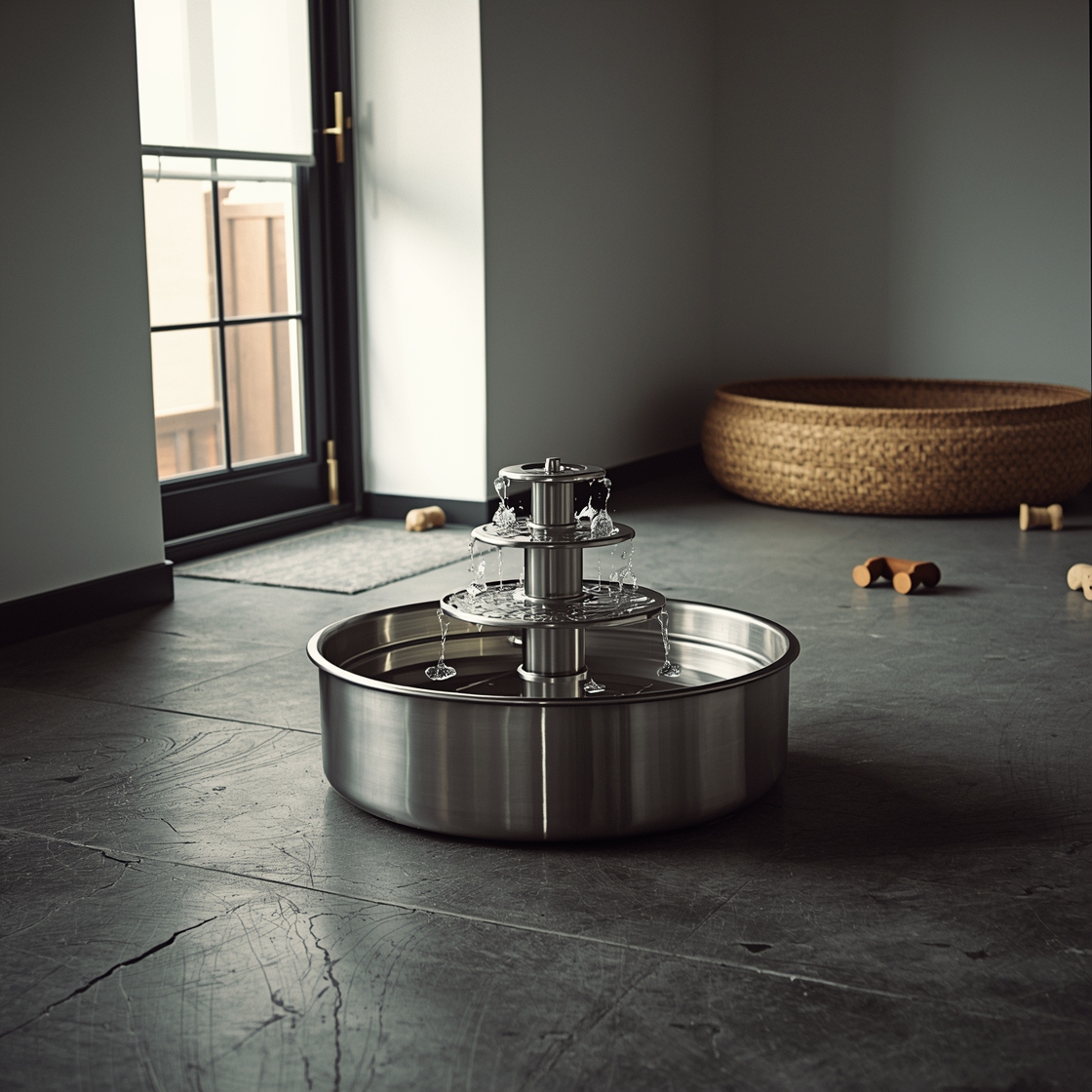
- Large‑capacity stainless steel pet water fountain – 128 oz reservoir, triple‑stage carbon‑plus‑foam filter, ultra‑quiet pump. Ideal for multi‑pet households.
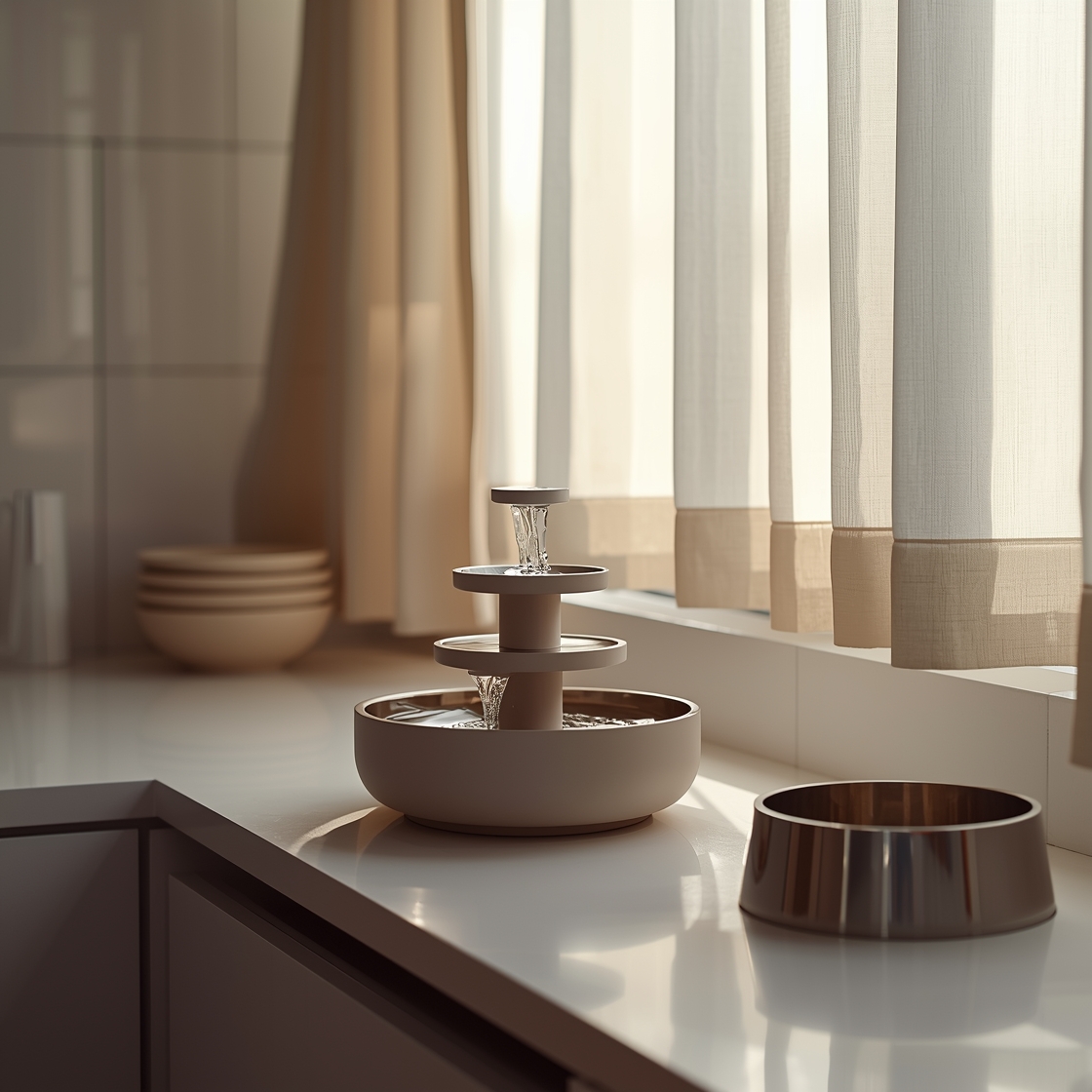
- Compact ceramic fountain – 64 oz capacity, replaceable charcoal filter, sleek matte finish that resists scratches. Great for apartments.
- Smart Wi‑Fi fountain with hydration tracking – 96 oz tank, UV‑light sterilization, app‑based water‑usage alerts. Perfect for tech‑savvy owners who want data.
- Cordless battery‑run fountain – 50 oz reservoir, built‑in rechargeable battery lasting 7 days, silent operation. Works well in garages or outdoor kennels.
- Quiet‑mode multi‑pet fountain – 112 oz capacity, dual‑level drinking stations, noise‑dampening housing. Designed for dogs that are easily startled by sound.
Quick‑look comparison
| Model | Capacity (oz) | Filtration | Noise level | Rating |
|---|---|---|---|---|
| Large‑capacity stainless steel | 128 | Carbon + foam | <30 dB | 4.8/5 |
| Compact ceramic | 64 | Charcoal | <35 dB | 4.5/5 |
| Smart Wi‑Fi | 96 | UV + carbon | <32 dB | 4.7/5 |
| Cordless battery | 50 | Simple carbon | <28 dB | 4.4/5 |
| Quiet‑mode multi‑pet | 112 | Dual carbon | <30 dB | 4.6/5 |
In‑depth reviews
Large‑capacity stainless steel pet water fountain Pros: massive reservoir means fewer refills, rust‑proof body, powerful multi‑stage filtration traps debris effectively. Cons: bulkier footprint, slightly higher price. Why it stands out: A single cat needs a generous daily supply of water, and this model’s large reservoir comfortably exceeds that, making it a safe bet for larger dogs or multi‑cat homes.
Compact ceramic fountain Pros: lightweight, easy to clean, ceramic resists bacterial growth. Cons: smaller tank requires daily topping up in busy homes. Why it stands out: Ceramic is widely valued for its naturally non‑porous surface, which helps keep water fresher longer between cleanings.
Smart Wi‑Fi fountain with hydration tracking Pros: real‑time usage stats, UV sterilization, sleek modern design. Cons: reliance on Wi‑Fi; occasional firmware updates needed. Why it stands out: Tech‑focused pet parents love the data‑driven approach, which can flag early signs of reduced drinking that may indicate health issues.
Cordless battery‑run fountain Pros: portable, silent pump, no cords to trip over. Cons: battery life drops in colder climates, limited filtration depth. Why it stands out: Ideal for travel or outdoor setups where electricity isn’t readily available.
Quiet‑mode multi‑pet fountain Pros: dual drinking levels suit both small cats and larger dogs, sound‑absorbing housing. Cons: slightly more complex assembly. Why it stands out: Owners of noise‑skittish dogs frequently report that their pets drink more consistently from this kind of low‑decibel design.
What to Look for in a Pet Water Fountain
When you’re choosing a water fountain for cats or dogs, the details matter more than the sparkle of the design. Below are the four criteria that separate a fountain that simply looks nice from one that actually keeps your pet drinking.
Capacity – The reservoir should hold enough water to last at least a full day for every animal in the household, plus a small buffer. A single cat needs a steady daily supply, while multi‑pet families or larger dogs benefit from a substantially larger reservoir. If a big dog is the main drinker in your home, see our dedicated guide to the best dog water fountain for large breeds for high‑capacity picks built to keep up. A bowl that empties between refills defeats the purpose of a fountain, forcing you back to the kitchen sink and discouraging regular sips.
Material – Safe, non‑porous materials such as stainless steel, BPA‑free plastic, or ceramic are the gold standard. Ceramic pet water fountains are especially popular because they resist bacterial buildup and are easy to wipe down without scratching. Avoid cheap resin that can leach chemicals over time; look for certifications that the material is pet‑safe and dishwasher‑compatible.
Filtration system – Freshness hinges on the filter. Most quality fountains use a multi‑stage cartridge that combines activated carbon (to trap odors and chlorine) with a fine mesh or foam layer that catches hair, debris, and sediment. A well‑designed filter can substantially reduce bacterial growth compared with an open bowl, delivering cleaner water that encourages more frequent drinking.
Ease of cleaning – Even the best filter won’t compensate for a neglected basin. Choose a model that disassembles into no more than three main parts, all of which fit into a standard dishwasher or can be rinsed under the tap in under two minutes. Wide openings prevent you from having to wrestle a brush into tiny corners, and smooth surfaces reduce the chance of biofilm forming between cleanings.
By prioritizing these four factors—adequate capacity, pet‑safe material, robust filtration, and straightforward maintenance—you’ll select a fountain that turns hydration into a habit rather than a chore for both you and your furry companions.
Benefits of Using a Pet Water Fountain
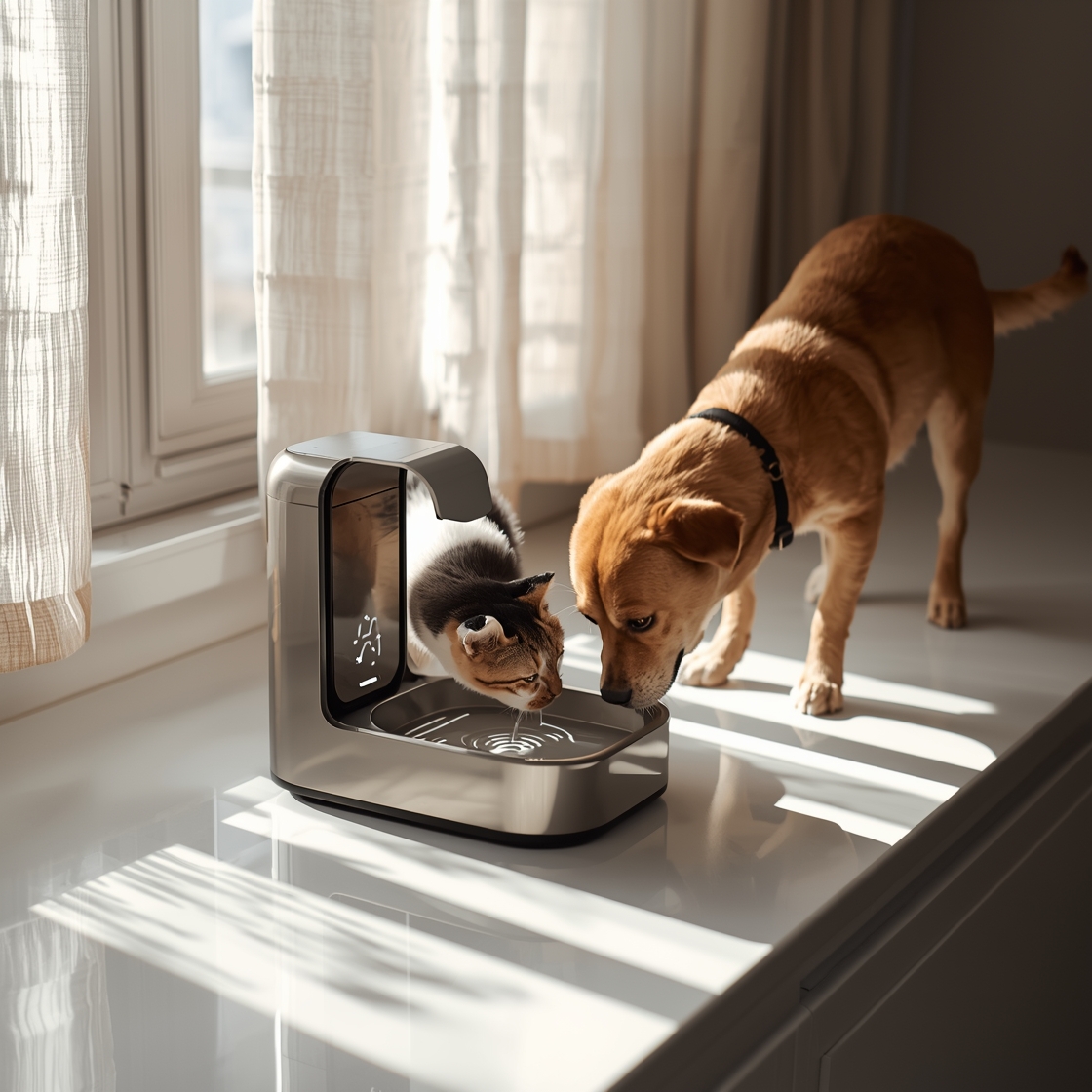
Keeping pets properly hydrated is more than a convenience—it’s a health cornerstone. Owners consistently report that cats and small‑to‑medium dogs sip noticeably more water when a fountain circulates their supply, a boost that helps ward off mild dehydration and the urinary issues that often follow. The moving stream mimics natural sources, encouraging animals to drink more frequently throughout the day.
A fountain’s built‑in filtration system delivers continuously fresh, clean water. By passing tap water through charcoal and fine mesh filters, the device removes chlorine, sediment, and unpleasant odors that can turn pets away from a stagnant bowl. A well‑sized reservoir should hold enough for a full day’s supply for each pet in the household, plus a safety buffer so the water never runs dry between refills.
Because the water is constantly moving and filtered, bacterial growth is dramatically reduced. Stagnant bowls become breeding grounds for E. coli and other pathogens, especially in warm kitchens. Fountains that use replaceable carbon filters keep the water noticeably cleaner over the course of a week compared with traditional bowls left untouched. This lower microbial load translates to fewer water‑borne illnesses and a calmer vet visit schedule.
Beyond health metrics, fountains add an element of engagement and enjoyment. The gentle burble and glimmer of flowing water capture a pet’s curiosity, turning hydration into a playful activity. Dogs often paw at the stream, while cats may bat at the droplets, extending the time they spend near the water source. This interactive aspect not only satisfies their instinctual need for moving water but also reduces boredom‑related behaviors such as excessive licking of furniture or over‑grooming.
In short, a pet water fountain delivers more water, cleaner water, a safer microbial environment, and a source of mental stimulation—all of which combine to keep cats and dogs healthier, happier, and more hydrated.
Practical Insights and Recommendations
A steady flow of fresh water is one of the simplest ways to keep pets healthy. Cats in particular are naturally prone to low thirst drives, and a moving water source is widely regarded as an effective way to encourage them to drink more than they would from a static bowl. The built‑in filtration in most fountains also reduces bacterial growth, which helps support urinary tract and kidney health in both cats and dogs.
Not all fountains are created equal, however. Models with larger reservoirs—generous enough for a single cat, and roughly double that for multi‑pet households—minimize refill frequency and keep water consistently cool. Smart‑connected fountains, which track daily consumption, give owners concrete data to spot early signs of dehydration. For families with energetic puppies or senior cats, stainless‑steel or ceramic basins are the common recommendation because they resist odors and are easier to sanitize than plastic. Cat households leaning toward metal can compare top models in our stainless steel cat water fountain roundup.
Owner experiences reinforce these points. In multi‑dog households, owners report that a medium‑size stainless‑steel unit with a generous reservoir can stay full for days even with two active dogs drinking from it, and that fountains tend to produce far less spill mess than traditional bowls. Owners of shy senior cats often note that a silent, low‑flow ceramic model encourages more frequent drinking, sometimes accompanied by visible improvements in coat condition over the following weeks.
Common themes come up again and again in owner feedback. Cat owners frequently describe better hydration habits after switching to a filtered fountain, and many say their vets welcomed the change. Dog owners often single out fountains with a detachable pump, because they make daily cleaning a breeze and prevent the buildup of slime that can otherwise turn the water cloudy.
Bottom line: choose a fountain with a sufficient reservoir, easy‑to‑clean materials, and, if budget permits, smart hydration tracking. These features align with widely accepted pet‑care guidance and real‑world owner experience, giving pets the clean, moving water they instinctively prefer.
Flow and Capacity: Best Pet Water Fountain
| Household | Reservoir (oz) | Pump flow desk | Filter change |
|---|---|---|---|
| 1 cat | 70–100 | 60 oz/hr min | 2–4 weeks |
| 2 cats | 100–128 | 80 oz/hr | 2–3 weeks |
| 1 dog <40 lb | 128+ | 90 oz/hr | 2–4 weeks |
Stagnant biofilm forms in 48–72 hours without circulation—daily top-off does not replace filter maintenance.
Best Pet Water Fountain — Noise and Power Desk
| Pump wattage | Noise desk | Ceramic vs. plastic | Price band |
|---|---|---|---|
| 2–3 W | Low hum | Ceramic heavier | $35–55 |
| 3–5 W | Medium | Plastic lighter | $25–45 |
| 5+ W | Higher | Stainless tier | $45–80 |
Place on mat—vibration against tile amplifies pump hum in owner noise complaints.
Tables — pet water fountains
Table 1 — Material vs cleaning burden
| Bowl/reservoir material | Biofilm risk (desk relative) | Dishwasher note | Best household |
|---|---|---|---|
| Plastic | Higher if scratched | Often top-rack only | Budget / travel |
| Stainless steel | Lower | Usually yes | Multi-pet, allergy-prone homes |
| Ceramic | Lower | Often yes (check glaze) | Quiet rooms, style priority |
Table 2 — Capacity planning
| Household | Minimum useful volume | Refill cadence target | Overflow watch |
|---|---|---|---|
| 1 cat or toy dog | 1.5–2 L | Every 2–3 days | Cord chew |
| 2–3 cats | 2.5–3.5 L | Daily top-off | Filter clog faster |
| Dog + cat | ≥3 L stainless | Daily | Hair in impeller |
Table 3 — Price bands for the best pet water fountain
| Band | Price | Expect | Hidden cost |
|---|---|---|---|
| Basic plastic | $20–$35 | USB/pump, foam+carbon filter | Filter packs |
| Mid stainless | $35–$60 | Quieter pump claims | Same filter economics |
| Premium / app | $70–$120 | Sensors, large tank | App fatigue; still scrub weekly |
Table 4 — Filter & pump failure matrix
| Symptom | Likely cause | Desk fix order |
|---|---|---|
| Loud buzz | Dry pump / hair wrap | Unplug, clean impeller, refill |
| Weak stream | Clogged filter | Replace filter; vinegar rinse |
| Pet refuses | Flavor / noise / height | Relocate; try stainless; clean slime |
Sourcing note for best pet water fountain
The PetBench desk tables above are compiled from public Amazon listing fields and maker copy as of August 2026, not unpublished lab scores. When a maker omits a spec, this page leaves the cell blank or marks the claim as marketing. Re-check live product pages before purchase; stock and printed specs change.
Frequently Asked Questions
Is filtered water from the best pet water fountain better than bowl?
Circulation and charcoal reduce odor and debris; still scrub reservoir weekly—filters do not replace manual cleaning.
How often should I clean my pet water fountain?
Daily cleaning is the sweet spot for most owners. Wiping the basin and refilling fresh water each day prevents biofilm buildup and keeps the flow smooth. A quick rinse of the pump and a thorough scrub of the reservoir once a week further extends the life of the filter. This routine matches the advice of leading pet‑care guides, which stress that consistent maintenance maximizes both hygiene and the fountain’s appeal to your pets.
Can I use a pet water fountain for both cats and dogs?
Yes, many fountain models are designed to accommodate the drinking habits of both species. The larger bowl openings and adjustable flow rates make it easy for a curious cat to sip while a dog can gulp without spilling. Owners in multi‑pet households commonly report that a single well‑sized unit satisfies a senior cat and an energetic medium‑size dog without any signs of competition over the water source.
What size reservoir do I need for my pets?
Capacity matters more than you might think. A single cat needs a reservoir that comfortably covers a full day’s drinking, while larger dogs or homes with multiple pets benefit from a reservoir that holds at least a full day’s worth of water plus a buffer. Choosing a fountain with a larger tank reduces the frequency of refills and helps maintain a steady flow, which encourages continuous drinking.
How frequently should I replace the filter?
Filters usually last between four to six weeks, depending on usage and water quality. A saturated filter noticeably reduces flow and can develop a faint odor toward the end of its lifespan. Swapping the filter at the first sign of reduced circulation or a change in taste keeps the water crisp and the pump running efficiently. Many manufacturers label their filters with a “month‑count” guide, which aligns well with this practical timeline.
Conclusion and Final Recommendations
Keeping pets properly hydrated is more than a convenience—it’s a cornerstone of their health. Pet water fountains continuously circulate and filter water, which not only makes the water more enticing but also reduces bacterial growth, helping prevent dehydration‑related issues such as urinary crystals and kidney strain. Owner experience consistently points the same way: cats and small dogs tend to drink noticeably more from a fountain than from a static bowl, and larger dogs show a similar boost when the reservoir holds at least a full day’s supply for every pet in the home.
Final Top Picks
| Rank | Model type | Why we love it | Ideal for |
|---|---|---|---|
| 1 | Large‑capacity stainless‑steel fountain with replaceable carbon filter | Highest water turnover, ultra‑quiet pump, easy‑clean stainless surface | Multi‑pet households, larger dogs |
| 2 | Compact ceramic fountain with dual‑level drinking zones | Attractive design, low noise, fits tight spaces | Single‑cat homes, apartments |
| 3 | Budget‑friendly BPA‑free plastic unit with detachable reservoir | Simple assembly, decent filtration, very affordable | First‑time owners, secondary water source |
Pros: All three models deliver continuous flow, reliable filtration, and materials that resist rust or mold. Cons: The premium stainless‑steel option is louder at maximum pump speed; the ceramic unit’s smaller reservoir needs daily refills; the plastic model’s filter lifespan is shorter.
Our Recommendation
If you have more than one pet or a larger dog, invest in the high‑capacity stainless‑steel fountain. Its robust pump and long‑lasting filter provide the most consistent hydration experience with minimal maintenance. For a space‑saving solution that still looks stylish, the compact ceramic design is the best compromise. And if you’re testing the waters (literally) or need a secondary station, the economical plastic option gets the job done without breaking the bank.
Take action now: Choose the fountain that matches your household’s size and style, set it up in a quiet corner, and watch your furry companions drink more, stay healthier, and enjoy fresher‑tasting water every day.
Last reviewed: August 2026.
If you notice any outdated information, please let us know via our contact page.