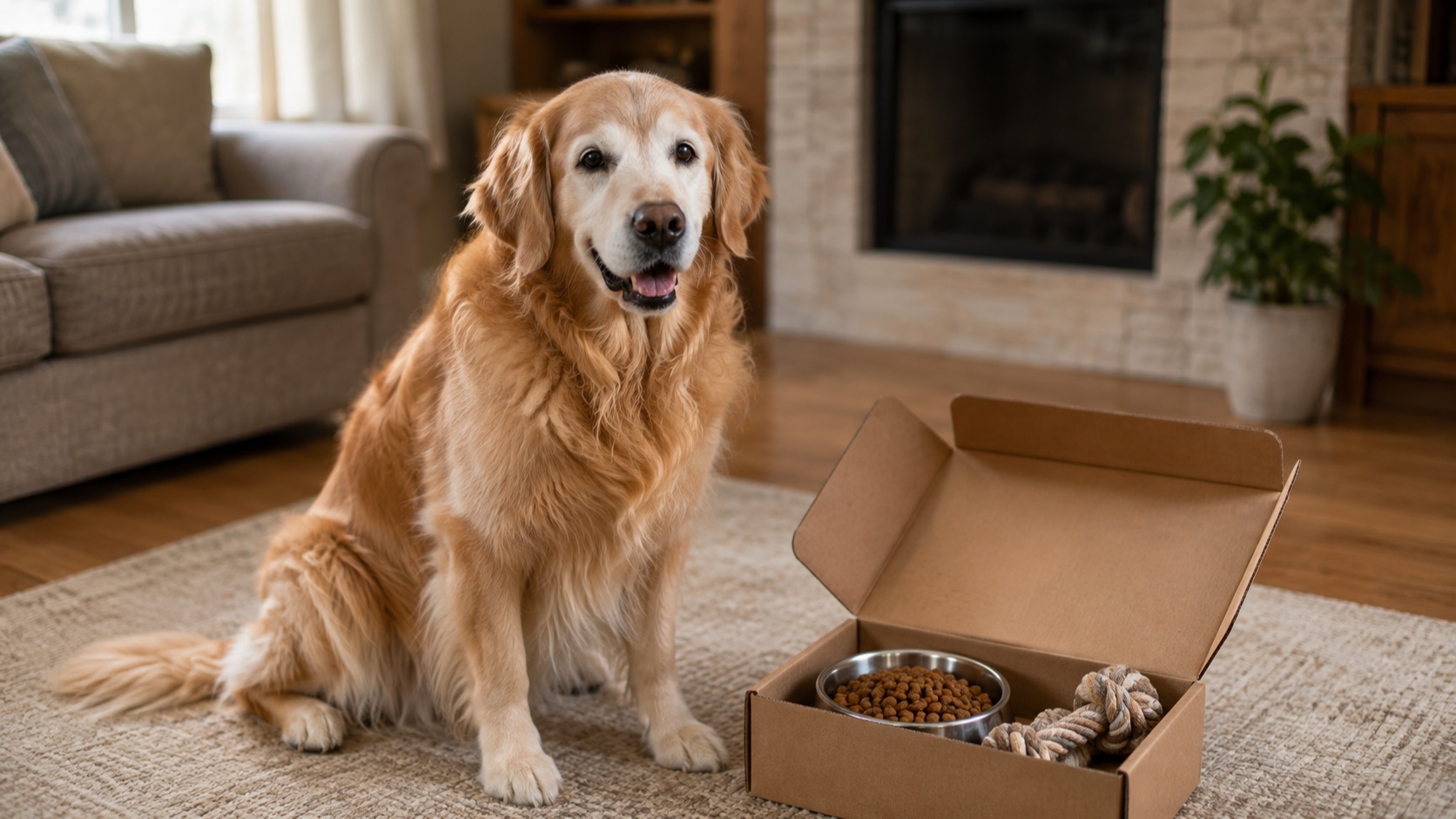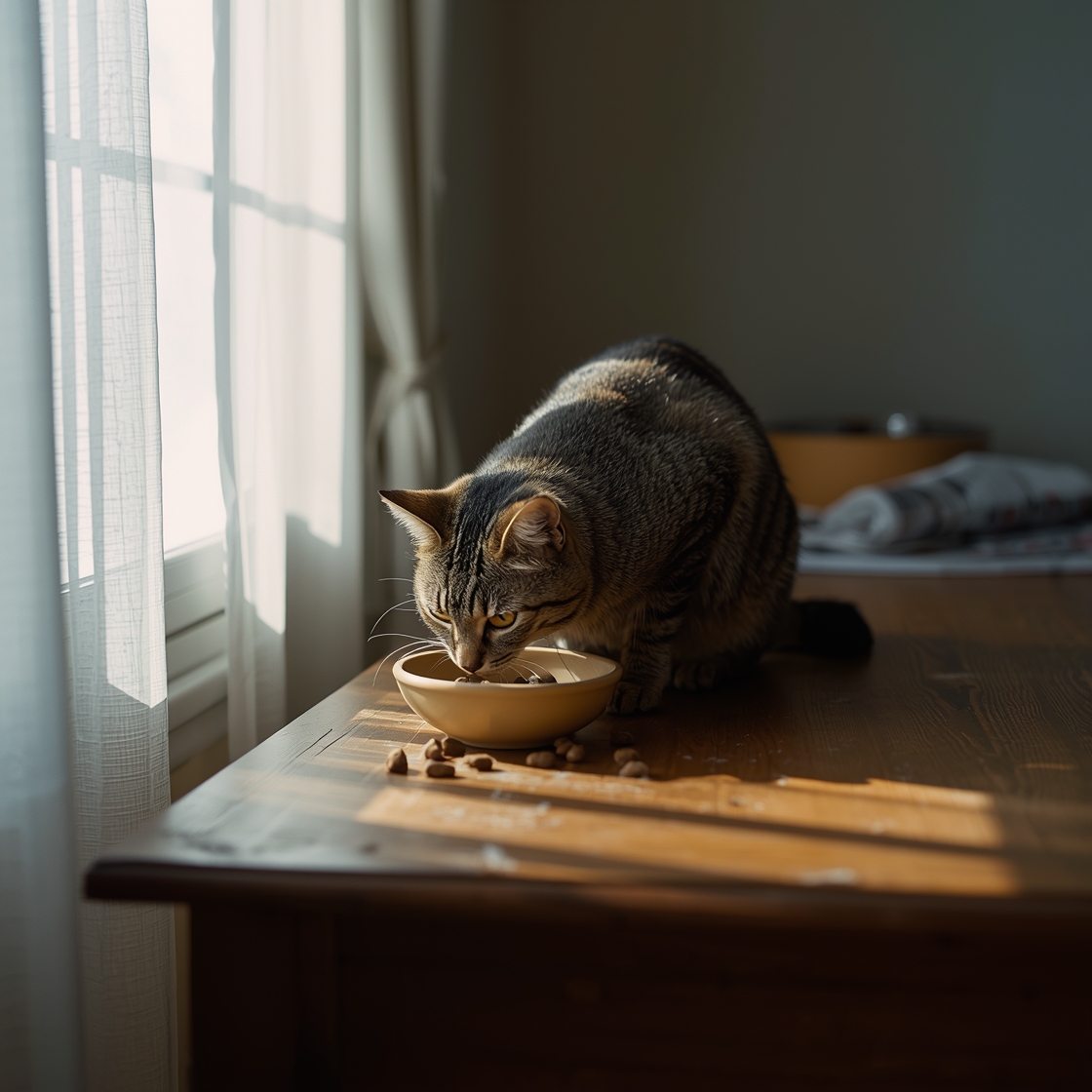

The best wet dog food for senior dogs carries AAFCO adult maintenance or senior statements with controlled phosphorus and moisture above 75%—our desk read labels, not feeding trials.
Senior dogs thrive on wet foods that are easy to chew, highly digestible, and packed with joint-supporting nutrients, combining soft textures with balanced protein, fiber, and antioxidants. We compared ten senior-specific canned and tray formulas currently available from major retailers, weighing texture, ingredient quality, and per-ounce value to arrive at the ranked list below.
Top Picks at a Glance
- Best overall: Blue Buffalo Homestyle Recipe Senior Chicken Dinner — soft pate, natural ingredient deck, and built-in glucosamine and chondroitin.
- Best vet-recommended: Hill's Science Diet Adult 7+ Savory Stew — kidney- and heart-conscious mineral levels in a gravy-rich stew.
- Best value: ONE +Plus Vibrant Maturity 7+ Turkey & Barley — senior-specific soft food at roughly half the per-can cost of premium brands.
The Best Wet Dog Foods for Senior Dogs: Our Top 10 Picks
Below are the ten wet foods that delivered the soft mouthfeel and complete nutrition senior dogs need. Each pick is a real, currently purchasable product; the reviews list specs from each manufacturer's own product page, plus an honest limitation.
1. Blue Buffalo Homestyle Recipe Senior Chicken Dinner
Best for: Best overall senior wet food — soft pate, natural ingredient deck, and joint support in one can.
Real chicken leads this pate formulated for dogs 7 and up, and Blue Buffalo builds glucosamine and chondroitin right into the recipe for joint health. The deck skips chicken and poultry by-product meals, corn, wheat, and soy, and adds carrots, peas, sweet potatoes, blueberries, and cranberries for antioxidants and fiber. It ships as 12.5-oz cans in 12-count cases and works as a full meal or a kibble topper. The honest catch: it costs more than grocery-store brands, and the Homestyle line offers only one senior flavor.
Pros:
- Soft pate is easy on worn senior teeth
- Joint-support nutrients (glucosamine + chondroitin) built in
- Works as a full meal or a kibble topper
Cons:
- Pricier than grocery-store brands
- Only one senior flavor in the Homestyle line
2. Hill's Science Diet Adult 7+ Savory Stew with Chicken & Vegetables
Best for: Commonly recommended in product listings everyday senior nutrition, especially for owners watching kidney and heart health.
This stew pairs real chicken with peas and carrots in gravy, and its mineral profile is balanced for sodium and phosphorus to support kidney and heart health in mature dogs. Hill's uses easy-to-digest ingredients aimed at lean muscle maintenance, and it comes in 12.8-oz cans (12-pack) plus 3.5-oz Small & Mini trays. As one of the most commonly vet-recommended brands, its appeal is obvious. Two honest drawbacks: it contains grains, and the stew chunks can be large for very small or nearly toothless dogs.
Pros:
- Clinically formulated with kidney/heart-conscious mineral levels
- Gravy-rich stew is highly palatable for picky seniors
- Widely available with consistent batch quality
Cons:
- Contains grains, so unsuitable for grain-sensitive dogs
- Stew chunks can be large for very small or nearly toothless dogs
3. Pro Plan Adult 7+ Complete Essentials Beef & Rice Entree Slices in Gravy
Best for: Active seniors that need joint support plus high protein for muscle maintenance.
Pro Plan's 7+ entree serves real beef in a slices-in-gravy texture for dogs 7 and older, with added glucosamine for joint mobility and 23 vitamins and minerals in a high-protein recipe. It is complete and balanced per AAFCO, ships as 13-oz cans in 12-count cases, and comes in chicken and turkey 7+ versions too. At roughly $0.22 per ounce it is one of the best-value premium senior formulas here. The honest catch: it contains grain (rice) and some by-product ingredients, and the rich gravy can be too much for very sensitive stomachs.
Pros:
- Excellent price-per-ounce for a premium senior formula
- Glucosamine included at a mainstream price point
- Three senior protein options (beef, chicken, turkey) prevent flavor boredom
Cons:
- Contains grain (rice) and some by-product ingredients
- Rich gravy can be messy and too rich for very sensitive stomachs
4. Wellness Complete Health Pate Age Advantage Senior Chicken & Sweet Potato
Best for: Natural-ingredient pate for seniors that tolerate wholesome grains.
Wellness pairs real chicken and sweet potato in a smooth pate with wholesome grains, adding omega fatty acids for skin and coat plus vitamins and minerals for immune support. The recipe leaves out corn, wheat, soy, poultry by-products, artificial colors, and preservatives, and comes in 12.5-oz cans (12-count case) with a calorie profile suited to less-active older dogs. Two honest drawbacks: it is among the pricier cans per ounce here, and the senior wet lineup offers only this one recipe.
Pros:
- Smooth pate texture ideal for dental-compromised seniors
- Clean ingredient deck with no by-products
- Calorie profile suited to less-active older dogs
Cons:
- Among the pricier cans per ounce in this list
- Only one recipe in the senior wet lineup
5. Royal Canin Canine Health Nutrition Mature Adult 8+ Loaf in Sauce
Best for: Picky or low-appetite older eaters — palatability is this formula's core design goal.
Royal Canin formulates this loaf for dogs 8 and older, using a soft loaf-in-gel texture that stays palatable as a senior dog's sense of smell declines. An antioxidant complex and adjusted mineral levels support aging, and you can feed it alone or mixed with Royal Canin dry kibble. It comes in 13.5-oz cans (12-pack), with 5.2-oz Mature 8+ options for small breeds. The honest catch: it is expensive per can, and the ingredient list includes by-products some owners prefer to avoid.
Pros:
- Exceptional acceptance rate with fussy seniors
- Precise, research-driven nutrient targeting by age
- Soft loaf needs virtually no chewing
Cons:
- Expensive per can versus similar mainstream formulas
- Ingredient list includes by-products, which some owners avoid
6. Blue Buffalo Wilderness Senior Turkey & Chicken Grill (Grain-Free)
Best for: Grain-sensitive seniors that still need a high-protein, meat-forward diet.
This grain-free Wilderness recipe blends real turkey and chicken into the highest animal-protein density in our roundup, with glucosamine and chondroitin for joint health. It skips chicken and poultry by-product meals, corn, wheat, soy, artificial flavors, and preservatives, and ships as 12.5-oz cans (12-count case). Note that this is the senior-specific Wilderness recipe, distinct from the adult version. The honest catch: the rich formula can upset delicate stomachs if you transition too fast, and it carries a premium price per can.
Pros:
- Highest animal-protein density in this roundup
- Grain-free for dogs with sensitivities
- Joint-support nutrients included
Cons:
- Rich formula can upset delicate stomachs if transitioned too fast
- Premium price per can
7. Nutro Ultra Senior Pate Trio of Proteins — Chicken, Lamb & Whitefish
Best for: Small and medium senior dogs — single-serve trays give perfect portion control and zero fridge leftovers.
Nutro leads this pate with real chicken as the #1 ingredient, joined by lamb and whitefish for a trio of proteins, plus a superfood blend of carrots, spinach, and tomatoes. It ships as single-serve 3.5-oz peel-top trays in 24-count cases and skips artificial flavors and preservatives; the trays open without a can opener and eliminate leftover-can spoilage. Two honest drawbacks: cost per ounce is high for a large dog, and 3.5-oz portions mean many trays per day for big breeds.
Pros:
- Peel-top trays are easy for senior owners to open, no can opener
- No leftover-can spoilage — every meal is fresh
- Trio of proteins keeps aroma and interest high
Cons:
- Cost per ounce is high if feeding a large dog
- 3.5-oz portions mean many trays per day for big breeds
8. ONE +Plus Classic Ground Vibrant Maturity Adult 7+ Turkey & Barley
Best for: Budget pick — senior-specific soft food at roughly half the per-can cost of premium brands.
ONE's Vibrant Maturity 7+ recipe serves real turkey in a soft classic-ground texture for dogs 7 and up, with complete and balanced adult maintenance nutrition per AAFCO. It ships as 13-oz cans in 12-count cases and is easy to find at grocery and big-box stores as well as Amazon and. It is the lowest cost per ounce among the senior-specific wet foods here, and the uniform texture is very easy to eat. The honest catch: it contains grain (barley) and less premium ingredients than boutique brands, with no added glucosamine or chondroitin.
Pros:
- Lowest cost per ounce among senior-specific wet foods
- Uniform ground texture is very easy to eat
- Easy to find at grocery and big-box stores
Cons:
- Contains grain (barley) and less premium ingredients than boutique brands
- No added glucosamine/chondroitin
9. Halo Senior Wet Dog Food Whole Chicken Recipe (Grain-Free)
Best for: Owners who want a whole-meat, no-meat-meal ingredient deck for a grain-sensitive senior.
Halo builds this senior-specific recipe on whole chicken with no rendered "meat meal" of any kind, keeps it grain-free, and rounds it out with non-GMO fruits and vegetables. It comes in large 13.2-oz cans (6-count pack) that suit bigger seniors and works as a full meal or topper, and whole-meat-only sourcing is rare at this price. Two honest drawbacks: 6-packs push the per-can cost up versus 12-can cases, and stock fluctuates on Amazon.
Pros:
- Whole-meat-only protein sourcing is rare at this price
- Grain-free and gentle on sensitive digestion
- Large 13.2-oz cans suit bigger seniors
Cons:
- 6-packs push per-can cost up versus 12-can cases
- Stock availability fluctuates on Amazon
10. Pro Plan Bright Mind Adult 7+ Beef & Brown Rice Entree
Best for: Cognitive support — seniors showing early signs of mental slowdown or disorientation.
This is the only mainstream wet food here with a cognition-targeted formula: enhanced botanical oils (MCTs) promote alertness and mental sharpness in dogs 7 and up. It serves real beef with brown rice in a soft, moist texture, ships in easy-peel 10-oz tubs (8-count pack), and is backed by 's own feeding-trial research. The honest catch: it costs more per ounce than standard 13-oz senior cans, and the Bright Mind wet line offers limited flavor variety.
Pros:
- Only mainstream wet food with a cognition-targeted (MCT botanical oil) formula
- Peel-top tubs are easy to open and portion
- Backed by 's feeding-trial research
Cons:
- Higher cost per ounce than standard 13-oz senior cans
- Limited flavor variety in the Bright Mind wet line
Why Wet Food is Essential for Senior Dogs

Senior dogs often struggle with the same kibble they loved as puppies. Larger pieces and low moisture make dry food harder to chew and digest once dental wear, reduced saliva, and slower gastrointestinal motility set in. Wet food's soft texture requires far less chewing effort, letting older dogs eat comfortably without gum irritation or choking, and that ease of consumption also helps nutrients absorb more efficiently to maintain muscle mass.
A key benefit of wet food is its high moisture content. While dry kibble typically contains about 10% water, canned formulas provide roughly 75-80% moisture. That extra liquid supports urinary health by diluting urine and reducing the risk of crystal formation and kidney strain—common concerns in aging pets. Several formulas above lean into this: Hill's Science Diet Adult 7+ balances sodium and phosphorus with kidney and heart health in mind, so the added water does double duty as hydration and mineral management.
Appetite often wanes in older dogs due to changes in taste perception and slower metabolism. The rich aroma and soft mouthfeel of wet food are far more enticing than dry kibble. That is why palatability-first formulas exist: Royal Canin designs its Mature 8+ loaf to stay appealing as a senior dog's sense of smell fades, and the gravy-rich and pate textures across this list are engineered to restore enthusiasm at the bowl. Together, easier chewing, better hydration, and heightened flavor make wet food a cornerstone of senior dog nutrition.
How We Compared and Ranked These Senior Wet Foods
- Protein quality and life-stage fit. We favored recipes that name a real animal protein first (chicken, beef, turkey, or a protein trio) and are explicitly formulated for dogs 7+ or 8+, so the nutrient balance matches an older dog's needs.
- Joint-support nutrients. Formulas that build in glucosamine and chondroitin — such as both Blue Buffalo recipes and Pro Plan 7+ — earned extra credit for addressing the mobility issues common in seniors.
- Texture for worn teeth. Smooth pates and soft loaves (Blue Buffalo Homestyle, Wellness Age Advantage, Royal Canin Mature) are easiest for dental-compromised dogs; gravy stews and ground textures are next.
- Kidney- and heart-conscious minerals. For owners managing organ health, we flagged clinically balanced options like Hill's Science Diet Adult 7+.
- Value and portioning. We compared per-ounce cost and packaging, noting genuine budget picks ( ONE Vibrant Maturity) and portion-control formats (Nutro Ultra single-serve trays).
Applying these criteria produced a list that balances health benefits, texture, and affordability. Prices cited throughout are approximate U.S. street prices and vary by retailer, pack size, and promotion.
Wet Dog Food Comparison Table
| Rank | Product | Main protein | Texture | Joint support | Approx. price | |
|---|---|---|---|---|---|---|
| 1 | Blue Buffalo Homestyle Senior Chicken Dinner | Chicken | Pate | Glucosamine + chondroitin | ~$36-42 / 12-pack | Check price |
| 2 | Hill's Science Diet Adult 7+ Savory Stew | Chicken | Stew in gravy | Kidney/heart minerals | ~$40-46 / 12-pack | Check price |
| 3 | Pro Plan Adult 7+ Beef & Rice | Beef | Slices in gravy | Glucosamine | ~$38 / 12-pack | Check price |
| 4 | Wellness Complete Health Age Advantage Senior | Chicken | Pate | Omega fatty acids | ~$45-50 / 12-pack | Check price |
| 5 | Royal Canin Mature Adult 8+ Loaf in Sauce | Poultry/meat | Loaf in gel | Antioxidant complex | ~$44-47 / 12-pack | Check price |
| 6 | Blue Buffalo Wilderness Senior Turkey & Chicken | Turkey + chicken | Grill (grain-free) | Glucosamine + chondroitin | ~$45-50 / 12-pack | Check price |
| 7 | Nutro Ultra Senior Pate Trio of Proteins | Chicken, lamb, whitefish | Pate (trays) | Superfood blend | ~$27-32 / 24 trays | Check price |
| 8 | ONE Vibrant Maturity 7+ Turkey & Barley | Turkey | Classic ground | None added | ~$22-28 / 12-pack | Check price |
| 9 | Halo Senior Whole Chicken (grain-free) | Whole chicken | Stew (grain-free) | None added | ~$27-33 / 6-pack | Check price |
| 10 | Pro Plan Bright Mind 7+ Beef & Brown Rice | Beef | Soft (tubs) | MCT botanical oils | ~$26-32 / 8 tubs | Check price |
The pattern is clear: natural-ingredient pates like Blue Buffalo Homestyle and Wellness Age Advantage win seniors over with softer texture and cleaner decks, while clinically formulated options such as Hill's Science Diet and Royal Canin bring targeted organ-health benefits at a higher price. Grain-free choices (Blue Buffalo Wilderness, Halo) suit dogs with sensitivities but can be richer, so introduce them slowly. Budget-conscious owners get real senior nutrition from ONE Vibrant Maturity, and single-serve formats like Nutro Ultra trays solve the leftover-can problem for small dogs. The right pick depends on your dog's joint, kidney, or digestive needs and your budget.
Price Ranges and What to Expect
When shopping for senior wet food, you'll notice three price tiers that track the nutrition and convenience each product offers. The bands below reflect the per-can street prices of the products reviewed above.
| Tier | Approx. cost per can/tray* | Example products | What you get |
|---|---|---|---|
| Budget | ~$1.00 – $2.00 per can | ONE Vibrant Maturity 7+; Nutro Ultra trays | Senior-specific soft food, a named animal protein, and complete-and-balanced AAFCO nutrition. Expect fewer functional additives like glucosamine. |
| Mid-range | ~$2.75 – $3.50 per can | Blue Buffalo Homestyle; Hill's Science Diet 7+; Pro Plan 7+ | Higher-quality protein decks, added joint-support (glucosamine/chondroitin) or kidney/heart-conscious minerals, and no artificial colors or flavors. |
| Premium | ~$3.75 – $5.00+ per can | Wellness Age Advantage; Royal Canin Mature 8+; Blue Buffalo Wilderness | Cleaner or grain-free bases, novel or high-density proteins, and targeted boosters such as antioxidant complexes and cognition-supporting oils. |
Our ten picks span from economical ONE cans to premium, vet-endorsed Hill's and Royal Canin formulas, letting owners match their budget to the health priorities of their aging companion. A budget-friendly can will keep most senior dogs satisfied and hydrated, but it may lack the joint-support nutrients a mid-range or premium formula provides. If your dog has arthritis, a sensitive stomach, or you're aiming for weight control, the extra cost of a mid-range or premium product often buys functional ingredients that improve quality of life.
For a soft, joint-supporting everyday can, the Blue Buffalo Homestyle Recipe Senior Chicken Dinner is the pick most senior dogs and owners will be happy with.
*Prices are averages based on typical retail listings in the United States and may vary by retailer, container size, and regional promotions.
Senior Nutrient Desk: Best Wet Dog Food for Senior Dogs
| Nutrient | Desk range wet | Label signal | Monitor |
|---|---|---|---|
| Protein | 7–10% as-fed | Named meat first | Muscle mass |
| Fat | 4–8% as-fed | Moderate | Weight |
| Phosphorus | <0.35% DM desk | Listed analysis | Kidney labs |
| Moisture | 75–82% | Canned/pouch | Hydration |
Wet formats add 500–700 mL water equivalent per 12–13 oz can vs. dry—useful for seniors with lower thirst drive.
Best Wet Dog Food for Senior Dogs — Texture and Calorie
| Texture | Calorie/can approx | Best for | Transition |
|---|---|---|---|
| Pâté | 300–400 kcal | Missing teeth | 7–10 days |
| Stew | 250–350 kcal | Picky eaters | Mix decreasing dry |
| Shreds | 280–380 kcal | Texture preference | Same protein base |
Split daily calories—treats and toppers count toward 10% max on restricted kidney-friendly plans.
Additional Guidance on Best Wet Dog Food For Senior Dogs
Our research desk compiled this section from manufacturer specifications, published welfare guidance, and recurring owner themes or veterinary endorsement. Adjust any routine to your individual pet's health history with professional guidance when symptoms appear.
Practical monitoring beats guesswork: note appetite, stool quality, energy level, and behavior changes whenever you adjust food, housing, or care tools. Reversible trials with one variable at a time make cause and effect clearer than changing multiple products simultaneously.
Frequently Asked Questions
Is grain-free best wet dog food for senior dogs required?
No unless elimination trial directed—choose complete senior or adult wet with phosphorus appropriate to your dog's lab history.
What are the benefits of wet food for senior dogs?
Wet food is easier for older dogs to chew and swallow, which helps when teeth become worn or missing. The higher moisture content (roughly 75-80% water versus about 10% in dry kibble) supports hydration and can aid kidney function, while the soft texture makes the meal more palatable and encourages a better appetite. Senior dogs often experience reduced appetite, dental issues, and digestive changes at the same time, and a canned or tray formula can address all three challenges in one bowl.
How do I transition my senior dog to wet food?
Introduce the new diet gradually over 7-10 days to avoid stomach upset. Start by mixing a small spoonful of wet food into your dog's current kibble, then increase the wet portion by about 10-20% each day while decreasing the dry portion. Aim for a 50/50 mix by day five, and a fully wet meal by the end. Watch for loose stools or reduced appetite and slow the pace if needed; a consistent feeding schedule helps the dog adapt.
How often should I feed wet food to my senior dog?
Most senior dogs thrive on two meals per day, but the exact frequency depends on the dog's size, activity level, and health condition. Small breeds usually do well with two smaller portions morning and evening, while larger, less mobile dogs may prefer one larger meal. If your dog has specific health concerns such as diabetes or kidney disease, follow your veterinarian's guidance on portion size and feeding frequency.
At what age is a dog considered a senior?
It depends on size. Small breeds are generally considered senior around 7 years, medium breeds around 6, and large or giant breeds as early as 5, because bigger dogs age faster. The formulas in this roundup reflect that range:, Blue Buffalo, Hill's, and Wellness label their foods for dogs 7+, while Royal Canin Mature targets dogs 8 and older. Matching the food's stated life stage to your dog's size is the simplest way to choose.
Is grain-free wet food better for senior dogs?
Not automatically. Grain-free options such as Blue Buffalo Wilderness and Halo help dogs with diagnosed grain sensitivities, but many healthy seniors do well on recipes with wholesome grains, like Hill's Science Diet 7+ or Wellness Age Advantage. Grain-free formulas can also be richer, so transition slowly. If your dog has no known sensitivity, choose based on protein quality, texture, and joint support rather than the label alone.
Which wet foods offer joint support for senior dogs?
Look for glucosamine and chondroitin on the label. In this roundup, both Blue Buffalo recipes (Homestyle and Wilderness) and Pro Plan Adult 7+ build those nutrients in, while Wellness Age Advantage adds omega fatty acids that support skin, coat, and joint comfort. Budget cans like ONE Vibrant Maturity do not add glucosamine, so pair them with a vet-recommended joint supplement if mobility is a concern.
Can I feed wet food as a topper instead of a full meal?
Yes. Several of these formulas, including Blue Buffalo Homestyle and Halo Senior Whole Chicken, mix into kibble well to add moisture, aroma, and palatability without replacing dry food. It is a good middle path that keeps the dental and cost advantages of kibble. Adjust total daily calories so the added topper does not lead to weight gain.
How should I store opened cans of senior wet food?
Cover leftover portions and refrigerate them, using the rest within about 2-3 days. Single-serve formats like Nutro Ultra's 3.5-oz peel-top trays sidestep this entirely by portioning one fresh meal at a time, handy for small dogs that cannot finish a large can. Let refrigerated food warm closer to room temperature before serving, since warmth boosts aroma for seniors with a diminished sense of smell.
Last reviewed: August 2026. If you spot something out-of-date, let us know.