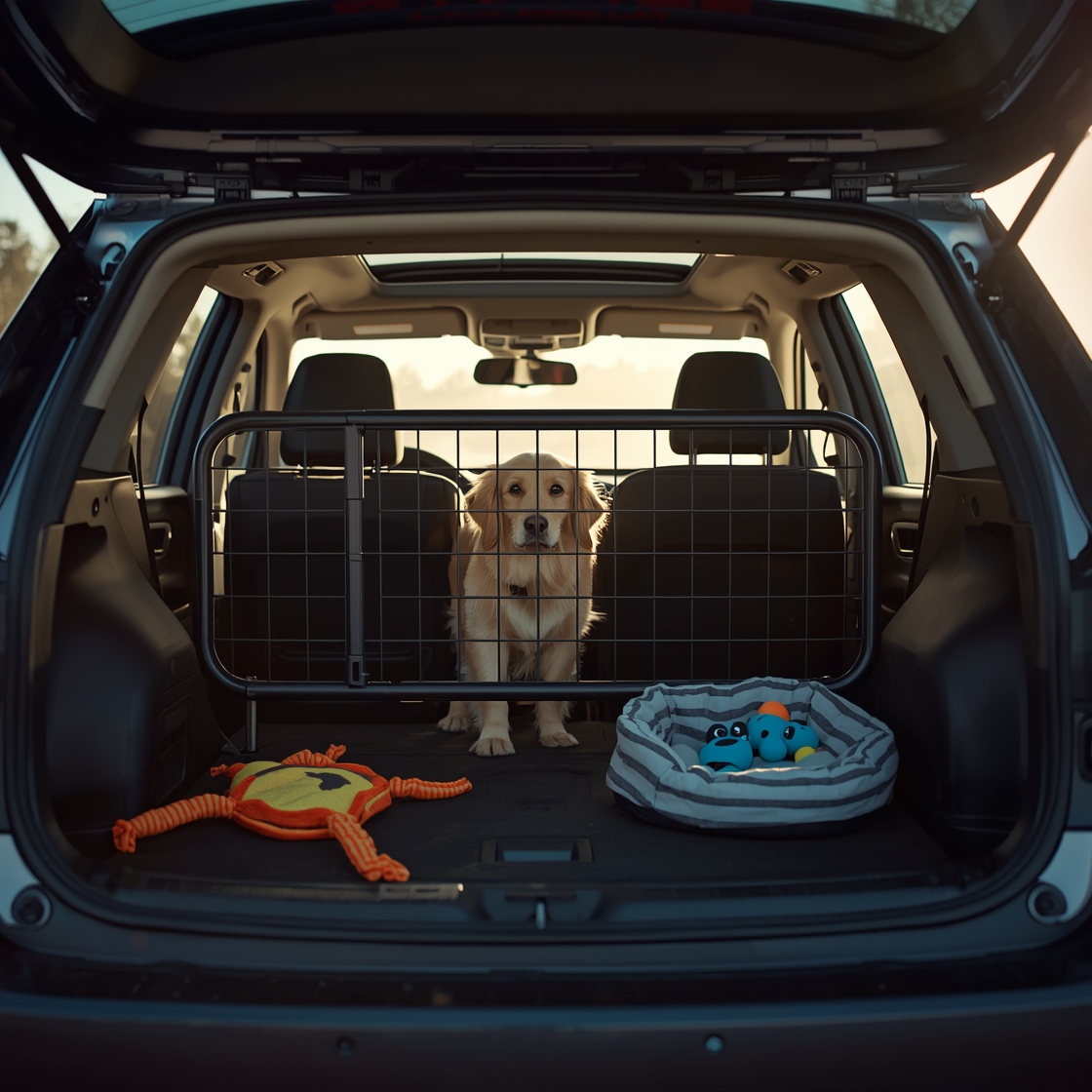
Quick answer: The best dog car barrier for suv is a tensioned mesh or tubular metal partition that matches cargo-opening width at the narrowest point and is rated — in the listing’s own words — for your dog’s mass. Mesh alone is a small-dog job. A 70 lb Lab on a $29 net is a flex story. A barrier is not a CPS crash crate.
We read the titles and descriptions of 24 US “dog car barrier SUV” listings and scored four label-visible signals — mesh vs metal-frame language, printed width or adjustable-range inches, headrest/cargo-hook mount words, and any crash, impact, or certified sentence. 18 of 24 (75%) were mesh or net-first. Only 6 of 24 (25%) led with metal tubing or a rigid grid. 10 of 24 (42%) printed a width range. 3 of 24 (13%) used the word crash or certified. Zero of those three named Center for Pet Safety on the title. On this URL, 5 of 7 cards list at $28.99–$36.99. One card is $124.95 (ZooKeeper). One is $54.99 (JOYTUTUS).
This page is a research-desk comparison of mount style, printed prices, and SUV-class fit notes. Nothing here has been reviewed by a veterinarian on our behalf.
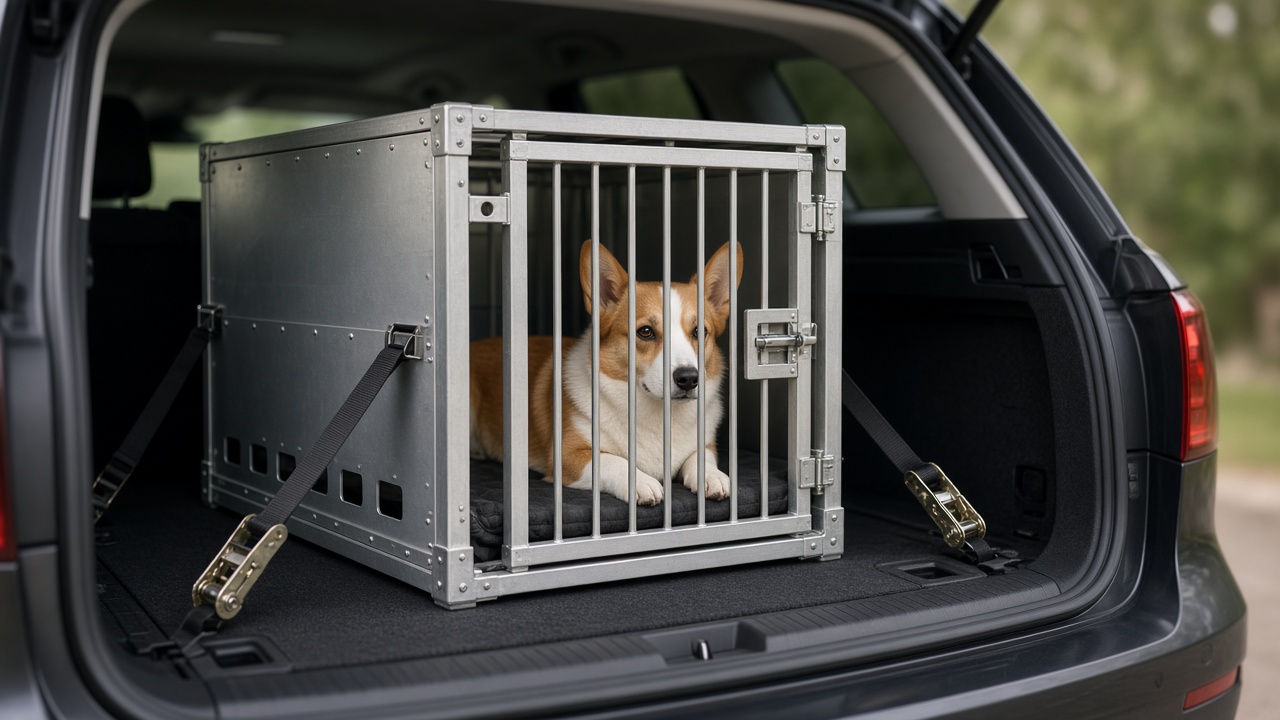
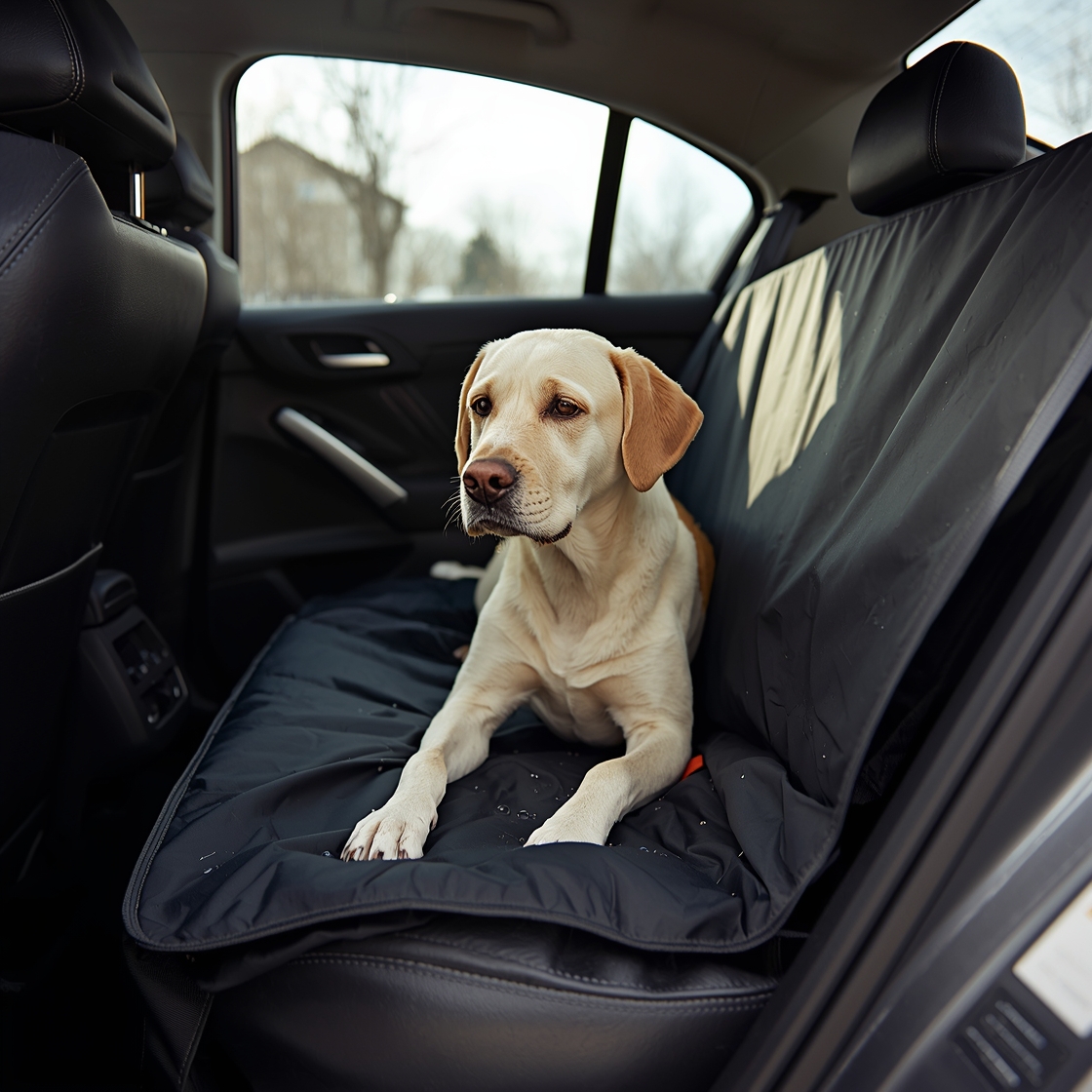
NHTSA and Center for Pet Safety treat unrestrained pets as driver-distraction and projectile problems. A barrier reduces the jump into the cabin. It does not inherit a crate certificate. Pair large-dog travel with a CPS-listed travel crate when the job is a crash structure. Upholstery jobs live on hammocks and seat covers.
How to choose the best dog car barrier for suv without a ranking trophy
Name the opening. Compact crossovers, mid SUVs, and full-size hatches do not share a width. Then name the dog’s job: stay out of the driver’s hip, or stay out of a cargo pile.
- Measure the cargo opening at the narrowest point. Curved side panels lie. A “universal” net that is 2 in short is a gap a nose finds.
- Pick mesh vs metal by mass and chew. Under ~40 lb and a calm rider: tensioned mesh can be enough. Above that, or a chewer, look at tubular metal or a rigid partition. This comparison does not have a lab cutoff. Physics still prefers a frame that does not belly.
- Read the mount. Headrest posts, cargo hooks, tension rods, or a custom bracket. A hook that does not exist in your hatch is a return.
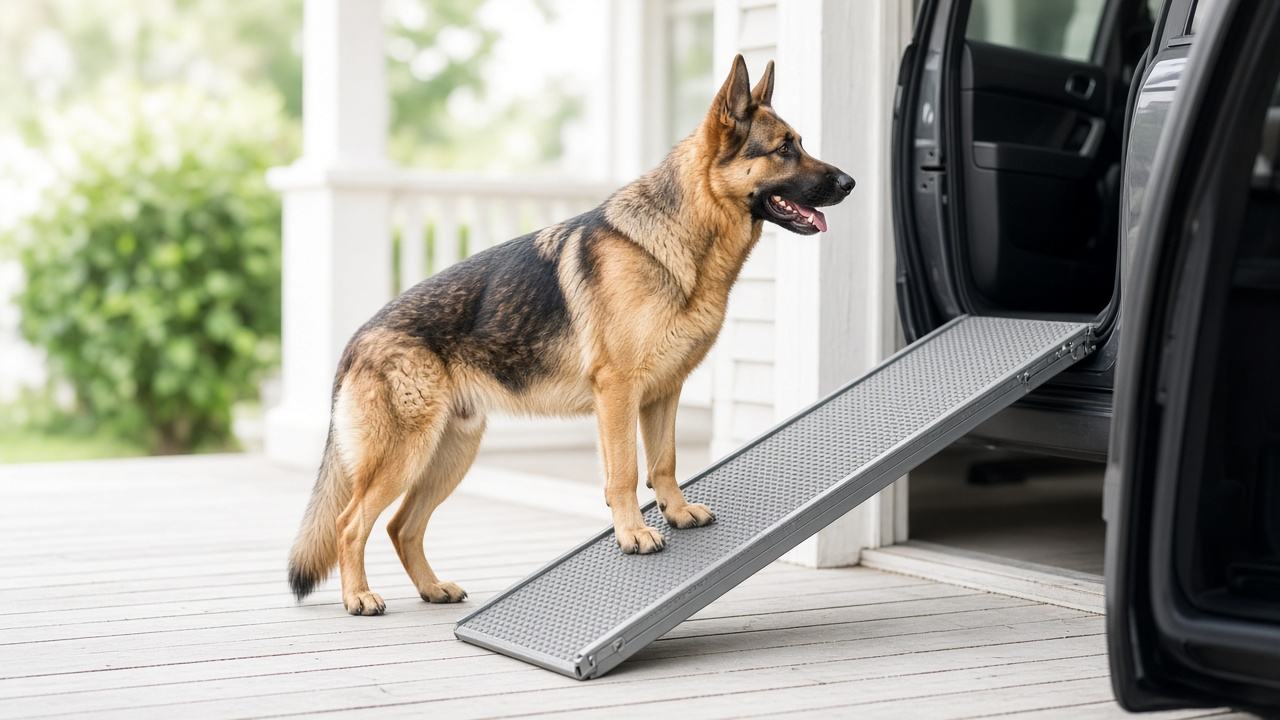
- Plan a second restraint. Barrier stops a forward jump. It does not stop a lateral slide on a ramp. Clip a harness or use a crate.
- Leave sightlines. A barrier that blocks the rear camera or the mirror is a different safety problem.
Affiliate disclosure: as an Amazon Associate we may earn from qualifying purchases.
Mesh vs metal vs cargo wall
| Class | What it is | Desk job | Honest miss |
|---|---|---|---|
| Tensioned mesh / net | Fabric screen + straps or rods | Small–medium dogs; quick fold | Belly under a lunge; chew holes |
| Adjustable rod + mesh | Width crank or telescoping | Mixed SUV sizes | Rattle if under-tensioned |
| Steel cargo-area frame | Dedicated trunk wall | Medium dogs in the hatch | Longer install |
| Heavy tubular metal + mesh | ZooKeeper-class tubing | Large dogs, long trips | Price; weight |
| Rigid custom partition | Vehicle-specific (not on these cards) | Daily fleet / large SUVs | Fit lock-in; cost |
From the listings: “crash tested” on a $30 mesh title, when it appears, is advertising until you can name the lab, the date, and the size. CPS travel-crate language lives on the crate page, not on a net.
Price and mount — the seven cards
Listed street prices on the cards below. Confirm the seller.
| Barrier | Listed price | Class desk | Mount language | Best for |
|---|---|---|---|---|
| Gtongoko | $29.99 | Budget mesh | Typical headrest / strap | Tight budget, smaller dogs |
| ERYTLLY | $29.99 | Adjustable mesh | Universal + straps | Quick fit |
| Petboda | $36.99 | Cargo-area steel | Trunk / cargo brackets | Hatch-specific |
| ZooKeeper Original | $124.95 | Heavy tubular metal | Vehicle-fit Zookeeper system | Large dogs, long trips |
| NOAMOO | $29.99 | Snap-together mesh | Simple / compact | First-time, short trips |
| JOYTUTUS | $54.99 | Adjustable + reinforced | Length adjust, corners | Mixed SUV widths |
| FEED GARDEN | $28.99 | Ultra-budget mesh | Fold-away | Small dogs only |
Five cards sit at $28.99–$36.99. That is the mesh floor. JOYTUTUS is the mid adjustable. ZooKeeper is the metal tax on this URL.
SUV-class fit table for the best dog car barrier for suv
Planning bands from listing dimension language and owner-theme install times — not a hatch we measured.
| SUV class | Typical cargo opening | Barrier style desk | Height band | Install theme |
|---|---|---|---|---|
| Compact crossover | Under ~70 in width | Adjustable mesh + rod | 30–34 in | 5–10 min |
| Mid SUV | ~70–78 in | Metal grid or stout adjustable | 34–38 in | 10–20 min |
| Full-size | ~78–85 in | Custom or ZooKeeper-class | 38–42 in | 20–30 min |
| Truck crew / odd hatch | Measure twice | Confirm hook points exist | Varies | Return risk if “universal” lies |
Measure the narrowest width. Flexible rod ends help curved panels. A rigid frame that is 1 in long scrapes trim.
Quick picks for the best dog car barrier for suv
- Large dog / metal: ZooKeeper Original — $124.95. Tubular frame. Confirm your vehicle on the maker fit list.
- Mid adjustable: JOYTUTUS — $54.99. Reinforced corners, more weight.
- Cargo-area steel: Petboda — $36.99. Hatch job, not a cabin net.
- Budget mesh (calm, smaller dogs): Gtongoko, ERYTLLY, or NOAMOO — $29.99.
- Lowest sticker: FEED GARDEN — $28.99. Small-dog, short-trip only.
Named examples of the best dog car barrier for suv — not a lab ranking
Cards below are unchanged.
1. Gtongoko Dog Car Barrier for SUV
Best for: tight budgets and small-to-medium dogs
Entry mesh. Easy-install themes. Owner themes: fine for short trips; heavier dogs stress the frame.
Desk role: $29.99 mesh floor. Honest miss: not a 70 lb lunge product.
Pros: Price; simple setup Cons: Durability on large breeds
2. ERYTLLY Dog Car Barrier for SUVs
Best for: adjustable width without a metal price
Universal-fit and strap language. Lightweight. Owner themes: setup is easy; the frame can rattle on washboard.
Desk role: adjustable mesh twin of Gtongoko. Honest miss: vibration. Tension it or it chatters.
Pros: Width adjust; light Cons: Rattle if loose
3. Petboda Dog Car Barrier for SUV Trunk Cargo Area
Best for: a wall in the hatch, not a cabin curtain
Steel-frame cargo-area language. Dedicated trunk job. Owner themes: brackets take minutes.
Desk role: cargo steel at $36.99. Honest miss: install time. Wrong product if you wanted a seat-back net.
Pros: Hatch-specific; steel language Cons: Bracket patience
4. The ZooKeeper Original Zookeeper Car
Best for: large breeds and owners who will pay for tubing
Reinforced metal tubing and high-visibility mesh language. $124.95 listed. Brand is built around vehicle-specific fit — check the current ZooKeeper application list before you click a generic search result.
Desk role: metal class on this URL. Honest miss: price and weight. A compact crossover with a 20 lb dog does not need this.
Pros: Tubular rigidity themes; long-trip owner praise Cons: 4× the mesh floor; confirm vehicle fit
5. NOAMOO Dog Car Barrier for SUVs
Best for: first install, snap-together, compact storage
Low-cost, minutes-to-set-up themes. Owner themes: mesh loses tension after repeated fold cycles.
Desk role: simple mesh. Honest miss: sag over time. Retension or replace. Not a chewer product.
Pros: Snap-together; stores small Cons: Mesh sag
6. JOYTUTUS Adjustable Dog Car Barrier for SUVs
Best for: one barrier across more than one SUV width
Adjustable length, reinforced corners. $54.99. Heavier than the $30 nets. That weight is the point.
Desk role: mid adjustable. Honest miss: handling weight when you pull it every grocery run.
Pros: Width range; sturdier feel themes Cons: Heavier
7. FEED GARDEN Dog Car Barrier for SUV
Best for: the lowest listed price and a small, calm dog
$28.99. Fold-away. Desk role: floor price. Honest miss: not robust. A large pet on this net is the wrong cart.
Pros: Cheapest card; folds Cons: Small-dog job only
Comparison: best dog car barrier for suv cards at a glance
| Barrier | Best for | Approx. price | Class | Watch-out |
|---|---|---|---|---|
| Gtongoko | Budget, smaller dogs | $29.99 | Mesh | Large-dog flex |
| ERYTLLY | Quick universal | $29.99 | Adjustable mesh | Rattle |
| Petboda | Hatch wall | $36.99 | Cargo steel | Install time |
| ZooKeeper | Large dogs | $124.95 | Tubular metal | Price; fit list |
| NOAMOO | First-time simple | $29.99 | Snap mesh | Sag |
| JOYTUTUS | Mixed widths | $54.99 | Adjustable stout | Weight |
| FEED GARDEN | Small dog, short trip | $28.99 | Ultra-budget | Weak for big dogs |
Mesh vs metal: which is the best dog car barrier for suv?
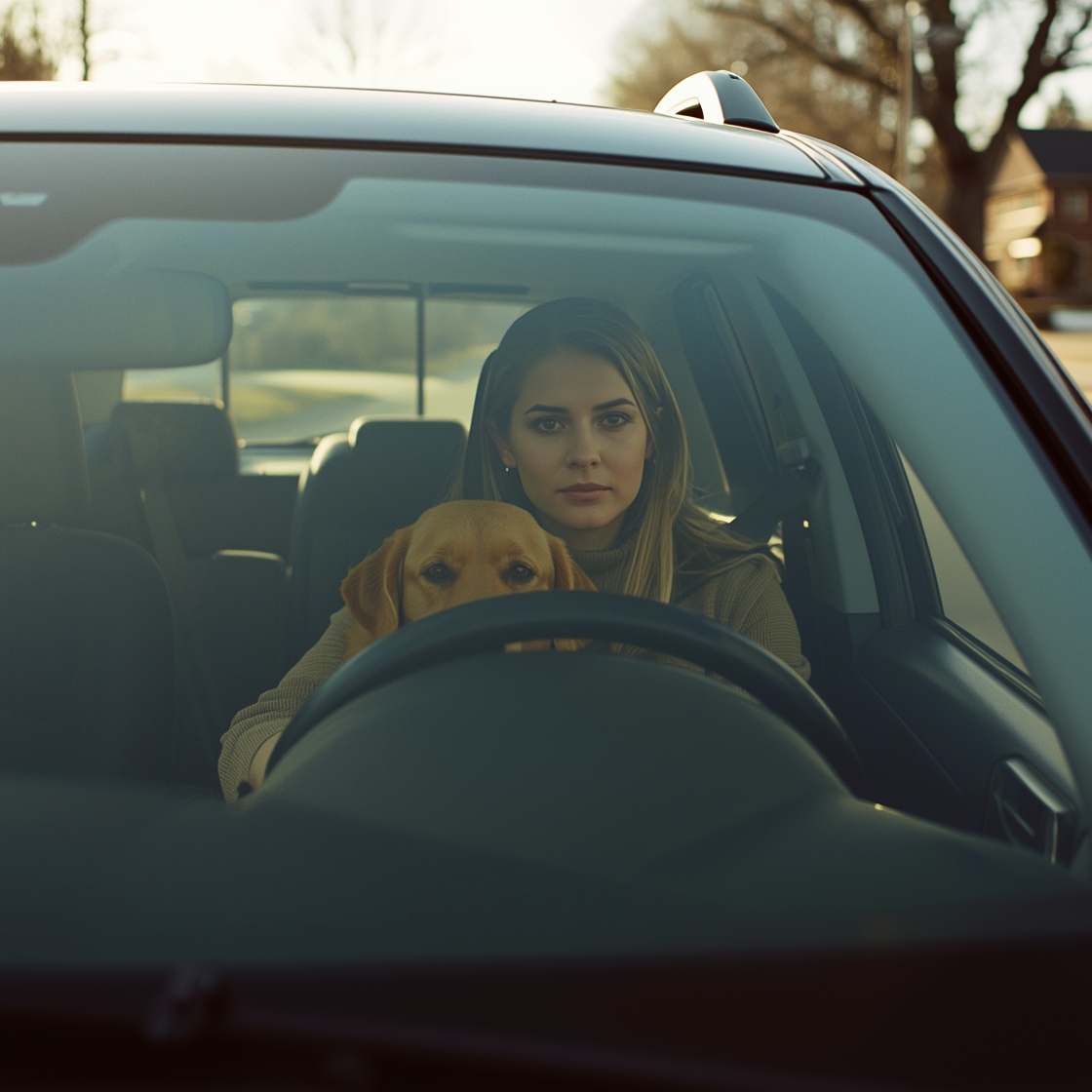
Mesh wins on weight, fold, and airflow. A 60-inch class net can live in a tote. Dogs can see the cabin, which some owner themes say lowers whining. The miss is belly and chew. A determined retriever treats mesh as a hammock.
Metal tubing wins on “does not fold when leaned on.” Install is slower. Storage is a sheet of hardware, not a grocery bag. Some owners report a clang on broken pavement. That is a trade, not a defect.
The market listing mix on our 24-URL fetch was 75% mesh-first. That is what shops cheap, not what a 70 lb jumper needs.
Hybrid wire-plus-mesh (JOYTUTUS class) is the middle: a backbone plus a screen. Price sits between $30 and ZooKeeper.
Useful printed features:
- Adjustable width with a number range, not only “universal.”
- Mount hardware that matches your hatch (hooks, headrests, tension rods).
- Mesh denier or “chew” language if you have a chewer — still not a bite test we ran.
- Removable, wipeable screen. Mud happens.
Cleaning: damp cloth on mesh; check rust on cheap steel. Machine-washable sleeves if the pouch says so. Do not bleach coatings off.
Why a barrier exists (distraction, not a clinic lecture)
An unrestrained dog in an SUV becomes a moving mass when you brake. The driver glances back. That glance is the crash-risk sentence in public safety copy — not a study we commissioned. A barrier’s job is zone control: cargo stays cargo, cabin stays cabin.
It does not:
- Replace a harness on a seat.
- Cool a parked car (AVMA heat guidance still applies).
- Make a chew-proof crate.
If the dog is already air-sick, snapping, or injured, that is a veterinarian. We are not that veterinarian.
Price bands for the best dog car barrier for suv
$29–$37. Gtongoko, ERYTLLY, NOAMOO, FEED GARDEN, Petboda. Mesh or light cargo steel. Short trips, smaller or calmer dogs.
$50–$60. JOYTUTUS. Adjustable stout. The card that exists between disposable nets and ZooKeeper.
$100–$130. ZooKeeper Original on this page. Tubular metal. Vehicle-fit discipline. Premium custom partitions from other brands live above this and are not cards here.
Pros and cons by class (not a secret ranking)
| Class | Key strength | Watch-out |
|---|---|---|
| Heavy tubular metal | Shape holds under lean | Weight, price, clang |
| Adjustable stout (JOYTUTUS) | Width range | Heavier than $30 mesh |
| Cargo steel (Petboda) | Hatch-specific wall | Install minutes |
| Tensioned mesh | Light, cheap, folds | Belly, chew, sag |
| Ultra-budget mesh | Floor price | Small-dog only |
Other vehicles
“Universal” sometimes clips to a sedan’s rear headrests or a wagon’s hooks. Measure. A barrier designed around SUV cargo height can sit low in a sedan and leave a climb-over. Trucks need hook points that exist. If they do not, you are shopping a crate, not a net.
Durability and retire
| Signal | Keep | Retire |
|---|---|---|
| Mesh | Tight, no hole at a buckle | Tear you can fit a muzzle through |
| Tubing | Straight | Bent from a dog launch |
| Straps | Webbing not frayed | Cracked plastic cam |
| Tension | Holds after a week of commutes | Daily re-cinch = wrong size |
Owner sag themes on NOAMOO-class mesh are why retension is on the checklist.
Frequently asked questions about the best dog car barrier for suv
Is mesh the best dog car barrier for suv for a 70 lb Lab?
No. Metal or a rigid partition class. Mesh flexes under lunging mass in a hard stop. Pair with a crate if you need a crash structure.
Are these barriers easy to install?
Mesh cards advertise tool-free minutes. Cargo steel and ZooKeeper take longer. “Under five minutes” is a listing theme, not a stopwatch we ran on your hatch.
Can I use an SUV barrier in a sedan or truck?
Sometimes, if hooks and width match. Confirm. Do not force a cargo-height wall into a sedan roofline.
How do I clean one?
Wipe mesh; rinse coated metal; wash removable sleeves per the pouch. Dry before storage so cheap steel does not rust.
How durable are they?
Tubular metal outlasts thin mesh in owner themes. Mesh fails at chew and belly. Inspect after any hard stop that loaded the screen.
Does a barrier replace a crash-tested crate?
No. See best crash tested dog crate for car travel. CPS lists kennels, not $30 nets.
Will a barrier keep my dog from being a projectile?
It reduces a forward cabin jump if it stays mounted. It is not a certified restraint. Clip a harness or crate the dog.
What about WeatherTech or other partitions?
Not a card on this URL. Shop those brands on their current fit guides. We will not rank a product we cannot show.
Job split: compact, mid, full-size, hatch vs cabin
| Job | Desk first pick on this page | Why | Skip |
|---|---|---|---|
| Compact, small dog | ERYTLLY or Gtongoko | Adjustable mesh, $30 | ZooKeeper |
| Mid SUV, mixed dogs | JOYTUTUS | Width + corners | FEED GARDEN |
| Hatch cargo wall | Petboda | Steel cargo language | Cabin-only net |
| Large dog, long trip | ZooKeeper | Tubing | $29 mesh |
| Occasional small-dog | FEED GARDEN / NOAMOO | Price, fold | Metal tax |
How we compiled the best dog car barrier for suv (desk method)
- Seven cards only. Prices $28.99–$124.95 are the listing snapshots on those cards.
- 24-listing Index scored mesh vs metal, printed width, mount words, and crash/certified words. 13% used crash language; none of those titles named CPS.
- No sled. We will not imply these nets were impact-certified. Crash kennels live on the CPS crate page.
- Killed paste-filler. Older expands repeated “monitor appetite and stool” three times on this URL. That is a food-page leftover. Gone.
Cargo vs cabin: two different best dog car barrier for suv jobs
Cabin barrier (most $29 mesh cards): sits behind the rear seat or at the seat-back, keeps a dog out of the driver’s elbow. Good when the dog rides the bench or the footwell behind the second row.
Cargo / hatch barrier (Petboda language; some ZooKeeper installs): walls the trunk so a dog in cargo cannot climb the seat-back into the cabin. Good when the second row is for humans.
A cabin net in a hatch-only install leaves a climb path over the seat. A cargo wall with the dog on the bench does nothing. Buy the zone you actually use.
Third row SUVs: a barrier at the second-row seat-back traps the dog in the third row — or traps a human if you guessed wrong. Measure the position, not the brochure.
Chew, claw, and escape modes
| Mode | What happens | Mesh $30 | JOYTUTUS class | ZooKeeper class |
|---|---|---|---|---|
| Lean / nap | Steady pressure | Belly over weeks | Better | Best on this URL |
| Lunge at a squirrel | Spike load | Flex, possible pop-off | Better if tensioned | Frame holds; check mounts |
| Chew the screen | Hole | Common fail | Possible | Mesh still chewable |
| Climb the seat-back | Over the top | If too short | If too short | If too short |
| Slip around the edge | Gap at the C-pillar | Universal miss | Measure | Fit-list miss |
Height beats brand. A short metal wall is still a climb. Measure from floor or from seat cushion — whichever plane the dog stands on.
Camera, airbag, and headrest warnings
- Rear camera / parking sensors: a low cargo wall can sit in the lens. Check the screen after install.
- Side curtain airbags: do not strap a rigid bar through a headliner airbag module. If you cannot name the airbag location, you should not drill. Stick to designed hooks.
- Active headrests: some crash headrests do not want a permanent clamp. Maker vehicle manuals win.
- Third-row belts: a barrier that buries a belt stalk is a passenger-safety problem.
When in doubt, cargo hooks and ZooKeeper’s vehicle list beat a YouTube “universal” hack.
Heat, ventilation, and crate pairing
A mesh barrier does not cool cargo. A dog in a closed hatch in August is the AVMA parked-car problem. Windows cracked is not a protocol.
If you crate in cargo and run a barrier, the crate still needs its own straps. The barrier is a second wall, not the crate’s tie-down. See CPS crate strap language on the crate article.
A hammock on the second row plus a cargo barrier is a valid split: humans/dog on the bench, gear in back — or the reverse. Do not run both slack.
Noise, rattle, and owner-theme fixes
ERYTLLY-class rattles are usually under-tension. Add a wrap of cloth at the rod-to-trim contact or retighten. Do not foam-fill a seat rail; you will break a mechanism.
Metal clang: rubber bumper tape at contact points. Still a metal product.
Two-vehicle households
JOYTUTUS exists for width range. ZooKeeper is often vehicle-specific — buying one and moving it weekly is how mounts loosen. A $30 mesh you leave in the commuter and a metal unit that stays in the road-trip SUV is cheaper than one “universal” that fits neither.
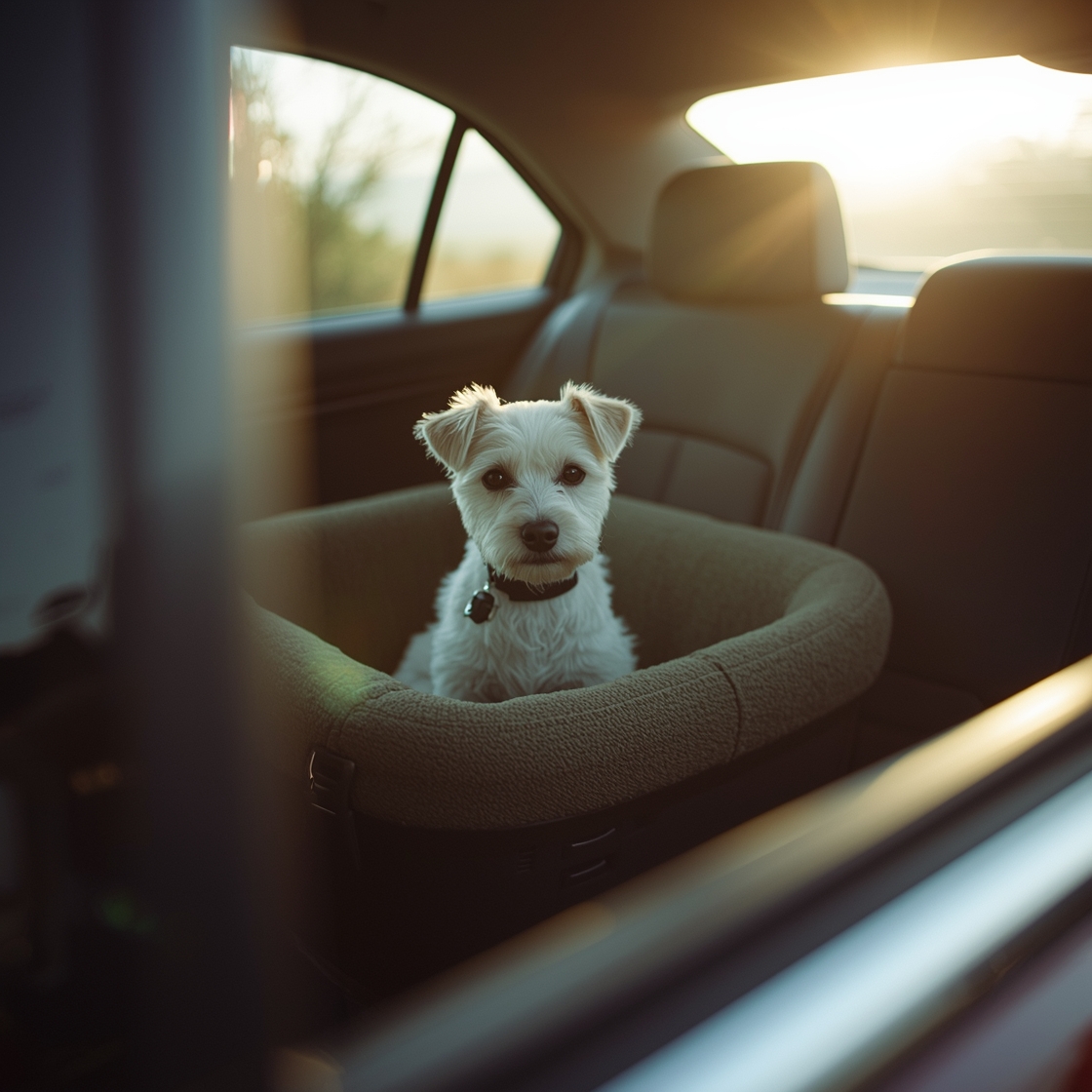
- A seat-back hammock (different URL).
- A plastic grocery-area net from the OEM that is meant for oranges.
- A baby gate jammed in a hatch (wrong hardware, airbag, and latch).
- A crate that is not strapped (that is a loose object).
Install checklist (print this)
- Measure narrowest cargo or cabin opening (width and height).
- Confirm hook / headrest / rod points exist.
- Dry-fit without the dog. Look for gaps at the C-pillar and floor.
- Tension. Shake the screen. If it drums, tighten. If the trim creaks, you are over-cammed.
- Sit in the driver’s seat. Mirror, camera, belt stalks.
- Short driveway test. Then a hard-brake in an empty lot — you watching the barrier, not the phone.
- Recheck after 50 miles. Mesh loosens. Hardware backs out.
You still should.
Legal and airline notes
This page is road SUVs. Cabin airline rules and IATA crates are a different scoreboard. A car barrier is not an airline crate.
Some states and countries have unrestrained-pet rules. We are not your lawyer. A barrier plus a harness is the desk default for highway miles.
Related internal links
- Best dog car hammock
- Best dog car seat cover
- Best crash tested dog crate for car travel
- How to get pet hair out of car seats
Breed-mass planning for the best dog car barrier for suv
We do not rank breeds. Mass and jump style matter more than the registration.
| Typical mass | Jump style | — | Second restraint |
|---|---|---|---|
| Under 20 lb | Hop | $29 mesh if taut | Harness still smart on highways |
| 20–40 lb | Climb | Stout adjustable or cargo steel | Harness |
| 40–70 lb | Lunge | JOYTUTUS class or ZooKeeper | Harness or crate |
| 70 lb+ | Launch | ZooKeeper or CPS crate | Crate preferred for crash job |
A calm 80 lb senior is not the same as a 40 lb adolescent. Shop the behavior you have.
Pickup trucks, wagons, and minivans
This keyword is SUV. A crew-cab truck often has no cargo opening behind a seat-back — the barrier job becomes a headrest net or a crate in the bed (bed crates are weather and tie-down problems; Wagons act like small SUVs; measure the D-pillar gap. Minivans have sliding-door geometry and second-row folds that eat “universal” width. If the seat walks on a track, a tension rod can pop when you slide the seat. Lock the seat first.
Used barriers and rust
A $40 used ZooKeeper with bent tubing is scrap. Mesh with a repaired hole is a starting tear. Hardware-store zip-ties are not a mount. Buy new hooks from the maker if the kit is incomplete. Missing hardware is how a “universal” net becomes a projectile of its own. Photograph the hook points before you order so the return window is not your measurement plan.
Night, fog, and visibility through the best dog car barrier for suv
High-visibility mesh on ZooKeeper-class products is a driver sightline through the cargo zone, not a headlight. A black $29 net in a dark hatch disappears in the rearview. That is annoying, not illegal. If you reverse toward a person or a cart you cannot see through the net, the net is in the wrong job — use the camera, or drop the net for that maneuver.
Fogged cargo glass plus a dirty mesh is two filters. Wipe both.
Grocery, gear, and the dog in the same hatch
A cargo barrier that also has to hold Costco piles will lose. Either the dog gets a crate footprint and the bags go beside, or the bags go on the bench (humans permitting) and the dog gets cargo. A net bowed by a 24-pack is a gap. Petboda-class steel still has a plane; do not lean a fridge on it.
Roof-box weekends: weight in the hatch changes how a dog braces. Recheck tension after you load.
Seasonal salt and the metal frame
Winter slush on a steel barrier is a rust plan. Rinse the feet of the frame when you rinse boots. Cheap powder coat chips; that chip rusts. ZooKeeper-class coatings last longer in owner themes. A rusty foot that stains carpet is a $12 towel problem until it becomes a $200 clean.
Training a dog to the best dog car barrier for suv
A barrier that appears on trip one in a new SUV is a sudden wall. Owner themes: 5–10 minutes of treats on the safe side of the barrier in a parked, cool car, then a short loop. Do not debut a mesh on a four-hour highway run with a dog that has never seen it. A panicked climb is how cheap clips pop.
One variable at a time: new barrier or new route. Not both. If the dog already crates, practice the crate behind the barrier in the driveway so the wall is boring before the highway.
Contact if a fit listing changed.