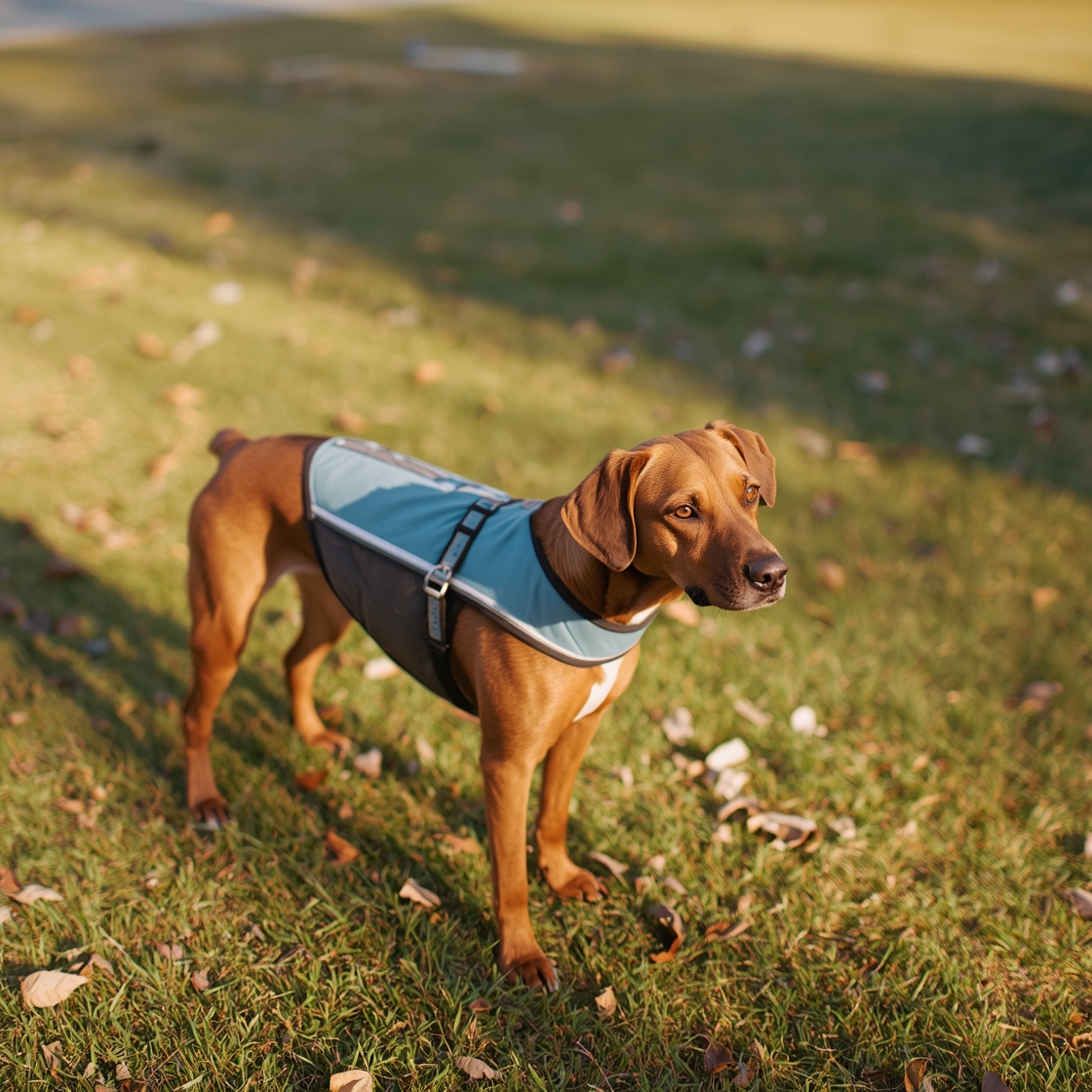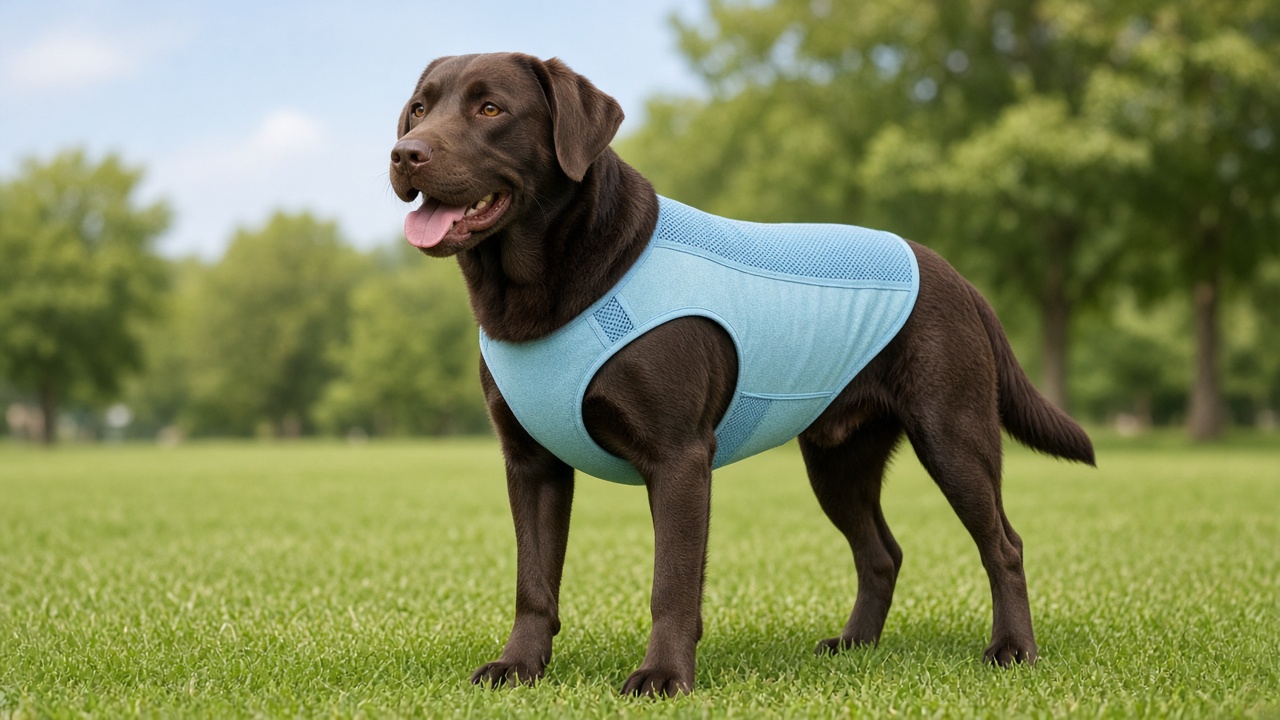
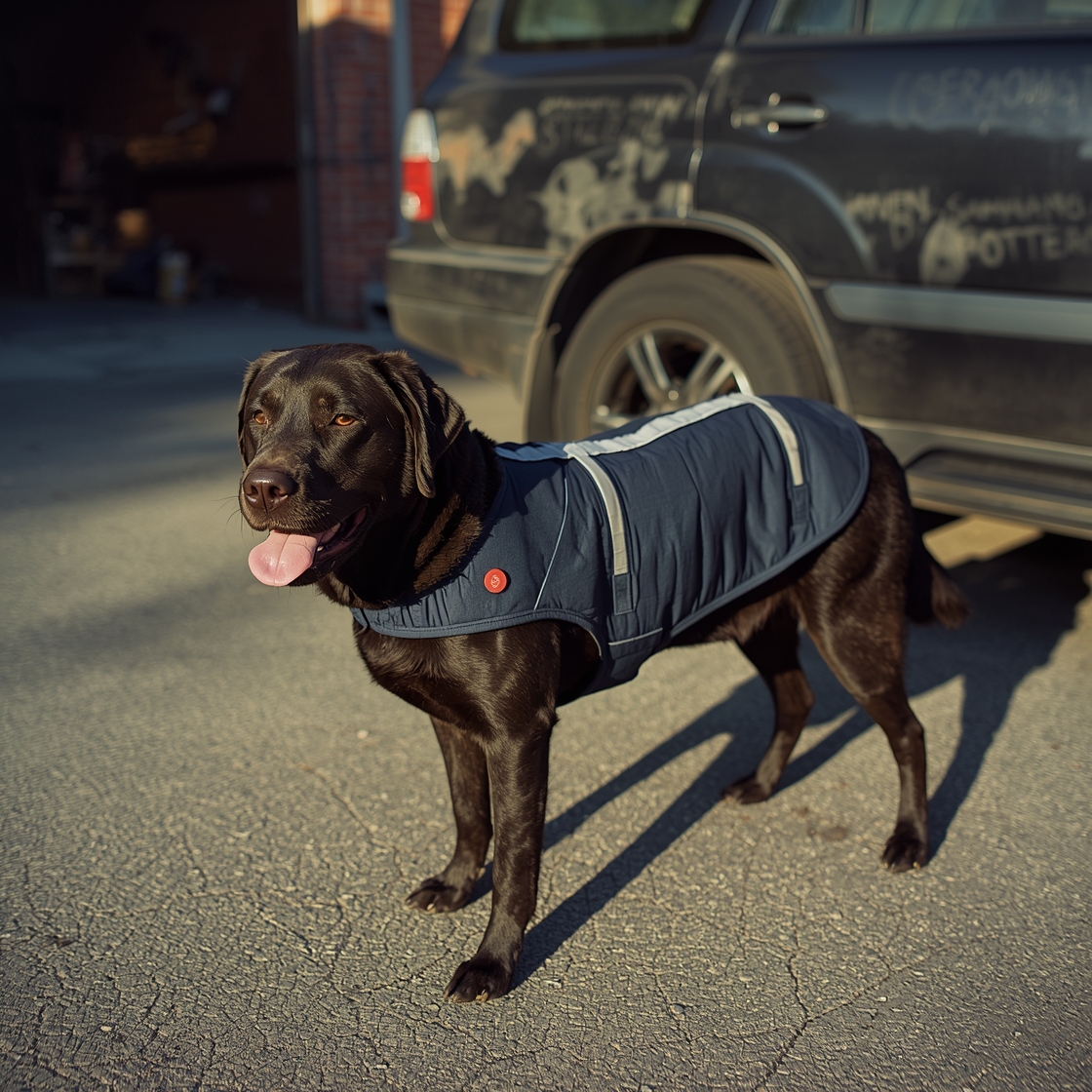
The best dog cooling vest for large breeds is an XL/XXL evaporative or pack vest whose girth band starts near 36–48 inches, covers loin and flank instead of ending as a crop-top, and uses belly straps that do not saw a deep chest. The We read the titles and descriptions of the seven catalog SKUs on this page on four buyer-visible signals: mechanism (soak vs ice vs PCM), listed extras (collar, pack count), card price, and whether the listing language even admits XL. Card snapshots sum to $293.40. Horay World at $93.99 is 32% of that stack alone. Spark Paws at $20.24 is the floor. 0 of 7 cards replace shade, water, or a shorter walk on blacktop.
Small-dog vests leave lumbar and flank exposed on a 70-lb dog. That is a coverage problem, not a colorway problem. Measure girth. Then measure length. Then open that chart.
Our guides are reader-supported. This article may contain affiliate links. As an Amazon Associate we may earn a commission if you buy through links, at no extra cost to you.
Related: the general 2026 catalog is best dog cooling vest. UV-language vests live here. Beds are cooling dog beds.
Quick picks at a glance
- Premium ice-pack ticket: Horay World — $93.99.
- Ice pack + collar: LUCOLOVE — $46.45.
- Collar + vest, this URL’s CoolerDog card: CoolerDog — $44.99.
- Named evaporative / simple soak: DOGZSTUFF — $31.75.
- Breathable daily theme: KYEESE — $31.99.
- PCM four-pack theme: SAVIOR COOL — $23.99.
- Budget first try: Spark Paws — $20.24.
What the best dog cooling vest for large breeds actually means
The aisle sells a Medium photo of a Golden and an XL checkbox. The desk sells three jobs:
Four facts belong on the first screen of any best dog cooling vest for large breeds decision:
- Large dogs store more heat and have more blacktop pad contact. A vest on the back does not cool the pads. If you cannot hold your hand on the asphalt, do not trot a 80-lb dog on it. AVMA hot-weather safety is the welfare page. AKC heatstroke is the sign list.
- A $94 vest is not automatically XL. Horay World is a price. Confirm the size in the cart.
- Giant breeds (Dane, Mastiff, Swissy) fail length more than girth. Many L/XL cuts are short on spine. Measure both.
What
How large breed girth listings compare on labels
These tables are desk compilations from listed prices, title cues, and August 2026 card snapshots. Prices move. Heuristics, not lab output.
Table 1 — Card price, mechanism, large-breed cue
| Product | Card price | Mechanism class | Large-breed cue |
|---|---|---|---|
| Horay World | $93.99 | Reusable ice packs | Premium ticket; confirm XL in cart |
| LUCOLOVE | $46.45 | Ice + collar | Coverage theme; bulk |
| CoolerDog | $44.99 | Vest + collar, ice theme | Same family as the 2026 page; price differs on this card |
| KYEESE | $31.99 | Breathable soak / mesh theme | Daily walk; less “pack power” |
| DOGZSTUFF | $31.75 | Evaporative soak | Humidity weakens it |
| SAVIOR COOL | $23.99 | 4 PCM, “3+ hours” title | Bulk on a deep chest; freeze |
| Spark Paws | $20.24 | Light soak | First try; re-wet often |
Desk stat: The price spread on this URL is $73.75 ($20.24 to $93.99). That spread is ticket, not a °F ranking we produced. If your search is best dog cooling vest for large breeds and you only sort by stars, you will buy a small-photo vest that ends at the ribs.
Table 2 — Breed class vs girth / length (desk heuristic)
| Class (examples) | Typical girth | Typical vest length need | Desk size start |
|---|---|---|---|
| Large 55–70 lb (Lab, Golden, Boxer) | 32–38 in | 18–22 in | L — confirm chart |
| XL 70–90 lb (GSD, big Lab, Rottie) | 38–44 in | 22–26 in | XL |
| Giant 90+ lb (Dane, Mastiff, Bernese) | 44–52 in | 26–30 in | XL/XXL or leave the aisle |
| Deep chest, not just heavy (Dane, sighthound mix) | High girth, narrow waist | Long spine | Length fails first |
| Barrel chest (Bully, some shepherds) | High girth, short back | Wide belly straps | Slip-off |
This is a desk heuristic. Always use the SKU chart. A 70-lb long dog is not a 70-lb compact dog.
Table 3 — Mechanism vs large-dog outing
| Outing | Soak evaporative | Ice pack | PCM | Skip the vest |
|---|---|---|---|---|
| Neighborhood walk, dry, 80°F | Default | Optional | Optional | If the dog already cannot pant well |
| Humid 90°F sidewalk | Weak | Better theme if you can freeze | Better theme | Often the right call is no walk |
| Lake hike, stream access | Strong — re-wet | Packs thaw | Packs thaw | Never skip water |
| Beach, no shade | Vest is a layer | Vest is a layer | Vest is a layer | Sand and water plan first |
| Blacktop midday | Not enough | Not enough | Not enough | Do not go |
Table 4 — Coverage fail modes on large frames
| Fail | What you see | Fix |
|---|---|---|
| Crop-top | Loin and flank dry and hot | Longer size or different cut |
| Necklace | Vest rides to the shoulders | Belly strap + length |
| Sawing armpits | Red skin after 20 minutes | Wider straps, size up |
| Pack bulge | Dog refuses to gait | Fewer packs or soak-only |
| One-side slide | Vest under one elbow | Dual chest clips, tighter belly |
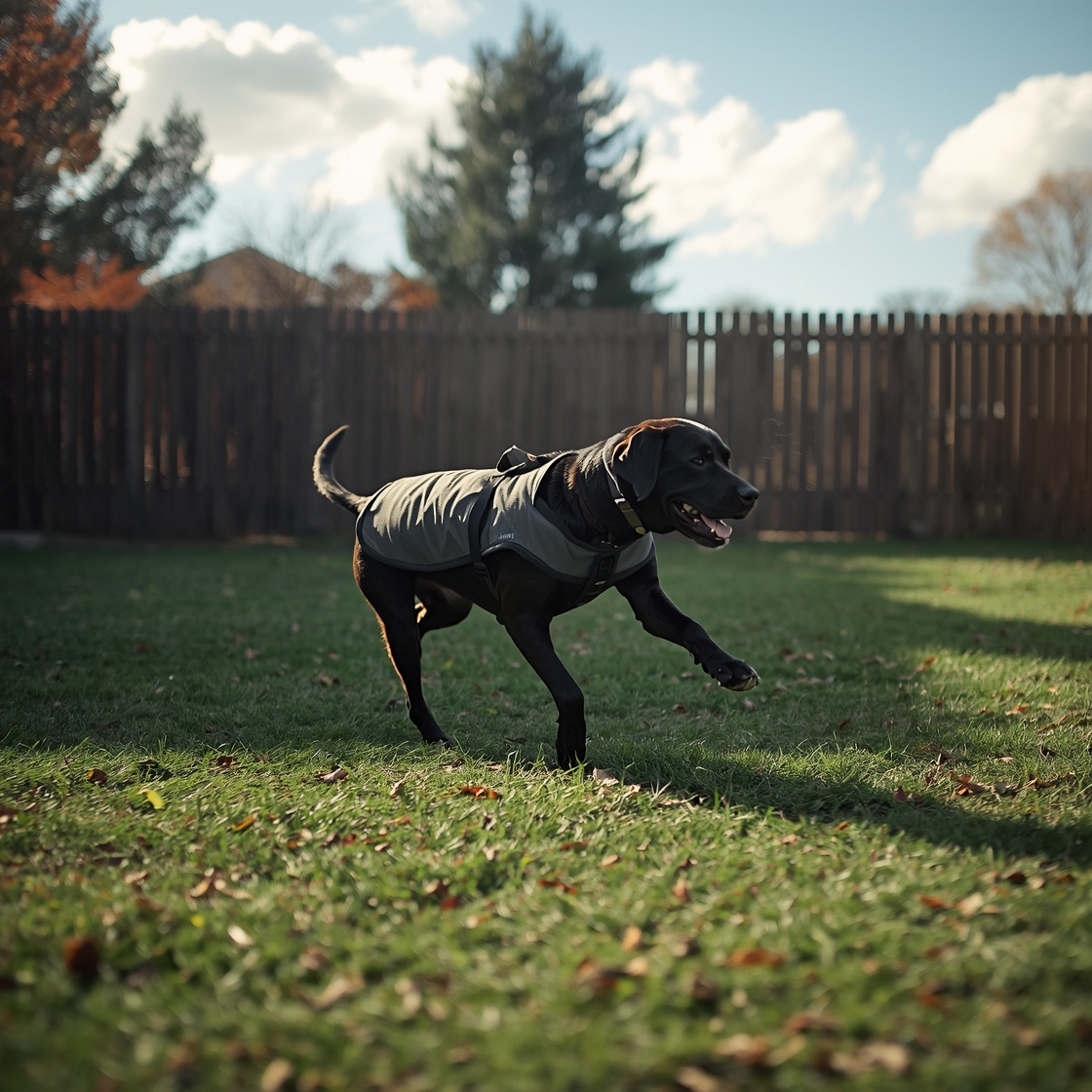
Table 5 — Card math (August 2026 snapshots)
| Stack | Example SKUs | Snapshot total | Who it is for |
|---|---|---|---|
| Budget soak | Spark Paws | $20.24 | First fabric, then size up |
| PCM experiment | SAVIOR COOL | $23.99 | Freezer, accept bulk |
| Daily mesh | KYEESE or DOGZSTUFF | $31.75–$31.99 | Short walks, dry air |
| Collar pair | CoolerDog or LUCOLOVE | $44.99–$46.45 | Neck + torso theme |
| Premium ice | Horay World | $93.99 | Only if XL exists in the cart |
| All seven | Collection | $293.40 | A closet, not a summer plan |
How the desk scores the best dog cooling vest for large breeds
We do not score “high-CADR carbon layers.” Four checks:
1. Does the chart print a girth that includes 36–48 inches? If the first size is 28 inches, leave.
2. Is the length enough for loin coverage? Girth-only shopping is how Danes get crop-tops.
3. Can you recharge on this outing? Stream vs freezer. Pick one.
4. Will you still rest every 15 minutes above ~78°F on blacktop? Desk heuristic, not a trial. Pads still cook.
Top picks — seven catalog vests
Cards below are the catalog lines for this URL. Specs are the maker’s. They change.
1. LUCOLOVE Dog Cooling Vest with Ice Pack & Cooling Collar
Best for: a large-dog household that wants a collar and a vest and has a freezer.
Card price $46.45. Comprehensive coverage is the pitch. Owner themes: more surface than a tiny soak vest; bulkier than mesh. Confirm XL. A small-dog set on a GSD is a crop-top with a necklace.
Pros: Collar + pack; coverage theme Cons: Bulk; freezer; size must be XL
2. SAVIOR COOL Dog Cooling Vest Harness 4 PCM Ice Packs Up to 3+ Hours
Best for: PCM math when four packs still leave the dog able to gait.
Card price $23.99. “3+ hours” is title copy. Owner themes: longer clock while packs are in phase; freezer required; bulk. On a large chest, four packs can sit like armor. If the dog will not move, you bought weight, not cooling.
Pros: Pack count; low ticket Cons: Bulk; title hours are a claim
3. Horay World Dog Cooling Vest with Reusable Ice Packs
Best for: the premium best dog cooling vest for large breeds ticket on this URL when the cart size is actually XL.
Card price $93.99. Construction and ice packs are the pitch. Owner themes: you are paying for materials and packs; the price is the con if the size is wrong. ” Confirm the size. Confirm the pack count in the box.
Pros: Highest build-ticket theme; reusable packs Cons: Highest price; size still on you
4. DOGZSTUFF Dog Cooling Vest
Best for: a simple soak when the air is dry and you will re-wet.
Card price $31.75. Easy soak-and-wring is the pitch. Owner themes: instant damp relief; humidity kills the clock. That is evaporative physics. Do not fight it with “more hope.”
Pros: Simple; mid-low ticket Cons: Humidity; confirm XL length
5. CoolerDog Dog Cooling Vest & Cooling Collar
Best for: flexible ice inserts plus a collar when you want the set without Horay’s ticket.
Card price $44.99 on this card (the 2026 general page lists CoolerDog at $39.99 — different snapshot or listing). Owner themes: flexible packs move with the gait; refreeze. Same collar warning as elsewhere: do not choke a panting neck.
Pros: Collar + flexible packs Cons: Freezer; confirm XL
6. KYEESE Dog Cooling Vest
Best for: a breathable daily walk vest when you do not need ice armor.
Card price $31.99. Mesh and easy on/off are the pitch. Owner themes: neighborhood walks; less “power” than pack vests. That is fine. A 15-minute shady loop does not need $94 of ice.
Pros: Light; easy Cons: Not a pack system; size still matters
7. Spark Paws Dog Cooling Vest
Best for: the cheapest first fabric to see if a large dog will wear a vest.
Card price $20.24. Minimalist is the pitch. Owner themes: light; frequent re-wet. If XL does not exist in the cart, this is the wrong URL outcome. Do not stretch a Medium across a Rottweiler.
Pros: Floor price; light Cons: Coverage and clock; confirm XL

Price bands — what $20 vs $94 actually buys
Budget (under $25). Spark Paws $20.24, SAVIOR COOL $23.99. You buy a first soak or a PCM experiment. You still need XL.
Mid ($30–$47). DOGZSTUFF $31.75, KYEESE $31.99, CoolerDog $44.99, LUCOLOVE $46.45. You buy soak simplicity or a collar set.
Premium ($94). Horay World $93.99. You buy a high ticket and reusable packs. You do not buy a desk-measured °F.
Hidden cost: a crop-top return and a week of 95°F with no vest. Measure twice.
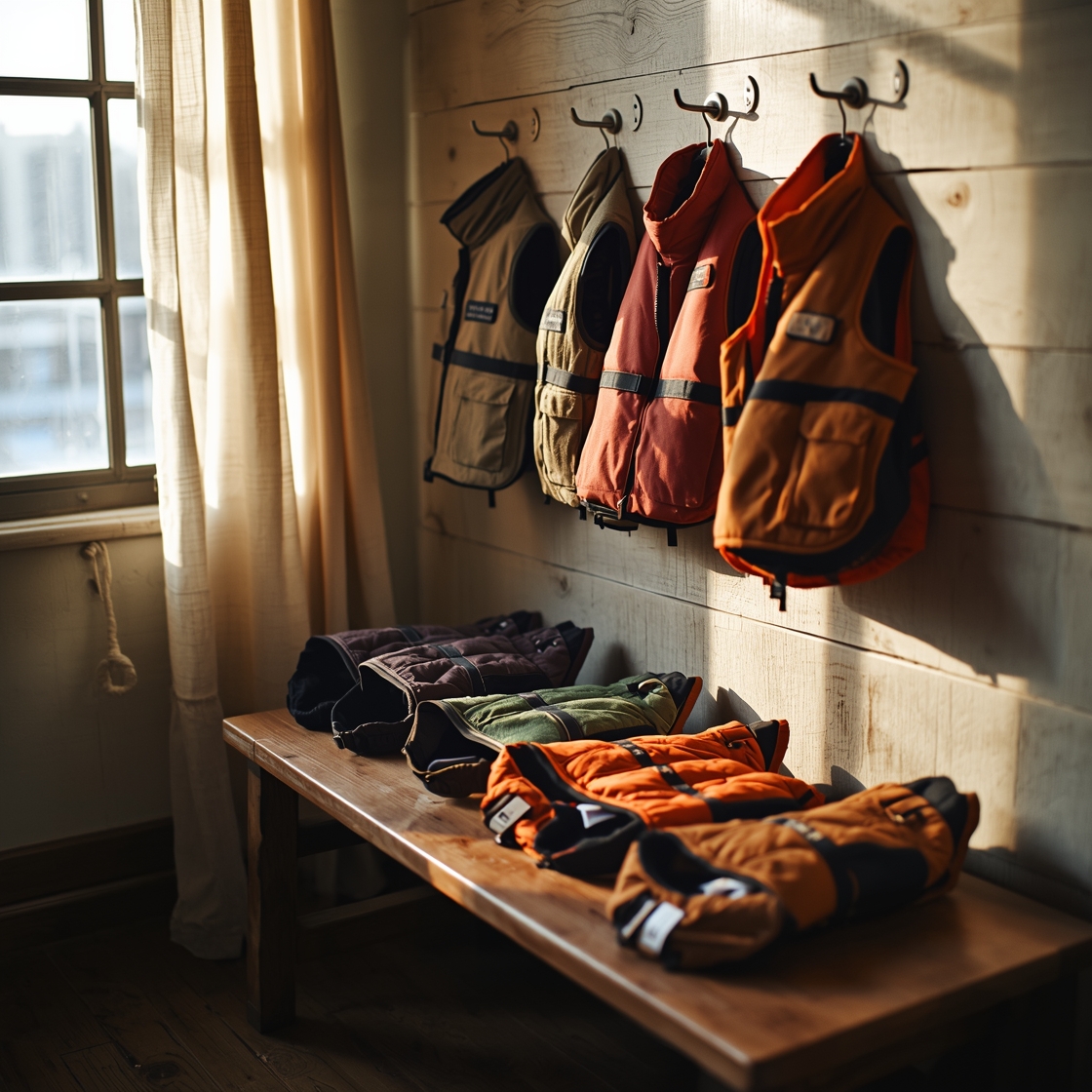
Soak and pack protocol for a large dog
- Girth and length on paper. Compare to the chart in the cart, not a memory of “Lab size.”
- Soak or freeze the night before if the outing is morning. PCM and ice need lead time.
- On the dog, two fingers, even fabric, loin covered. If the loin is naked, size is wrong.
- Walk shorter than winter. Rest in shade. Water. Check gums.
- Re-wet or swap. Dry fabric is a T-shirt. Thawed packs are weight.
- Rinse, dry flat. A 4-lb damp vest in a pile is mildew.
Never leave a large dog in a parked cabin because “the vest is on.” AVMA does not make an exception for Labs.
Seven buying mistakes the Girth we keep seeing
Medium photo, XL dog. Then a crop-top.
Believing a private 4.2°F drop on a shopping URL. This desk did not measure that. Neither should you trust a blog that did not.
Four PCM packs on a dog that will not gait. Weight is not cooling.
No length measurement on a Dane. Girth-only.
Blacktop at 2 p.m. Pads still lose.
Collecting $293 of cards. Buy one XL that fits.
Using this page as a small-breed guide. Use the 2026 page.
When a large-breed heat question is a clinic question
Heavy panting that will not settle in shade, brick gums, collapse, vomiting, a dog with laryngeal paralysis or heart disease, a first summer after a move to a hot city. Book the clinic. Cool as public AKC/AVMA pages describe. Nothing here is veterinary review.
What this seven-card catalog is not
It is not expert testing. It is not a fan vest. It is not a gel bed. It is not a Ruffwear size clinic. It is not permission to add miles.
Fit worksheet for a large-breed vest
- Girth at the widest rib.
- Length, withers to tail base.
- Chest depth (a tape from spine to brisket helps on Danes).
- Where the harness already sits — the vest cannot fight it.
- Outing type and freezer access.
- Coat: will ice sit on skin or on three inches of Bernese?
If 1 is over 44 inches and 2 is over 26 inches, many Amazon “XL” photos still fail. Read the number, not the letter.
A best dog cooling vest for large breeds purchase that skips 1–2 is a return.
Walkers, daycare, and the 80-lb logistics problem
An XL wet vest weighs more than a toy-dog vest. Walkers need a place to wring it. Daycares need a rule. PCM packs in a van without a freezer are dead weight by 10 a.m.
Write it down. Do not assume a stranger will refill four SAVIOR COOL packs.
How we researched this guide
What we do not do: we do not run chambers, we do not publish °F we measured, we do not employ a veterinarian. Limitations: prices move; CoolerDog’s card price differs from the sister URL; lists change. A clinic plan supersedes this page.
Lab, shepherd, Dane, bully — four large frames
Labrador / Golden (55–80 lb). Average girth often lands in L/XL. Coat holds water after a lake — a soaked vest plus a wet coat is heavy. Wring. The best dog cooling vest for large breeds for this frame is usually a long-enough XL soak or a pack vest that does not block the shoulder.
German Shepherd / Malinois. Deep chest, tucked waist. Vests slide. Belly strap and a second chest clip matter more than a $20 price.
Great Dane / sighthound-tall. Length fails. If the vest ends at the last rib, keep shopping. Some giants need custom or a coat-style cooler. We will not pretend Spark Paws Medium exists for that dog.
Bully / wide chest. Girth is huge, back is short. Wide belly straps. Watch armpit saw. Ice packs that sit on the point of shoulder will get shrugged off.
Bernese / Newfoundland. Coat + mass + summer is a whether to go out question. A vest is a maybe. Many owners skip midday entirely. That is competence, not failure.
Blacktop, fields, and water work
City sidewalk. Hand test. Rest every block if the air is ugly. Vest on the back, pads still cook.
Agility / sport field. Shade tent. Water. Vest between runs, off when the dog is working if it changes gait. 2°F.”
Swim. A vest can stay on if the maker says the packs tolerate water. A soaked evaporative vest in a lake is just wet fabric — the lake is doing the work. After: rinse, dry.
Barn / farm. Dust plus damp PVA is mud. Rinse the same day.
Two-dog households
Two XL vests. Two soak buckets. Do not share one Medium. A 40-lb dog and an 80-lb dog are not a “large” average.
If only one dog overheats (the black Lab, not the small mix), vest the one who needs it. The other dog does not need $94 of ice for solidarity.
Cost per summer
Spark Paws $20.24 plus one correct XL DOGZSTUFF $31.75 is $51.99 if you needed a cheap handling test and a real soak. Horay at $93.99 is a single bet. Seven cards at $293.40 is a drawer.
A single ER visit for heatstroke dwarfs any card. The vest is still not the ER.
Frequently asked questions
Will the best dog cooling vest for large breeds fit a deep-chested Dane?
Only if that listing’s girth and spine length match. Many L/XL cuts run short on a 32-inch-deep chest. Measure both. The best dog cooling vest for large breeds on this URL is the vest whose inches match your tape, not the word “large” in a title.
How do dog cooling vests work?
Soak fabric evaporates. Ice/PCM holds a cold reservoir until it warms. Large dogs still pant. The vest is a layer.
Are cooling vests safe for my dog?
A damp, well-fitted vest on a healthy dog is common management. A frozen pack against thin skin is a maker-instruction question. A vest on a collapsing dog is not treatment.
Can I use these vests on small breeds?
Some sizes go down. This URL is the large-girth problem. Start on the 2026 page for mixed sizes.
How do I clean a large cooling vest?
Rinse, dry flat, follow the label. Open pack pockets. A seam split leaks water — retire or repair.
Do I need the $94 Horay World?
Only if the size is right and you want that pack system. KYEESE or DOGZSTUFF at ~$32 may be the actual walk you take.
Does a vest cool paw pads on asphalt?
No. Pads still cook. Change the route or the hour.
Can I hike a Bernese in a vest at 90°F?
The coat and the heat are the limit. A vest is a layer. Many owners skip the hike. That is a valid choice.
Why is CoolerDog $44.99 here and $39.99 on the 2026 page?
Different card snapshots on different URLs. Prices move. Check the live tile.
Can I use a human cooling towel as a large-dog vest?
Tied towels shift and choke. Buy a cut that is a vest. A towel is a shade-rest tool, not a gait tool.
How many ice packs does a 90-lb dog need?
The number that still lets the dog trot. Four PCM packs that turn the vest into armor are too many. Coverage beats stack height.
Should I shave my large dog instead?
That is a groomer and clinic debate. A vest is not a shave. We will not write a clipper protocol.
Related pages
- Best dog cooling vest (2026 catalog)
- Best dog cooling vests with UV protection
- Best cooling dog beds
Weekend scripts for an 70–90 lb dog
Saturday 6:15 a.m., dry, 76°F. Optional damp vest. Neighborhood loop. Off, dry flat.
Saturday 1:00 p.m., 91°F. Indoor. Frozen lick mat. No “quick potty sprint” across a parking lot you cannot stand on.
Sunday lake. Swim does the cooling. Vest in the tote for the walk back to the car if the lot is a griddle. Wring. AC on before the dog loads.
These scripts are husbandry. They are not a trial. The best dog cooling vest for large breeds is the one that fits the script you will actually run.
Decision tree: XL soak, XL packs, or stay home
Girth 36–44 in, length covered, dry morning walk. DOGZSTUFF or KYEESE if XL exists. Spark Paws only as a handling test.
Same dog, freezer at home, humid afternoon you still insist on a short potty. LUCOLOVE or CoolerDog. Collar loose.
You want the high ticket and the cart is XL. Horay World. Measure twice.
Four PCM packs make the dog refuse to trot. Remove packs or change SKU. Weight is not cooling.
Girth over 48 in or a Dane-length spine. Many of these seven will fail. Keep shopping or skip the outing.
Blacktop at 2 p.m. Stay home. The vest will not save the pads.
If you are still undecided: measure girth and length, buy one XL soak or one XL pack vest, and run the Saturday 6:15 script. A $293 drawer does not make a 90°F Bernese hike safe. Write the girth on the vest bag so the next heat wave does not start with a guess. Inches first. Then fabric. Then a shorter walk than you wanted. That sentence is the large-breed summer plan, vest or no vest on that one large dog.
Sources
- AVMA — Hot weather pet safety: https://www.avma.org/resources-tools/pet-owners/petcare/hot-weather-pet-safety
- AKC — Heatstroke in dogs: https://www.akc.org/expert-advice/health/heatstroke-in-dogs/
- Manufacturer listings for the seven cards (confirm XL girth and length at purchase)
Last reviewed: August 2026. If something is stale, contact us.