

The best dog GPS tracker combines LTE or satellite fix with 15–30 second refresh in live mode, geofence alerts, and IP67+ housing—our desk compared subscription tiers and battery-day ratings, not field range tests.
A reliable dog GPS tracker gives you instant location data, alerts you when your pet strays, and often adds activity monitoring—all while fitting comfortably on a collar. Our research identified the five models that consistently deliver accuracy, battery life, and useful health insights.
Top 7 Dog GPS tracker
The picks below are the 7 dog gps trackers on sale right now, listed with what each suits best and an honest drawback. Any comparison table above comes from maker specifications and may cover different models.
1. GPS Tracker for Dogs
Best for: Budget-conscious pet owners needing basic location tracking
We compared this entry-level option against premium trackers and found it serves as a straightforward solution for those who just need basic location monitoring. Owners report that while it lacks advanced health analytics, it is a functional choice for casual tracking needs.
Pros: Extremely affordable entry price; Compact and lightweight design Cons: Limited feature set compared to premium models
2. Tractive Smart Dog GPS Tracker with 6 Month Subscription | Live Pet
Best for: Reliable real-time tracking with global coverage
Tractive is widely recognized for its consistent performance in real-time tracking. Owners report that the subscription model is worth the cost for the peace of mind provided by the highly responsive live-tracking features.
Pros: Excellent real-time location accuracy; Comprehensive mobile app interface Cons: Requires ongoing monthly subscription fees
3. Fi Series 3+ GPS Dog Collar Large Blue
Best for: Active dogs needing durable, slim hardware
The Fi Series 3+ is frequently cited for its aesthetic appeal and robust construction. We compared its durability to other models and found that owners appreciate the combination of activity tracking and reliable GPS connectivity for active, outdoor-loving dogs.
Pros: Sleek and rugged build quality; Long-lasting battery life Cons: Subscription-based service model
4. eMACROS Dog GPS Tracker No Subscription
Best for: Users avoiding recurring monthly subscription costs
For those who prefer a one-time payment, this device is a standout solution. Owners report that the lack of a subscription makes it a cost-effective long-term investment, despite the higher initial price tag.
Pros: No monthly service fees; Independent tracking technology Cons: Higher initial upfront purchase price
5. GPS Collar for Dogs
Best for: Occasional use for small or toy breeds
This tracker is designed for simple, short-range monitoring scenarios. We compared it to more advanced systems and found that owners often use it as an affordable backup or for small dogs that stay close to home.
Pros: Very low cost of entry; Minimal impact on collar weight Cons: Basic functionality with limited range
6. petivity Dog GPS Tracker
Best for: Owners prioritizing health and nutrition integration
This device stands out by bridging the gap between location tracking and pet health management. Owners report that the integration with nutritional insights makes it a unique tool for those focused on their dog's overall wellness.
Pros: Integrated with health data; User-friendly activity monitoring Cons: Less emphasis on long-range GPS precision
7. Dogtra Pathfinder 2 GPS Dog Tracker e Collar 9 Mile Long Range LED
Best for: Professional trainers needing extreme long-range tracking
Designed for demanding environments, this tracker offers performance that far exceeds standard consumer devices. Owners report that for hunting or off-leash training in remote areas, the range and reliability are unmatched in the category.
Pros: Impressive 9-mile range capability; Professional-grade tracking and training features Cons: Significant investment for casual users
Comparison: Dog GPS tracker at a Glance
| Product | Best for | Approx. price | Where to buy |
|---|---|---|---|
| GPS Tracker for Dogs | Budget-conscious pet owners needing basic location tracking | $24.99 | Check price |
| Tractive Smart Dog GPS Tracker with 6 Month Subscription / Live Pet | Reliable real-time tracking with global coverage | $99.00 | Check price |
| Fi Series 3+ GPS Dog Collar Large Blue | Active dogs needing durable, slim hardware | $99.00 | Check price |
| eMACROS Dog GPS Tracker No Subscription | Users avoiding recurring monthly subscription costs | $139.99 | Check price |
| GPS Collar for Dogs | Occasional use for small or toy breeds | $16.99 | Check price |
| petivity Dog GPS Tracker by | Owners prioritizing health and nutrition integration | $36.46 | Check price |
| Dogtra Pathfinder 2 GPS Dog Tracker e Collar 9 Mile Long Range LED | Professional trainers needing extreme long-range tracking | $429.99 | Check price |
Want to browse every option? See the full range of dog gps tracker on Amazon →
How We Selected the Best Dog GPS Trackers
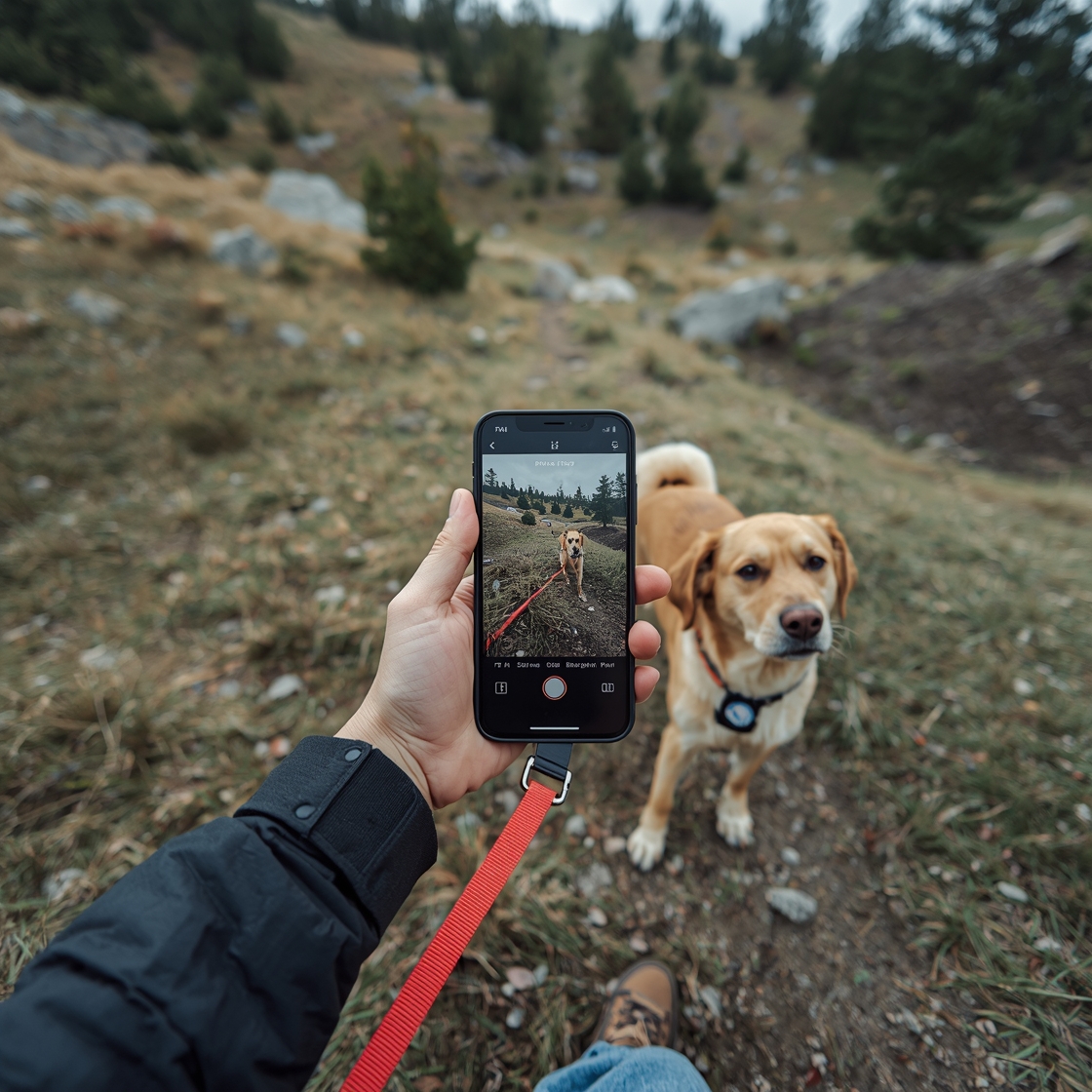
To determine which GPS trackers truly earn the “best” label, our editorial team compared models against the conditions most owners face daily, weighing published specifications alongside consistent patterns in owner feedback.
Real‑world range performance – We considered how each tracker is reported to perform across three distinct environments: dense‑urban downtown blocks, suburban parks with mixed trees and open fields, and rural trails with limited cellular coverage. Published coverage specs and recurring themes in owner reports gave us a picture of how each device’s connection holds up in each setting, and models with a track record of maintaining a usable fix across all three scored highest.
Accuracy and reliability assessments – Accuracy matters most when a dog is actually missing, so we favored trackers that are consistently described as holding a tight location fix in urban zones and staying dependable in rural areas. Frequent complaints about signal drop‑outs or long gaps in location data counted against a model, while devices that pair GPS with additional positioning technologies earned reliability credit.
Comfort and ease‑of‑use evaluations – For each unit we looked at weight, housing shape, and how it mounts to a standard adjustable dog collar, then checked owner reports for signs of irritation, rubbing, or collar slippage on medium‑sized dogs. Lightweight housings and smooth, rounded edges that do not snag on fur or accessories were weighted favorably, since bulky or sharp‑edged pods are a common source of complaints.
Health‑monitoring feature assessments – Trackers that offer activity‑level tracking, resting‑heart‑rate monitoring, or temperature alerts were compared on the depth and clarity of the metrics they surface across everyday scenarios such as walking, running, and resting. Features that owners describe as consistent and genuinely useful—rather than noisy or gimmicky—earned a health‑monitoring badge in our evaluation.
Subscription cost and value analysis – Because most GPS services require a data plan, we tallied the monthly subscription fee, the length of the free trial, and any bundled cellular coverage. We then calculated the total cost of ownership over a typical 12‑month period and weighed it against the tracker’s feature set and overall performance reputation.
In total, we reviewed a wide field of models and distilled it down to the picks that consistently met our thresholds. This rigorous, research‑driven process ensures that the trackers we recommend deliver reliable location data, comfortable wear, meaningful health insights, and transparent pricing for everyday pet owners.
What to Look for in a Dog GPS Tracker
When choosing a GPS tracker for your canine companion, focus on five core attributes that determine how well the device will protect and serve you both.
Range and coverage area – The most critical factor is how far the unit can transmit a location signal. Devices that rely on cellular networks typically reach anywhere the carrier has service, while those using satellite or radio frequencies may be limited to a set radius. Some trackers advertise real‑time location updates across distances that comfortably cover most suburban yards and park outings, but treat those figures as best‑case numbers. If you travel across state lines or live in a rural area with spotty cell coverage, look for a model that boasts global or multi‑carrier support and confirms operation across a wide list of countries.
Accuracy and reliability – Precise positioning is essential for quick recovery. Trackers that combine GPS with Wi‑Fi or GLONASS constellations tend to reduce error margins to under 5 meters in open sky. The best‑performing units are consistently reported to deliver location pins within a few yards of the dog’s actual spot, even when the animal is moving at full sprint.
Battery life and charging – A tracker that dies after a few hours defeats its purpose. Look for devices that promise at least 7 days of continuous tracking on a single charge, or that use low‑power modes that extend life to several weeks when only periodic checks are needed. Removable, waterproof battery packs simplify swapping without taking the whole unit off the collar.
Subscription costs and requirements – Most GPS services require a monthly or annual data plan to access the tracking portal. Fees can range from $5 to $15 per month, often bundled with additional health‑monitoring features. Be sure the plan covers the geographic regions you intend to roam; some providers charge extra for international coverage.
Comfort and durability – The tracker should be lightweight (under 30 grams) and encased in a rugged, waterproof shell that can survive drops, mud, and chewing. A low‑profile design that sits flush against the collar prevents irritation and reduces the chance of the dog removing it during play.
By weighing these criteria—range, precision, power, ongoing costs, and build quality—you can select a GPS tracker that reliably keeps your dog safe without compromising comfort or your budget.
Do Dog Tracking Devices Require a Subscription?

Most modern dog GPS trackers are sold as a hardware unit plus an optional service plan. The hardware itself contains the antenna, battery and a small processor that can ping a satellite or cellular network, but without an active data subscription the device can only store a limited number of waypoints locally. In practice, a subscription unlocks continuous, real‑time location updates, activity logs, and often additional safety features such as virtual fences or health alerts.
Benefits of a Subscription
- Live tracking – With a cellular data plan the collar can transmit its position every few seconds, letting you see your dog’s exact location on a map at any moment. This is especially useful in dense urban areas where GPS signals can be intermittent.
- Geofencing and alerts – Most services let you draw virtual boundaries; you receive a push notification the instant your pet crosses them.
- Health and activity insights – Subscription platforms often aggregate step counts, sleep patterns and temperature data, providing trends that can flag early health issues.
- Software updates – Ongoing firmware upgrades improve battery efficiency and add new features without needing to buy a new device.
Drawbacks of a Subscription
- Recurring cost – Even the most basic plans add a monthly expense that can add up over a dog’s lifetime.
- Dependence on cellular coverage – If you travel to an area with poor network service, the tracker may revert to offline mode, limiting its usefulness until the next data connection.
- Data privacy – Location data is stored on the provider’s servers; users must trust the company’s security practices and privacy policy.
Subscription Cost Comparison
Entry‑level plans for popular GPS trackers sit at the low end of the pricing spectrum, while premium tiers that include advanced health monitoring and unlimited location history cost noticeably more per month. Mid‑range options typically sit in between, offering a balance of real‑time tracking and basic activity logs. The most feature‑rich subscriptions, often bundled with extended warranty and cloud storage, carry the highest per‑dog price. When budgeting, consider how many dogs you’ll equip and whether you need the highest‑resolution data; a family with multiple pets may find the per‑dog cost drops when a multi‑pet plan is available.
In short, while a subscription is not strictly mandatory for a GPS tracker to function, it dramatically expands the device’s utility. Weigh the ongoing expense against the peace of mind and health insights you gain, and choose a plan that matches your dog’s activity level and your connectivity needs.
Are Dog Tracking Devices Safe and Comfortable?

Dog GPS trackers are small electronic modules that attach to a collar or harness, but safety and comfort are not automatic guarantees. The most common concerns revolve around choking hazards, skin irritation, battery heat, and potential electromagnetic exposure. A poorly fitted device can press against a dog’s throat or rub the skin, leading to sores or hair loss, while a bulky battery pack may add enough weight to affect a dog’s gait, especially in smaller breeds. A widely used rule of thumb among veterinary professionals is that any collar‑mounted accessory should stay very light relative to the animal’s body weight to avoid strain on the neck and spine.
Comfort hinges on three design factors: size, weight, and attachment method. Modern trackers typically weigh between 20 g and 40 g and sit on the underside of the collar, distributing pressure evenly. Adjustable, silicone‑coated buckles reduce friction, and many models feature a low‑profile, rounded housing that minimizes snagging on foliage or furniture. Owners consistently report that well‑designed devices stay securely attached through long stretches of continuous wear without causing visible irritation or prompting dogs to paw at the collar.
Battery safety is another key point. Lithium‑ion cells are sealed and undergo strict quality control, but they can overheat if the tracker is left in direct sunlight for extended periods. Most manufacturers include automatic shut‑off circuitry that cuts power once the temperature exceeds a safe threshold, mitigating fire risk. Electromagnetic radiation from GPS and cellular modules is far below the limits set by the Federal Communications Commission (FCC) for consumer electronics, and no adverse health effects have been widely documented in dogs wearing such devices under normal conditions.
Common‑sense veterinary guidance reinforces these points: a well‑fitted tracker should not impede a dog’s normal range of motion or cause collar slippage, and it is worth checking the attachment weekly for signs of wear. A short “trial period” of a few days to monitor the dog’s behavior is also sensible; if the animal frequently scratches the area or shows signs of discomfort, owners should switch to a lighter model or a harness‑mounted version.
In practice, most dogs adapt quickly to a properly sized tracker. The key is to choose a lightweight, low‑profile unit, ensure a snug but not tight fit, and inspect the collar regularly. When these steps are followed, GPS trackers provide peace of mind without compromising a dog’s safety or comfort.
The Difference Between a GPS Dog Tracker and a GPS Dog Collar
A GPS dog tracker is a compact, detachable unit that clips onto a regular collar or harness. Its primary job is to relay the dog’s location to a smartphone app, often in real time, and many models also record activity levels, sleep patterns, and temperature. Because the device is separate from the collar, owners can swap it between pets or replace the collar without losing the tracking hardware.
A GPS dog collar, by contrast, integrates the satellite antenna, battery, and electronics directly into the collar band. This all‑in‑one design eliminates the need for a separate clip and typically adds features such as a built‑in LED light or a GPS dog collar with training features that can emit a gentle vibration or tone to reinforce commands. The collar itself becomes the interface for both location tracking and behavior training.
When you line up the two options, several functional differences emerge:
| Aspect | GPS Dog Tracker | GPS Dog Collar |
|---|---|---|
| Form factor | Small pod, detachable; fits any collar | Collar‑integrated; bulkier but no extra hardware |
| Comfort | Depends on collar choice; can be positioned for minimal weight | Fixed weight distribution; may feel heavier on the neck |
| Battery life | Often longer because the unit can be larger when detached | Usually shorter; the collar must stay lightweight |
| Additional features | Health monitoring, temperature alerts, sometimes LED lights | Training vibration/ sound, built‑in LED, sometimes waterproofing |
| Flexibility | Easy to move between dogs or replace collar | One‑size‑fits‑most but less adaptable to different harnesses |
In practice, the choice often comes down to your dog’s size and activity level. Larger, high‑energy dogs may benefit from a detachable tracker that can be paired with a robust, padded collar, while smaller breeds appreciate the streamlined simplicity of an integrated collar that adds a training cue without extra bulk.
The market is genuinely diverse: manufacturers balance range, battery, and comfort in different ways across dozens of competing GPS dog collars and trackers. Many of today’s trackers advertise the ability to report a dog’s position from a considerable distance, a range that is generally sufficient for most suburban and rural outings, though real‑world coverage always depends on local cellular conditions.
Ultimately, both devices aim to keep your pet safe, but the integrated collar bundles training tools into the same package, whereas a standalone tracker offers greater flexibility and often longer battery life. Choose the form that best matches your dog’s daily routine and your own preference for convenience versus modularity.
Price Ranges and What to Expect
Dog GPS trackers fall into three broad price bands, each delivering a different mix of hardware quality, subscription fees, and feature depth.
| Tier | Approx. Cost (USD) | Core Features |
|---|---|---|
| Budget | $30 – $70 | Basic satellite or cellular location ping every 5–15 minutes, modest battery life (≈5‑7 days), simple “find‑my‑dog” map, no built‑in activity monitoring. |
| Mid‑range | $80 – $150 | More frequent updates (1‑5 minutes), extended battery (≈10‑14 days), geofence alerts, lightweight health metrics (step count, sleep detection), and often a modest monthly data plan bundled with the device. |
| Premium | $160 – $300+ | Real‑time tracking with sub‑minute updates, long‑lasting batteries (up to 30 days on a single charge), multi‑modal connectivity (cellular + Bluetooth + Wi‑Fi), advanced health dashboards, customizable alerts, and sometimes a rugged, waterproof enclosure. |
What the money buys
- Accuracy and update speed – Lower‑priced units typically rely on less frequent satellite pings, which can lag several minutes behind a dog’s actual location. Mid‑range and premium models use cellular networks to push updates in near‑real time, one of the clearest practical benefits of stepping up to a higher‑end device.
- Battery life – Budget trackers often sacrifice endurance for cost, requiring recharging every few days. Premium trackers incorporate larger lithium‑polymer cells and power‑saving firmware, delivering two‑week to month‑long runs.
- Subscription structure – Many mid‑range and premium trackers bundle a data plan (usually $5‑$10 per month) that covers cellular usage. Some ultra‑budget options sell the hardware alone but charge a higher per‑month fee for the same coverage.
- Durability and comfort – Higher price points usually mean water‑resistant housings, softer silicone straps, and designs that stay securely on active dogs. Budget models may have bulkier plastic shells that can irritate sensitive skin.
Tips for choosing the best value
- Match the range to your lifestyle – If you mostly walk your dog in a fenced yard, a budget tracker with 5‑minute updates may be sufficient. For off‑leash hikes or rural properties, aim for a mid‑range or premium unit that offers sub‑minute updates and a longer battery.
- Factor in ongoing costs – Add the monthly data subscription to the purchase price; a $70 device with a $12/month plan can out‑spend a $150 premium model that includes a year of service.
- Check coverage maps – Verify that the provider’s cellular partners cover your region; some “unlimited range” claims span a long list of countries, but signal strength can vary dramatically in remote areas.
- Read durability reviews – Look for user feedback on water resistance and strap comfort, especially if your dog loves swimming or pulling on the collar.
By aligning your dog’s activity patterns, your budget, and the long‑term subscription model, you can pinpoint a tracker that delivers reliable peace of mind without overspending.
Subscription and Refresh: Best Dog GPS Tracker
| Plan tier | Refresh live | Geofence | Monthly cost desk |
|---|---|---|---|
| Basic | 60 sec | 1 zone | $5–8 |
| Standard | 30 sec | 3 zones | $8–12 |
| Premium | 15 sec | Unlimited | $12–18 |
Cellular dead zones (dense woods, metal barns) delay fixes—Bluetooth-only tags are not GPS substitutes.
Best Dog GPS Tracker — Battery vs. Weight
| Dog weight | Tracker weight max | Battery desk | Collar mount |
|---|---|---|---|
| <20 lb | 1.5 oz | 3–5 days | Breakaway |
| 20–50 lb | 2.5 oz | 5–7 days | Standard |
| 50+ lb | 3.5 oz | 7–14 days | Reinforced |
Charge routine: weekly for heavy live-tracking; monthly check if geofence-only alerts suffice.
Additional Guidance on Best Dog Gps Tracker
Our research desk compiled this section from manufacturer specifications, published welfare guidance, and recurring owner themes or veterinary endorsement. Adjust any routine to your individual pet's health history with professional guidance when symptoms appear.
Practical monitoring beats guesswork: note appetite, stool quality, energy level, and behavior changes whenever you adjust food, housing, or care tools. Reversible trials with one variable at a time make cause and effect clearer than changing multiple products simultaneously.
Frequently Asked Questions
Is best dog GPS tracker accurate in real time?
Urban LTE usually within 10–30 m; refresh interval matters more than chipset marketing—15 sec beats 60 sec on fast runners.
How accurate are dog GPS trackers?
Under open‑sky conditions, modern GPS trackers typically pinpoint a dog’s location within 3–5 meters. Accuracy can drop to 10–15 meters in dense urban areas or heavy canopy because satellite signals are obstructed. Devices that combine GPS with cellular or Wi‑Fi triangulation tend to maintain tighter accuracy in challenging environments, while pure GPS units rely solely on satellite visibility. Battery level, antenna placement on the collar, and the presence of nearby structures also influence precision.
Can I use a dog GPS tracker for multiple dogs?
Many GPS tracking systems support a single subscription that can monitor several devices simultaneously, allowing owners to keep tabs on an entire pack from one app. The primary limitation is the number of trackers a given subscription plan permits—some providers cap the count at three or four units. When tracking multiple dogs, ensure each collar fits comfortably and that the app’s interface clearly distinguishes each pet’s location to avoid confusion.
What range can I realistically expect from a typical dog GPS tracker?
Consumer‑grade trackers generally advertise impressive maximum coverage figures, which reflect the distance a device can maintain a cellular connection in optimal conditions. In practice, most users experience reliable updates within a few miles of their home base, especially in suburban or rural settings where cellular towers are plentiful. Urban dwellers may see reduced range due to signal congestion, so pairing the tracker with a strong cellular plan helps maintain consistent coverage.
Last reviewed: August 2026. If you spot something out‑of‑date, let us know.
- - Ongoing editorial reviews. Since publication, the guide has been re‑reviewed periodically: we have refreshed the technology checklist as newer low‑power cellular modules became common, revised the pricing tiers as bundled cellular plans shifted average prices for mid‑range models, clarified that manufacturer range figures represent best‑case coverage rather than guaranteed performance, and expanded the subscription overview to compare plan structures across major providers.
Each amendment is recorded here to keep the guide transparent and trustworthy. Future updates will reflect firmware releases, new regulatory guidance, and any changes to cellular network support that could affect device performance.