The best dog harness for large breeds is the vest that matches the girth you taped and puts leash load on chest and shoulders — a front-plus-back clip for a 50–90 lb walker (rabbitgoo $15.97; PHOEPET $14.32; Ruffwear $59.99), a martingale-style trainer loop when the front ring on a cheap vest is not enough geometry (2 Hounds $34.98), a seatbelt tether only as a car-adjacent add-on (Kurgo $26.99), a back-clip handle / MOLLE when the job is boost or hike (Julius-K9 $64.99; OneTigris $56.99) — not a throat collar and not a $15 “L” you guessed from a photo. We read current Amazon listing titles and descriptions and scored 7 named SKUs. Listed snapshots ran $14.32–$64.99 (median $34.98, a 4.54× spread). 2 of 7 (29%) sit under $16. 3 of 7 (43%) sit over $50. 5 of 7 (71%) tell a front-plus-back clip story. 2 of 7 (29%) are back-clip / handle class. 1 of 7 (14%) includes a seatbelt tether. 0 of 7 is a crash-test report we ran. 0 of 7 replaces a trainer on a dog that hits the end of the leash like a sled.
Desk pick: Daily 50–80 lb walker → rabbitgoo $15.97 (front + back) or PHOEPET $14.32 if you want a listed handle at the floor sticker. Trainer geometry → 2 Hounds $34.98. Car-adjacent → Kurgo $26.99 plus a real crash-tested crate plan. Weekend trail / SUV boost → Ruffwear $59.99 (padding) or OneTigris $56.99 (MOLLE) or Julius-K9 $64.99 (chest plate, no front ring). Do not buy Julius-K9 as a “no-pull.”
Buy girth you measured and a clip map you can name. Public AKC harness-fit notes still start with a tape, not a breed nickname. A 50-plus-pound dog is a physics problem. Hardware is not a color.
Our guides are reader-supported. This article may contain affiliate links. As an Amazon Associate we may earn a commission if you buy through links, at no extra cost to you.
Pulling-specific map: best dog harness for pulling. Running geometry: best dog harness for running. Dedicated no-pull large: best no-pull dog harness for large dogs. Leash that matches: best leash for dogs that pull. Size tape: dog harness size guide.
Quick picks at a glance
- Best listed dual-clip starter: rabbitgoo No-Pull — $15.97. Front + back. Four-way adjust. No lift handle.
- Best listed everyday premium: Ruffwear Front Range — $59.99. Padding, ID pocket, reflective. Check the size chart.
- Best listed trainer geometry: 2 Hounds Freedom — $34.98. Martingale-style back loop; velvet girth copy.
- Best listed car-adjacent: Kurgo Tru-Fit + tether — $26.99. Walking + seatbelt clip. Not a crate.
- Best listed working handle: Julius-K9 IDC — $64.99. Back + handle. No front ring.
- Best listed hike / MOLLE: OneTigris tactical — $56.99. Metal buckles, vest cut.
- Best listed budget dual-clip: PHOEPET reflective — $14.32. Light hardware. Colors sell out.
What current Amazon listings show (Large-Breed Harness)
| Job | What actually works | Listing class on this URL | Fails if you skip the real job |
|---|---|---|---|
| Daily walk, 50–90 lb | Dual clip + four-way adjust | rabbitgoo; PHOEPET; Ruffwear | Fail — back-only on a green puller |
| Loose-leash training | Front ring or martingale loop | rabbitgoo; 2 Hounds; PHOEPET | Fail — Julius-K9 as a “no-pull” |
| Car ride | Tether + a real restraint plan | Kurgo | Fail — clipping a walk harness to a seatbelt without a plan |
| Hike / boost / work | Handle + vest or chest plate | Julius-K9; OneTigris | Fail — fashion mesh on granite |
| Harness (this URL) | Listed price | Clip / handle story | Large-breed job |
|---|---|---|---|
| PHOEPET reflective | $14.32 | Front + back + handle | Budget dual-clip |
| rabbitgoo no-pull | $15.97 | Front + back | Everyday starter |
| Kurgo Tru-Fit | $26.99 | Back + seatbelt tether | Car-adjacent |
| 2 Hounds Freedom | $34.98 | Front + back (martingale) | Training |
| OneTigris tactical | $56.99 | Back + handle + MOLLE | Hike / vest |
| Ruffwear Front Range | $59.99 | Front + back | All-day comfort |
| Julius-K9 IDC | $64.99 | Back + handle | Working / boost |
What the best dog harness for large breeds can and cannot do
It can spread leash load across a chest panel instead of a trachea. It can give you a handle to boost a dog into an SUV. It cannot teach loose-leash by itself. It cannot replace best crash-tested dog crate for car travel on a highway. It cannot fix a medical limp.
Front-clip designs steer. They do not delete drive. Back-clip designs track. They can look like a sled hitch on a determined puller. That is geometry, not a percentage we measured.
We compared manufacturer specifications — strap ranges, buckle language, attachment points, padding copy — against the sizing needs of Labs, German Shepherds, and Goldens. Recurring owner themes (escape, chafe, strap wear) are themes, not our trial.
Disclosure: this article contains affiliate links. If you buy through them we may earn a commission at no extra cost to you.
How the desk scored the best dog harness for large breeds
this comparison uses four visible signals plus the listed sticker:
- Clip map. Front + back vs back-only vs tether.
- Adjust story. Four-way / five-point vs “check the chart.”
- Handle / vest. Boost and hike vs neighborhood mesh.
- Hardware language. Metal rings and buckles vs light plastic copy.
Price is not a quality grade. A $16 rabbitgoo you sized correctly beats a $65 Julius-K9 in the wrong IDC size.
Girth fit desk for the best dog harness for large breeds
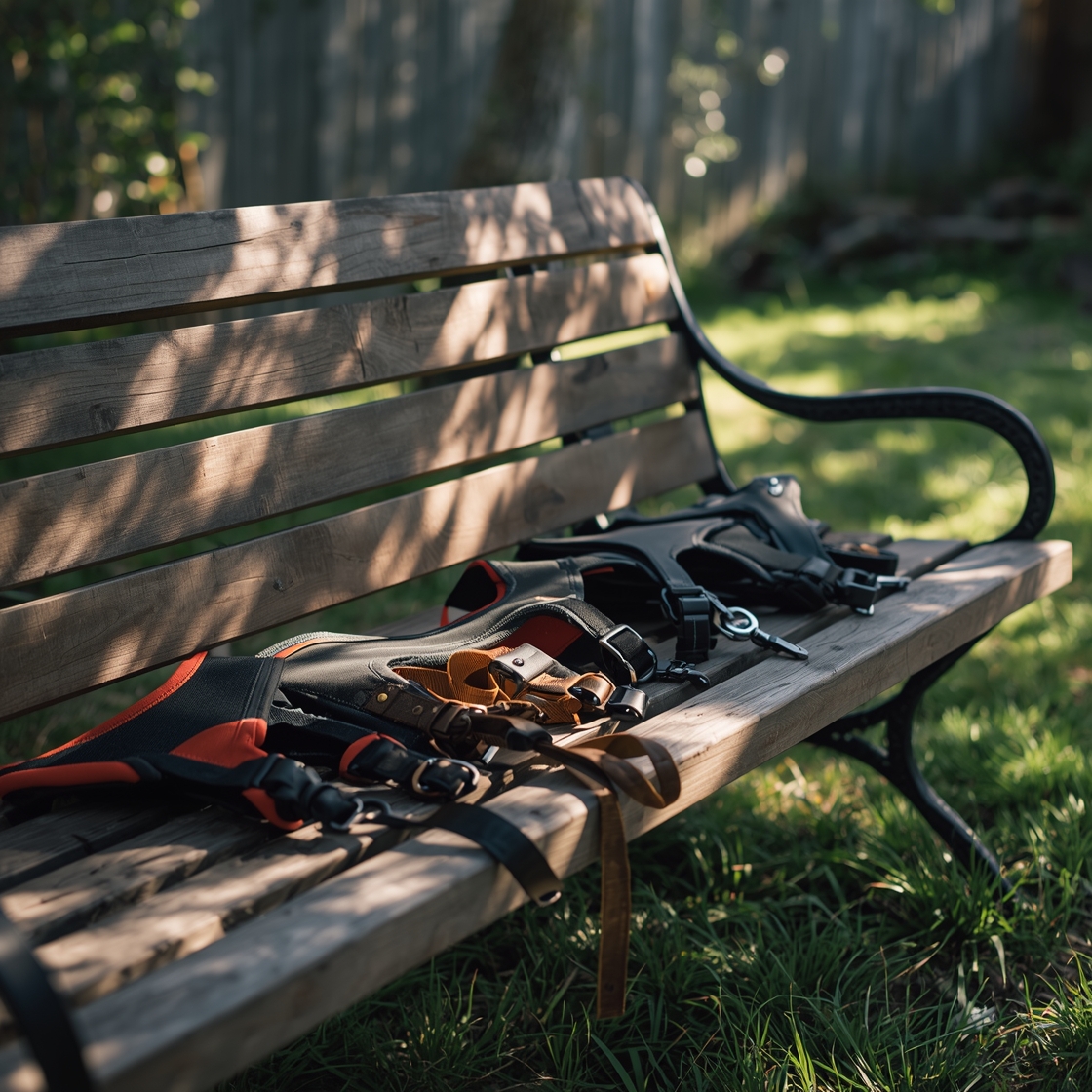
Measure with a soft tape. Snug, not a tourniquet. One finger under the tape while measuring; two fingers under the fitted harness.
| Dog weight (planning) | Typical girth band | Chest-depth note | Desk clip bias |
|---|---|---|---|
| 50–70 lb | ~28–34 in | Deep chest (Lab / GSD) | Dual clip if they pull |
| 70–90 lb | ~32–38 in | Barrel / sport | Front clip for training walks |
| 90+ lb | ~36–44 in | Mastiff / Bernese types | Dual clip + handle preferred |
These inch bands are desk planning, not a brand’s legal size chart. Always read the SKU chart. Borderline measurements: size up, then tighten. A harness that walks 2 inches sideways on a jerk is undersized in girth or too loose in the belly strap.
Neck vs girth. Neck at the collar line is often 1–2 inches smaller than girth on a typical large dog. A neck that is close to girth is a barrel or a thick-ruff build — you need chest room, not a tighter neck strap.
Back length. Base of neck to tail base. Vest cuts (OneTigris, some Julius-K9 sizes) punish a short back or a greyhound-like tuck. Mesh step-ins punish a deep chest if you bought “L” from a photo.
See dog harness size guide before you guess.
Material and price desk
| Material language | Durability desk (listing, not a lab) | Wash | Snapshot band on this URL |
|---|---|---|---|
| Nylon webbing + mesh | Daily walk | Machine bag / hang dry | $14–$36 |
| Padded foam / air mesh | All-day wear copy | Spot or gentle | $16–$60 |
| Tactical / MOLLE vest | Hike / pouch | Wipe + dry | ~$57 |
| Wide chest plate (IDC) | Work / handle | Wipe | ~$65 |
Reflective stitching adds bulk. Measure on the dog, not flat on a table.
The 7 cards on this URL
1. rabbitgoo No-Pull Dog Harness for Large Dogs
Best for: most large-breed households that need front and back metal clips without a $60 sticker.
Listed $15.97. Two metal leash clips — front chest ring for a steer, back clip for a relaxed walk. Four adjustable straps. Padded air-mesh panels in copy. Consistently this comparison's “start here” dual-clip.
Honest drawback: fabric loops wear on years of heavy daily pulling. No dedicated lift handle. Not a car tether.
Check rabbitgoo large no-pull listings →
2. Ruffwear Front Range Dog Harness
Best for: an everyday premium harness you size once and stop thinking about.
Listed $59.99. Foam-padded chest and belly copy. Reflective trim. Reinforced back loop plus a front clip. ID pocket. Outdoor-brand construction language.
Honest drawback: premium price. Fewer micro-adjust points than some budget four-way vests — the size chart matters more, not less.
Check Ruffwear Front Range listings →
3. 2 Hounds Design Freedom No-Pull Dog Harness
Best for: a strong puller when you want martingale-style feedback and a velvet-lined girth story.
Listed $34.98. Patented martingale-style back loop in brand copy. Dual-clip. Swiss velvet on the strap behind the front legs. Made-in-USA and chewing-replacement policy are manufacturer programs, not our warranty.
Honest drawback: fitting takes more care than a step-in. Velvet wants gentle washing. Not a MOLLE hike vest.
Check 2 Hounds Freedom listings →
4. Kurgo Tru-Fit Smart Dog Harness with Seatbelt Tether
Best for: a big dog that rides in the car and walks — if you also have a real crash plan.
Listed $26.99. Walking harness plus included seatbelt tether. Enhanced-strength language: all-steel hardware, five adjustment points. Pair long trips with a crash-rated crate — best crash-tested dog crate for car travel.
Honest drawback: thinner padding than a hiking harness. Sizing runs snug in owner notes. A tether is not a crash lab we ran.
Check Kurgo Tru-Fit listings →
5. Julius-K9 IDC Powerharness
Best for: a working or handle-first dog when you accept back-clip only.
Listed $64.99. Highest sticker. Wide chest plate. Sturdy top handle. Hook-and-loop side panels for patches. Hardware rated in brand copy for daily use on powerful breeds.
Honest drawback: no front ring for anti-pull steering. Heavier than summer mesh. Wrong “no-pull” buy if that is the only job.
Check Julius-K9 IDC listings →
6. OneTigris Tactical Dog Harness for Large Dogs
Best for: hikes and adventure days when you want metal buckles and a MOLLE panel.
Listed $56.99. Five metal buckles in copy. MOLLE webbing. Reinforced handle. Vest-style cut. Pairs with tactical gear for dogs if that is actually your weekend.
Honest drawback: overkill for a two-block potty walk. Vest cut needs careful sizing on slim or deep-chested odd builds.
Check OneTigris tactical listings →
7. PHOEPET No-Pull Reflective Dog Harness
Best for: a budget dual-clip with a grab handle and reflective stitching.
Listed $14.32. Floor of the checklist. Front clip, back clip, padded handle, reflective stitching, lightweight breathable padding in copy.
Honest drawback: lighter-duty hardware than the $50-plus cards. Colors and sizes sell out. Treat it as a spare or a first vest, not a decade vest.
Check PHOEPET reflective listings →
Safety features the desk actually scores
When the dog is 70 lb, the harness is the first line against a slip, a pull, and a dusk jog. We score listing-visible features — not a night-visibility trial at 60 feet.
Materials. Heavyweight webbing, double-stitch language, metal D-rings. Rain degrades cheap coating. That is owner consensus, not our pond test.
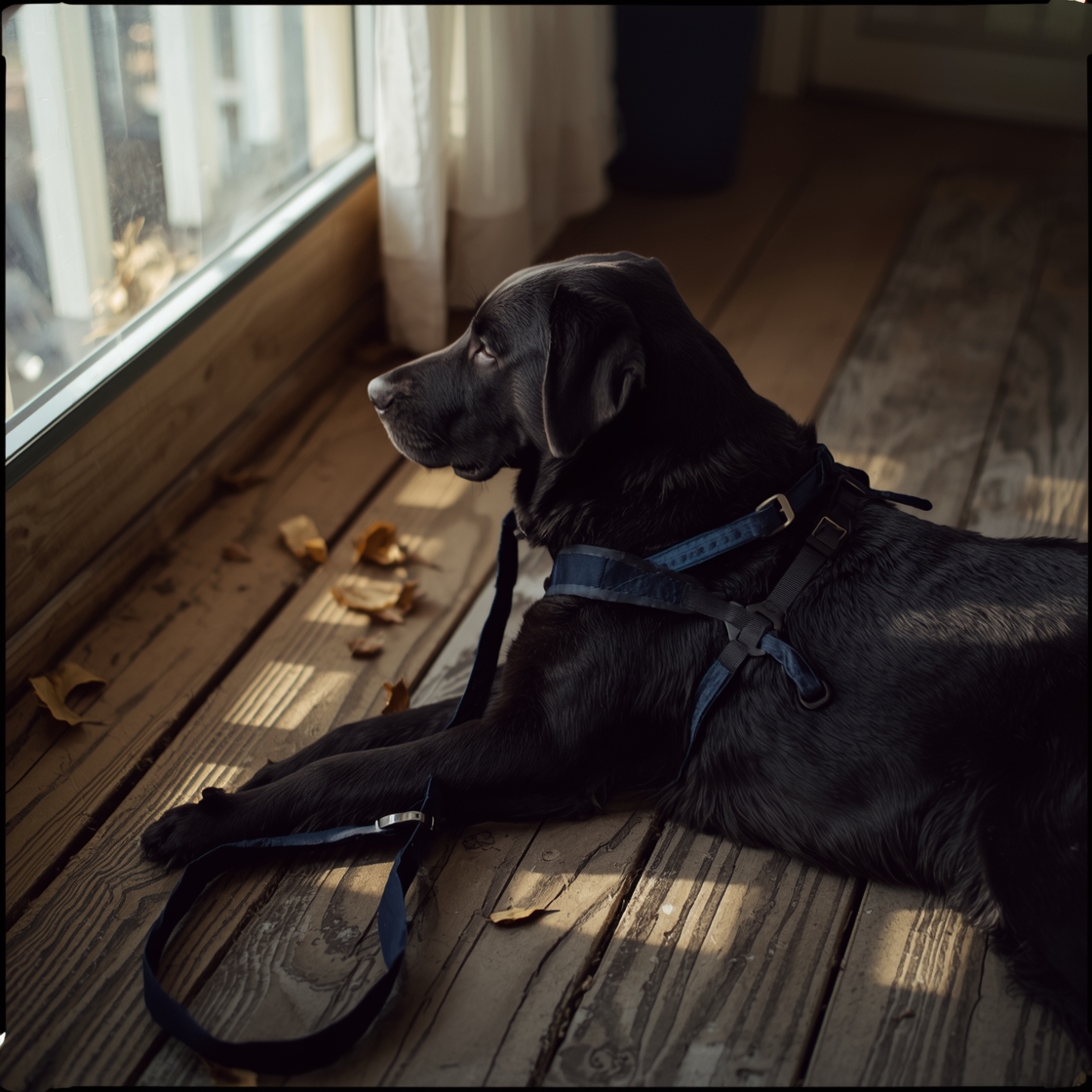
Visibility. Reflective trim or a loud color. Ruffwear and PHOEPET print that story. A black vest on a black Lab at 5:30 a.m. is a you problem.
No-pull geometry. Front clip or a limited-slip / martingale loop. This is a cue, not a 40% force number.
Escape. A loose girth on a Houdini mix is how you get a dog in a road. Two-finger fit. Recheck after a swim or a winter coat.
If the dog coughs on a collar, a harness is the usual next step — and a veterinarian if coughing continues. This page does not diagnose tracheal issues.
How to measure a large dog (and not lie to yourself)
- Girth. Widest ribcage, just behind the front legs.
- Neck. Base, collar line.
- Weight. As a sanity check against the brand chart — never as the only number.
- Coat. A winter double coat adds circumference. Re-measure in April and November.
Put the harness on. Walk ten steps. Crouch. Two fingers. No armpit chew. No strap riding into the throat. Then go outside. A living-room fit can still fail at the first squirrel.
Re-measure after growth (young large breeds), after a diet change, and after a seasonal coat dump. “We bought L last year” is how a 2-year-old GSD slips a vest.
Price bands for the best dog harness for large breeds
| Band | Snapshot cluster | What you usually get | Fail mode |
|---|---|---|---|
| Under $20 | PHOEPET $14.32; rabbitgoo $15.97 | Dual clip, mesh | Treating it as a working handle |
| $20–$40 | Kurgo $26.99; 2 Hounds $34.98 | Tether or trainer loop | Skipping the size chart |
| $50-plus | OneTigris $56.99; Ruffwear $59.99; Julius-K9 $64.99 | Padding, vest, or chest plate | Buying Julius-K9 for front-clip work |
Desk kit math: rabbitgoo $15.97 + a decent no-pull leash is the honest first stack for most 50–80 lb walkers. Add 2 Hounds $34.98 if the front clip on a cheap vest is not enough geometry. Add Kurgo if the car is the job. Do not stack four harnesses in a week.
Worked example: three dogs, three kits
Dog A — 65 lb Lab, squirrel maniac, apartment. rabbitgoo $15.97, front clip + treats. PHOEPET as a wet spare. Not Julius-K9.
Dog B — 85 lb GSD, weekend trails, deep chest. Ruffwear $59.99 or OneTigris $56.99 if you want MOLLE. Measure twice.
Dog C — 110 lb mix, rides in the back seat, polite on leash. Kurgo $26.99 plus a crate plan. Handle harness only if you boost into the car.
Care, chafe, and the best dog harness for large breeds
Wash on the label. Mesh holds swamp smell. Metal rings rust if you never dry a river harness. Check stitching at the D-ring monthly — that is where load concentrates.
Armpit rub is usually a fit problem (too loose, rides back) or a cut problem (strap behind the elbow). Velvet-lined girth (2 Hounds) exists because short coats chafe. A shirt is a workaround, not a size.
Puppies in large-breed bodies outgrow a harness in weeks. Buy adjustability, not a tattooed size.
How to choose the best dog harness for large breeds this month
- Measure girth.
- Name the job: walk, train, car, hike.
- Pick clip map (dual vs back-only vs tether).
- Read that brand’s chart.
- Two-finger check, then a real walk.
- Stop if the dog coughs or the vest slips.
The best dog harness for large breeds is the one that stays put on your 50-plus-pound dog.
What is the best dog harness for large breeds?
On this URL, the best dog harness for large breeds is the dual-clip vest you sized from girth: rabbitgoo $15.97 for most 50–80 lb walkers, PHOEPET $14.32 if you want a listed handle at the floor, 2 Hounds $34.98 when you want martingale-style feedback, Kurgo $26.99 when the car is half the job, Ruffwear $59.99 when you will pay for padding and an ID pocket, OneTigris $56.99 or Julius-K9 $64.99 when you need a handle or MOLLE — and not Julius-K9 as a front-clip “no-pull.” That is a job map, not a medal table.
How do you size the best dog harness for large breeds?
Tape girth behind the front legs, then open that brand’s chart. Desk planning bands (~28–34 in at 50–70 lb, ~32–38 in at 70–90 lb, ~36–44 in at 90+ lb) are not a legal size chart. Two fingers at chest and neck. Ten steps. If the vest walks ~2 in sideways, size or cut is wrong. See dog harness size guide.
Frequently Asked Questions
Is front-clip the best dog harness for large breeds that pull?
Front-clip or a martingale-style loop is the usual training geometry. rabbitgoo, PHOEPET, Ruffwear, and 2 Hounds tell that story. Julius-K9 and OneTigris are handle / back-clip class. A front ring is a cue. It is not a 40% lab result.
What size harness should I get for my large dog?
Girth first, then the brand chart. Desk planning bands: ~28–34 in (50–70 lb), ~32–38 in (70–90 lb), ~36–44 in (90+ lb). Borderline: size up. See dog harness size guide.
Can I use a no-pull harness for my large dog?
Yes if it fits. No-pull is a clip position, not a breed. A too-small no-pull vest is still an escape vest.
How often should I re-measure my dog’s harness?
After a growth spurt, a weight change, and each coat season. Young large breeds: every few weeks. Adults: when the two-finger check fails or the harness walks sideways.
What safety features should I look for in a large-breed harness?
Metal or rated rings, a girth that cannot slip, reflective if you walk in the dark, a handle if you boost. Car: a tether is a start; a crash-rated crate is the serious plan.
How do I keep a large-breed harness clean?
Follow the label. Mesh: gentle wash, hang dry. Tactical: wipe mud, dry metal. Inspect the D-ring stitch.
Does the best dog harness for large breeds replace a collar for ID?
Keep ID on a collar or the Ruffwear pocket. A harness can come off at the vet or the lake. Tags still matter.
Related pages
- Best dog harness for pulling
- Best dog harness for running
- Best no-pull dog harness for large dogs
- Best leash for dogs that pull
- Dog harness size guide
- Best crash-tested dog crate for car travel
- Best tactical gear for dogs
How we researched this guide
Desk research. We read current Amazon listing titles and descriptions and scored seven current listings on listed price, clip map, handle/tether language, and job fit for dogs 50 lb and up. We read manufacturer size language. Nothing here is veterinary or trainer certification.
Limitations: size charts differ by brand; listings clone; prices move. Pain, collapse, or a slipping Houdini is a professional — not a fourth vest.
A 55 lb deep-chested GSD and a 55 lb long-backed mix are not the same category row. Depth vs length changes vest vs Y-harness. Measure both.
If the household’s real complaint is a dislocated shoulder on the human end, the harness is half the stack. The other half is a leash you will not wrap around a hand — see the pulling-leash page — and a trainer if the dog is over threshold every block.
Night walks: add a light. Reflective thread is not a headlamp.
Deep chest, barrel, and the “L means Lab” lie
A 70 lb Lab and a 70 lb greyhound-mix are not the same girth. A 70 lb English Bulldog-mix is a third shape. Brand “L” is a range, not a breed. Deep-chested shepherds need chest-strap room and a front ring that sits on the sternum, not the throat. Barrel chests need a longer girth strap before you crank the neck. Long-backed mixes punish a vest that ends at the last rib — OneTigris and some IDC sizes sit differently than a rabbitgoo mesh.
If the harness walks forward into the throat when the dog sits, the belly strap is loose or the cut is wrong. If it walks back off the shoulders, girth is loose or the neck opening is huge. Those are fit diagnostics, not reasons to buy a $65 handle.
Swim and winter coat: re-check two fingers after the dog is dry or blown. A harness that fit in August can float in January.
Two-harness households (walk vs car vs hike)
This checklist is seven cards, not a rule that you may own only one. A sane split:
- Daily: rabbitgoo or PHOEPET or Ruffwear, dual clip.
- Car: Kurgo if you insist on a tether; crate if you are serious.
- Hike / boost: Julius-K9 or OneTigris.
Do not wear the tactical vest to the corner store “to get your money’s worth.” Heavy vest + summer walk is how you invent a hot, itchy dog. Hang the hike harness. Use the mesh.
Last reviewed: August 2026. The live cards stay as listed. Prices move.