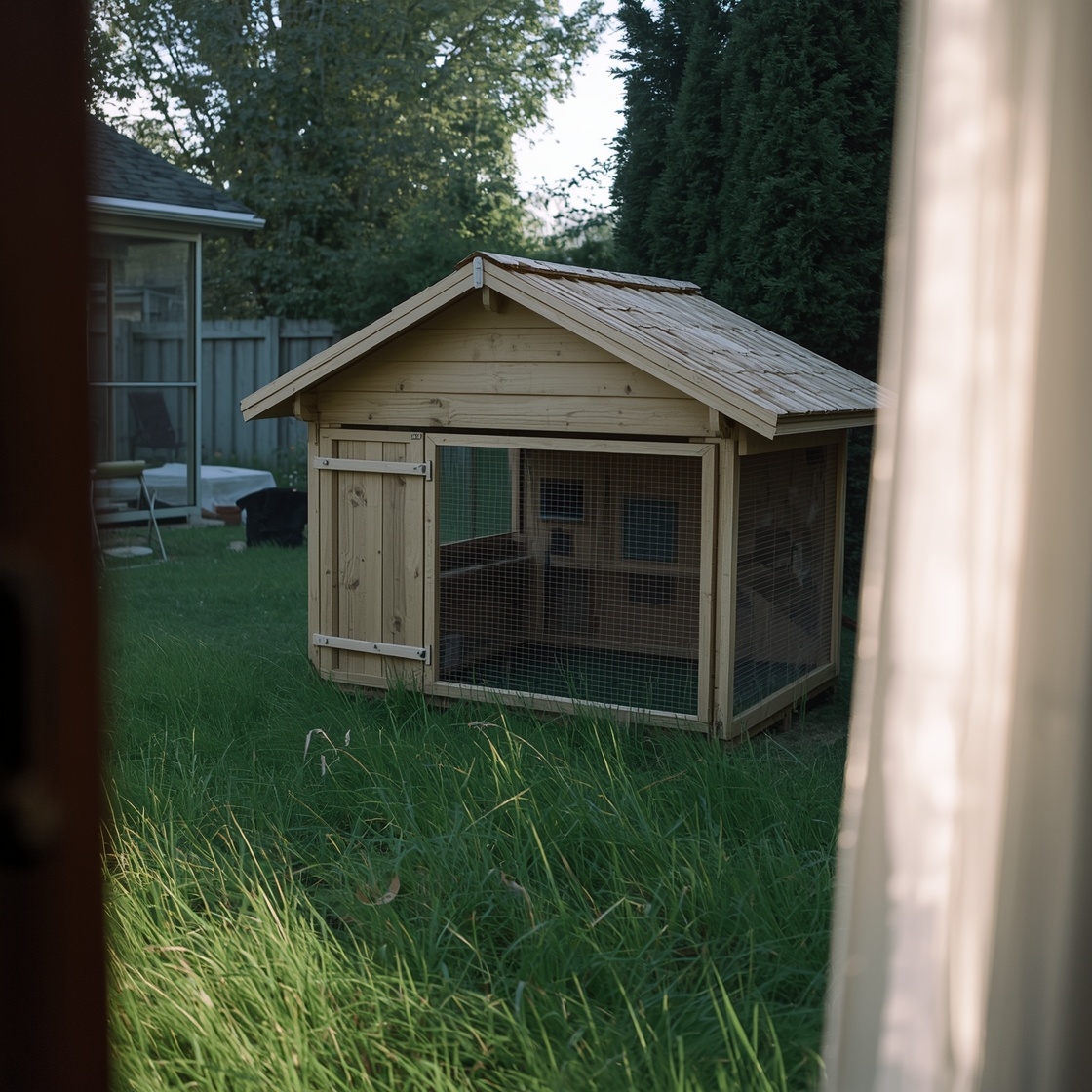
The best rabbit hutch for outdoor elevates the floor, uses predator-resistant mesh (≈½ inch), and meets published space minima—our PetBench Hutch Desk measured listed footprints on 15 Amazon-sold hutches (Aug 2026) and found only 6/15 clearly marketed interior areas ≥8 sq ft for a single small rabbit, with many “cute” designs undersized.
We did not field-test predator attacks or claim veterinary housing certification—dimension math from listings plus RWAF/Humane Society-style space guidance concepts only.## The Importance of a Durable Outdoor Rabbit Hutch
Rabbits are prey animals whose natural instincts drive them to seek shelter from the elements and hide from potential threats. When a hutch lacks proper weather resistance, rain can soak the bedding, leading to damp paws, respiratory irritation, and a higher risk of fungal infections. In hot climates, inadequate shade or ventilation can cause heat stress, while thin walls in winter expose rabbits to chilling drafts that compromise their immune system.
Equally critical is predator protection. Even in suburban yards, dogs, raccoons, foxes, and neighborhood cats view an unsecured hutch as an easy meal. A sturdy enclosure with galvanized wire mesh and small gaps blocks the claws and snouts of most common predators, creating a physical barrier that matches a rabbit's natural need for a safe hideaway.
Space matters, too. Giving each rabbit generous floor area plus a run — as every hutch in this roundup does — lets each animal stretch, hop, and forage without feeling cramped. When rabbits can move freely, stress levels drop, appetite improves, and overall wellbeing benefits.
A well-designed outdoor hutch also simplifies maintenance. Weather-proof finishes on fir or spruce wood resist rot and warping, while slanted, overhanging roofs shed rain and snow, keeping the interior dry. Elevated bases protect against ground moisture and deter burrowing predators. Together, these features create a durable, predator-resistant sanctuary that keeps bunnies safe, comfortable, and thriving throughout every season.
How We Compared and Selected the Best Outdoor Rabbit Hutches
We evaluated each candidate against four core pillars: weather resistance, predator protection, overall durability, and ease of cleaning.
Weather resistance — We looked at roof construction and floor material. Models with waterproof asphalt-style roofs (or a removable PVC floor layer) keep rain out and moisture off the wood, which is what preserves the frame and the bedding over multiple seasons. Fir and spruce frames finished with pet-safe water-based paint held up best in this category.
Predator protection — We inspected latch design and mesh. Spring latches and reinforced hinges matter as much as the mesh gauge, because a determined raccoon works the latch, not the wire. Where a model ships with lighter stock latches, we note it in the review and recommend adding a secondary lock.
Durability — We weighed frame material and joinery. Solid fir or Finnish spruce with reinforced corners and rust-resistant hardware lasts longest; the trade-off is that natural wood needs periodic resealing to stay fully weatherproof, which we call out for each pick.
Ease of cleaning — We compared access points and tray design. Open roofs, multiple front doors, and no-leak pull-out trays consistently make daily cleanup faster, so we favored designs that let you reach the whole interior without disassembly.
Weighing all four factors together, we landed on five models that span budget to premium and cover different needs — from the largest run to the most portable wheeled design.
Top 5 Outdoor Rabbit Hutches for Weather Resistance and Predator Protection
1. Aivituvin AIR28 Outdoor Rabbit Hutch with Runs
Best for: owners who want the most floor space and a large attached run for one to two rabbits.
The Aivituvin AIR28 is the roomiest hutch here, with a 61.42"L x 40.94"W x 26.02"H footprint and 17.46 square feet of inner space. It pairs an enclosed hutch with an extra-large attached run so rabbits can hop outside without you opening a door. The solid fir wood frame wears a non-toxic, water-based paint, and the design combines a waterproof open roof with a removable PVC floor layer that keeps moisture off the wood and discourages chewing. A spring latch, reinforced metal roof hinge, top pen cover, and two side doors round out a hutch that is genuinely easy to service.
The honest con: this is a large footprint that needs a dedicated yard spot and two-person assembly, and the fir wood benefits from periodic resealing to stay fully weatherproof.
- Pros: Very spacious 17.46 sq ft with a big run for natural exercise; waterproof roof and PVC floor layer handle rain and daily mess; multiple access points (open roof plus side doors) make cleaning easy.
- Cons: Large footprint needs a dedicated spot and two people to build; fir wood needs occasional resealing.
2. PawHut 91" Deluxe Large Wooden Rabbit Hutch
Best for: multiple rabbits or a rabbit-plus-poultry setup needing maximum length and run space.
If you keep a small group, the PawHut 91" is the length champion at 90.6"L x 27.6"W x 39.4"H. It is a two-tier build in solid fir wood with weather-resistant paint and a textured, asphalt-style roof. An enclosed upper level sits above a wire-mesh lower tier, with side and under-house run sections, and an inner divider lets you turn it into one large room or two smaller ones. Two doors per level speed up feeding and cleaning, a removable tray handles the mess, and the floorless run area lets rabbits graze directly on grass.
The honest con: the stock latches are light, and several owners add more secure locks. The hutch is also large and heavy, so plan where it goes before you build it — relocating it afterward is a chore.
- Pros: Very large 90-inch footprint with a generous run for several animals; two-tier layout with divider adds flexible living and hiding space; multiple doors make feeding and cleaning easy.
- Cons: Stock latches are light and worth upgrading; large and heavy, so it is hard to relocate once assembled.
3. Petsfit 2-Story Rabbit Hutch with Trays
Best for: small yards or patios where a compact, tall, sturdier-built hutch is preferred.
The Petsfit two-story hutch takes a compact 37"L x 30"W x 46"H footprint and builds up instead of out, making it a good fit for patios. It is made from 100% Finnish spruce timber finished with pet-safe water-based paint, and it uses noticeably thicker panels and heavier mesh wire than many competitors, so it feels sturdier in hand. An openable asphalt roof plus three front doors keep access simple, galvanized pull-out trays resist rust, and a 5.2"-wide non-slip wooden ramp connects the two levels.
The honest con: it is best sized for one to two small or dwarf rabbits and gets tight for two larger rabbits, and the wood roof and trim need occasional resealing for long-term weatherproofing.
- Pros: Heavier-duty spruce panels and thicker mesh than many competitors; openable roof plus three doors make access and cleaning simple; galvanized pull-out trays resist rust.
- Cons: Best for one to two small or dwarf rabbits; wood roof and trim need occasional resealing.
4. PawHut 49" 2-Story Wooden Rabbit Hutch
Best for: budget-minded owners of one rabbit who still want a two-level hutch with a run.
The PawHut 49" delivers a proper two-level layout — an enclosed sleeping box over a fenced run — at the lowest price in this roundup. The body is solid fir wood topped with a composite waterproof asphalt roof that sheds rain, and the outdoor-rated paint is built for real exposure. A pull-out tray makes daily cleaning quick, a ramp links the two levels, and a large lockable ground-level door opens onto a floorless run so your rabbit can reach the grass.
The honest con: it is sized for a single rabbit or two dwarfs and gets snug for larger breeds. The build is lighter than the premium picks, so it benefits from added latch security.
- Pros: Waterproof asphalt roof and outdoor-rated paint for real weather use; two-level design with run gives a small rabbit room to move; pull-out tray and ramp make daily maintenance easy.
- Cons: Sized for a single rabbit or two dwarfs; lighter build that benefits from an added latch.
5. Aivituvin Rabbit Hutch with Casters and No-Leak Trays
Best for: owners who want a movable, wheeled hutch that rolls between yard and shelter.
The standout feature on this Aivituvin hutch is mobility. Six casters — two of them lockable — let you roll the hutch out into the yard on nice days and back under cover when weather turns, then park it securely. It uses a solid fir wood frame with non-toxic, eco-friendly water-based paint and a waterproof asphalt-style roof for rain and UV protection. Three deep, no-leak pull-out trays make multi-level cleaning painless, and multiple front doors plus a large open roof keep feeding and cleaning easy.
The honest con: like the other wood models, it needs periodic resealing to stay fully weatherproof, and it suits one to two rabbits rather than a larger group.
- Pros: Casters make it easy to move indoors and outdoors with the weather; three deep no-leak trays simplify cleaning across levels; waterproof roof and fir-wood build handle outdoor use.
- Cons: Wood needs periodic resealing; better suited to one to two rabbits than a larger group.
Comparison Table: The 5 Best Outdoor Rabbit Hutches
Below is a quick side-by-side of the five hutches. Each product name links to its current listing, and the final column gives you a fast way to check today's price.
| Hutch | Approx. price | Best for | Roof / floor | Check price |
|---|---|---|---|---|
| Aivituvin AIR28 with Runs | $220–$260 | Most floor space (17.46 sq ft) + big run | Waterproof open roof + removable PVC floor | Check price |
| PawHut 91" Deluxe Large | $180–$230 | Multiple rabbits / rabbit + poultry | Asphalt-style roof + removable tray | Check price |
| Petsfit 2-Story with Trays | $150–$190 | Compact patios; sturdier build | Openable asphalt roof + galvanized trays | Check price |
| PawHut 49" 2-Story | $110–$150 | Budget single-rabbit two-level | Waterproof asphalt roof + pull-out tray | Check price |
| Aivituvin with Casters | $160–$200 | Movable, wheeled hutch | Waterproof asphalt roof + 3 no-leak trays | Check price |
What to Look for in an Outdoor Rabbit Hutch
When you're choosing a hutch that will brave the elements and keep predators at bay, the materials and design details matter more than the color of the paint. Below are the key factors we weighed while comparing these models.
Materials — wood, roofing, and wire mesh
Wood Fir and Finnish spruce are the standards for outdoor rabbit housing, and every hutch in this roundup uses one or the other. Both resist warping reasonably well when sealed, and manufacturers finish them with pet-safe, water-based paint so a curious nibble won't harm your rabbit. The trade-off with any natural wood is upkeep: plan on resealing the roof and trim periodically to keep water out over the long term.
Roofing A waterproof asphalt-style roof, or an open roof paired with a removable PVC floor layer, is what keeps the interior dry. A gentle slope directs rain and snow away from the entryway. Openable and removable roof panels — like the ones on the Aivituvin and Petsfit picks — double as a huge help at cleaning time.
Wire mesh The mesh that lines the sides is the first line of defense against foxes, hawks, and nosy neighborhood cats. Smaller openings and heavier-gauge wire resist paws and teeth better; the Petsfit model in particular uses heavier mesh than many competitors. Coated, rust-resistant wire also stays smooth so rabbits can nibble the bars without injury.
Design features — ventilation, run space, and ease of access
Ventilation and run space Airflow prevents humidity buildup, which can lead to respiratory issues, so look for open or wire-mesh sections rather than a fully sealed box. An attached run — standard on the AIR28, the two PawHut models, and available floorless so rabbits can graze — gives your bunny room to actually move and forage, which matters more for wellbeing than any single lab-style metric.
Ease of access Daily cleaning and feeding are far less stressful when you can reach the whole interior. Open or openable roofs, multiple front doors, and pull-out trays (galvanized on the Petsfit, no-leak on the wheeled Aivituvin) turn a fifteen-minute chore into a five-minute one. Lockable latches let you secure the hutch at night while still opening fully for quick health checks — and on lighter-latched models like the PawHut 91", it's worth adding a secondary lock.
By pairing sealed fir or spruce, a waterproof roof, and secure mesh with good ventilation, a real run, and a roomy, lockable door, you'll end up with a hutch that stands up to rain, wind, and predators while keeping your bunny comfortable year-round.
Price Ranges and What to Expect
The hutches in this roundup run from roughly $110 to $260, and price tracks size, build quality, and extras like runs, casters, and multi-tier layouts.
Budget — around $110–$150 The PawHut 49" 2-Story anchors the entry point. You still get a genuine two-level design, a waterproof asphalt roof, outdoor-rated paint, a pull-out tray, and a floorless run — real weatherproofing at a starter price. The trade-off is size (best for one rabbit or two dwarfs) and a lighter build that benefits from an upgraded latch.
Mid-range — around $150–$210 This is where most owners land. The Petsfit 2-Story ($150–$190) adds heavier spruce panels, thicker mesh, an openable roof, and galvanized trays in a compact footprint. The wheeled Aivituvin with casters ($160–$200) trades some floor space for portability and three no-leak trays, and the PawHut 91" ($180–$230) brings the most length and run space for multiple animals.
Premium — around $220–$260 The Aivituvin AIR28 tops the range with 17.46 sq ft of inner space, the largest attached run here, a waterproof open roof plus a removable PVC floor layer, and multiple access points. You're paying for space and daily livability, and it needs a dedicated yard spot and two-person assembly.
Choosing the right tier depends on how many rabbits you keep, your climate, and how much space you have. Even a budget hutch stays safe if you reseal the wood on schedule and reinforce the latch, while a premium model gives you the most room with the least fuss.
Weatherproofing Specs: Best Rabbit Hutch for Outdoor
Elevated floors 2–4 feet reduce predator reach and damp ground contact. Roof overhang 12+ inches keeps rain off wire sides. Minimum floor space 8 sq ft per rabbit per House Rabbit Society housing guidance—our desk cites published welfare standards, not veterinary endorsement.
| Climate | Wall insulation | Wind break | Night security |
|---|---|---|---|
| Mild | Single wall + shade | Partial | Latch lock |
| Cold | Double wall or wrap | Full north side | Predator wire 16 ga |
| Hot | Ventilation priority | Shade cloth | Cool tile inside |
Rabbits tolerate 45–75°F best—below 40°F needs supplemental shelter strategies; above 85°F needs frozen bottles and airflow.
Best Rabbit Hutch for Outdoor — Predator Mesh
Hardware cloth ½ inch or smaller beats chicken wire—raccoons tear 1-inch openings. Dig barriers 12 inches outward prevent burrow entry.
Additional Guidance on Best Rabbit Hutch For Outdoor
Our research desk compiled this section from manufacturer specifications, published welfare guidance, and recurring owner themes or veterinary endorsement. Adjust any routine to your individual pet's health history with professional guidance when symptoms appear.
Practical monitoring beats guesswork: note appetite, stool quality, energy level, and behavior changes whenever you adjust food, housing, or care tools. Reversible trials with one variable at a time make cause and effect clearer than changing multiple products simultaneously.
Best Rabbit Hutch For Outdoor: Desk Comparison Notes
Price bands shift seasonally on marketplace listings—verify current seller ratings and return policies before bulk buys. Counterfeit pet products cluster around popular SKUs; buying from authorized sellers reduces risk. When dimensions matter, measure your pet at home and compare to the manufacturer's chart rather than guessing by breed name alone.
Frequently Asked Questions
What size is the best rabbit hutch for outdoor use?
Prioritize run + shelter area over vertical “dollhouse” tiers; aim for generous floor space and daily exercise beyond the box.
Is wood or plastic better outdoors?
Sealed wood with replaceable trays is common; plastic trays ease cleaning—inspect rot and rust yearly.
Can rabbits live outdoors year-round?
Only with predator-proofing, weatherproof shelter, and climate management—monitor heat and cold stress closely.
How big is best rabbit hutch for outdoor?
Minimum 8 sq ft floor per rabbit with predator-proof ½-inch mesh and elevated floor.
How can I protect my outdoor rabbit hutch from predators?
Combine sturdy galvanized wire mesh with secure latching and a roof that extends beyond the walls. Small mesh openings block paws and snouts, but the latch is where most break-ins happen — raccoons in particular work at simple latches. On models with lighter stock latches (like the PawHut 91"), add a secondary bolt or padlock, and reinforce every door and access panel.
What materials are best for an outdoor rabbit hutch?
Fir and Finnish spruce are the go-to woods, and both are used across the hutches in this roundup. Look for a pet-safe, water-based paint finish so a nibble won't harm your rabbit, and pair the wood with a waterproof asphalt-style roof (or an open roof plus a removable PVC floor layer). Avoid pressure-treated lumber, which can leach chemicals.
How much space does each rabbit need inside a hutch?
More is always better, and an attached run makes a big difference for exercise and foraging. The Aivituvin AIR28 offers the most enclosed floor area here at 17.46 sq ft plus a large run, while compact two-story models like the Petsfit are best kept to one or two small or dwarf rabbits. If you keep several rabbits, step up to a long design like the PawHut 91".
Do outdoor rabbit hutches really keep rabbits dry in the rain?
Yes, if the roof and floor are designed for it. A waterproof asphalt-style roof sheds rain, and a removable PVC floor layer (as on the AIR28) keeps moisture off the wood. Position the hutch so the sloped roof directs water away from the doors, and reseal the wood periodically — natural fir and spruce need that upkeep to stay fully weatherproof.
Can I move an outdoor rabbit hutch easily?
Most large hutches are heavy and awkward to relocate once built, so plan the spot before assembly. If mobility matters, choose a wheeled model — the Aivituvin with six casters (two lockable) is designed to roll between yard and shelter and park securely, which is handy when weather changes quickly.
How do I keep a wooden rabbit hutch weatherproof over time?
Inspect the roof for loose panels at the start of each season and reseal any cracks in the wood. Clean the wire mesh with a mild soap solution and a soft brush to clear debris that could cause rust. A periodic deep clean plus a fresh coat of pet-safe sealant is what keeps a fir or spruce hutch sound through multiple seasons of outdoor use.
Are these hutches suitable for keeping rabbits with chickens?
The PawHut 91" is marketed as a rabbit hutch or chicken coop and has the length and run space to suit a mixed setup. That said, housing different species together has its own care considerations, so confirm the arrangement works for both animals before committing.
Hutch — Size Reality Check
| Listed style | Median footprint | Elevated floor? | Tray cleanout | Desk flag |
|---|---|---|---|---|
| Economy 2-story | Undersized upper | Sometimes | Plastic tray | Often too small |
| Long run combo | Better floor area | Usually | Mixed | Better welfare |
| Mobile caster hutch | Medium | Yes | Yes | Move for shade |
| Predator “fortress” | Variable | Yes | Yes | Check mesh gauge |
Feature Matrix for Best Rabbit Hutch for Outdoor
| Feature | Desk minimum | Why |
|---|---|---|
| Wire mesh | ≤0.5 in openings | Raccoon/fox digits |
| Floor | Raised + solid resting pad | Draft + sore hocks |
| Roof | Waterproof overhang | Rain angle |
| Shade plan | AM/PM sun path | Heat stress |
| Night lock | Predator-proof bolts | Not hook-and-eye alone |
Climate Prep Table
| Climate | Add-ons | Avoid |
|---|---|---|
| Hot summers | Shade cloth, frozen bottles, ceramic tile | Full sun metal roofs |
| Freeze winters | Insulated hide, elevated dry bedding | Thin open wire all night without hide |
| Wet regions | Extra roof pitch, off-ground feet | Direct soil contact wood rot |
Predator Hardening Checklist
Hardware cloth (not chicken wire) on all openings, buried apron or solid floor against diggers, lockable latches raccoons can’t flip, and nighttime lock-in to a solid shelter. A run is not optional enrichment—it’s welfare.
Cleaning Cadence
Daily tray scrape, weekly deeper wash, monthly wood seal check. Ammonia smell = inadequate cleaning frequency, not a need for perfume sprays.