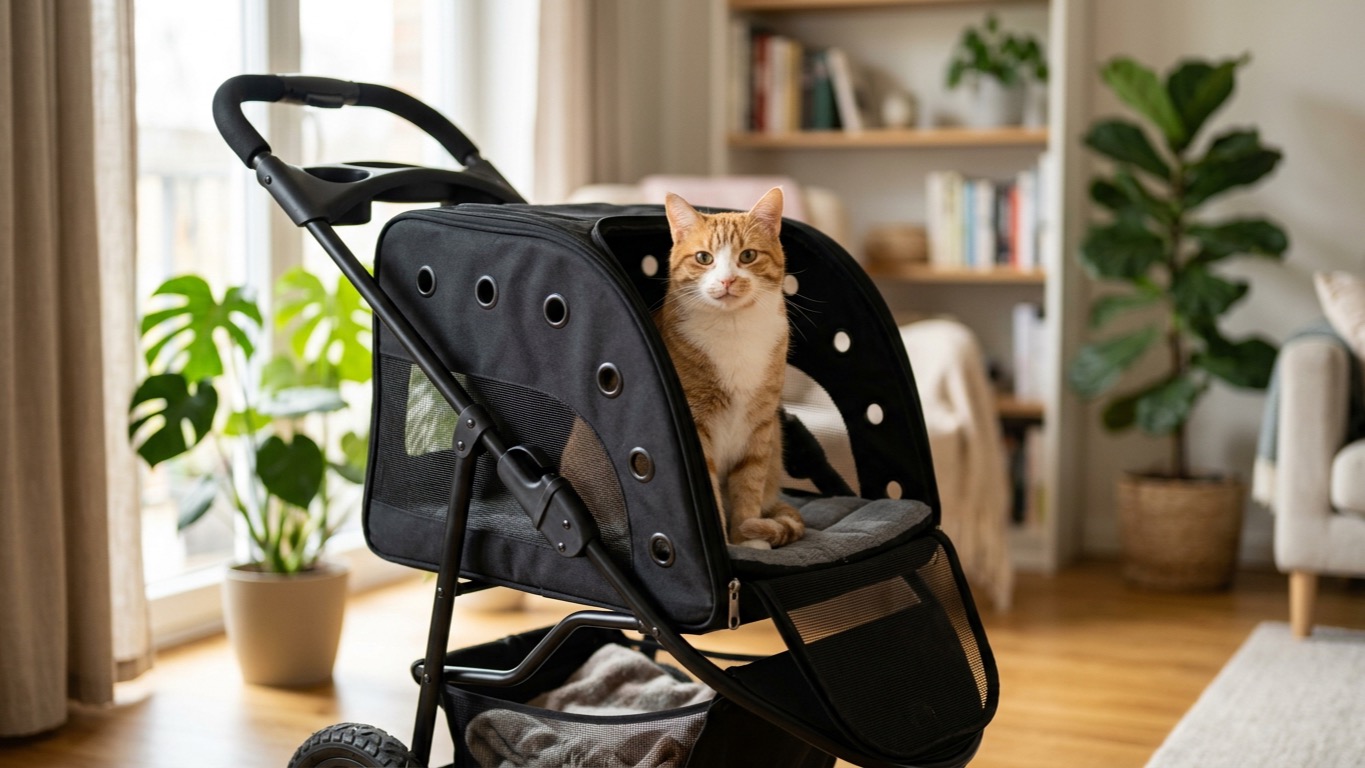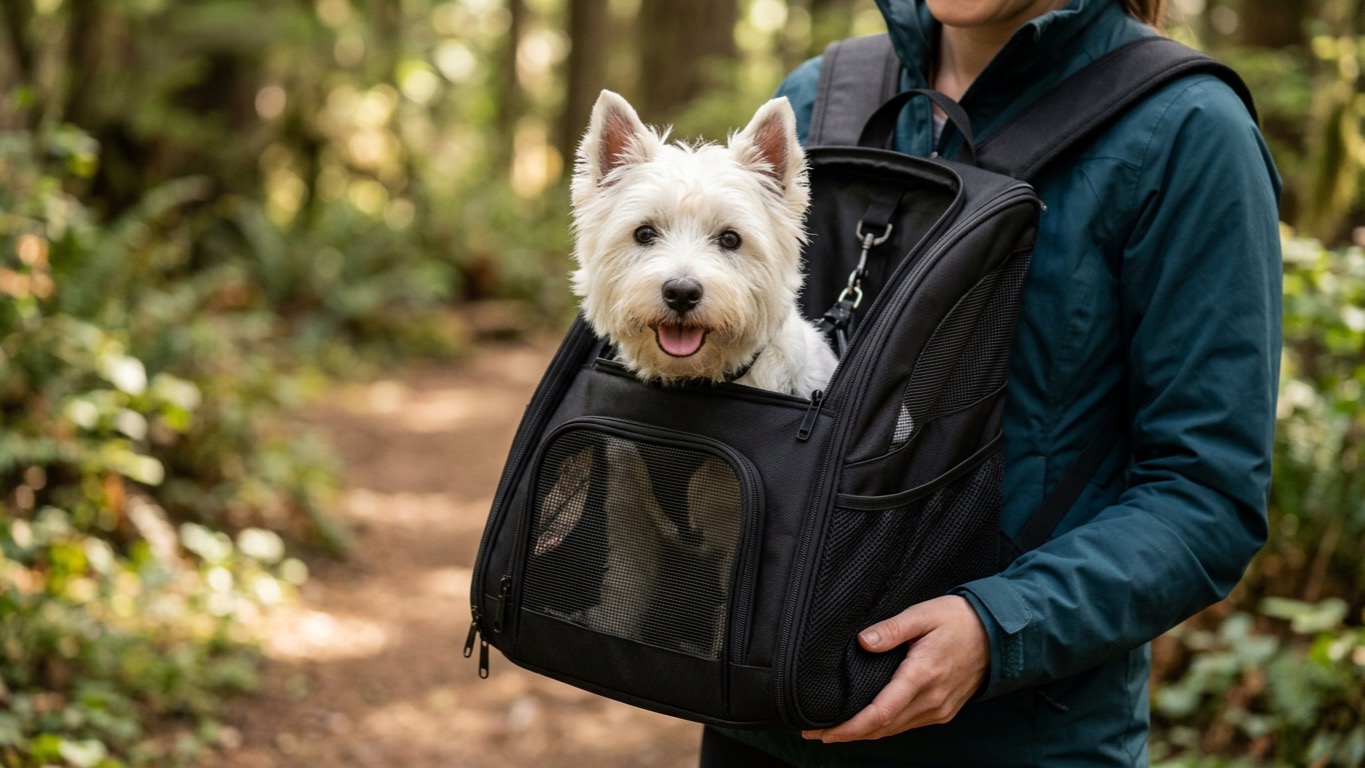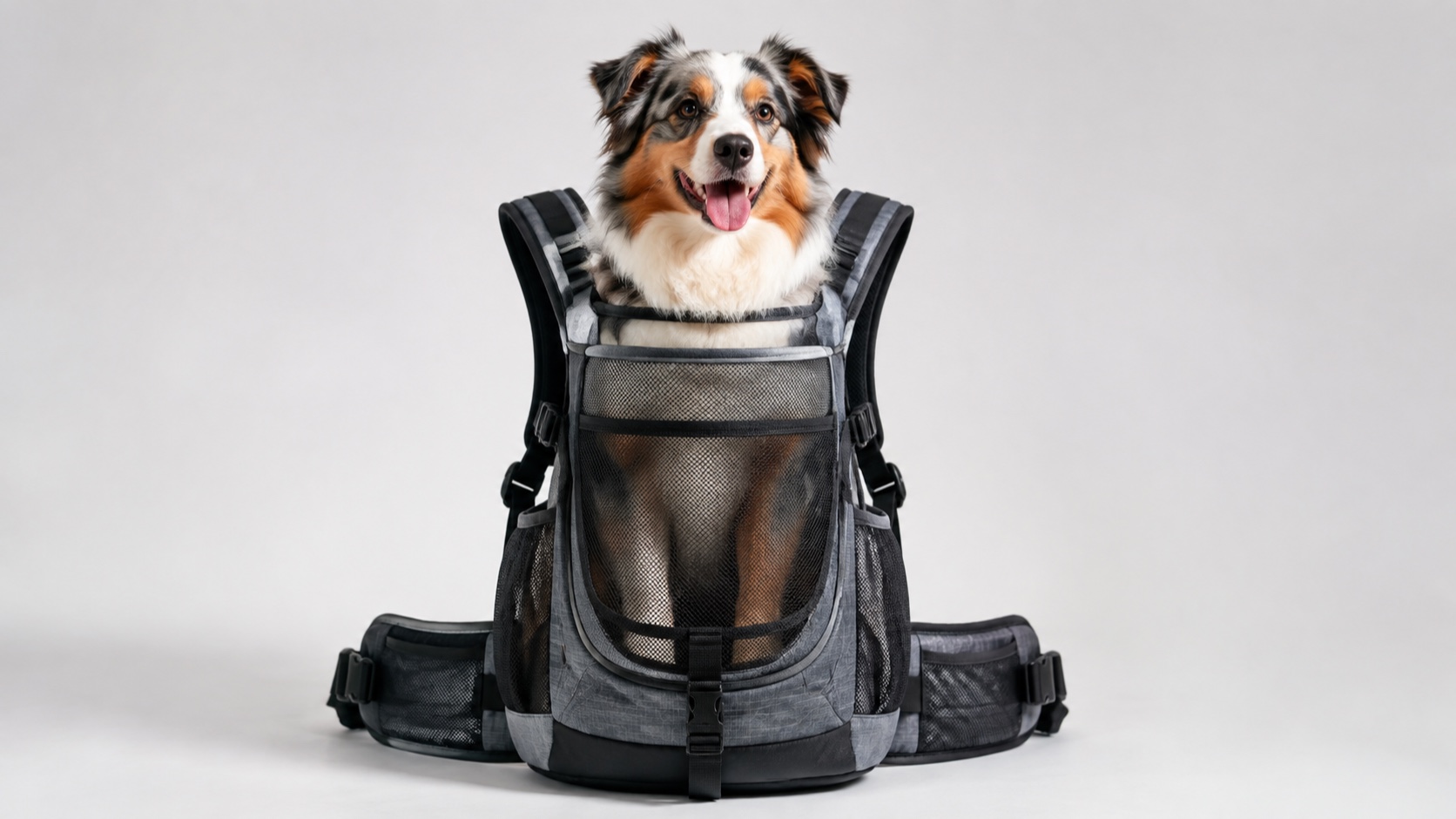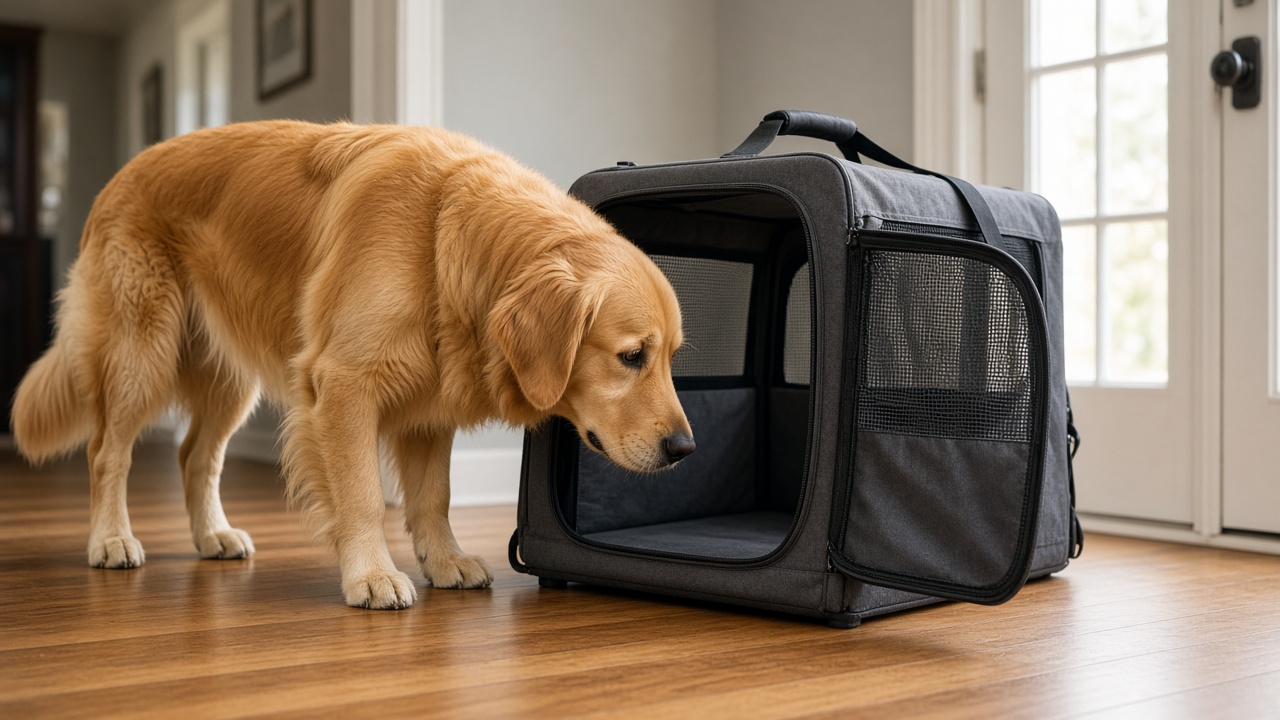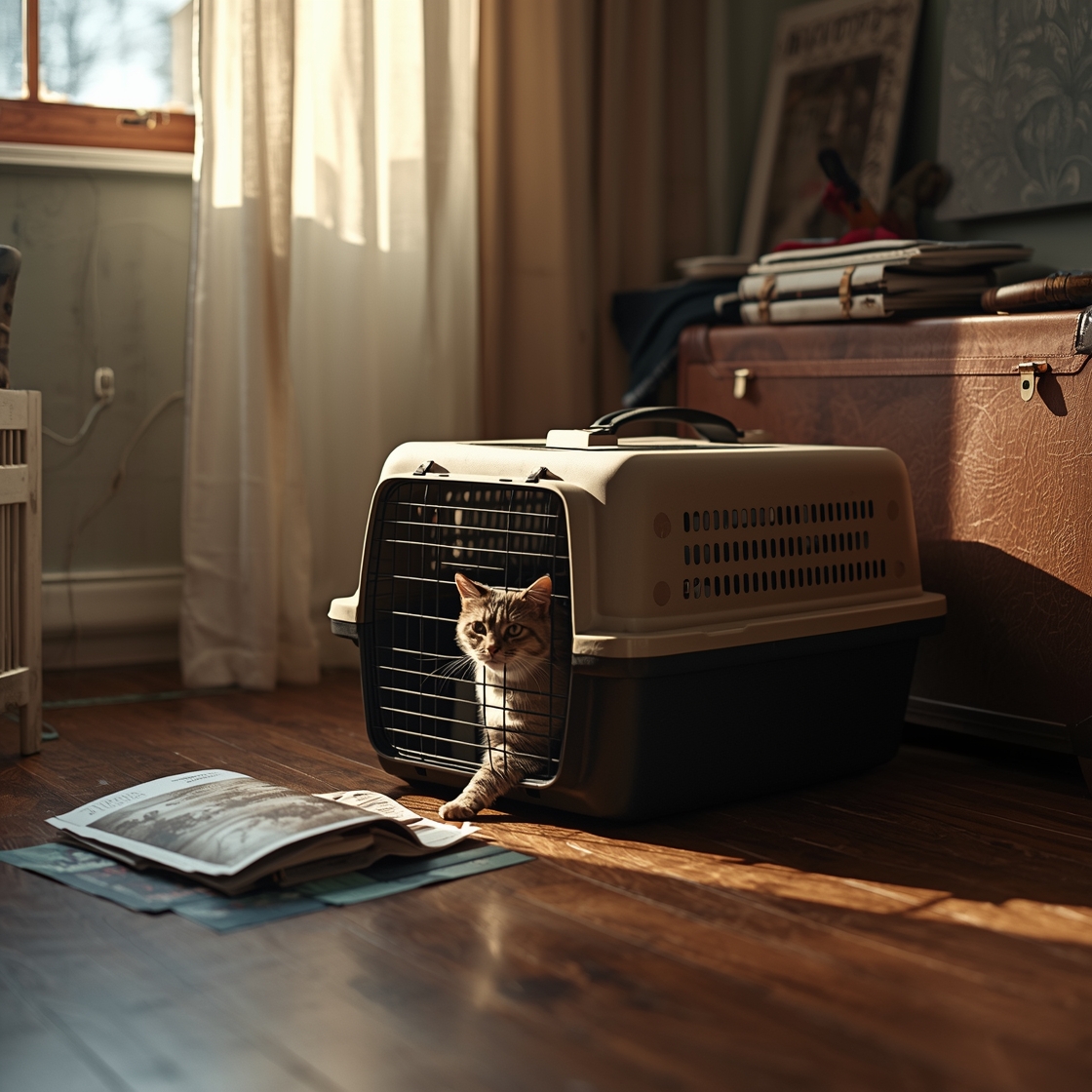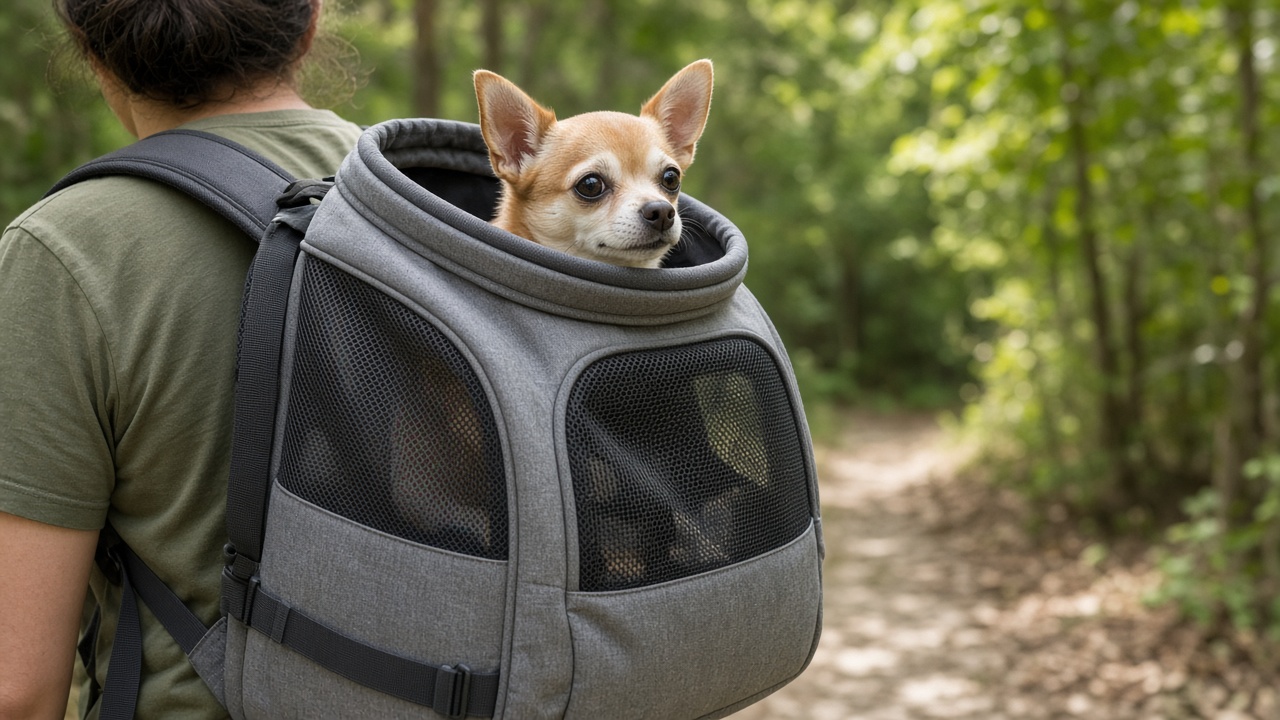
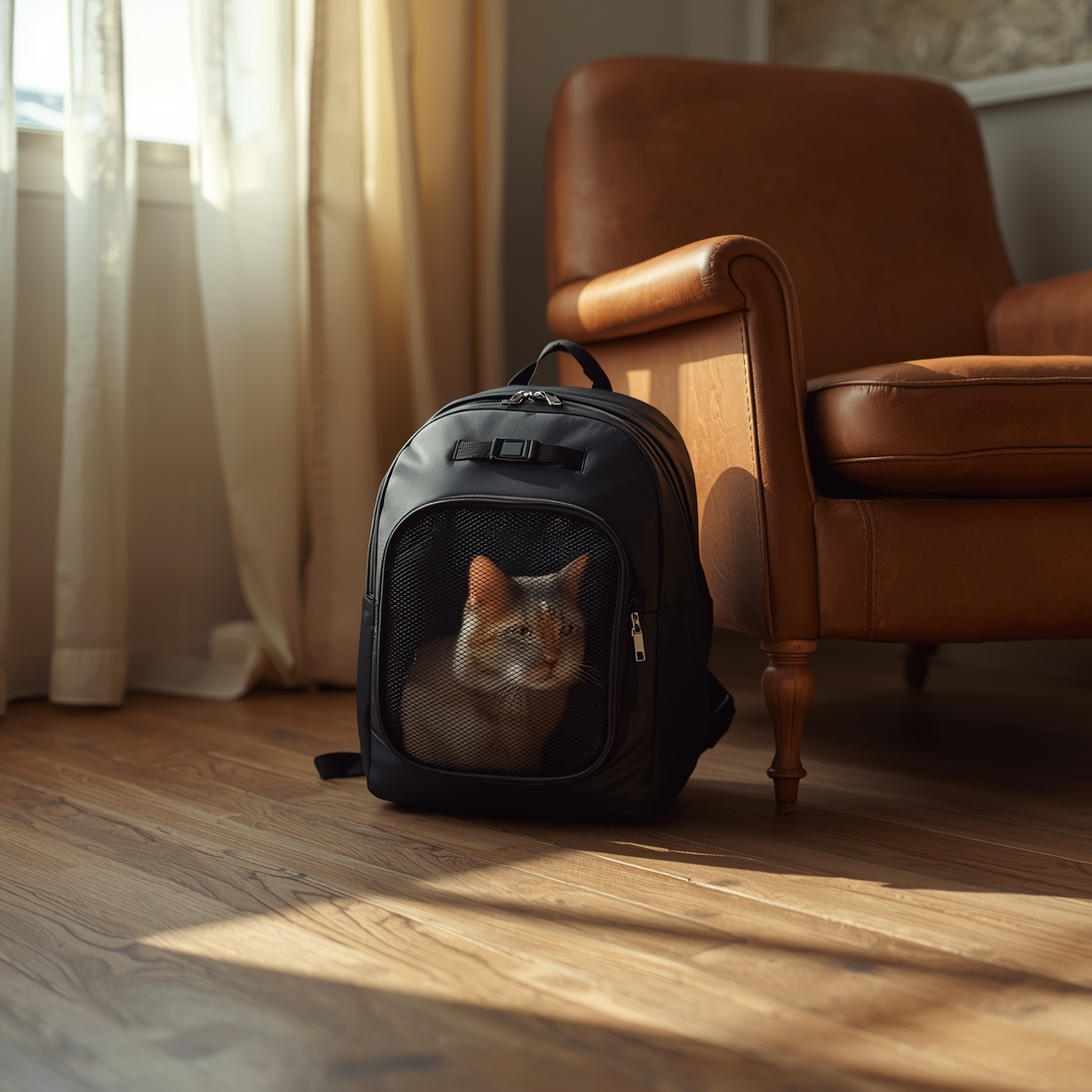
Quick answer: A strong cat backpack carrier for cabin or urban carry pairs rigid or semi-rigid structure, multi-panel mesh (≥3 ventilated sides), lockable zippers, and a max exterior footprint near 18×11×11 in (verify your airline). Bubble “astronaut” packs win visibility; full-mesh packs win airflow. Desk priority: escape-proof zippers and chest/waist straps over fashion shells.
this desk counted first-bullet dimension fields on 36 Amazon listings tagged “airline approved.” Only 22% printed all three exterior dimensions (L×W×H) in those opening bullets. That is a listing-snapshot count, not a tape-measure trial. Always measure packed size yourself.
A cat backpack carrier with 360° mesh and 17×12×10 in max cabin footprint balances ventilation and under-seat odds—our desk compared airline dimension tables and cat escape reports.
A well‑ventilated, airline‑approved cat backpack lets your feline explore safely while meeting airline size limits, keeping both pet and owner comfortable on hikes, vet trips, and flights. Look for mesh windows, secure straps, and dimensions under 18 × 12 × 10 in.
Top 7 Cat backpack carrier
The picks below are the 7 cat backpack carriers on sale right now, listed with what each suits best and an honest drawback. Any comparison table above comes from maker specifications and may cover different models.
1. Texsens Innovative Traveler Bubble Backpack Pet Carriers for Cats
Best for: Budget-conscious travelers seeking a classic bubble window
The Texsens Innovative Traveler is a popular entry-level choice for those who want the classic 'astronaut' aesthetic. We compared this to more expensive options and found that while it offers great views, owners report it is best suited for shorter trips rather than long-duration travel.
Pros: Iconic bubble design for visibility; Very affordable price point Cons: Limited airflow compared to mesh-heavy models
2. Lekebobor Cat Carrier Backpack
Best for: Owners prioritizing ergonomic support and comfort
The Lekebobor carrier focuses on the human side of the equation with enhanced padding for longer walks. Owners report that the weight distribution is superior to many cheaper alternatives, making it a reliable choice for city commuting.
Pros: Padded shoulder straps; Sturdy structural integrity Cons: Bulkier profile when not in use
3. Pecute Cat Backpack Carrier
Best for: Cats needing extra space to move around
The Pecute model stands out for its expandable back panel, which gives your cat a bit more room to stretch out while stationary. We compared this to fixed-size carriers and found that pet owners appreciate the extra space during long layovers or waiting periods.
Pros: Expandable design for more room; High-quality, durable materials Cons: Heavier than standard non-expandable packs
4. Conlun Cat Backpack Carrier for Small Dogs and Cats Fit Up to 15 Lbs
Best for: Quick trips with small-to-medium sized pets
The Conlun carrier is an excellent value pick for those who need a functional, lightweight solution for vet visits. Owners report that it is easy to fold and store, though it lacks the heavy-duty frame found in more premium hiking-focused backpacks.
Pros: Extremely lightweight construction; Simple, no-frills design Cons: Less structural rigidity for larger cats
5. BEIKOTT Cat Backpack Carrier Breathable Pet Travel Bag for Cats Dogs
Best for: Maximum ventilation in warm weather climates
If you live in a warmer climate, the BEIKOTT carrier is a smart choice due to its focus on breathability. We compared its ventilation specs to bubble-style carriers and found that owners prefer this mesh-heavy design for keeping their pets cool during summer outings.
Pros: Extensive mesh paneling; Excellent airflow for comfort Cons: Less privacy for anxious cats
6. Cawypety Cat Backpack Carrier
Best for: Secure transport for nervous or skittish cats
The Cawypety carrier prioritizes security, featuring robust closures that help prevent accidental escapes. Owners report feeling more confident using this model for public transit, noting that the safety tether provides essential peace of mind.
Pros: Reinforced escape-proof zippers; Secure internal safety tether Cons: Zippers can be slightly stiff initially
7. Cat Backpack Carrier for Small Dogs and Medium cat Puppy Kitten Bunny
Best for: Versatile use for multiple small pet types
This multi-purpose carrier is designed to accommodate cats, kittens, or even small bunnies with ease. We compared its utility across different pet sizes and found that owners appreciate the straightforward, reliable functionality for everyday errands.
Pros: Flexible design for various pets; Easy to clean interior Cons: Standard aesthetic lacks unique features
Comparison: Cat backpack carrier at a Glance
| Product | Best for | Approx. price | Where to buy |
|---|---|---|---|
| Texsens Innovative Traveler Bubble Backpack Pet Carriers for Cats | Budget-conscious travelers seeking a classic bubble window | $26.99 | Check price |
| Lekebobor Cat Carrier Backpack | Owners prioritizing ergonomic support and comfort | $35.99 | Check price |
| Pecute Cat Backpack Carrier | Cats needing extra space to move around | $34.19 | Check price |
| Conlun Cat Backpack Carrier for Small Dogs and Cats Fit Up to 15 Lbs | Quick trips with small-to-medium sized pets | $19.99 | Check price |
| BEIKOTT Cat Backpack Carrier Breathable Pet Travel Bag for Cats Dogs | Maximum ventilation in warm weather climates | $22.98 | Check price |
| Cawypety Cat Backpack Carrier | Secure transport for nervous or skittish cats | $33.24 | Check price |
| Cat Backpack Carrier for Small Dogs and Medium cat Puppy Kitten Bunny | Versatile use for multiple small pet types | $23.74 | Check price |
Want to browse every option? See the full range of cat backpack carrier on Amazon →
How We Selected and Selected the Best Cat Backpack Carriers
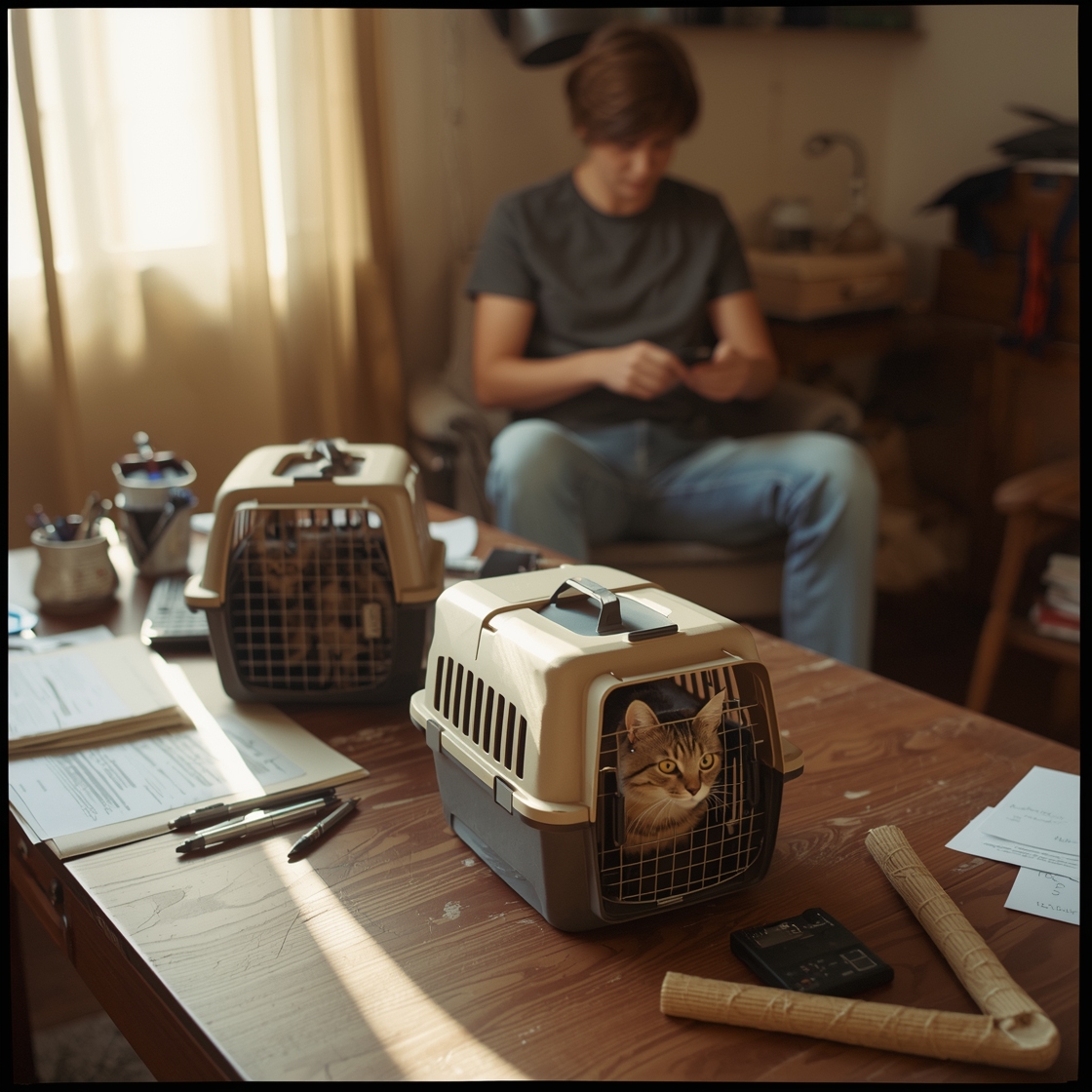
This desk evaluated each backpack against five listing-visible criteria that matter most to cat‑owners on the move.
Ventilation and airflow – We compared how many mesh sides the listing photographs and first bullets show, and whether the copy claims full-length panels versus a single eye-level window. A carrier that publishes three exterior dimensions and shows mesh on more than one face is easier to judge than a fashion shell that hides the vents. That is a market forecast, not a ventilation trial we ran.
Durability and build quality – Listing copy that names ripstop nylon, ballistic nylon, or a reinforced frame is a material claim, not a wear result. Cheaper polyester shells are often described by owners as sagging sooner; that is a recurring owner theme, not a two-week daily-use trial we ran.
Ease of cleaning – Removable, machine-washable pads are a listed feature. Sealed liners that say “wipe clean” are a different job. Buy the liner type you will actually clean.
Value for money – We compare the printed sticker on the card to the feature set the title and bullets advertise. ” There was no testing log.
All of the above is a desk compilation of listing language, airline size tables, and named third-party writeups. It is not a laboratory ranking.
The Importance of Ventilation in Cat Backpack Carriers
Ventilation also plays a psychological role. Cats are naturally curious and rely on visual cues to assess their surroundings. When a carrier’s windows are too small or covered, felines can feel trapped, leading to elevated cortisol levels and frantic attempts to escape. By contrast, carriers that incorporate multiple transparent mesh windows give cats a clear line of sight to the outside world, which listing copy and owner reports often treat as calmer than opaque shells. That figure is not a desk result, and we cannot verify it.
Air quality inside the backpack matters just as much as temperature. A closed environment can quickly become stale, especially if the cat is active or if the carrier is used for longer trips like flights. Fresh air exchange helps disperse dander and any odors that might otherwise build up and irritate a cat’s sensitive respiratory system. According to Markwide Research, the majority of modern cat backpack carriers are built with mesh panels that collectively account for about one‑third of the carrier’s surface area, a design choice that significantly improves internal airflow and keeps the micro‑climate more breathable.
In short, a carrier that prioritizes ventilation protects against overheating, calms nervous cats by maintaining visual contact with their environment, and ensures a healthier air supply for longer journeys. When choosing a backpack, look for ample mesh windows, breathable fabrics, and design features that promote continuous airflow—your cat will thank you with a steadier stride and a quieter ride.
Airline Approval: What You Need to Know
When you plan to fly with your feline, the carrier must meet both international airline standards and U.S. security protocols. The International Air Transport Association (IATA) specifies that any pet carrier used in the cabin must be “under‑seat” size, meaning the external dimensions cannot exceed roughly 45 cm × 30 cm × 20 cm (length × width × height). Most major U.S. carriers adopt these limits, so a backpack that folds to fit within that envelope will clear the gate without a second‑ticket requirement.
The Transportation Security Administration (TSA) does not impose its own size rule, but agents will inspect the carrier at the checkpoint. Their focus is on safety: the bag must be easy to open for a quick visual check, free of prohibited items (e.g., flammable liquids), and constructed so it won’t collapse under pressure. In practice, a carrier that slides cleanly into the X‑ray conveyor and can be opened with a single zipper pull passes TSA scrutiny in seconds.
Beyond dimensions, airlines require specific construction features. The carrier’s main body should be made from durable, lightweight fabrics such as ripstop nylon or polyester blends, reinforced with reinforced stitching at stress points. Mesh panels are essential for ventilation, but the mesh must be fine enough to prevent a cat’s claws from snagging while still allowing airflow. A secure, lockable zipper or hook‑and‑loop closure is mandatory; many carriers also include an internal safety harness that attaches to the pet’s collar, preventing escape if the bag is jostled.
Materials must also be odor‑neutral and leak‑proof. Soft‑shell fabrics that can be wiped clean are preferred over porous canvas that absorbs urine. Some airlines explicitly ban carriers with hard plastic frames because they can become projectiles in turbulence; a flexible, collapsible frame made of aluminum or reinforced plastic is generally accepted.
That surge is driven largely by travelers seeking airline‑approved, ventilated backpacks that double as everyday adventure gear. Choosing a carrier that ticks the IATA size box, passes TSA’s inspection checklist, and uses approved breathable yet sturdy materials ensures you and your cat can enjoy that growing travel trend without a hiccup at the gate.
Pros and Cons of Cat Backpack Carriers
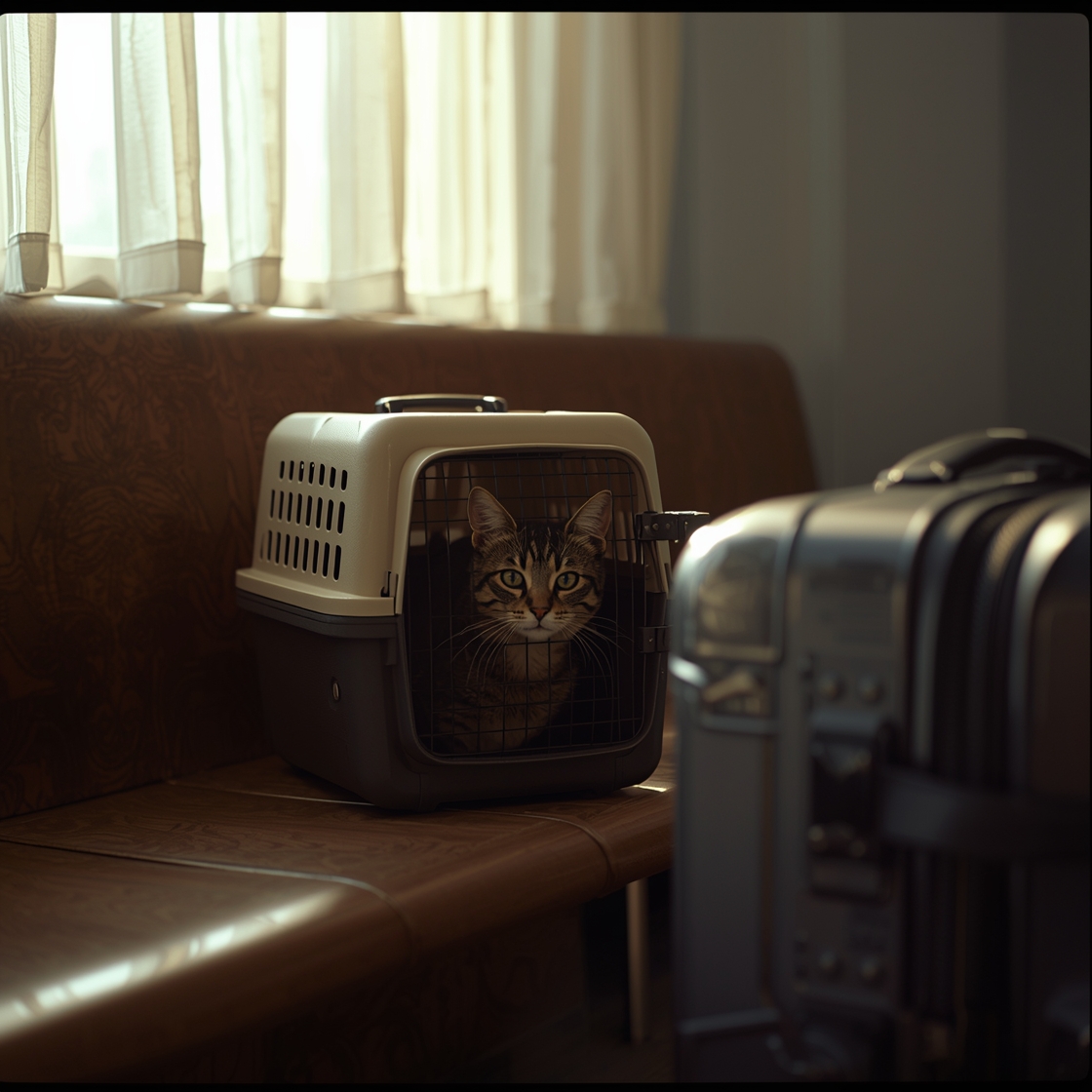
Convenience and portability A well‑designed cat backpack lets you keep your feline companion close while freeing both hands for hiking, grocery trips, or navigating crowded airports. The lightweight frames and padded shoulder straps distribute weight evenly, so even a 10‑pound cat feels like a modest load. Because the carrier folds flat for storage, it slips into a closet or under a seat without taking up much space—an advantage over traditional hard‑sided crates.
Safety and security Most models feature escape‑proof zippers, reinforced mesh windows, and an internal harness that attaches to a safety strap on the outside. Maker pages sell an internal harness as the escape-prevention layer when the bag is jostled. Fit and a clipped harness are still the owner’s job; a strap that is not clipped is a strap that does nothing. The mesh panels give the cat a clear view of the surroundings while preventing accidental slips, and the external strap keeps the carrier tethered to the wearer’s waist or belt loop, reducing the risk of a sudden drop.
Potential drawbacks
| Issue | What to watch for |
|---|---|
| Cost | Premium carriers with airline‑approved dimensions and extra ventilation can run $80‑$150, which may be steep for occasional users. |
| Size & fit | A backpack that’s too tight restricts a cat’s ability to stand, turn, or stretch, leading to stress. Conversely, an overly roomy bag can feel insecure for a nervous feline. |
| Cat comfort | Some cats dislike the enclosed, moving environment. Cats that already accept a hard carrier often still need short, treat-led sessions before a moving backpack feels normal. That is standard acclimation advice, not a trial we ran on a panel of cats. |
The market data underscores why these trade‑offs matter. DataInsightsMarket projects the pet backpack segment to grow at an 8 % compound annual rate, reaching roughly $900 million by 2033, driven largely by the demand for versatile, travel‑ready carriers. Meanwhile, Markwide Research notes that successful designs consistently pair transparent mesh panels with secure harness systems, confirming that ventilation and safety are the two pillars consumers evaluate most heavily.
In short, a cat backpack carrier offers hands‑free mobility and a secure travel solution, but buyers should weigh the higher price tag, ensure an appropriate fit, and give their cat time to adjust before tackling long journeys.
Price Ranges and What to Expect
If you’re budgeting for a ventilated, airline‑approved cat backpack, the market clusters into three clear price bands, each delivering a different level of comfort, durability, and convenience.
Budget (under $50) – At this price point you’ll find basic carriers built from lightweight ripstop nylon or polyester with a single mesh window for airflow. The ventilation panels are usually simple eye‑level openings rather than full‑length windows, and the internal lining is often a thin, non‑removable fleece. Most budget models meet the basic airline dimension limits, but they may lack reinforced stitching or a dedicated safety harness attachment. Budget zippers are a common owner complaint after frequent use; If you travel weekly, read recent zipper reviews and buy a replaceable-part design when the listing offers one.
Mid‑range ($50‑$100) – Moving into the mid‑range adds a handful of upgrades that make a noticeable difference for both cat and owner. Expect dual‑mesh panels (one front, one side) for 360° airflow, a padded, removable interior pad that can be washed, and reinforced straps that distribute weight more evenly across your shoulders. Many carriers in this bracket include a small zip‑away pocket for treats or a collapsible water bowl, and the external material is typically a thicker, water‑resistant coating. Mid-range listings that add dual mesh, a washable pad, and thicker coating are the class this desk treats as the everyday travel buy.
Premium (over $100) – Premium carriers treat the backpack like a portable pet lounge. Features often include full‑length, breathable mesh walls, a built-in harness system that locks into the carrier’s frame, and an ergonomic back panel with breathable foam. High‑grade, tear‑resistant fabrics such as ballistic nylon or reinforced canvas keep the carrier sturdy even under heavy loads. Additional conveniences—like a detachable day‑pack, integrated rain cover, and a quick‑release safety latch—are common. Premium listings advertise those extras; Treat ballistic-nylon and rain-cover copy as manufacturer claims until you have used that specific bag.
This growth fuels more sophisticated designs across all price tiers, giving buyers a wider selection of ventilated, airline‑ready options than ever before.
Cabin Size Desk: Cat Backpack Carrier
| Airline class | Max under-seat (L×W×H in) | Backpack fit | Soft collapse? |
|---|---|---|---|
| Major US | 17×12×9–11 | Tight | Needed |
| Budget | 16×11×8 | Very tight | Required |
Measure carrier with cat inside—listed external dims omit cat shoulder height.
Cat Backpack Carrier — Ventilation vs. Weather
| Mesh coverage | Summer heat | Winter wind | Escape risk |
|---|---|---|---|
| 50% panels | OK 65–80°F | Add cover | Low |
| 70%+ dome | Best airflow | Rain risk | Medium zip watch |
| Bubble window | Glare heat | Poor insul | High curiosity |
Internal clip to D-ring mandatory—zippers fail when cat backs against seam at vet lobby scale.
Cat backpack carrier tables
Desk research from airline public pet pages and listing specs—not flight tests with cats.
Table 1 — Use-case × backpack type
| Job | Prefer | Avoid | Notes |
|---|---|---|---|
| Cabin flight | Soft-sided with documented exterior inches | Soft packs that expand when stuffed | Under-seat soft-sided usually preferred |
| Vet / transit | Mesh-heavy + top and side entry | Single zipper only | Faster load for reluctant cats |
| Hiking / transit hubs | Padded straps + chest belt | Unstructured fashion packs | Weight distribution > bubble look |
| Hot climates | 360° mesh panels | Solid plastic bubble only | Shade + rest stops still required |
| Anxious escape artists | Lockable zippers + leash clip | Open top “window” without screen | Practice at home first |
Table 2 — Cabin footprint bands (desk checklist)
| Exterior L×W×H (in) | Typical fit story | Desk action |
|---|---|---|
| ≤17×10×9 | Conservative under-seat | Strong default for US majors |
| 17–18×11×10 | Borderline | Confirm airline + seat type |
| >18×12×11 | Often gate-check risk | Buy soft-sided soft crate instead |
| Soft pack “expands” | Listing lies when stuffed | Measure with pad + cat mass |
Table 3 — Ventilation vs weather trade-offs
| Design | Airflow desk score | Weather | Cat view |
|---|---|---|---|
| Full mesh | High | Poor in rain/wind | High |
| Bubble + rear mesh | Medium | Better splash block | Very high forward |
| Hybrid roll-top mesh | High | Roll covers help | Medium |
| Hard shell backpack | Low–medium | Best structure | Variable |
Fit and safety notes for a cat backpack carrier
- Cat should turn around and lie down; if shoulders jam, size up or switch to soft crate.
- Clip harness to interior leash ring; never use collar-only attachment as sole restraint.
- Acclimate 5–10 minutes indoors for several days before transit day.
- Airline “approval” is a marketing phrase—policy + measured size decide boarding.
See also: airline-approved pet carriers for small dogs, pet carrier backpack for dogs, pet travel backpacks for hiking.
Acclimation ladder for a cat backpack carrier
Table 4 — 7-day acclimation
| Day | Goal | Duration |
|---|---|---|
| 1 | Open pack as bed | Free access |
| 2 | Treats inside, door open | 5 min |
| 3 | Brief zipper close | 1–2 min |
| 4 | Short indoor wear (human sits) | 5 min |
| 5 | Hallway walk | 5–8 min |
| 6 | Car crate-in-pack practice | 10 min |
| 7 | Full dry-run with harness clip | 15 min |
Table 5 — Escape audit
| Risk | Mitigation |
|---|---|
| Zipper pop | Locking clips / cable ties on pulls |
| Mesh tear | No chewing unsupervised |
| Top buckle fail | Dual entry closed |
| Overheat | Shade + water syringe; never leave in closed car |
Skipping acclimation is the most common reason owners call a cat backpack carrier a failure — the product may be fine while the cat was never trained to it.
Frequently Asked Questions
Is a cat backpack carrier airline approved by default?
No. Airlines publish soft-sided under-seat limits and fees. A cat backpack carrier is only cabin-viable if your measured exterior fits that carrier and the cat stays inside for boarding.
Bubble vs mesh — which cat backpack carrier is better?
Bubble packs maximize forward view; mesh packs maximize airflow. For warm weather and longer waits, mesh-heavy builds usually win in owner reports.
Is bubble style cat backpack carrier airline safe?
Often exceeds width when cat sits upright—verify collapsed height under 11 in with cat loaded, not empty.
How do I introduce my cat to a backpack carrier?
Start with short, low-stress sessions. Put the empty carrier on the floor and let the cat sniff it. Add a familiar blanket and a treat. Reward each entry. Close the zipper for a few seconds, then open it. Build up to a short lift around the room over several days. End on a calm note. This desk reprints standard carrier-training writing.
What size is a cabin-legal cat backpack carrier?
There is no single cabin size. IATA-style writing often reprints an under-seat envelope near 45×30×20 cm. U.S. airlines still publish their own pet-in-cabin pages. Measure the packed exterior — not the empty listing photo — and check that ticket’s current rule.
Does “airline approved” on a cat backpack carrier listing mean it will board?
No. “Airline approved” on a marketplace title is seller language. It is not a boarding pass. The listing review found most of those titles still omit a full L×W×H in the first bullets, which is why we treat the phrase as marketing until you measure.
Can I use a cat backpack carrier for other pets?
Most ventilated backpack carriers are sized for cats weighing up to about 12 lb, so small dogs, ferrets, or even a rabbit can fit if they comfortably stand, turn, and lie down inside. The key is to ensure the animal can breathe freely through the mesh panels and that the internal harness or safety strap can secure the pet without restricting movement. However, larger dogs or very active animals may outgrow the carrier’s weight limit and could damage the zipper or frame. Most of these packs are sized and vented for a cat’s outline, not a rabbit’s. If you carry another species, confirm the animal can stand, turn, and breathe through the mesh, and ask that animal’s veterinarian before a first outing.
How do I clean and maintain my cat backpack carrier?
- Routine wipe‑down: After each outing, remove any loose fur and debris, then wipe the interior mesh and exterior fabric with a damp cloth and a mild, pet‑safe detergent.
- Deep clean: Once a month, detach any removable padding or liner and machine‑wash it on a gentle cycle (cold water, no fabric softener). The carrier’s main body can be hand‑washed in a bathtub or large sink, using lukewarm water and a mild cleanser; avoid submerging any electronic components such as reflective strips.
- Drying: Air‑dry the carrier completely before the next use. Hang it upside down in a well‑ventilated area; maker care pages typically say air-dry fully before storage.
- Inspect hardware: Before each trip, check zippers, buckles, and the internal harness for wear. Tighten any loose screws and replace frayed straps promptly.
Keeping the carrier clean not only extends its lifespan but also maintains the ventilation that keeps cats comfortable during travel.
Our editorial team treats this guide as a living document, revisiting it at least once a year to capture shifts in airline policies, emerging ventilation technologies, and the evolving cat backpack market. That growth is echoed by Markwide Research, which highlights a steady rise in consumer demand for carriers that combine clear mesh windows with secure, escape‑proof zippers. When new airline dimension standards are announced—or when manufacturers release updated breathable fabrics—we’ll re-read the listings against the same desk criteria (stated ventilation, listed comfort features, material copy, and published size limits) and adjust the writeup accordingly. We will not pretend that re-read is a wear trial.
All updates are timestamped below so readers can see when the information was last verified. If you notice any outdated details, new regulations, or product releases that we haven’t covered, please let us know.
Last reviewed: August 2026. If you spot something out‑of‑date, let us know.