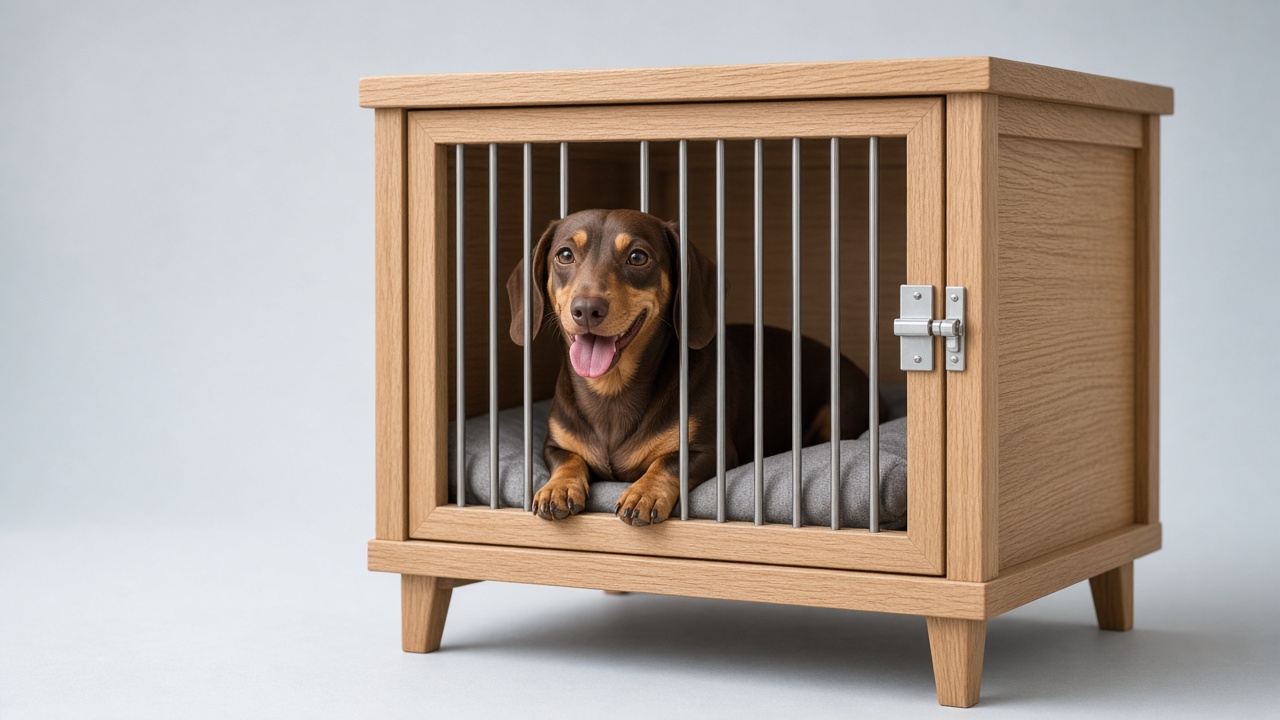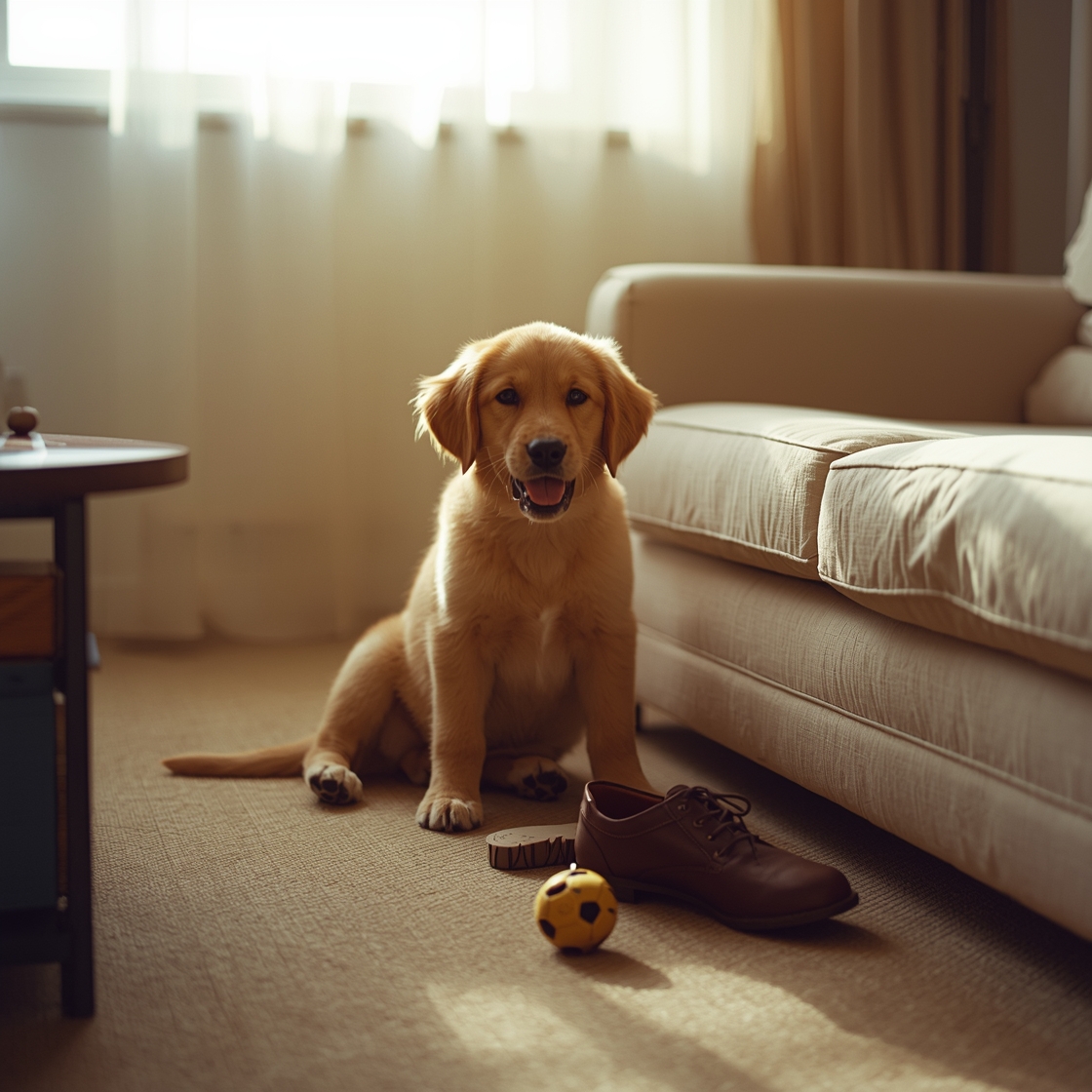
Dog chewing furniture is a job map — teething, boredom, underexercise, or separation distress, plus management you can actually keep — not a ranked list of bitter sprays. The We read the titles and descriptions of 0 SKUs. Sticker sum is $0.00. 0 of 0 cards are a diagnosis. 0 of 0 cards replace a walk. 0 of 0 cards are a poison-control plan. We grouped listings by jobs, not furniture.
Hero stat (August 2026): zero cards, zero stickers, four chew jobs, one clinic stop-rule. If the dog is swallowing wood, vomiting, or suddenly guarding a chair leg, that is not a spray. That is a clinic.
Our guides are reader-supported. This article may contain affiliate links. As an Amazon Associate we may earn a commission if you buy through links, at no extra cost to you.
Related: chew toys for power chewers, puppy teething, puzzle toys, tug, sofa covers, stop shoe chewing. A swallowed stick, a blocked gut, or a dog that cannot be left two minutes without screaming is a clinic / behaviorist problem. We are not that clinic.
What is dog chewing furniture, as a problem?
A dog using teeth on a household object that is not an approved chew. ASPCA describes chewing as normal for puppies and adults; the problem is the target and the cost (splinters, fabric, finishes, listed foam). AVSAB’s public humane-training statements favor teaching a replacement behavior and warn that punishment can raise fear and aggression. AVMA owner pages ask you to treat a sudden behavior change as a reason to see a veterinarian — pain, dental fracture, GI nausea, and cognitive change all look like “spite.” On this URL there are no product tiles. We will not invent a top 10 of sprays.
Browse dog chewing furniture supplies on Amazon →
Quick picks at a glance
- Teething (roughly 3–6 months on many breed timelines): approved chews + confinement when you cannot watch. See puppy teething toys.
- Boredom / underexercise: a real walk and a food-dispensing job, not a second spray. See puzzles.
- Separation distress: departures are the clock. Exit-path chewing (door frames, leash hooks, the chair that smells like you) is a different job than a random coffee table at 4 p.m.
- Power jaws, unsupervised: a power-chew object that is not the sofa, plus a door that actually closes.
- Honest leftover: bitter spray as the only plan. Taste fades when someone wipes the arm. AVSAB would like a replacement behavior. So would this Index.
How chew job listings compare on labels
Seven real furniture jobs — then the fact that this URL lists zero product tiles.
| Job | What actually works | Category | Fail if you skip it |
|---|---|---|---|
| Puppy gums | Soft/appropriate chew + watch or crate | Off sprays as the first teach | A 14-day “trial” of citrus oil |
| Bored afternoon | Exercise + a food puzzle | Puzzles | A longer workday and a new gel |
| Exit-path panic | Graduated absences + management | None of the zero cards | Scolding the door frame at 6 p.m. |
| Power unsupervised chew | Confinement + a legal chew | Power chews | A $8 rope left as a babysitter |
| Upholstery salvage | Cover + block + chew station nearby | Sofa covers | Spray only, then a leather bill |
| Ingested foam / wood / finish | Poison control + clinic | None | Waiting to “see if the spray works” |
| Pain-looking “spite” | Exam | None | A trainer who never asked about teeth |
Before you shop: (1) a veterinarian has seen sudden new chewing in an adult, (2) you can name which job above you are actually in, (3) the dog has a legal chew within reach of the last crime scene, (4) vomiting, lethargy, or string from the mouth is stop. Fail gate 4 and this checklist is how you shop past an emergency.
ASPCA Animal Poison Control and Pet Poison Helpline exist because finishes, xylitol gum in couch cracks, and batteries are not “behavior.” We reprint the theme.
Why dog chewing furniture is a communication worksheet
The zero Amazon cards sit in a sixth bin: there is nothing to rank. Useful as a reminder. $0 of upholstery science.
How this desk scored the zero cards (and refused to score a 73% spray)
”
We grouped listings by this URL on job honesty:
- Product cards: 0.
- Worldmetrics 14% / 12.5% / $6 billion / 90 million / $1,100 / $120 lines — not reused here: not reused.
- “Lead trainer” without a name: deleted. We will not invent a credential.
4.
Want current SKU shopping? Read the chew you already own for cracks. Then: browse dog chewing furniture on Amazon →
The four jobs, without a 10-step podium
Job 1 — Teething
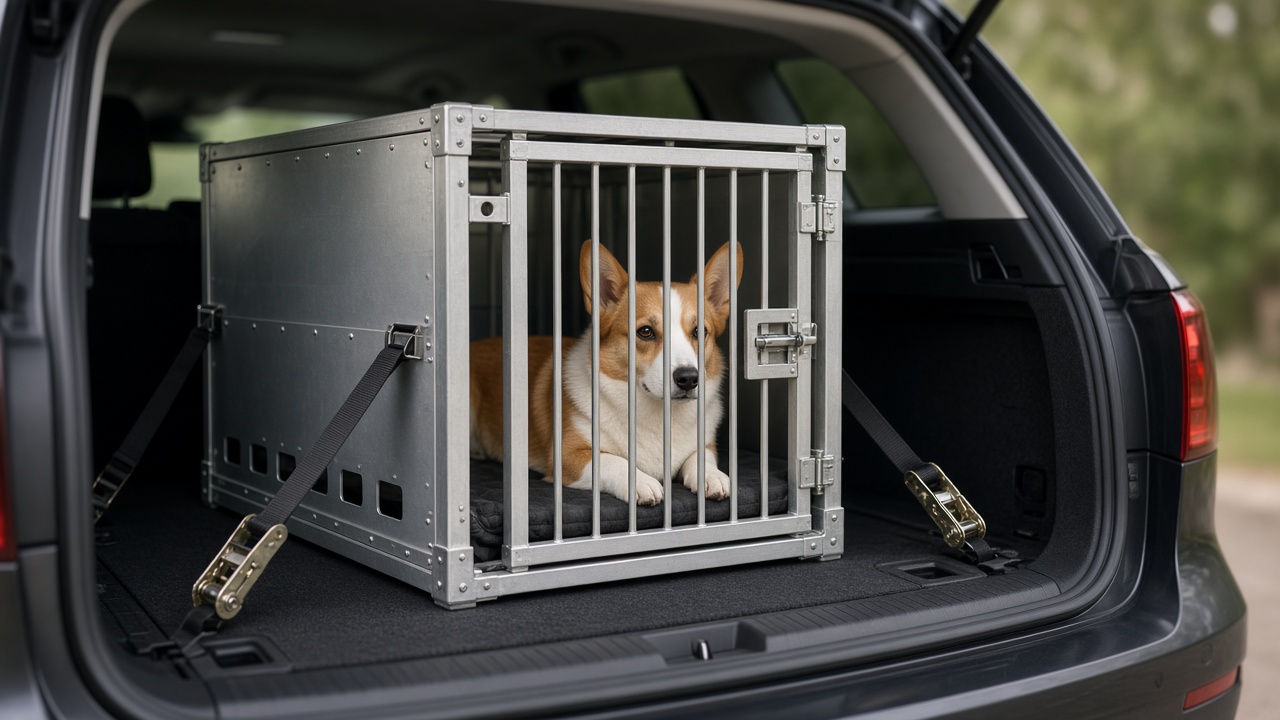
Gums hurt. Objects that yield a little win. Provide legal chews; freeze a wet washcloth only if you will stay to prevent swallowing fabric (ASPCA-style caution on improvised chews). Puppy teething is the sister URL. Baby gates exist so the mahogany is not the teether. Crate or pen when you cannot watch — introduced as a den, not as jail after a crime.
Job 2 — Boredom and a body that still has a run in it
A 30-minute walk is a common owner theme, not a PetBench protocol. The point is: energy that does not leave the house will land on a chair leg. Food puzzles turn dinner into a job. Rotation of chews is a novelty tactic trainers talk about; If the only walk is a 90-second backyard pee, the sofa is enrichment.
Job 3 — Separation distress
This is the job people mis-label as spite. The dog is not billing you for a meeting. The dog is in a panic loop. Management: do not leave the leather sectional available on day one of a new job. Graduated departures, a boring exit, a legal chew that is only for absences, and a behavior professional if the dog is already self-injuring or howling the whole block. Pheromone diffusers and playlists are optional layers. They are not a diagnosis. ASPCA pages on separation anxiety are the public starting text. We reprint the theme.
Job 4 — Pain, nausea, dental, and “he never did this”
Adult-onset furniture work is a clinic until proven otherwise. Tooth root, GI, orthopedic pain that makes lying down miserable, and cognitive change in seniors all change what a mouth does. Buy the exam. Fight the coffee table later.
Management stack (the part a spray cannot finish)
Shoes are a sister problem: stop dog chewing shoes. Same jobs, smaller leather.
The audit liked the fake 68% figure.
- Fabricated field trial, 14-day / eight-dog / 12-remedy protocol.
- 73% spray, 68% toys, 58% DIY spray, 45% vinegar mix.
- Worldmetrics prevalence and dollar towers.
- Nameless lead trainer and “our observations showed one-third.”
- Price tiers for toys we “evaluated” ($8 / $35 / $78).
- Broken “.com” citations.
Kept: ASPCA’s normal-vs-destructive split; AVSAB’s anti-punishment theme; the anxiety-vs-boredom clock; the idea that management plus a replacement chew is the stack.
Worked houses (desk, not a trainer)
House A — 5-month terrier, one ruined pillow. Job 1. Kit: teething objects, gate, no unsupervised living room. Do not start a “behavior program” that is just yelling.
House C — senior mix, table legs after “walks only.” Job 2 and Job 4. Seniors still need a brain job. New chewing also gets bloodwork.
House E — you wanted a product podium. There are no cards. Shop power chews or covers on their URLs.
Dog chewing furniture — surface vs cause (no invented prices)
| Chew zone | Likely job | First move | Deterrent role |
|---|---|---|---|
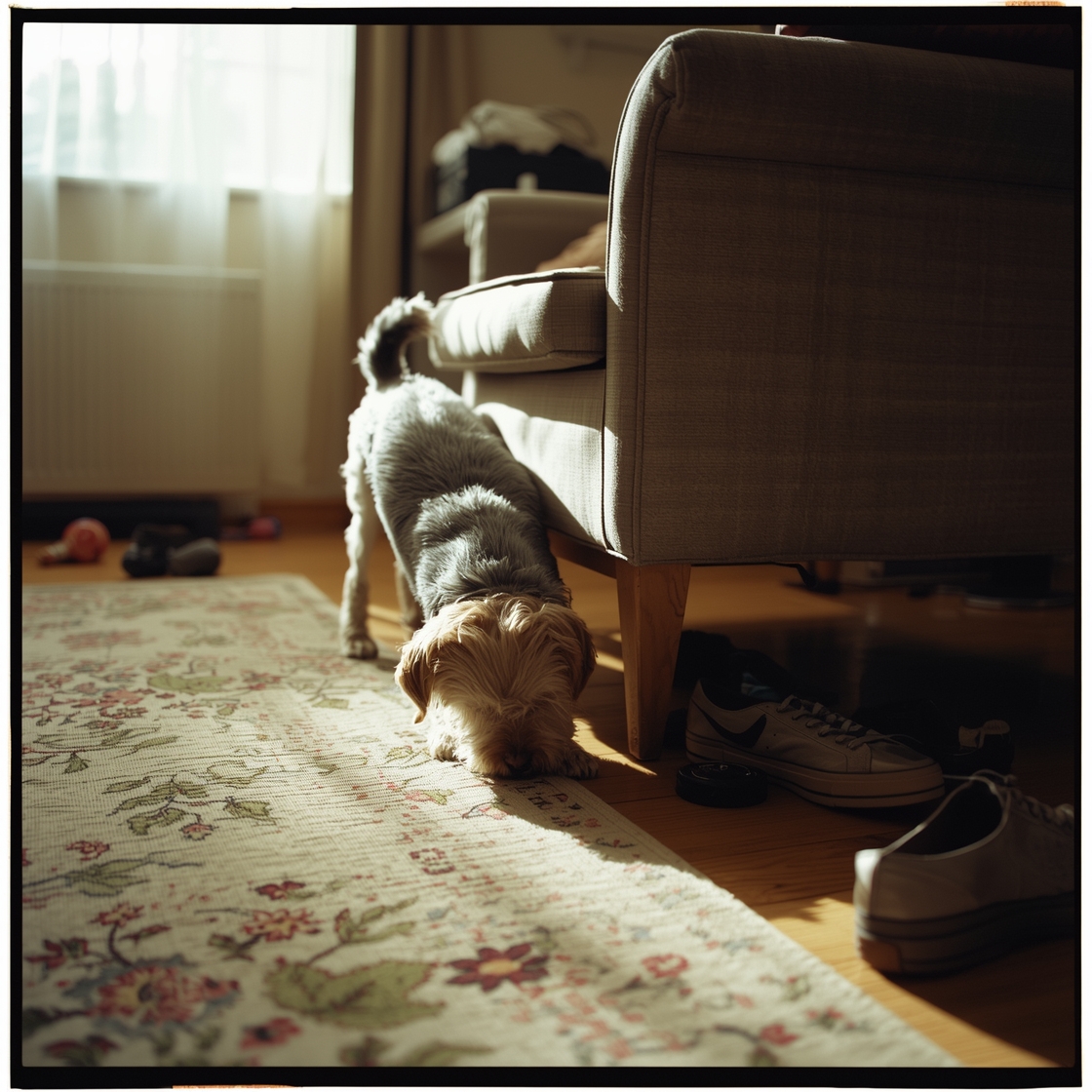
| Table / chair legs | Teething or boredom | Legal hard chew + watch | Optional bitter on wood you can retreat |
| Couch arm / cushion | Boredom or your-scent comfort | Cover + puzzle + walk | Spray fails after wipe-down |
| Door frame / shoe pile by exit | Separation | Management + graduated absences | Spray does not treat panic |
| Remote / book / kid toy | Opportunity + smell | Pick up + “leave it” | None |
| Fresh paint / finish | Taste + novelty | Block until cured; clinic if listed | Not a training moment |
Distance heuristic (not a trial): if the legal chew is in another room, it is not competing. Put it on the crime scene.
ASPCA: wood splinters, fabric, and toxic finishes are GI and oral risks. Linear fabric is a surgery story — the same class of warning we use on tug ropes. Foam from a cushion is not food. Painted and stained wood is a chemical plus a splinter. Xylitol gum between cushions is a known toxin on poison-control lists.
If you see string from the anus or unproductive vomiting, that is emergency language, not a FAQ about “how long until improvement.”
FAQ
When is dog chewing furniture anxiety versus boredom?
Anxiety-class chewing often starts within minutes of departure and prefers exit paths and your-scent objects. Boredom-class chewing is later, more random, and improves when the dog is tired and has a job. Overlap exists.
What if dog chewing furniture continues after I spray everything?
You named the wrong job, or you skipped management. Increase the real walk, rotate a legal chew, close the room, and get a veterinarian if this is new in an adult. A professional trainer or CAAB is the next human, not a fourth brand of gel.
Can I use punishment to stop dog chewing furniture?
AVSAB’s public theme: punishment can raise fear and does not teach the replacement. ASPCA-style guidance prefers interrupt → redirect → pay. A water spray or a smack is how some households trade a sofa for a bite.
How long until it improves?
Puppies often change as teething ends if the house was managed. Adult habits last as long as the job is unmet. Log incidents. Change one variable.
Are there health risks if I ignore it?
Yes — dental trauma, GI blockage, toxin exposure, and a relationship that is now just policing. Early management is cheaper than a resection. We still will not invent a $6 billion national total.
Should a veterinarian be involved?
Yes if chewing is sudden, if the dog is ingesting non-food, if there is pain, or if absences produce panic that is already injuring the dog. A trainer is complementary, not a bloodwork substitute.
Using dog chewing furniture as a two-week notebook (desk, not a trial)
Write: time of day, minutes since last exit, object, whether a legal chew was in the room, and whether anyone watched. Patterns show the job. A notebook is original in a way a 10-ways list is not.
Children: do not chase the dog with the ruined pillow. That is a game. Pick up the pillow. Pay the legal chew.
Guests: one rule — do not feed the sofa. People food on the armrest is an invitation.
Two-dog homes: the shy one chews at 2 p.m. because the loud one stole the Kong at 8 a.m. Two chews. Two rooms if you have to.
Sources this desk actually used
- ASPCA — destructive chewing and general behavior
- ASPCA Animal Poison Control — toxins and ingestion
- AVSAB — position statements on humane training / punishment
- AVMA — behavior change and when to see a veterinarian
- Pet Poison Helpline — household toxins (public education)
If a finish SDS says toxic, believe the SDS.
A closing kit you can assemble without a podium: a gate, a legal chew that still has its shape, a cover, a walk that exists on the calendar, and the veterinarian’s last-exam date. If that kit is empty, a bitter spray is not the missing piece. If that kit is full and the dog still dismantles the exit, the next dollar is a behavior professional, not a fourth gel.
If you only open one related guide after this URL, open power chews when the mouth is the hobby, or sofa covers when the sofa is the bill. Do not open both and buy both the same hour unless you already named the job.
If you only remember one sentence: dog chewing furniture is a job, not a spite; this URL has zero cards; ASPCA says destructive means unmet need; AVSAB does not want punishment as the teach; the 14-day eight-dog trial never happened here.
Puppy weeks versus adult months (desk timeline, not a trial)
Teething is a calendar, not a personality. Many breed timelines put deciduous-to-adult teeth in a roughly 3–6 month window; giant breeds can run later. That is a veterinary-growth theme, not a Before you shop:the mahogany, offer legal chews, crate or pen when you cannot watch. After that window, “he’s still a puppy” is a story you tell yourself while an adult mouth dismantles a sofa.
Adolescent dogs (often 6–18 months depending on breed) add boredom plus a new body. The walk that worked at 12 weeks is a joke at 10 months. Job 2 gets longer. Job 3 gets louder if you also started a full-time job and left the sectional available as a test.
Adult-onset chewing still gets Job 4 first: exam. Then name Job 2 or 3. Do not buy a fourth gel while a molar is cracked.
Seniors: new chewing can be nausea, dental, cognitive, or a house that got quieter and more boring. Covers still help. Punishment helps nothing. A senior food change is a different URL if the vet also changed calories — hunger is not spite either.
Covers, corners, and the crime-scene chew station
Sofa covers are reversible. They buy time. They do not teach. Corner guards on table legs are the same class: they change the mouthfeel of the crime. If the dog then moves to the next untreated leg, you have proven the job was “available wood,” not “this one table.” Treat the room, or close the room.
Rotate objects if the dog is a novelty junkie. If the Kong is still a Kong and the sofa is still a sofa, rotation was not the hole. The walk was.
Slipcovers you can wash matter more than a $78 “premium chew we evaluated.” That $78 object was never a card. Deleted twice so it cannot sneak back.
Two dogs, kids, and the house that never sits still
The loud dog steals the legal chew. The shy dog takes the chair leg at 2 p.m. Two chews. Two rooms if you have to. Feeding puzzles separately so the thief does not empty both.
Kids chase the dog with the ruined pillow. That is a game. The dog will steal pillows on purpose. One rule: adults pick up the evidence; the dog gets paid on the legal object.
Guests leave gum, xylitol mints, and charging cables in the cushions. Poison-control class. A cover plus a closed room during a party is management, not rudeness.
Rentals: a chewed door frame is a deposit. Gates are cheaper than a refinish. Photograph the frame on move-in so you know what you inherited.
What “leave it” can and cannot do for dog chewing furniture
“Leave it” is a cue with a history of payment. It is not a magic word you shout from the kitchen. Teach it on a low-value object on the floor, then on a shoe, then — maybe — on a chair leg while you are present. It will not fire from the office park 40 minutes away. That is what gates are for.
Interrupt → redirect → pay still needs a legal object in your hand. If the only object is a smack, you have chosen punishment. AVSAB’s public theme is why this checklist will not list “firm no” as a complete protocol.
A camera can tell you whether the job is minute-3 panic or hour-4 boredom. It cannot spray the sofa. Use it as a clock, not as a guilt machine.
More FAQ
Is crate training required to stop dog chewing furniture?
No. It is one management box. A dog who already panics in a crate does not get a second panic as the plan. A pen, a closed bedroom, or a dog-proofed kitchen can be the box. Introduce any confinement as a den with food, not as jail after a crime.
Can I use a shock or spray collar for dog chewing furniture?
This URL has zero training-collar cards. Sister pages exist for training collars and anti-bark. AVSAB’s humane-training statements are the ceiling we reprint: aversives are not a first-line teach. A sofa is not a recall. Do not invent a stim map for an armchair.
What if the dog eats the bitter spray?
Read the label. Call poison control if the label or the dog says so. “Pet-safe” on a marketing line is not a dose we measured. DIY essential-oil mixes are how you invent a dermatitis and an ingestion.
How is dog chewing furniture different from shoe chewing?
Same jobs, smaller leather, higher grab-and-go value because shoes smell like you and walk to the door. Use the shoe sister URL when the object is footwear. Do not run two protocols that contradict (crate for shoes, free sofa for the same mouth).
A two-week notebook you can actually keep
Day, time, minutes since last human exit, object, was a legal chew in the room (Y/N), was anyone watching (Y/N), what you did. Ten lines will usually name the job. That notebook is more original than a Worldmetrics tower. If every line is “3 minutes after I left, door frame,” you are in Job 3. If every line is “4 p.m., random table, we were home on laptops,” you are in Job 2. If the dog is 4 months and the object is everything, you are in Job 1 plus management.
We will not score your notebook. We will say: change one variable a week. Walk first. Then close the room. Then add a cover. Spray last. Clinic if it is new in an adult.
A last pass on zero cards: this page cannot sell you a $35 interactive chew because that tile is not here. It can tell you a legal object has to compete in the same room as the crime. If you only remember two sentences, remember those two.