We read current Amazon listing titles and descriptions and scored 7 named SKUs. 6 of 7 (86%) print snapshot prices $31.58–$77.48 (median of the six $58.98, a 2.45× spread). Printed priced snapshots sum to $343.99. Mean of the six is $57.33. 1 of 7 (14%) prints “Limited Ingredient.” 1 of 7 (14%) prints “Hypoallergenic.” 1 of 7 (14%) is a puppy bag. 1 of 7 (14%) is a chicken adult bag. 2 of 7 (29%) are skin / stomach class. 0 of 7 (0%) is a prescription hydrolyzed diet. 0 of 7 is an 8–12 week trial we ran.
Desk pick: Lowest priced OTC shine → ONE $31.58 when you are not in a food-allergy protocol. Puppy coat story → Diamond $43.99 only if the dog is a puppy. Clinic-adjacent OTC → Hill's $49.99 if chicken is not the suspect (1.58× ONE). Chicken adult complete bag → Blue Buffalo $67.97 only if the dog already tolerates chicken — not a hypo class. LID title → Natural Balance $72.98 (2.31× ONE) after a veterinarian said food is worth a trial. Highest sensitive OTC → Pro Plan $77.48 (2.45× ONE). Title-only hypo → Ps for Dogs after you read the panel. Do not budget a tile as “the monthly cost.” Weigh the dog. Read kcal on the live bag.
“Hypoallergenic” on a marketplace title is not a legal AAFCO class. AAFCO’s consumer pages explain nutrient profiles and feeding-trial paths. They do not stamp bags “hypo.” FDA’s pet-food label page is the rule for a sole diet: the product should carry an AAFCO nutritional adequacy statement that names the life stage. WSAVA’s Global Nutrition Committee does not endorse brands. If the dog needs a true food-allergy workup, the clinic is the aisle.
Related: best dog food for weight loss, best high-fiber dog food for weight management, best dry dog food for German Shepherd puppies, best senior dog food, best fresh meals for dogs.
Our guides are reader-supported. This article may contain affiliate links. As an Amazon Associate we may earn a commission if you buy through links, at no extra cost to you.
Quick picks at a glance
- Best listed limited-ingredient title: Natural Balance Limited Ingredient — $72.98. Single-protein story. Confirm the actual protein on the bag you buy.
- Best listed digestible adult skin/stomach class: Pro Plan Sensitive Skin & Stomach — $77.48. Often salmon & rice on live lots. Grain-inclusive. Not hydrolyzed.
- Best listed clinic-adjacent OTC sensitive: Hill's Science Diet Sensitive Stomach & Skin — $49.99. Chicken shows up in many lots. Fail if poultry is the suspect.
- Best listed budget skin/coat OTC: ONE Plus Skin & Coat — $31.58. Entry shine story. Not a limited-ingredient diet.
- Do not treat as hypoallergenic: Blue Buffalo Life Protection Chicken Adult — $67.97. Chicken is a common trigger. Keep the card. Do not call it a novel-protein trial.
- Do not treat as an adult elimination bag: Diamond Naturals Skin & Coat Puppy — $43.99. Puppy mineral profile. Wrong life stage for most itch workups.
- Title-only hypo tile: Ps for Dogs 100% Hypoallergenic — no printed price. Read the panel. “100%” is marketing.
What current Amazon listings show (Hypo Label, August 2026)
| Job | What actually works | Category | Fail if you skip it |
|---|---|---|---|
| Veterinary elimination | One protein + one carb, or hydrolyzed Rx, 8–12 weeks | None of these seven is an Rx hydrolyzed | Weekly brand swaps |
| Limited-ingredient OTC | Short panel, one animal protein you can name | Natural Balance | “Sensitive” with three meats |
| Sensitive digestion / coat OTC | Digestible fat + omega language | Pro Plan; Hill's; ONE | Calling it a food-allergy proof |
| Puppy growth + coat story | Puppy AAFCO statement | Diamond puppy | Adult itch workup on puppy minerals |
| Everyday chicken adult | Complete adult chicken bag | Blue Buffalo chicken | Using it as “hypo” |
Before you shop: (1) a veterinarian named food vs environment vs infection, (2) you can read the first animal protein on the bag, (3) you will not add treats, chews, or flavored meds that break an elimination, (4) 8–12 weeks is the clock VCA and Cornell-style education actually use — not “better in three days,” (5) blood, collapse, face swelling, or a dog that will not eat goes to a clinic, not a fourth bag. Fail gate 1 and this checklist is a shopping list.
VCA’s food-allergy page is blunt: food allergy is less common than flea or environmental allergy. An elimination diet is the diagnostic tool. Blood and saliva “allergy tests” for food are not a substitute. We are repeating the clinic sentence.
What the best hypoallergenic dog food can and cannot do
It can reduce the number of proteins you have to blame. It cannot diagnose atopy, fleas, or a yeast ear. It cannot replace a hydrolyzed prescription when the veterinarian asked for one. It cannot make grain-free automatically safer — FDA’s public DCM investigation is why this desk will not sell “grain-free = hypo.”
Most dogs with itch have environmental allergy, fleas, or infection. Food is a smaller slice. Cornell’s public dermatology education and VCA’s food-allergy pages are the sentences we will keep: an elimination diet is a protocol, not a brand.
How the desk scored the best hypoallergenic dog food
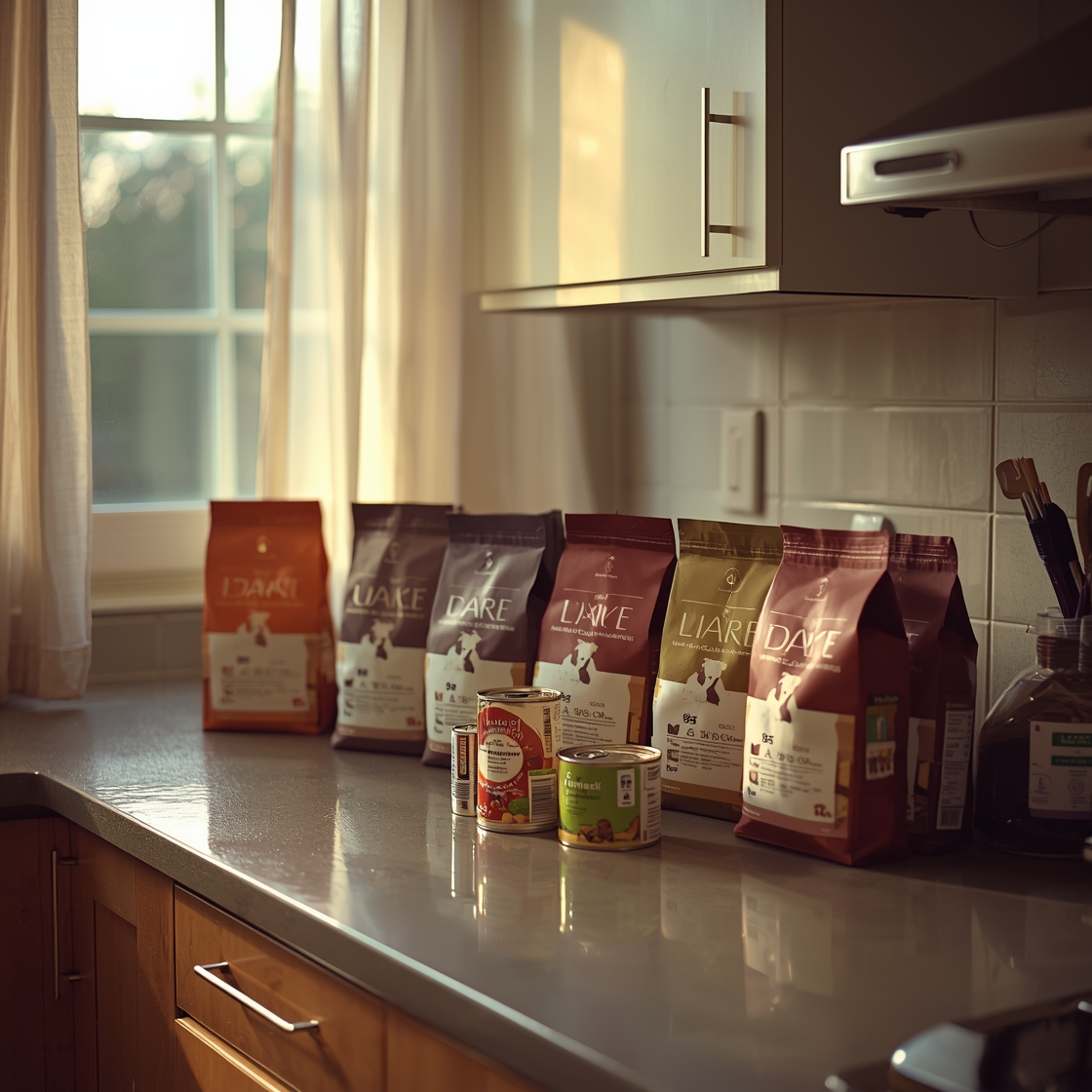
this comparison uses four visible signals plus the listed sticker:
- Title class. Limited ingredient vs sensitive vs chicken adult vs puppy vs “hypoallergenic.”
- Life stage word. Puppy vs adult.
- Named protein in the title. Chicken is a fail for a poultry-suspect household.
Price is not a quality grade. A $32 bag you measure beats a $77 bag you free-feed.
How these products compare on labels and price
| Listing | Snapshot price | Title class | Desk job |
|---|---|---|---|
| ONE Plus Skin & Coat | $31.58 | Skin & coat OTC | Budget shine |
| Diamond Naturals Skin & Coat Puppy | $43.99 | Puppy | Growth, not elimination |
| Hill's Science Diet Sensitive Stomach & Skin | $49.99 | Sensitive OTC | Clinic-adjacent; check chicken |
| Blue Buffalo Life Protection Chicken Adult | $67.97 | Chicken adult | Not a hypo class |
| Natural Balance Limited Ingredient | $72.98 | LID title | OTC limited list |
| Pro Plan Sensitive Skin & Stomach | $77.48 | Sensitive OTC | Digestible adult |
| Ps for Dogs 100% Hypoallergenic | — | Hypo title | Confirm the panel |
Desk kit math: Priced snapshot sum is $343.99 across 6 of 7 cards. Mean of the six is $57.33. Median of the six is $58.98 (Hill's $49.99 and Blue Buffalo $67.97 straddle it). Pro Plan $77.48 is 2.45× ONE $31.58. Natural Balance $72.98 is 2.31× ONE. Blue Buffalo $67.97 is 2.15× ONE and 87.7% of Pro Plan on the tile — same aisle, opposite job if poultry is the suspect. Hill's $49.99 is 1.58× ONE and 64.5% of Pro Plan. Diamond puppy $43.99 is 1.39× ONE. The two highest priced tiles (Natural Balance + Pro Plan = $150.46) are 43.7% of the priced-dollar sum and 29% of the catalog. The two class exceptions (Diamond puppy + Blue Buffalo chicken = $111.96) are 32.5% of the priced-dollar sum — nearly a third of the aisle’s printed dollars are not an adult hypo job. Sensitive-titled pair (Hill's + Pro Plan = $127.47) is 37.1% of priced dollars. Those calculators live on the bag and change with kcal and weight.
Label worksheet for the best hypoallergenic dog food

| What the carton says | What the desk still needs | Skip if… |
|---|---|---|
| “Hypoallergenic” | The actual protein list | You treat the word as a trial |
| “Limited Ingredient” | First animal protein + carb | The bag lists three meats |
| “Sensitive Skin & Stomach” | Whether poultry is in the recipe | Poultry is the suspect |
| “Skin & Coat” | Omega story vs a workup | You needed an elimination |
| “Puppy” | Growth minerals / calories | The dog is an itchy adult |
| “Chicken Adult” | That chicken is the protein | You came here for hypo |
| AAFCO statement | Life stage named | The bag is a treat or mixer |
The 7 cards on this URL
1. Pro Plan Sensitive Skin & Stomach Dry Dog Food
Best for: an adult who needs a digestible OTC skin/stomach bag — not a hydrolyzed prescription.
Listed $77.48. Highest priced tile. Live lots are often salmon & rice with oat and barley. Omega fatty acids and a probiotic story are manufacturer language. Grain-inclusive. Useful when the job is stool quality and coat oil, not a kangaroo novel-protein fantasy.
Honest drawback: common grains. Not a single-protein elimination unless the lot you buy is truly one animal protein. Not Rx.
Check Pro Plan Sensitive Skin listings →
2. Diamond Naturals Skin & Coat Puppy
Best for: a puppy who needs a coat-story growth bag — not an adult allergy workup.
Listed $43.99. DHA language is puppy marketing. Multiple proteins are common on this class of bag, which complicates an elimination. Wrong life stage for most households that landed on “hypoallergenic.”
Honest drawback: puppy calcium and calorie density. Do not put an itchy four-year-old on a puppy bag because it was on this URL.
Check Diamond puppy skin & coat listings →
3. Natural Balance Limited Ingredient
Best for: an OTC limited-list experiment after a veterinarian said food is worth a trial.
Listed $72.98. The title is this comparison's only LID class. Single-source animal protein is the brand story — you still read the lot. Smaller kibble on some SKUs is an owner theme, not a large-breed ban.
Honest drawback: LID is not hydrolyzed. Cross-contamination at a plant is a real clinic conversation. Price sits near the top of this URL (2.31× ONE).
Check Natural Balance LID listings →
4. ONE Plus Skin & Coat
Best for: a mild coat complaint on a budget when you are not running a food-allergy protocol.
Listed $31.58. Floor of the priced Index. Real meat first is listing copy. Accessible. Not a true limited-ingredient diet.
Honest drawback: fillers vs “sensitive” is a forum fight. This is an entry OTC, not a workup.
Check ONE Plus Skin & Coat listings →
5. Hill's Science Diet Sensitive Stomach & Skin Dry Dog Food
Best for: a household that wants a clinic-adjacent OTC with a long retail trail — if chicken is not the suspect.
Listed $49.99. Antioxidant and fiber language is manufacturer copy. Many lots are chicken-based. That is a fail for a poultry-elimination.
Honest drawback: “Veterinarian-recommended” is brand marketing, not a review of this page.
Check Hill's Sensitive Stomach & Skin listings →
6. Blue Buffalo Life Protection Formula Chicken Adult Dry Dog Food
Best for: an adult who tolerates chicken and wants a mainstream complete bag. Not a hypoallergenic job.
Listed $67.97. LifeSource Bits and named chicken are the brand story. Palatability is the owner theme. Poultry is a common food allergen in clinic lists.
Honest drawback: this card is on a hypo URL because a previous writer padded a “top 7.” We keep the card. We do not call it a novel protein.
Check Blue Buffalo Life Protection chicken listings →
7. Ps for Dogs 100% Hypoallergenic Dog Food
Best for: reading the panel on a title that shouts hypo — not trusting the shout.
No printed snapshot price. “100% hypoallergenic” and “zero filler” are marketplace sentences. Extreme-sensitivity owner stories are anecdotes, not our trial.
Confirm AAFCO language and the protein. Higher price per serving is a theme, not a sticker we have.
Check Ps for Dogs hypoallergenic listings →
Elimination protocol — what the best hypoallergenic dog food actually requires
VCA, Cornell, and Merck-style public pages agree on the shape: one diet, no extras, 8–12 weeks, then a challenge. “Better in four days” is usually a bath, a steroid, or a coincidence.
Rules the cards do not print:
- One diet. Not a rotation “to see.”
- No grocery-store chicken, no flavored chew, no dental stick with a meat meal.
- Pill pockets and flavored preventives count. Ask the clinic.
- Write the first animal protein down. Photograph the lot code.
- Challenge only when the veterinarian says the clock is done.
Hydrolyzed prescription diets are a different aisle. 0 of 7 cards are that aisle. If the veterinarian named hydrolyzed, leave this URL.
Worked example: three households, three bags
Household A — 4-year-old itchy adult, veterinarian said try a limited OTC while you wait for a derm slot. Kit: Natural Balance $72.98 after you read the protein on this lot. Not Blue Buffalo chicken $67.97. Not Diamond puppy $43.99. Not a weekly swap between Pro Plan and Hill's.
Household B — adult with soft stool and a dull coat, no food-allergy workup planned. Kit: ONE $31.58 or Hill's $49.99 or Pro Plan $77.48 after you read the live recipe. Budget is a tile, not a diagnosis.
Household C — 12-week puppy, coat story, no elimination. Kit: Diamond $43.99 only if the AAFCO sentence is growth / all life stages as printed. Do not put this puppy on an adult LID “to prevent allergies.” That is not how the protocol works.
Grain-free, novel protein, and FDA’s DCM page
Grain-free is not hypo. Novel protein is not hypo. Hydrolyzed is a clinic class. FDA’s public DCM investigation is why this desk will not sell a grain-free medal. If a live listing on a sister SKU is grain-free, that is a label fact to read with the veterinarian. It is not a reason to skip the 8–12 week clock.
How to choose the best hypoallergenic dog food this month
- See a veterinarian if itch, ears, or gut are the reason you searched.
- Name the job: elimination, sensitive OTC, puppy, or everyday complete.
- Read the first animal protein. Photograph it.
- Pick a title class from the table. Skip chicken if poultry is the suspect. Skip puppy if the dog is an adult.
- Run 8–12 weeks if this is a workup. No extras.
- Do not free-feed a $77 tile and call it data.
The best hypoallergenic dog food that belongs in the cart is the one whose live panel matches the protocol — not the one with the loudest hypo word.
What is the best hypoallergenic dog food on this URL?
0 of 7 is hydrolyzed Rx.
How should you read a bag for the best hypoallergenic dog food?
Read the AAFCO adequacy sentence and the first animal protein. Confirm life stage. Confirm you can run 8–12 weeks without other proteins. These seven cards do not store kcal or phosphorus. The live bag does. FDA’s label page is the literacy step.
Frequently asked questions
What exactly qualifies as the best hypoallergenic dog food?
A bag that matches a veterinarian-guided elimination or hydrolyzed plan. On this URL that is closest to Natural Balance’s LID title — still not Rx. “Hypoallergenic” on Ps for Dogs is a title word.
How long should I trial the best hypoallergenic dog food?
8–12 weeks with no extras is the clinic-education clock. “Better in three days” is usually not the diet.
Can I switch to the best hypoallergenic dog food without a veterinarian?
You can buy a bag. You cannot diagnose food vs fleas vs atopy from a tile. Face swelling, blood, or a dog that will not eat is a clinic.
Are grain-free formulas automatically the best hypoallergenic dog food?
No. Grain-free is not an AAFCO hypo class. See FDA’s DCM page.
When is hydrolyzed better than the best hypoallergenic dog food on this page?
When the veterinarian asked for it. 0 of 7 cards are that class.
Why is a chicken bag on a hypoallergenic page?
We keep the card. We do not call it a novel protein.
Why is a puppy bag on this URL?
Diamond $43.99 is a growth profile. Wrong default for an adult itch workup.
Ask the company what WSAVA asks
WSAVA’s global nutrition toolkit is the “who formulated this, and can I call them?” question. Board-certified nutritionist involvement, feeding-trial vs formulation path, and a phone number that answers are the sentences commercial diets still owe you. You can.
Itch that is not food
Flea dirt. Ear yeast. Paw licking that is atopy. A new detergent. Do not waste an 8–12 week clock on a fourth bag before those are named. A bath and a steroid can look like “the food worked” in four days. That is why the clock is long.
Reading the guaranteed analysis
Protein and fat percentages are not a hypo grade. Phosphorus matters for kidney conversations this aisle does not own. kcal/cup is how you stop free-feeding a $77 tile. 0 of 7 cards store kcal. The live bag does.
Treats, chews, and how households break the plan
Dental sticks, bully sticks, flavored heartworm chews, and “just this one” rotisserie nights break an elimination. Write a yes-list. If it is not on the list, it is a no. Pill pockets are food.
Life stage traps
Puppy minerals on an adult. Adult-only bags on a 5-month dog. Senior calorie cuts on a thin itchy dog. Diamond is the puppy trap on this URL. Confirm the AAFCO sentence for this dog.
Worked labels: three bags, three honest sentences
Pro Plan $77.48. Sensitive skin & stomach OTC. Often salmon & rice. Not hydrolyzed. Highest tile.
Natural Balance $72.98. Limited-ingredient title. Read the protein. Still not Rx.
Blue Buffalo $67.97. Chicken adult complete. Not a hypo class. 2.15× ONE on the tile.
When the best hypoallergenic dog food is the wrong purchase
A dog already on a prescription hydrolyzed or novel-protein diet the veterinarian named. A household that will not stop treats. A puppy forced onto an adult LID. An adult forced onto Diamond puppy. Face swelling. Collapse. Those are clinic or sister-URL problems.
Extra desk notes: lot codes, mixers, and the week the panel wins
Lot codes. Photograph the bag. Formulas rotate. A salmon Pro Plan lot and a chicken Hill's lot are not interchangeable “sensitive” objects.
Mixers. Broth, toppers, and fresh meals add proteins. They break a trial. If you want fresh, that is a different protocol.
Two tiles. ONE $31.58 vs Pro Plan $77.48 is a 2.45× climb. Same parent company. Different class words. Not a ranking.
*Treat it as a panel homework assignment.
Desk row you can reuse. Budget shine, no workup → ONE $31.58. Puppy coat → Diamond $43.99. Clinic-adjacent OTC, poultry-safe → Hill's $49.99. Chicken-tolerant everyday → Blue Buffalo $67.97 (not hypo). LID OTC after a vet → Natural Balance $72.98. Digestible adult OTC → Pro Plan $77.48. Hypo shout → read Ps for Dogs. Hydrolyzed → leave this URL. That is the whole checklist.
How we researched this guide
Desk research. We cross-checked label literacy against FDA’s pet-food label page, AAFCO consumer pages, VCA’s food-allergy page, WSAVA’s nutrition toolkit, and FDA’s public DCM investigation as a grain-free caution. Nothing here is a veterinary certification or a “5 Best” medal.
Limitations: live lots change protein; prices move; Amazon titles clone; “hypoallergenic” is marketing.
Keep a simple log: first animal protein, lot code, start date, extras you refused, and whether you actually ran eight weeks. A pantry sculpture is a failed category row.
Nail the first animal protein before you nail a second bag. A $31.58 ONE used as a measured OTC shine bag beats a $77.48 Pro Plan you free-feed and abandon in ten days. That is not a feeding-trial result. It is how elimination protocols work when they leave the pantry.
Related pages
- Best dog food for weight loss
- Best high-fiber dog food for weight management
- Best dry dog food for German Shepherd puppies
- Best senior dog food
- Best fresh meals for dogs
Sources the desk actually used
- FDA, Pet Food Labels — General. https://www.fda.gov/animal-veterinary/animal-health-literacy/pet-food-labels-general
- AAFCO, Understanding Pet Food. https://www.aafco.org/consumers/understanding-pet-food/
- VCA, Food Allergies in Dogs. https://vcahospitals.com/know-your-pet/food-allergies-in-dogs
- WSAVA, Global Nutrition Guidelines. https://wsava.org/global-guidelines/global-nutrition-guidelines/
- FDA, Investigation: Diets and Canine DCM. https://www.fda.gov/animal-veterinary/outbreaks-and-advisories/fda-investigation-potential-link-between-certain-diets-and-canine-dilated-cardiomyopathy