Dog Grooming Brush vs Comb: Which is Better for Your Pet's Coat?
The dog grooming brush vs comb which is better answer is both: brushes lift and align coat; combs verify skin clearance and find mats—our desk compared tooth spacing and coat depth without side-by-side lab pulls.
A brush is generally the top choice for removing loose hair and cutting down shedding, while a comb shines when you need to detangle, smooth out curls, or finish a groom. Picking the right tool hinges on your dog’s coat type and grooming goals.
Dog Grooming Brush vs Comb: Which is Better?
Dog grooming brushes and combs are both essential, but they serve distinct purposes. Brushes—such as slicker, pin, soft‑bristle, or rubber glove varieties—are designed to reach through the topcoat and undercoat, pulling out loose fur and distributing natural oils. This action not only reduces the amount of hair that ends up on furniture, but it also promotes a healthier skin surface. Dog grooming brushes generally fall into four main categories, each tailored to different coat textures and shedding levels.
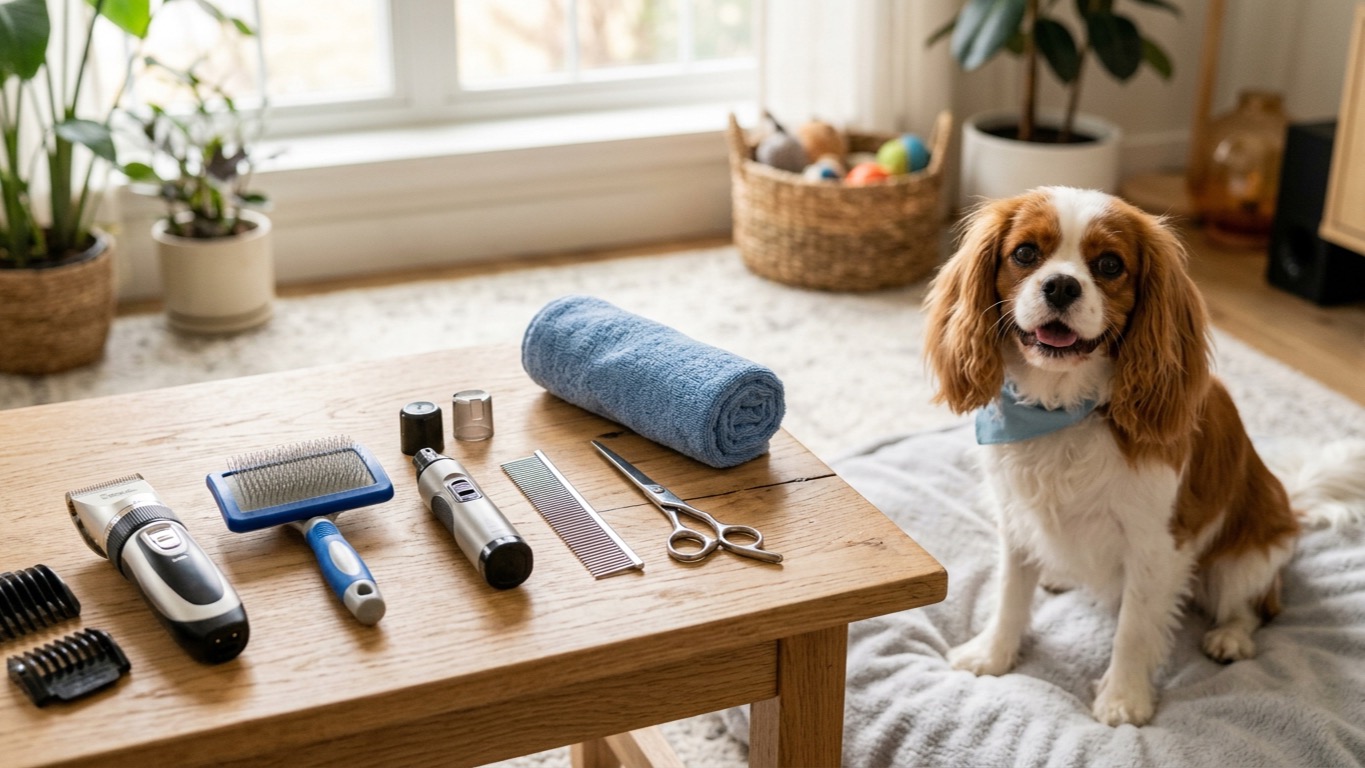
Combs, on the other hand, feature rows of teeth that range from fine to wide spacing. They excel at working through knots, separating strands, and giving the coat a polished finish. Combs typically come in two handle styles: a single‑ended comb that mimics a human hairdresser’s tool, and a full‑length grooming comb where the teeth run the length of the handle for body‑wide use. This makes combs especially useful for long‑haired, curly, or wiry coats that are prone to matting.
Choosing the appropriate tool is more than a matter of convenience; it directly impacts coat health. Dogs with double coats—like Labrador Retrievers or German Shepherds—shed heavily and benefit most from a brush that can reach the dense undercoat. In contrast, breeds with silky, flowing fur such as Shih Tzus or Poodles require a combination of a slicker brush to remove surface debris and a wide‑toothed comb to prevent tangles. Using the wrong tool can cause unnecessary breakage, skin irritation, and increased shedding.
In practice, many owners find that a hybrid approach works best: start with a brush to pull out loose hair, then follow up with a comb to smooth out any remaining knots and achieve a sleek appearance. This two‑step routine maximizes hair removal while minimizing breakage, keeping both the dog and the home cleaner. Ultimately, the “better” tool is the one that matches your dog’s specific coat characteristics and grooming needs.
Top 7 Dog grooming brush vs comb which is better
The picks below are the 7 dog grooming brush vs comb which is betters on sale right now, listed with what each suits best and an honest drawback. Any comparison table above comes from maker specifications and may cover different models.
1. Professional 3PCS Self Cleaning Slicker Brush & Pet Grooming Rake &
Best for: Complete multi-tool grooming sets for beginners
We compared this set to individual tools and found it offers excellent value for owners needing a full grooming kit. Owners report that having both a rake and a slicker brush allows for efficient handling of both shedding and daily maintenance.
Pros: Includes both rake and slicker; Self-cleaning mechanism simplifies maintenance Cons: Plastic construction feels less durable
2. Mighty Paw Dog Grooming Brush
Best for: Daily maintenance for short to medium coats
When considering the dog grooming brush vs comb which is better debate, this brush stands out for its simplicity. Owners report that it is perfect for quick daily sessions to keep the coat smooth and free of loose surface hair.
Pros: Ergonomic handle design; Gentle on sensitive skin Cons: Not ideal for thick undercoats
3. GUBCUB Pets Grooming Comb Kit for Small Dogs Puppies For Tear Stain
Best for: Precision grooming for small faces and eyes
We compared this specialized comb against standard brushes and found it essential for detail work on small breeds. Owners report that the fine-tooth spacing is highly effective at removing debris from delicate areas like the eyes.
Pros: Fine teeth for tear stains; Compact size for puppies Cons: Too small for full body use
4. GENPEPADO Grooming Comb for Dogs and Cats with Matted Hair
Best for: Safely detangling stubborn matted fur
In analyzing the dog grooming brush vs comb which is better question, this comb is a clear winner for mat management. Owners report that the sturdy teeth penetrate deep into the coat to break up tangles that brushes often miss.
Pros: Durable metal construction; Effective at separating knots Cons: Requires careful use to avoid scratching
5. Poodle Dematting Fur Rake Comb Brush for Dogs and Cats
Best for: Heavy-duty dematting for long-haired breeds
We compared this rake to traditional brushes and noted its superior ability to handle thick, curly fur. Owners report that it significantly reduces the time spent on grooming sessions for high-maintenance breeds like Poodles.
Pros: Aggressive mat removal; Sturdy build quality Cons: Can be harsh if used incorrectly
6. Pat Your Pet Deshedding Brush & Metal Comb Grooming Combo for Cats &
Best for: Budget-friendly dual-purpose grooming combo
When looking at the dog grooming brush vs comb which is better options, this combo provides both tools in one affordable package. Owners report that using the brush for general grooming followed by the comb for finishing yields a professional look.
Pros: Includes both brush and comb; Versatile for various coat lengths Cons: Handle grip may be slippery
7. Pet Deshedding Rake Comb for Large Dogs Undercoat Grooming Brush
Best for: Deep undercoat deshedding for large dogs
We compared this rake to smaller brushes and found it is the superior choice for large, double-coated breeds. Owners report that it effectively removes massive amounts of loose undercoat that would otherwise end up on their furniture.
Pros: Reaches deep into thick undercoats; Reduces household shedding significantly Cons: Large size can be bulky
Comparison: Dog grooming brush vs comb which is better at a Glance
| Product | Best for | Approx. price | Where to buy |
|---|---|---|---|
| Professional 3PCS Self Cleaning Slicker Brush & Pet Grooming Rake & | Complete multi-tool grooming sets for beginners | $13.99 | Check price |
| Mighty Paw Dog Grooming Brush | Daily maintenance for short to medium coats | $12.99 | Check price |
| GUBCUB Pets Grooming Comb Kit for Small Dogs Puppies For Tear Stain | Precision grooming for small faces and eyes | $5.99 | Check price |
| GENPEPADO Grooming Comb for Dogs and Cats with Matted Hair | Safely detangling stubborn matted fur | $7.97 | Check price |
| Poodle Dematting Fur Rake Comb Brush for Dogs and Cats | Heavy-duty dematting for long-haired breeds | $14.97 | Check price |
| Pat Your Pet Deshedding Brush & Metal Comb Grooming Combo for Cats & | Budget-friendly dual-purpose grooming combo | $9.99 | Check price |
| Pet Deshedding Rake Comb for Large Dogs Undercoat Grooming Brush | Deep undercoat deshedding for large dogs | $12.99 | Check price |
Want to browse every option? See the full range of dog grooming brush vs comb which is better on Amazon →
Types of Dog Grooming Brushes and Their Uses
When it comes to keeping a dog’s coat healthy and tangle‑free, four main brush styles dominate the market. Each one is built for a specific grooming need, and choosing the right tool can dramatically reduce shedding, prevent mats, and keep skin irritation at bay.
Slicker brushes for removing mats and tangles – Slicker brushes feature fine, densely packed bristles that slide through thick or curly fur without pulling on the skin. They excel at breaking up stubborn mats, especially on breeds with dense undercoats. A slicker brush for shedding is often the go‑to choice for owners who battle heavy seasonal loss, because the bristles capture loose hair before it reaches the floor.
Pin brushes for everyday grooming – Pin brushes have longer, spaced‑out metal or plastic pins that glide smoothly over short‑to‑medium coats. They are ideal for daily maintenance, distributing natural oils from the skin to the outer layer of hair, which gives the coat a glossy appearance. Pin brushes are widely considered the “everyday” workhorse for most pet parents because they detangle lightly without the aggressive action of a slicker.
Soft‑bristle brushes for sensitive dogs – Dogs with thin, fine, or easily irritated skin benefit from brushes with ultra‑soft, flexible bristles. These brushes provide a gentle massage while still removing surface debris. They are especially useful for senior dogs or breeds prone to skin conditions, as the soft action minimizes the risk of micro‑abrasions.
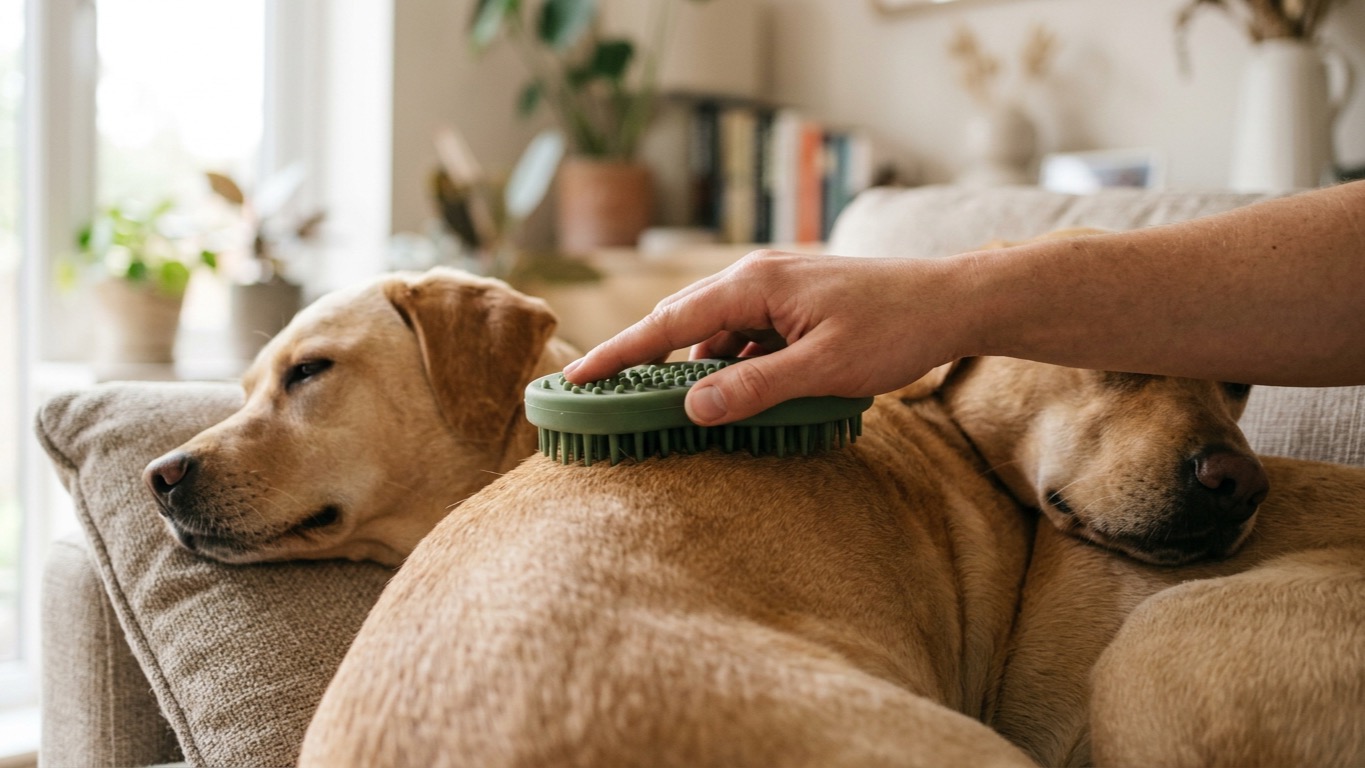
Rubber brushes for massaging and deshedding – Rubber‑coated brushes or grooming gloves have pliable nubs that massage the skin while pulling out loose hair. The rubber texture stimulates circulation, which can promote healthier skin and a shinier coat. They work well on short‑haired dogs that shed year‑round and are a favorite for owners who want a quick, low‑stress grooming session.
Choosing the appropriate brush type hinges on your dog’s coat length, density, and sensitivity. Pairing a slicker brush for shedding with a softer daily brush can give you the best of both worlds: deep de‑matting when needed and gentle upkeep on the off‑days.
Types of Dog Combs and Their Applications
Dog combs come in a handful of shapes, each engineered to tackle a specific grooming challenge. Understanding the differences helps you choose the right tool for your pet’s coat and avoid unnecessary breakage.
Wide‑toothed combs for detangling These combs feature spaced‑out teeth that glide through long, thick, or curly fur without pulling. They are especially useful for breeds with dense undercoats, where knots can quickly turn into painful mats. The generous gaps allow you to separate strands while preserving natural oils, which keeps the coat glossy. Wide‑toothed combs can be thought of as the comb version of a pin brush, and they excel at loosening knots in longer hair.
Fine‑toothed combs for detail work Fine‑toothed combs have closely spaced teeth that catch loose hair, debris, and even tiny parasites. They are ideal for finishing touches after a brush session, smoothing the topcoat, and checking for ticks or fleas. Dogs with medium‑length or slightly wavy coats often benefit from a combination of slicker brushes and fine‑toothed combs to maintain a sleek appearance. Use this comb on areas like the face, ears, and paws where precision matters most.
Stripping combs for wiry coats Breeds such as Schnauzers, Terriers, and Wirehaired Pointers sport a harsh, springy coat that requires a different approach. Stripping combs have long, stiff teeth that lift the dead topcoat without cutting the hair, preserving the breed’s characteristic texture. Stripping combs are widely regarded as the go‑to tool for maintaining wiry coats, preventing the coat from becoming soft or uneven.
Handle styles to consider Combs are typically offered in two handle configurations: a short, hand‑held grip with teeth at one end, or a full‑length handle where the teeth run the entire spine of the tool. The latter style tends to be favored by professional groomers for full‑body work because it provides better leverage and reach.
Choosing the appropriate comb—wide‑toothed for detangling, fine‑toothed for precision, or stripping for wiry coats—ensures efficient grooming, reduces shedding, and keeps your dog comfortable during every session.
Brushes vs Combs: Pros and Cons for Different Coat Types
Short‑coated dogs shed the most visible hair, so a brush that reaches the undercoat works best for daily de‑shedding. A bristle or rubber‑bristle brush pulls loose fur away from the skin, cutting down the amount of hair that ends up on furniture. There are four main categories of dog grooming brushes, each designed to tackle specific shedding challenges. For detail work—such as cleaning around the ears, paws, and face—a fine‑toothed comb can reach spots a brush might miss, giving you a cleaner finish without pulling on delicate skin.
Long‑haired breeds need both smoothing and detangling. A wide‑toothed comb is ideal for gently working through knots without breaking the hair shaft, while a slicker or pin brush glides over the top layer to distribute natural oils and add shine. A common recommendation is to pair a slicker brush with a wide‑toothed comb for long or curly fur to prevent mats and maintain a glossy coat. The comb’s teeth keep tangles from tightening, whereas the brush evens out the coat and reduces static.
Curly or wiry coats—think Poodles, Bichon Frises, or Schnauzers—present a different set of challenges. A comb with spaced teeth helps prevent mat formation by separating curls before they lock together. Meanwhile, a brush with softer bristles can define the curl pattern and remove loose hair without flattening the natural wave. Grooming combs with full‑length teeth tend to be favored by professional groomers for full‑body work on such textures, because they can glide through the curl while still catching stray hairs.
In practice, most owners find that using both tools in tandem yields the healthiest coat. A brush quickly removes surface debris and distributes oils, while a comb provides precision where the brush can’t reach. For dogs that shed heavily, regular brushing can noticeably cut down on loose hair, making the home cleaner and the dog more comfortable.
Bottom line:
- Short coats: Brush for shedding; comb for detailed cleaning.
- Long coats: Comb to detangle; brush to smooth and add shine.
- Curly coats: Comb to prevent mats; brush to define curls and lift loose hair.
Choosing the right combination based on your dog’s coat type maximizes grooming efficiency and keeps your pet’s fur looking its best.
Pros and Cons at a Glance: Top Brush and Comb Picks
When you compare the most versatile grooming tools, a slicker‑style brush, a pin‑bristle brush, and a wide‑tooth comb consistently rise to the top. The table below distills their biggest advantages and the trade‑offs you might notice during regular use.
| Rank | Model class | Key strength | Watch‑out |
|---|---|---|---|
| 1 | Slicker‑style brush | Excellent at removing loose fur and preventing mats on medium to long coats | Can feel scratchy on very sensitive skin if used on high speed |
| 2 | Pin‑bristle brush | Ideal for short, dense coats; distributes natural oils for a healthy shine | Less effective on thick undercoats or heavy shedding |
| 3 | Wide‑tooth comb | Great for detangling long or curly fur and catching fleas without pulling | Requires more time and patience; may miss fine surface hair |
Why these three tools matter The slicker brush shines for breeds that shed heavily because its tightly spaced bristles lift out loose hair that would otherwise end up on furniture. Brushes of this type also help reduce overall shedding when used a few minutes each day. The pin‑bristle brush, by contrast, works like a “massage” for short‑haired dogs, spreading the skin’s natural oils across the coat to boost gloss—a real benefit for short‑coat maintenance. Finally, the wide‑tooth comb is the go‑to for long or curly fur; dogs with those coat types typically need both a slicker brush and a wide‑tooth comb to keep mats at bay while preserving a glossy finish.
Practical considerations Combs come in two handle styles—single‑ended with teeth at one end, and full‑length “groomer’s combs” that run the length of the handle. The full‑length version (ranked third) offers better reach for full‑body grooming but can be bulkier to store. Meanwhile, slicker brushes (ranked first) may generate more noise at the highest setting, so owners of noise‑sensitive dogs should start at a lower speed. Pin‑bristle brushes (ranked second) are the quietest and simplest to clean, but they won’t tackle stubborn mats, so pairing them with a comb for occasional deep‑detangle sessions is wise.
By matching the tool to your pet’s coat type and grooming rhythm, you can keep shedding under control, prevent painful matting, and maintain a coat that looks and feels healthy.
Price Ranges and What to Expect
When you shop for a grooming brush or comb, the price you pay usually reflects the tool’s material quality, ergonomic design, and the range of coat‑type versatility it offers. Below is a practical breakdown of what you’ll typically find in three price tiers, plus a quick data point that helps you understand the basic design options available.
| Tier | Approx. USD range | What you get |
|---|---|---|
| Budget‑friendly | $5 – $15 | Simple plastic or basic rubber handles, standard bristle or tooth configurations, and enough durability for occasional grooming of short‑to‑medium coats. |
| Mid‑range | $15 – $35 | Higher‑grade silicone or stainless‑steel bristles, ergonomic grips, interchangeable heads or dual‑side designs that work on both short and longer coats, and often a built‑in de‑shedding edge. |
| Premium | $35 – $80+ | Professional‑grade metal or composite bristles, anti‑static or heat‑resistant materials, fully adjustable tension, and specialized teeth (e.g., stripping combs for wiry coats). Many include a travel case or a built‑in cleaning tool for salon‑level upkeep. |
Budget‑friendly options
If your dog’s coat is relatively short, a basic rubber‑bristle brush or a simple plastic comb will keep shedding under control without breaking the bank. These tools usually lack the finer steel pins needed for dense undercoats, but they’re lightweight and easy for beginners. Expect a lifespan of several months if you clean the bristles after each use.
Mid‑range tools for advanced grooming
For owners of medium‑length or mildly curly coats, a mid‑range brush that combines a slicker side with a wide‑toothed comb offers the best value. The added durability of silicone or stainless‑steel pins helps untangle light mats while remaining gentle on the skin. Combs generally come in two handle styles—either a single‑ended handle with teeth at the opposite end or a full‑length toothed spine—so a mid‑range set will often include both formats to cover the whole body. These tools typically last a year with regular cleaning.
Premium tools for professional‑level results
When you need salon‑grade performance—such as for double‑coated, wiry, or heavily matted fur—a premium brush or comb is worth the investment. Look for features like heat‑resistant bristles that glide through dense undercoat without pulling, or a detachable stripping comb for breeds that require texture maintenance. Wiry breeds like Schnauzers benefit from specialized stripping combs, which are almost always found only in higher‑priced kits. Expect these tools to hold up for several years and to deliver a glossy finish that mimics a professional groomer’s work.
Tool Role Matrix: Dog Grooming Brush vs Comb Which Is Better
| Task | Brush wins | Comb wins | Use both? |
|---|---|---|---|
| Daily shed | Yes | No | Brush then comb |
| Mat detect | No | Yes | Comb at skin |
| Finish show | Medium | Yes | Yes |
| Short coat | Curry | Fine comb | Optional comb |
Line brushing: lift section, brush from skin out, comb same section to confirm zero snags.
Dog Grooming Brush vs Comb Which Is Better — Spacing Desk
| Coat | Brush type | Comb teeth | Error mode |
|---|---|---|---|
| Double | Long-pin slicker | Medium | Surface-only brush |
| Silky | Pin brush | Fine | Comb tears |
| Wire | Slicker light | Wide | Brush burn |
Comb should run with light pressure—snag means stop brush, not force comb through.
Additional Guidance on Dog Grooming Brush Vs Comb Which Is Better
Our research desk compiled this section from manufacturer specifications, published welfare guidance, and recurring owner themes or veterinary endorsement. Adjust any routine to your individual pet's health history with professional guidance when symptoms appear.
Practical monitoring beats guesswork: note appetite, stool quality, energy level, and behavior changes whenever you adjust food, housing, or care tools. Reversible trials with one variable at a time make cause and effect clearer than changing multiple products simultaneously.
Frequently Asked Questions
For daily maintenance, dog grooming brush vs comb which is better?
Brush first for volume and oils; comb confirms no hidden mats—comb-only on long coats misses undercoat loft.
How often should I groom my dog based on coat type?
Coat length and density dictate the ideal grooming schedule. Short‑haired breeds stay comfortable with brushing three to four times a week, while double‑coated or long‑haired dogs usually need daily sessions to prevent loose undercoat from matting. Short coats that shed heavily generally benefit from more frequent brushing, and thicker double coats do best with a consistent routine of several sessions per week to keep the fur healthy and reduce shedding.
Which tool is best for removing mats versus everyday de‑shedding?
For routine de‑shedding, a slicker brush or a rubber glove brush works well on most breeds, as they lift loose hair without irritating the skin. When you encounter tangles or mats, a wide‑toothed comb or a specialized mat‑removal comb is ideal; these tools can gently separate knots without pulling. Dogs with wiry coats, such as Schnauzers, benefit from a stripping comb that preserves the coat’s texture.
What are the most common grooming mistakes owners make?
- Skipping regular brushing – Infrequent grooming lets loose hair accumulate, leading to painful mats and increased shedding.
- Using the wrong tool for the coat – A fine‑toothed comb on a thick, double coat can cause breakage, while a heavy slicker on a delicate, short coat may irritate the skin. Selecting a comb designed for general grooming versus a mat‑removal comb makes a big difference.
- Applying excessive pressure – Pressing too hard with a brush or comb can damage the skin and cause discomfort, discouraging the dog from future grooming sessions.
Which grooming tool should I use for specific tasks like flea control or finishing a shine?
General grooming combs with longer teeth are useful for longer, thicker coats and can also help dislodge fleas. For a polished look, a soft‑bristle brush or a rubber brush smooths the coat and distributes natural oils, giving a glossy finish without pulling. If you need to tackle heavy shedding, a deshedding rake paired with a slicker brush removes the most hair efficiently.
We review this guide at least twice a year to keep pace with new grooming tools, emerging coat‑care research, and shifting consumer preferences. Our editorial calendar aligns with major pet‑care trade shows (such as SuperZoo and Interzoo) where manufacturers often unveil upgraded brush bristle patterns, ergonomic handles, or dual‑action comb‑brush hybrids. When a brand releases a product that claims a significant reduction in shedding compared with standard slicker brushes, we research the claim and look for consistent owner feedback before adding it to the recommendation tables.
Our updates also incorporate fresh research on grooming tools. Combs come in two distinct designs—one with a single handle and teeth at the tip, and another where the teeth run the full length of the handle spine—information we use to clarify which comb style suits full‑body grooming versus targeted detangling. Brushes are commonly grouped into four main categories (slicker, pin, soft‑bristle, and rubber/glove), a classification that underpins our “Types of Dog Grooming Brushes” section and guides readers toward the right tool for their dog’s coat texture.
If a peer‑reviewed study or a veterinary association releases new guidance on coat health—such as recommendations on brushing frequency for double‑coat breeds—we revise the “Pros and Cons for Different Coat Types” matrix accordingly. Likewise, any changes to pricing trends (e.g., a surge in affordable silicone‑coated brushes after a major supplier shift) prompt an update to the “Price Ranges and What to Expect” tier list, ensuring readers see realistic budget, mid‑range, and premium options.
We also monitor user feedback submitted through our comment platform and the contact form. When multiple readers report that a particular comb causes breakage on fine‑haired dogs, we investigate the claim, review the available evidence, and adjust the “Pros and Cons at a Glance” table if warranted.
All revisions are logged here with the date of the change and a brief note on the impetus, so you can see how the article evolves over time.
Last reviewed: August 2026. If you spot something out‑of‑date, let us know.