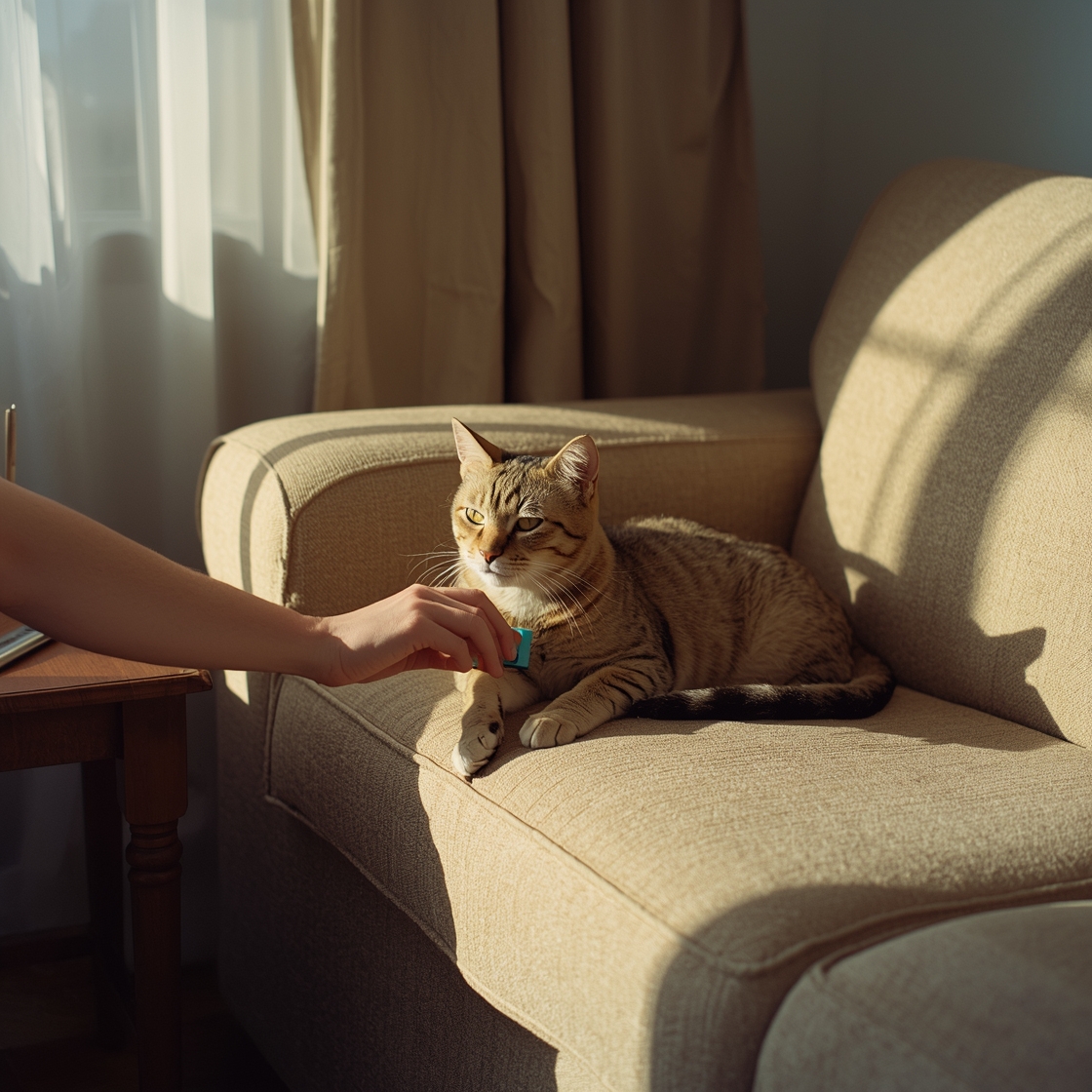
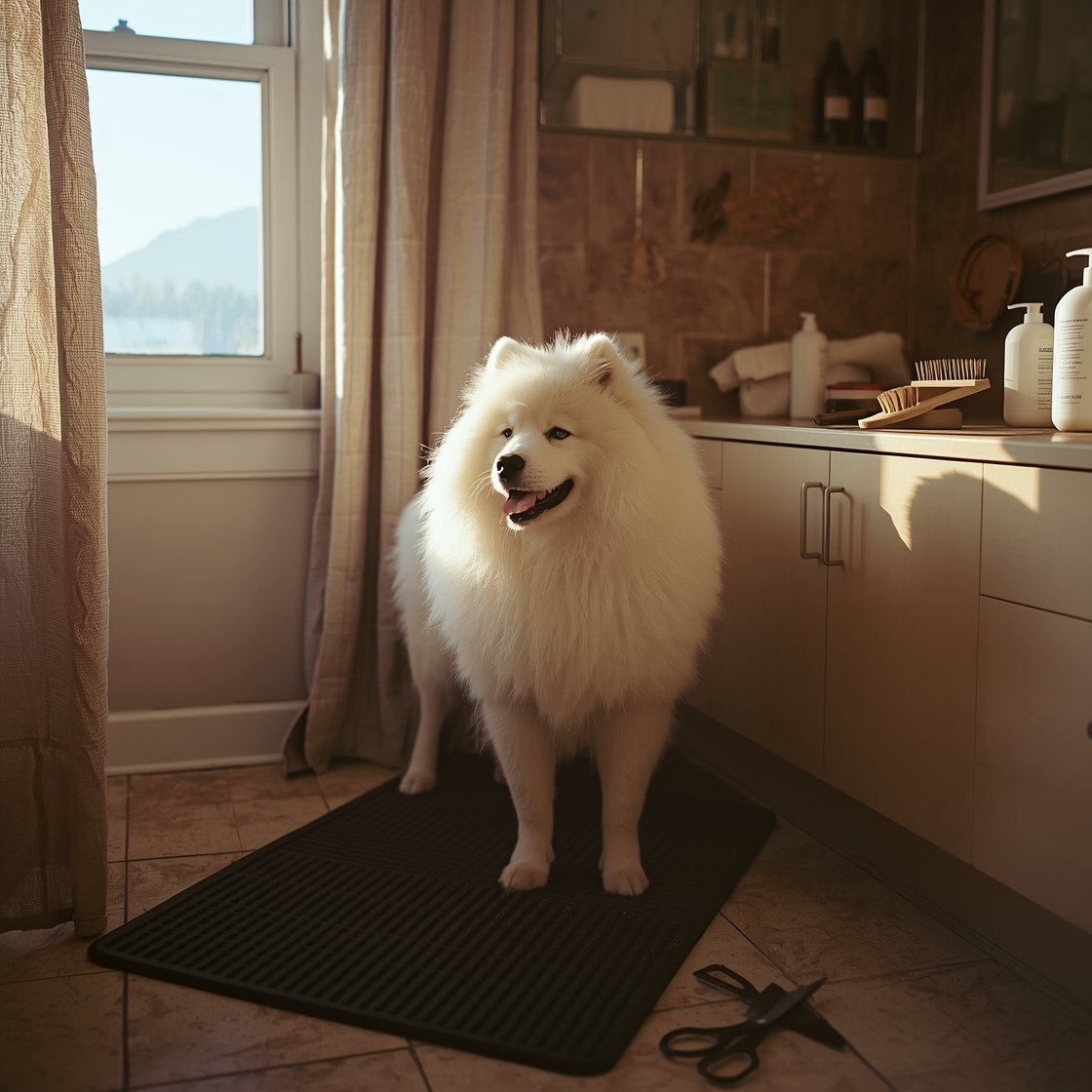
A raw patch, a mat from skin to tip, or a dog who will bite is a groomer or a clinic, not a longer YouTube session.
Our guides are reader-supported. This article may contain affiliate links. As an Amazon Associate we may earn a commission if you buy through links, at no extra cost to you.
Related: home-clip safety, how to trim nails, shedding / heavy coats, double-coat deshed, senior home groom, tool checklist, breed tool chooser.
What is the first step in how to groom a dog at home step by step?
A dry comb-through. If the comb stops, you have a mat or a snag. You do not have a bath yet. Demat or clip the mat dry (or book a groomer). Then brush. Then nails. Then water.
Browse basic dog grooming tools →
Quick sequence for how to groom a dog at home step by step
- Comb-check the whole dog. Mark mats with a finger. Do not soak them.
- Brush / rake in panels. Sister: heavy-coat brush.
- Nails on a dry, standing dog. Sister: nail how-to. Styptic in reach.
- Bath in lukewarm water with a dog shampoo. Eyes and ear canals are not a rinse target.
- Dry with towels, then low heat if the dog accepts a dryer — distance, not a blast on thin skin.
- Ears — wipe what you can see. No cotton swabs down the canal.
- Stop if the dog says so. A half-groomed calm dog beats a finished fight.
What current Amazon listings show (Home-Groom Step, August 2026)
| Job | What clears it | 2026 aisle fake | Fails if missing |
|---|---|---|---|
| Dry detangle | Comb + slicker / rake on a dry coat | Bath-first “to loosen mats” | Fail |
| Nails | Clip or grind on a dry, non-slip stand | Nails in the tub | Fail |
| Bath | Dog shampoo, full rinse, no human salon leftover | Daily shampoo as a default | Partial |
| Dry | Towel + optional low dryer | High heat on a thin coat | Fail if burn |
| Clip | Coat already brushed; blade that matches the coat | Clipper-through-mats | Fail |
| Clinic / salon | Mats at skin, bites, medical skin | “One more pass” | Fail |
Before you shop: (1) you can name brush → nail → bath → dry → ear in that order, (2) 0 cards on this URL means we will not rank SKUs, (3) a mat at the skin is a clip or a groomer, (4) human shampoo is a Fail, (5) blood, pus, or a scream is a clinic. Fail gate 5 and this checklist is how you stop.
Named-step arithmetic (desk sequence, not a stopwatch trial)
| Math | Result |
|---|---|
| Product cards on this URL | 0 |
| Core steps we will teach | 4 (brush, nail, bath, ear) + dry as the bath closer |
| Branch jobs | 2 (clippers, mats) |
| Sister shopping URLs named | 7+ (kits, nails, shedding, tables, safety, seniors, checklist) |
| Old “15–20 min small dog / 45–60 min large” | Owner-theme ranges, not our timed sample |
| Desk panel sketch (not a trial) | Brush 15 + nails 8 + bath 10 + dry 15 = 48 min mid-size double coat if the dog cooperates |
The 48-minute sketch is household arithmetic for a cooperative mid-size dog with no mats. A matted doodle is not a 48-minute dog.
Why how to groom a dog at home step by step starts dry
Nails before water: a dry pad is a pad you can see. A wet tub is a slip. A slipping dog jerks. A jerk plus a guillotine clipper is a quick.
Ears last: water in the canal is an infection story. Clean when the dog is already tired and dry, not as a pre-bath surprise.
Tools this how to groom a dog at home step by step page will name (no cards)
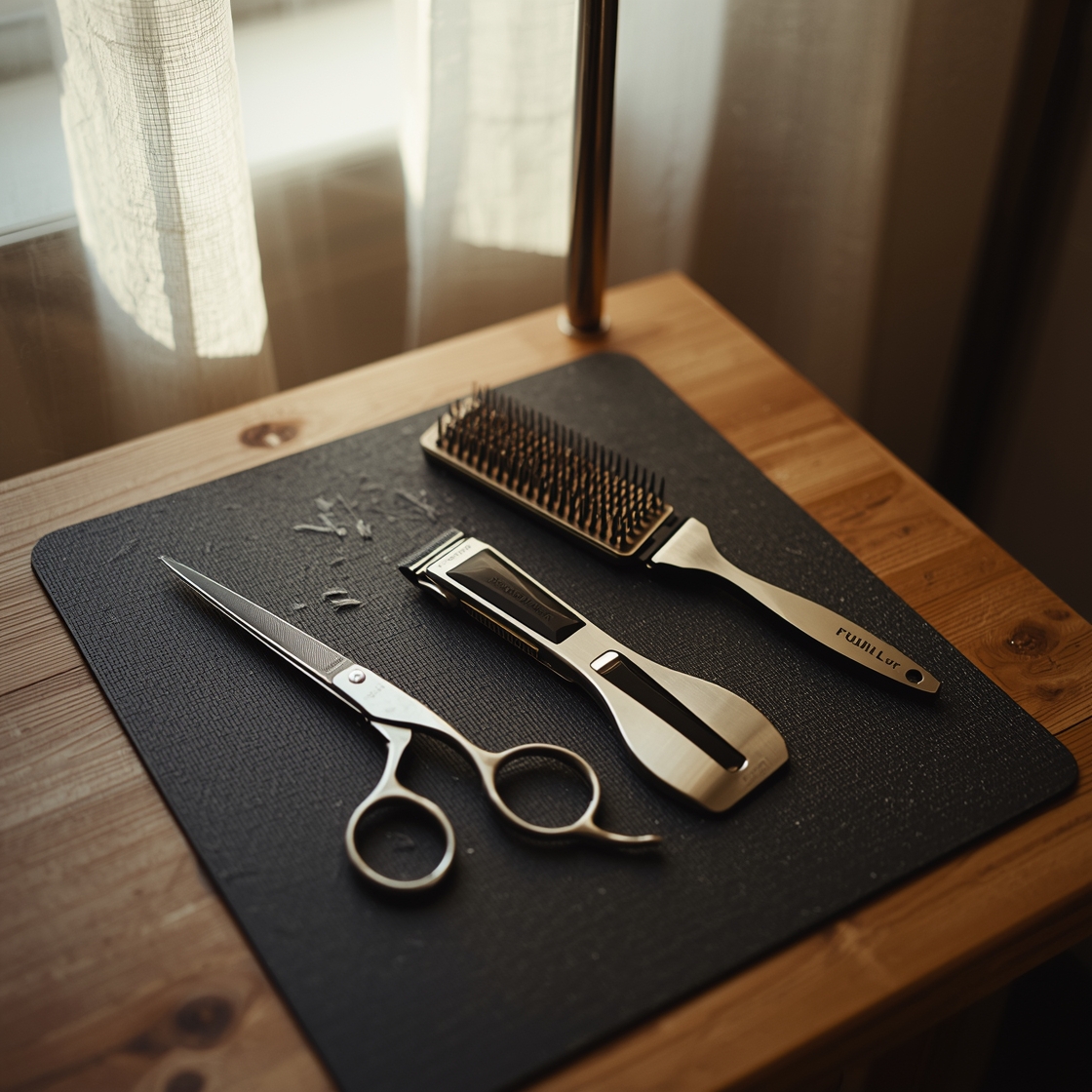
There are zero product tiles on this URL. Buy on sister pages or a generic search. Do not expect a podium.
| Job | Tool class | Sister / search |
|---|---|---|
| Comb-check | Metal comb that reaches skin | brush vs comb |
| Double coat | Undercoat rake + slicker | shedding tools |
| Short coat | Rubber curry or bristle + comb | grooming brushes |
| Nails | Scissor or guillotine clipper, or grinder; styptic | nail how-to |
| Bath | Dog shampoo, non-slip mat, towels | waterless if a full bath is a no |
| Table (optional) | Load-rated deck | table buying guide |
| Clippers (branch) | Motor that matches the coat; guards | clippers + safety |
A slicker on a Poodle lock without a comb is how you miss a mat. A shedding blade on a lock is the wrong aisle.
Step 1 — Brushing and deshedding
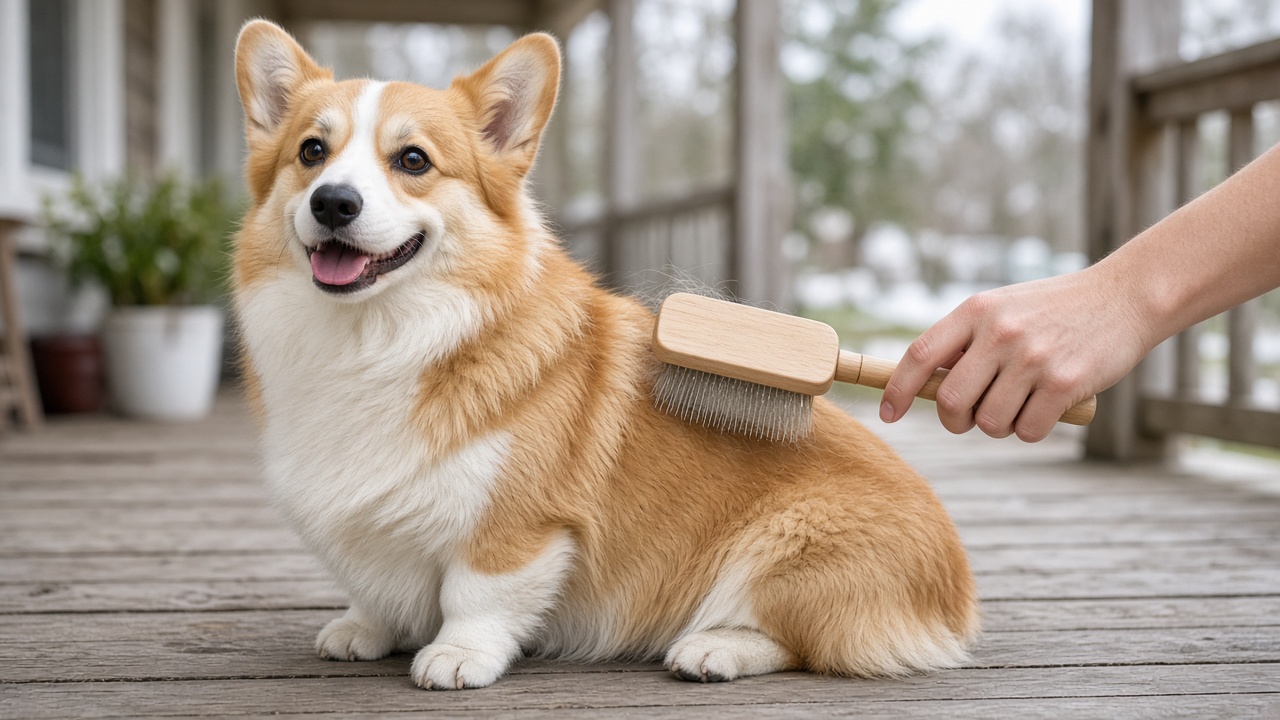
Pick the tool for the coat, not the Instagram kit. Double coats (Husky, Malamute, Shepherd, many retrievers): rake the undercoat in panels, then slicker, then comb. Long single coats: pin or slicker plus comb, every tangle before it becomes a mat. Short dense coats: rubber curry or bristle, then a comb at the tail and pants.
Work neck to tail, then legs, then pants, then belly if the dog accepts a roll. Lift a section. Brush from skin out. Two passes per panel is the desk minimum language — not a timed protocol. Stop if the skin pinks.
Seasonal blow: more days, shorter sessions. Sister: double-coat deshed.
Step 2 — Nail trimming and grinding (still dry)
See the nail page for the full quick-and-styptic story. This URL’s job is when in the sequence: before the bath.
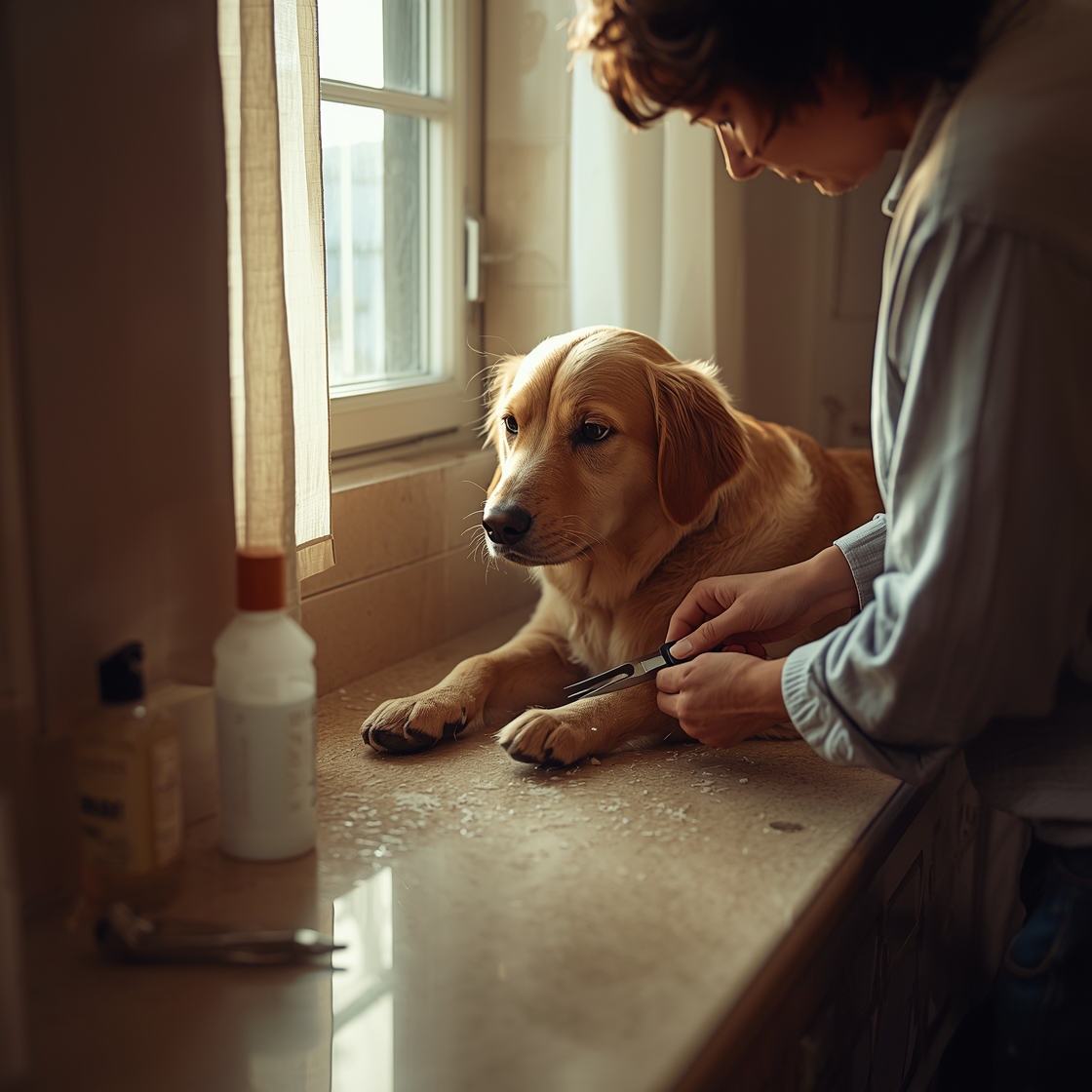
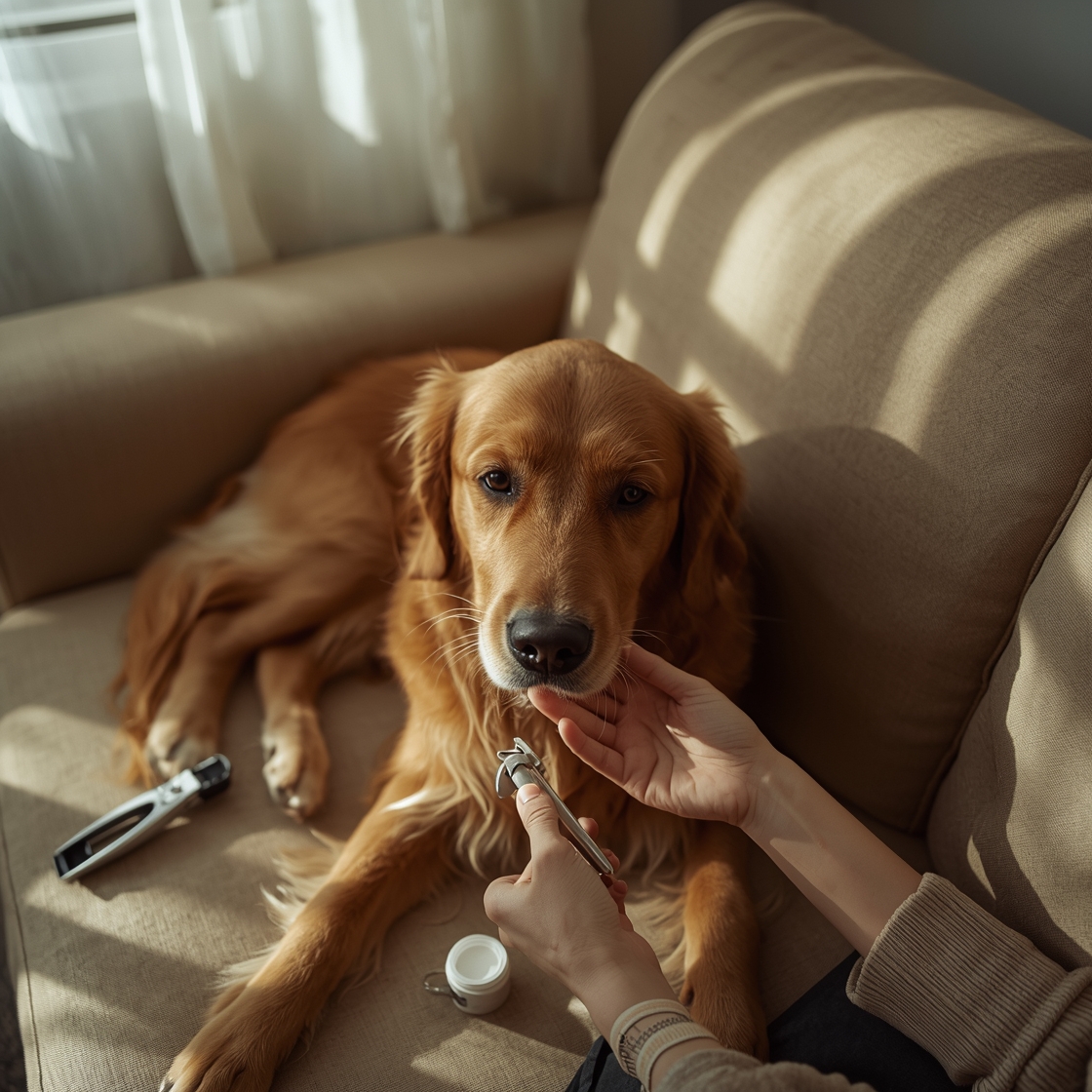
Press the pad. On white nails the quick is the pink. On black nails you guess in millimeters, not centimeters. One tip. If you hit the quick: styptic, pressure, break. Do not “finish the set” on a screaming dog.
Grinders are slower and smell like horn. They are not safer if you hold the wheel on the quick. Short bursts. Eye protection for you is not drama.
Weekly tiny trims beat a quarterly massacre.
Step 3 — Bathing and shampooing
Cotton in the ears is optional and easy to forget inside. Many groomers skip it and just avoid the canal. Do not power-rinse the head.
Dog shampoo. Human shampoo pH is a skin story. Rinse until the coat does not feel slippery. Residue is itch.
Frequency: many short and double coats live on a bath every 4–8 weeks plus more if they rolled in something. Daily shampoo is how you strip oil. Skin disease frequency is a clinic schedule.
Towel. Then dryer on low, 12+ inches off thin coats, if the dog will stand it. Skin burns are a real home-groom leftover. If the dog panics at the dryer, towels and time.
Waterless shampoo and wipes are a sister job when a full bath is a medical or behavioral no: waterless, wipes.
Step 4 — Ear cleaning and inspection
Lift the flap. Look. Smell. Wipe the visible skin with a veterinarian-recommended cleaner on cotton — not a swab down the dark. If it is red, swollen, or stinks, stop and call the clinic. That is not a “finish the groom” moment.
Let the dog shake. That is the point of a wipe, not a flood.
How to groom a dog at home step by step with clippers
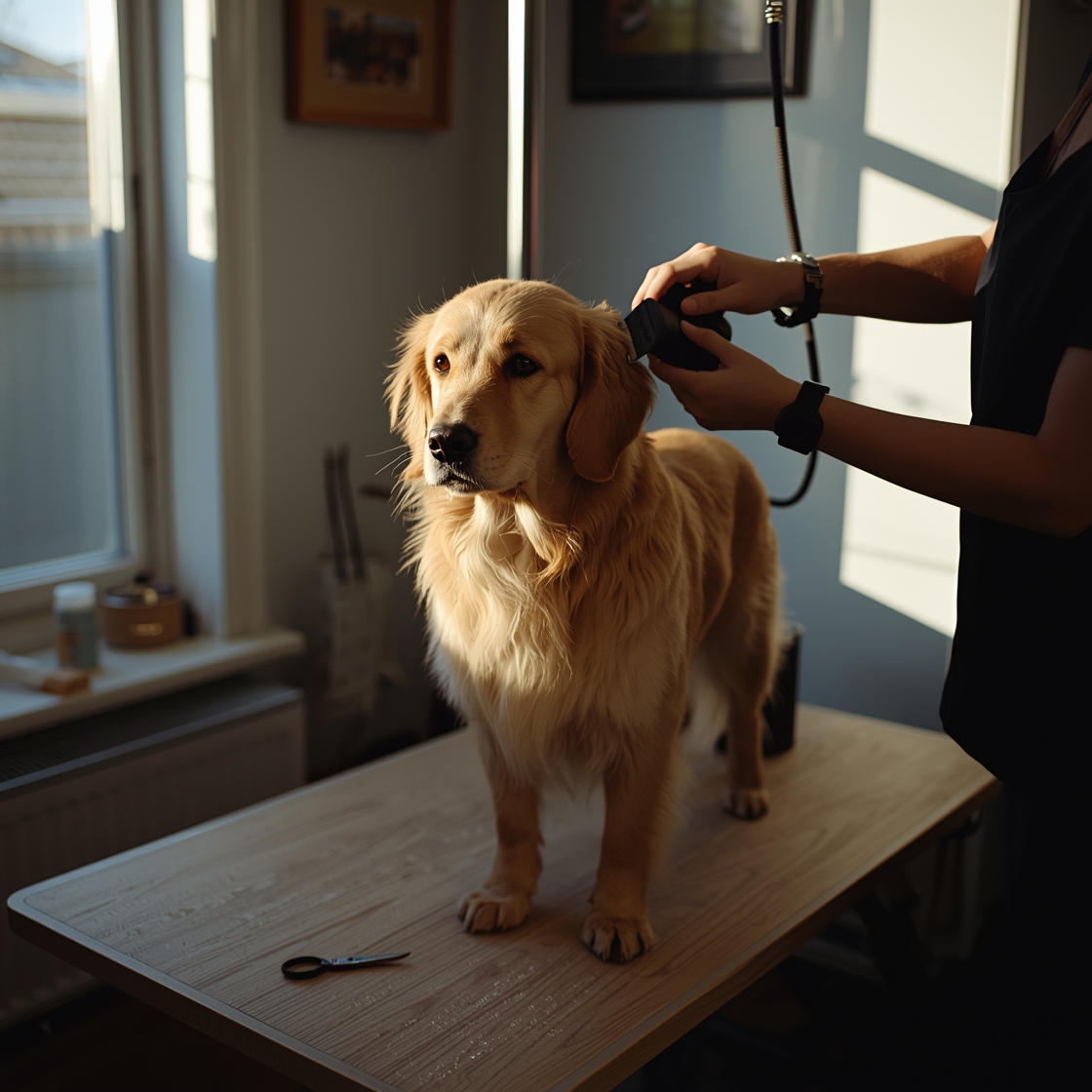
Clippers are a branch, not step 2.5. Brush first. Mats eat blades and skin.
Order: body with the lay of the coat, overlapping strokes, guard on until you know the length. Legs last. Face and ears are scissors or a smaller blade — and a stop rule. Sanitary trims are easy to cut. If you have not seen the anatomy, skip or book a groomer.
Never clipper a mat. Lift and cut beside a mat with blunt-ended shears only if you can see skin, or stop and call a groomer. Sister: safety.
A walk before a clip session is training, not a VO2 protocol. A non-slip table or floor is the fall rule. Sister: tables.
Grooming a dog with matted hair
A mat is hair that will not separate with a comb. It can hide wet skin and sores.
- Feel. If it is rope and raised, it is a mat.
- Conditioning spray or water on that patch can add slip for a small surface tangle. A skin-tight mat does not become a brush-out because you soaked it — it becomes tighter.
- Finger-tease from the tip. Dematting comb. Slicker on the loose hair around it.
- If you cannot see skin, you are in clip-or-groomer territory. Cutting into a mat toward the skin is how people cut dogs.
Prevention is the boring win: regular brush days, extra attention behind ears, armpits, pants, and harness rub. Diet-and-omega stories are owner-theme; we will not print a shine protocol
How often should you groom a dog at home?
| Coat class | Brush / comb | Full bath | Nails |
|---|---|---|---|
| Short (Beagle, Boxer class) | Weekly | 6–12 weeks unless dirty | 3–4 weeks |
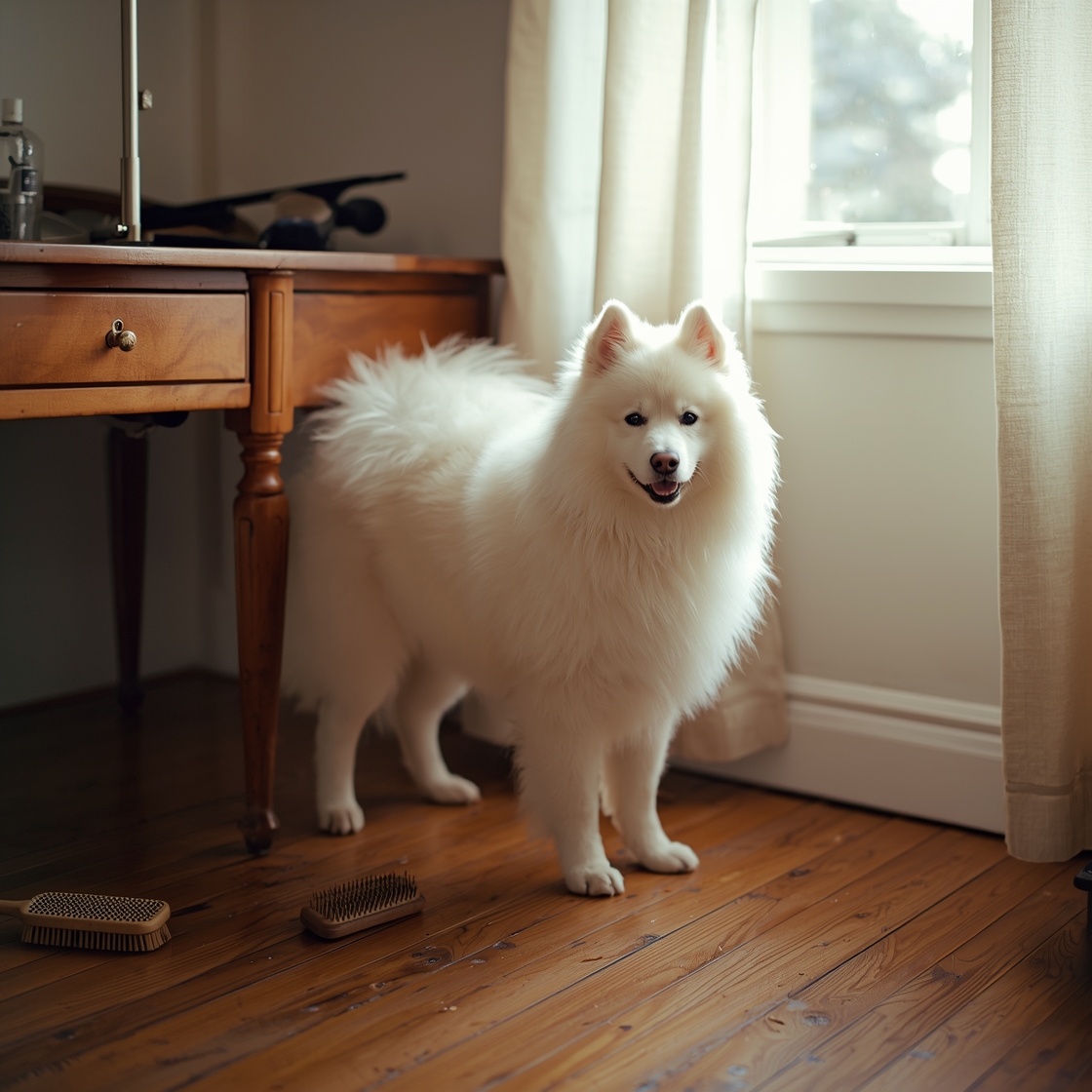
| Double (Husky, Golden, Shepherd class) | 2–3× / week; daily in a blow | 4–8 weeks | 3–4 weeks |
| Long / drop (Shih Tzu, Lhasa class) | Daily or every other day | 4–8 weeks | 2–3 weeks |
| Senior / thin skin | Shorter, gentler, more often checks | Waterless more often | As the clinic/gait says |
Outdoor mud and pollen add brush days, not a mandatory weekly shampoo. Skin disease adds a clinic bath interval. Winter dry air can mean fewer baths and more leave-in moisture the veterinarian is fine with. Spring blow means more rake days. Sister: senior home.
Common mistakes this how to groom a dog at home step by step page will name
Wrong tool. Human brush. Human shampoo. A shedding blade on a lock. A slicker mashed into a mat.
Wrong order. Bath first. Nails in the tub. Ears flooded before you have seen the canal.
Wrong duration. One Sunday marathon on a dog who has never stood for a brush. Ten calm minutes, three days a week, is the training plan.
Wrong ignore. Lumps, fleas, hot spots, gunky ears, nails clicking like castanets. Grooming is a look. Looking is not diagnosing. Diagnosing is a clinic.
Over-groom. Daily shampoo. Daily aggressive rake on thin skin.
Under-groom. A doodle with a 14-week mat.
Step-sequence desk
| Step | Action | Tool class | Desk sketch (cooperative mid-size) |
|---|---|---|---|
| 0 | Comb-check | Metal comb | 3 min |
| 1 | Line brush / rake | Slicker + rake | 15 min |
| 2 | Nails | Clipper or grinder + styptic | 8 min |
| 3 | Bath | Dog shampoo + mat | 10 min |
| 4 | Dry + finish | Towel + optional low dryer | 15 min |
| 5 | Ears | Wipe | 2 min |
Mats add an unknown. Clip-offs add an unknown. A fight ends the clock.
Coat-frequency desk
| Coat | Full home groom | Brush-only days | Nail |
|---|---|---|---|
| Short | Monthly-ish | Weekly | 3–4 weeks |
| Double | 6–8 weeks bath; rake in season | 2× / week | 3–4 weeks |
| Long | 4–6 weeks | 3× / week or daily | 2–3 weeks |
Dryer on low, distance. Burns happen when owners pin the nozzle to a flank.
- “Measurable drop” in household hair
- Salon-fee annual savings
- 2,000 RPM as a desk spec.
- 38 °C as a measured Samoyed bath.
Safety protocol this desk will actually write
- Non-slip floor or a latched table. Sister: tables.
- One hand on the dog if you turn for a blade.
- Noose only if you stay in arm’s reach. Never leave a noosed dog.
- Styptic before you start nails.
- Clippers unplugged if you walk away.
- Stop for blood, panic, heat, or a snap.
Sister: safety.
When not to finish how to groom a dog at home step by step
- Mats at the skin on a large area. Groomer or a careful clip, not a Sunday hero story.
- The dog has a diagnosed spine, heart, or seizure issue and the veterinarian said no lifting / no stress. Ask before you hoist onto a table.
- Skin is already raw. Clinic.
- You wanted a petting glove to replace a rake on a blowing Husky. Wrong tool. Sister: shedding.
Room setup checklist
- Non-slip mat in the tub.
- Towels you will ruin.
- Outlet that does not drape a cord across a wet dog.
- Treats as training, not as data.
- A second person for the first clipper day.
- Trash for fur. A drain catcher if you like your plumbing.
A how to groom a dog at home step by step page that skips the room will sell you a 46-inch table you cannot open.
Cost desk (household arithmetic, 0 cards)
A basic brush + comb + nail tool + dog shampoo is a kit-class spend on . One avoided mobile-groomer visit can clear a starter kit. It does not clear a matted doodle that needs a shave.
Other pets
Cats and rabbits are different species pages. A dog shedding rake on a cat is often too much tooth. Sister: cat home groom, rabbit step-by-step.
What this how to groom a dog at home step by step page will not claim
We will not say home grooming replaces a veterinary exam. We will not say a 15-minute Beagle equals a 15-minute Samoyed. We will not say clippers at 2,000 RPM are a safety floor we measured. We will not invent product cards.
How long does how to groom a dog at home step by step take?
A cooperative short-haired small dog can be a 20-minute brush-nail-wipe. A cooperative mid-size double coat is the ~48-minute sketch if there are no mats. A first-time large doodle with mats is a salon day. Beginners should budget a stop rule, not a finish-line.
Can I groom a dog with sensitive skin?
Yes with a gentle shampoo the clinic is fine with, a soft tool, and fewer passes. Patch-test a new wash. Redness is a stop. Sister: sensitive-skin brush, itchy shampoo.
What basic tools do I need?
Comb, coat-matched brush or rake, nail tool, styptic, dog shampoo, towels, non-slip mat. Optional: table, dryer, clippers, ear wipe. Assemble before the dog is in the room.
How often should I groom my dog at home?
See the coat table. Short: weekly brush, monthly-ish bath. Double: rake days in a blow. Long: almost daily comb. Nails on a click-or-3-week habit.
What are common mistakes when I follow how to groom a dog at home step by step?
Bath-first mats. Nails in the tub. Human shampoo. Clipper-through-tangles. Rushing. Ignoring ears that stink. Holding a dryer on the skin.
Do I need a grooming table?
Not for an 8 lb dog on a towel. Yes if your back and a 70 lb dog are the weekly plan. Sister: table buying guide.
Should I clip a double coat?
Usually no for a typical Husky / Golden insulation coat. Shaving a double coat is a groomer-and-climate conversation, not a summer hack this desk will sell. Deshed instead. Sister: double-coat tools.
Puppy first sessions
Three minutes. Treats. One paw. Stop. You are training a lifetime, not finishing a coat. A 12-week marathon is how you invent a table fighter.
Senior modifications
Shorter sessions. Watch joints when you ask for a stand. Waterless more often. Sister: senior home. Sudden lameness is a clinic, not a new slicker.
After the groom
Check the dryer vent and the drain. Wipe the table. Look at the dog in good light for nicks you missed. Water available. A calm chew is training, not a protocol.
Extra questions owners actually ask
Can I use human clippers?
Human clippers overheat and sulk on a dog coat. Buy a pet motor if you will clip bodies. Face trimmers are a different object.
Is there a product card on this how to groom a dog at home step by step URL?
Zero. Shop sisters. We will not paste seven tiles to chase an affiliate score.
What if I only have 10 minutes?
Comb-check + one body panel + one paw. That is a legal session. the listing review allows a stop.
Face, paws, and sanitary — the three places beginners cut
Eyes, pads, and the groin are where home clippers earn clinic visits. If you cannot see skin, you do not cut. Face: scissors with rounded tips, or skip. Paws: hair between pads if it balls mud — small snips, pad spread, no diving. Sanitary: a groomer exists for a reason. A nick on a thin-skinned groin is not a “learning moment.”
Harness rub and the weekly two-minute check
Armpits, chest, and behind the ears felt first on a walking dog. A two-minute comb after a walk is how you catch a mat the size of a pea instead of a mat the size of a palm. That two minutes is part of how to groom a dog at home step by step even when you are not “doing a groom.”
Water temperature and the panic dog
If the dog has never stood in a tub, start with a sink or a handheld sprayer on the feet only. Full-body day can wait a week. Lukewarm still applies. A scald is a clinic. A cold blast is a fight. Do not add a second person whose job is to pin the dog into the water — that is how bites happen. Train, or book a bath.
Styptic, clotting, and when to stop the nail job
If you hit a quick: powder or a bar, pressure, 60 seconds of nothing else. If blood soaks a towel and will not slow, you are not in a groom — you are in a clinic. Do not try the other seven nails “to finish.” the listing review allows a stop.
Coat-by-coat walkthrough without a product podium
Beagle / Boxer class. Rubber curry, comb the pants, nails, rare bath. You will finish early. Do not invent extra clipper work.
Golden / Shepherd class. Rake in a blow, slicker, comb, nails, bath if muddy. Undercoat is the job. Sister: shedding.
Poodle / doodle class. Comb is the honesty tool. Mats are a clip or a groomer. A shedding blade is the wrong aisle. Sister: Poodle slicker.
Senior thin-skin class. Softer tool, shorter panels, waterless more often. Sister: senior home.
It sounded kind. It was a short-coat cooperative dog. Printing it as the default is how people rush a Samoyed and call the dog “bad.” The 48-minute mid-size sketch is already a sketch. Add mats and you leave the checklist.
Dryer, clipper heat, and the smell of burned coat
A hot blade or a pinned dryer smells like scorched hair. Stop. Cool the tool. Check the skin. A stripe of singed coat is a home-groom leftover we will not romanticize. Oil clippers per the maker card on a sister URL.
Household hair vs the dog’s health
A clean sofa is not the success metric. Skin, nails that do not click, and a comb that travels are the success metric. A blown coat will still fill a bin. That is the breed, not a failed how to groom a dog at home step by step session.
Sources
- Public groomer home-sequence language: brush/demat dry, nails before water, rinse clean, ears without deep instruments.
- AVMA / public owner pages on nail length, ear infection signs, and when a skin change is a clinic — not a product test.
- Related comparisons on this site: safety, nails, shedding, tables, checklist.
- This URL’s card file: 0 tiles.