
The best dog treat pouch for training is the pouch you can open, pinch a treat, and close one-handed while the other hand holds a leash — a silent two-pack magnet at the floor (RoyalCare $13.99), a reflective drawstring walk bag for dawn loops (Kurgo $14.99), a silicone magnet with a bundled clicker for wet food (heouvo $16.99), a spring-hinge fabric when the session is fast (PetSafe Sport $17.99), or a four-zone organizer when you also carry bags and keys (Paw Lifestyles $18.95) — not a zipper backpack and not a jeans pocket. We read current Amazon listing titles and descriptions and scored 5 named SKUs. Listed snapshots ran $13.99–$18.95 (median $16.99, a 1.35× spread). 2 of 5 (40%) are silicone magnetic. 2 of 5 (40%) are fabric organizers. 1 of 5 (20%) is drawstring. 5 of 5 (100%) sit under $20. 0 of 5 replace a training plan. 0 of 5 are a diagnosis for a dog that will not take food. 0 of 5 is a stopwatch trial we ran.
Desk pick: Fast sits and recalls → PetSafe $17.99. Wet / greasy treats → heouvo $16.99 (clicker in the box) or RoyalCare $13.99 if you want two silent cups. Dawn walk → Kurgo $14.99. Carry the house → Paw $18.95 on a waist belt, not a swinging shoulder strap.
The job is reward latency. Buy the class that matches treat mess, session length, and whether you also carry a clicker and bags.
Our guides are reader-supported. This article may contain affiliate links. As an Amazon Associate we may earn a commission if you buy through links, at no extra cost to you.
Walking hardware lives on best dog walking leash for pullers. Loose-leash sequence: how to stop a dog from pulling on leash. Housebreak targets: dog training mat. .
Quick picks at a glance
- Best listed agility / fast access: PetSafe Treat Pouch Sport — $17.99. Spring hinge that stays open, then snaps. Dual treat wells in brand copy.
- Best listed all-in organizer: Paw Lifestyles — $18.95. Highest sticker. Four zones + bag dispenser + 48 in belt language.
- Best listed dawn/dusk walk: Kurgo Go Stuff It — $14.99. Drawstring + reflective copy. Machine-wash fabric.
- Best listed wet-treat / clicker kit: heouvo silicone — $16.99. 1.67-cup listing language + bundled clicker + magnet.
- Best listed silent two-pack: RoyalCare silicone 2-pack — $13.99. Lowest sticker. Two small magnets. Clip, not a full belt system.
What current Amazon listings show (Reward-Access, August 2026)
| Job | What actually works | Category | Fail if you skip it |
|---|---|---|---|
| Fast obedience / agility | One-hand hinge or magnet, waist height | PetSafe $17.99 | Zipper backpack |
| Wet / greasy / freeze-dried oil | Wipe-clean silicone | heouvo $16.99 or RoyalCare $13.99 | Unlined fabric that never gets washed |
| Long outing + phone + bags | Multi-zone organizer | Paw Lifestyles $18.95 | Stuffing a phone in the kibble well |
| Low-light neighborhood walk | Reflective + simple clip | Kurgo $14.99 | Drawstring as the only agility pouch |
Before you shop: (1) you can open the pouch with the leash hand still on the dog, (2) treats are pea-sized so you are not fishing, (3) the wear point is belt or clip, not a swinging tote, (4) you will wash grease before it becomes a permanent smell. Fail gate 1 and this checklist is how you shop past a missed sit.
What the best dog treat pouch for training can and cannot do
A good pouch shortens the time from mark to food. That is the whole product. It does not teach the sit. It does not fix a dog that is too stressed to eat. It does not replace a clicker if you use one — though heouvo bundles one.
AVSAB’s public position favors reward-based methods. This desk is not restating a class syllabus. We are saying: if the food is in a jeans pocket under a zipper, you are late.
We only recommend matching pouch class to treat type and session.
Disclosure: this article contains affiliate links. If you buy through them we may earn a commission at no extra cost to you.
How the desk scored the best dog treat pouch for training
this comparison uses four visible signals plus the listed sticker:
- Closure class. Spring hinge vs magnetic vs drawstring vs zip.
- Wear class. Belt / clip / carabiner / shoulder strap.
- Capacity / zone honesty. Cups, dual wells, four pockets — cited as listing text.
- Clean story. Fabric wipe vs machine wash vs dishwasher-safe silicone.
Price is not a quality grade. A $13.99 two-pack used as a silent heel-work pouch is honest. The same two-pack used as the only bag on a three-hour hike is a refill problem.
How these products compare on labels and price
| Tool (this URL) | Listed price | Closure | Wear | Capacity / extra | Training note |
|---|---|---|---|---|---|
| RoyalCare 2-pack | $13.99 | Magnetic snap | Belt / leash clip | Two small silicone cups | Silent; low volume |
| Kurgo Go Stuff It | $14.99 | Drawstring | Clip / carabiner | One well + zip side | Reflective; spill if you bend |
| heouvo + clicker | $16.99 | Magnet | Waist belt | 1.67 cup listing | Wet treats + clicker kit |
| PetSafe Sport | $17.99 | Spring hinge | Clip or waist belt | Dual inner wells | Fastest listed access class |
| Paw Lifestyles | $18.95 | Magnetic hinge | Belt / strap / clip | Four zones + bag roll | Highest sticker; heaviest loaded |
Desk kit math: RoyalCare $13.99 + a $6 clicker ≈ $20 — about PetSafe $17.99 without the hinge body. heouvo $16.99 already includes a clicker. Paw Lifestyles $18.95 is the “carry the house” increment. Kurgo $14.99 is the walk bag, not the agility hinge.
The 5 cards on this URL
1. PetSafe Treat Pouch Sport
Best for: the best dog treat pouch for training when the session is fast — sits, downs, recalls — and you need the mouth of the bag to stay open.
Listed $17.99. Brand copy: flexible hinged spring opening, self-closing, two inner treat compartments, accessory pocket, water- and stain-resistant fabric, belt clip or waist belt.
Honest drawback: bulk on a small-waisted handler. Fabric interiors hold odor if you skip the wipe. Spring hinges collect crumbs in the mechanism.
Check PetSafe Sport listings →
2. Paw Lifestyles Dog Treat Training Pouch
Best for: the organizer when the outing is a walk-plus-session and you refuse a second bag.
Listed $18.95. Highest sticker. Listing language: four zones (main, zip, mesh, front slot), magnetic-hinge opening, built-in poop-bag dispenser, 48-inch adjustable waist belt, removable shoulder strap, metal belt clip, about 5.6 oz empty.
Honest drawback: loaded weight. Shoulder-strap swing. More seams = more failure points. A phone in the treat well is how you get a greasy screen and a late reward.
Check Paw Lifestyles listings →
3. Kurgo Go Stuff It Dog Treat Bag
Best for: a compact walk bag with reflective copy when dawn/dusk visibility matters more than a spring hinge.
Listed $14.99. Brand copy: ~4.5-inch drawstring opening, reflective lettering, waist clip or carabiner, zippered side pocket, ripstop-style fabric, machine washable.
Honest drawback: drawstrings spill when you bow. One main well. This is a neighborhood tool, not an agility hinge.
Check Kurgo Go Stuff It listings →
4. heouvo Silicone Dog Treat Pouch with Training Clicker
Best for: wet, greasy, or crumbly treats plus a clicker in one checkout.
Listed $16.99. Listing language: 1.67-cup food-grade silicone, upgraded magnetic closure, bundled clicker, adjustable waist belt.
Honest drawback: 1.67 cups is a session, not a hike. Magnets pick up grit and keys. Silicone can slap your hip when empty.
5. RoyalCare Silicone Dog Treat Pouch (2-Pack)
Best for: two silent magnets — high-value vs low-value, or one spare in the car.
Honest drawback: plastic clips crack in owner threads. Tiny volume. Leash-clip bounce on a jog. Not a four-zone organizer.
Closure / wear / capacity
| Signal | Why it matters | Winner class on this URL | Loser class |
|---|---|---|---|
| Open time | Late food = late learning | Spring hinge (PetSafe) / magnet (heouvo, RoyalCare, Paw) | Zipper main well |
| Spill when you bow | Drawstring vs magnet | Magnet / hinge | Kurgo if you pick up poop mid-drill |
| Sound | Noise-sensitive dogs | RoyalCare silent snap | Velcro rips (not on these five) |
| Zones | Clicker / bags / phone | Paw $18.95 | Single-well Kurgo / RoyalCare |
| Grease | Liver, sardine, peanut | Silicone | Unwashed PetSafe fabric |
| Light | Dawn walks | Kurgo reflective | Black silicone at 5:30 a.m. |
From the listings: more pockets are not more training. They are more places to lose the clicker. Dual treat wells (PetSafe) are the useful split — high-value vs kibble — not a phone sleeve.
Treat math: how many rewards fit (desk arithmetic, not a lab)
Assume a pea-sized soft treat (~0.5–1 g). Not a survey.
| Pouch | Listed volume cue | Desk session sketch | Honest catch |
|---|---|---|---|
| RoyalCare (each) | Compact / ~10 oz class copy | 40–80 tiny treats | Refill on a long class |
| heouvo | 1.67 cups | A full 15–20 min high-rate session | Grease session still needs a wipe |
| PetSafe dual wells | Two compartments | Split value; similar total to a mid fabric | Crumbs in the hinge |
| Paw Lifestyles | Large main + extras | Walk + session if you do not overfill | Weight on the hip |
| Kurgo | One drawstring well | Neighborhood loop | Spill + no value split |
Overfill is how magnets fail to seal and how drawstrings vomit kibble. Leave headroom.
High-rate training (puppy attention, loose-leash) burns treats. Low-rate (a few cues on a walk) does not. Match the pouch to the rate, not the dog’s weight.
Wear geometry: belt clip vs strap for the best dog treat pouch for training
Belt / waist clip keeps the pouch at the hand. That is The usual pick. PetSafe, heouvo, Paw, Kurgo, and RoyalCare all offer a clip or belt story.
Shoulder strap (Paw) swings. A swinging pouch is a moving target. Fine for a hike. Bad for a precision sit at your left knee.
Leash clip (RoyalCare) puts food on the line. Some dogs mug the pouch. Some handlers like it for a second value. Do not clip a heavy silicone cup to a thin puppy leash and call it “hands-free.”
Carabiner (Kurgo) is a park-belt move. Check the gate. A sprung carabiner is how the bag hits the gravel.
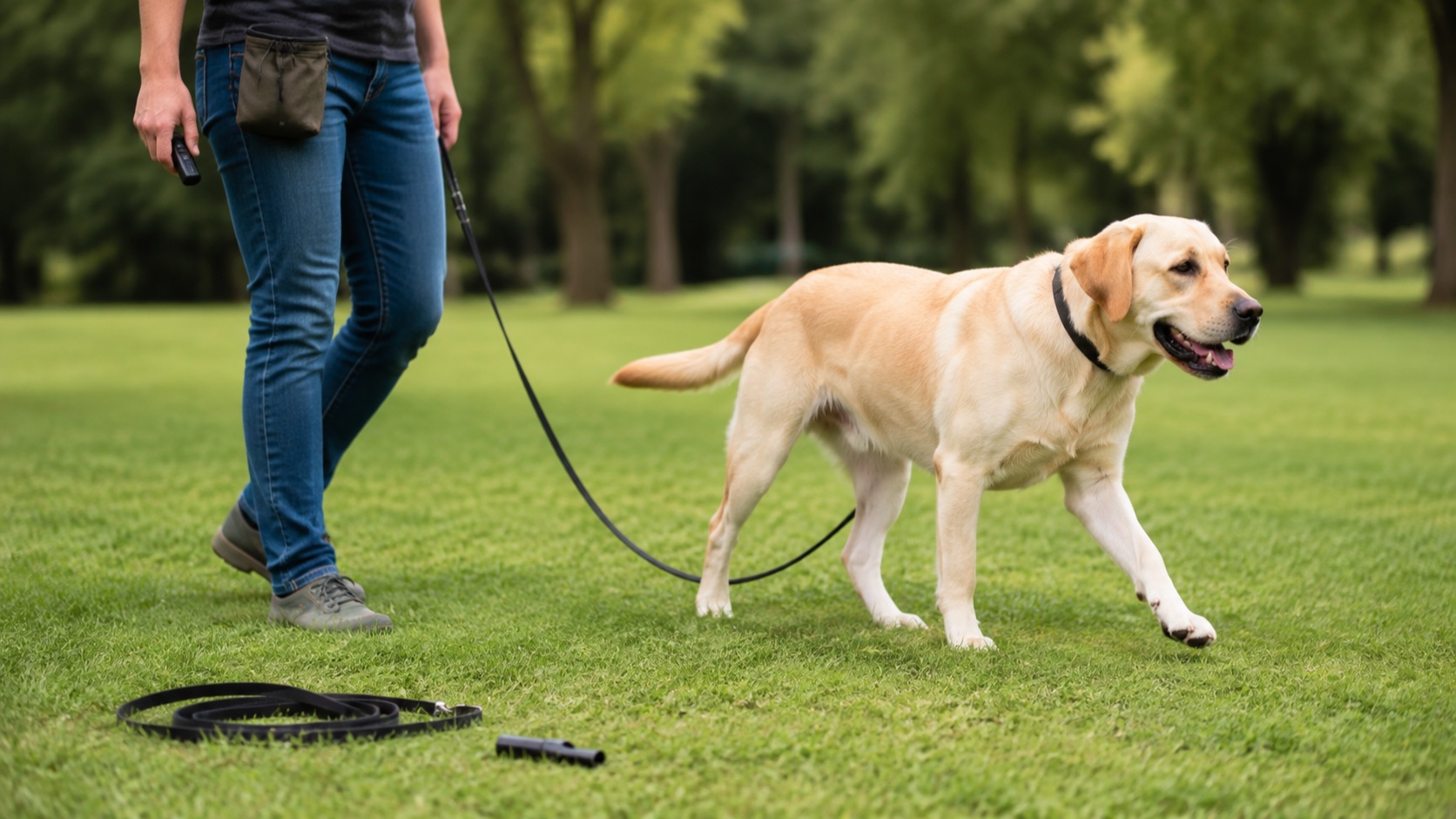
Wear height: treat hand should drop 4–8 inches, not hunt a backpack. If you are wearing a hands-free leash belt, clip the pouch on the belt, not on the bungee.
Types of dog treat pouches (class map, not a catalog)
Spring-hinge fabric (PetSafe Sport). The mouth stays open while you work, then shuts. Best listed access on this URL. Wash the liner.
Magnetic hinge organizer (Paw Lifestyles). Magnet plus pockets. Best listed “carry everything.” Heaviest when honest.
Drawstring walk bag (Kurgo). Fast dump, weak seal when inverted. Reflective is the reason to buy it.
Magnetic silicone cup (heouvo, RoyalCare). Wipe-clean. Quiet. Limited organization. heouvo is the larger cup + clicker. RoyalCare is the two-pack.
Zipper-only pouches are not on this card set. If you own one, use it for storage and a hinge/magnet for training.
Expert-adjacent tips (public training practice, not our credential)
Reward-based trainers in public textbooks (Pryor; current clicker-training manuals) treat delivery speed as part of the marker. This desk is not certifying you. The practical translation:
- Mark, then reach. The pouch should already be open or one motion from open.
- Pea-sized food. You are not feeding dinner.
- Two values if the dog is distracted — PetSafe dual wells or RoyalCare pair.
- Do not lure from a swinging bag. The dog tracks the pendulum, not the cue.
- Wash. Grease is how “the dog lost interest in food” becomes “the pouch smells like last month.”
A certified trainer is not this webpage. A veterinarian is not this webpage. If the dog will not eat, that is arousal, pain, or diet — not a $19 pouch.
Matching household jobs to the best dog treat pouch for training
| Household | Pouch tool | Follow tool | Skip |
|---|---|---|---|
| Puppy, 10-min indoor sits | PetSafe $17.99 | Training mat | Paw fully loaded |
| Greasy liver, patio | heouvo $16.99 | Dishwasher or sink wipe | Kurgo fabric |
| Noise-sensitive rescue | RoyalCare $13.99 | Silent snap | Velcro you already own |
| Dawn walk + bags | Kurgo $14.99 | Reflective jacket | Drawstring on agility day |
| Class + walk + phone | Paw $18.95 | Phone in the zip, not the kibble | Shoulder strap during drills |
| Puller + treats | PetSafe + Easy Walk | Walking leash for pullers | Retractable + zipper pouch |
A DIY pouch from a water bottle is a weekend craft. It is not an Index row. If you sew, you still need a one-hand closure. That is the product.
Worked example: three handlers, three kits
Handler A — 14-week pup, apartment hallway, kibble + tiny cheese. Kit: PetSafe $17.99. Dual wells. 8-minute sessions. RoyalCare $13.99 in the car for a silent backup. Do not buy Paw as the first pouch.
Handler B — adolescent, wet salmon treats, weekend class. Kit: heouvo $16.99. Clicker in the bundle. Wipe the cup before it rides in a hot car. PetSafe fabric as the dry-kibble spare.
Handler C — two dogs, long park loop, bags + keys. Kit: Paw Lifestyles $18.95 on the waist. Kurgo $14.99 only if the loop is dark and you want reflective. Do not shoulder-strap a full Paw during a recall drill.
Care, wash, and the best dog treat pouch for training
Fabric (PetSafe, Paw, Kurgo). Empty crumbs. Wipe daily. Machine-wash Kurgo if the label says so; air-dry so the coating does not bake. Skip fabric softener on water-resistant layers.
Silicone (heouvo, RoyalCare). Hot water + dish soap. Dishwasher if the listing allows. Magnets: pick off grit so the seal meets.
Hinges and magnets. Crumbs in a PetSafe spring are how it stops snapping. A grain of sand on a RoyalCare magnet is a leak.
Belts. Sweat + liver oil is a smell you will not forgive. Wash the webbing.
Travel weeks are when people dump treats in a grocery bag. Pack RoyalCare or heouvo. The $18.95 Paw stays home if you are flying with a 3-1-1 bag.
Do not store freeze-dried liver in a hot car inside silicone. Oil separates. The dog still eats it; your passenger does not enjoy the smell.
Session design that actually uses the pouch
- Load one session, not the week’s food.
- Put high-value in the easy well (PetSafe inner, or RoyalCare #1).
- Clip at the treat hand’s hip.
- Open before the first cue if the hinge allows.
- End with food still in the bag so you are not scrounging.
If you also use a hands-free leash, the pouch and the leash belt are one system. Two belts that fight each other is how people quit.
Children can hold a RoyalCare cup. They should not run a clicker-and-pouch drill on a lunging adolescent without an adult on the leash.
How to choose the best dog treat pouch for training this month
- Name the job: fast drills, wet food, dark walk, or carry-everything.
- Pick the class (hinge / magnet silicone / drawstring / organizer).
- Size the volume to the session, not the dog.
- Wear it on a belt. Practice the open-pinch-close with the leash in the other hand.
- Wash on a schedule.
- Stop if the dog will not eat — that is a different object (stress, pain, diet).
The best dog treat pouch for training is the one that is open when the marker happens — not the one with the most zippers.
What is the best dog treat pouch for training?
On this URL, the best dog treat pouch for training is usually a one-hand hinge or magnet at the waist: PetSafe Sport $17.99 for speed, heouvo $16.99 for wet food + clicker, RoyalCare $13.99 for a silent two-pack, Paw $18.95 for the organizer, Kurgo $14.99 for the reflective walk bag. That is a job map, not a medal table.
How do you wear the best dog treat pouch for training?
Belt or clip. A shoulder strap swings. Clip at the treat-hand hip so the drop is 4–8 inches, not a backpack hunt. If you also wear a hands-free leash belt, clip the pouch on the belt, not on the bungee.
Frequently asked questions
What is the best dog treat pouch for training?
The best dog treat pouch for training is usually a one-hand hinge or magnet at the waist. On this Index that is PetSafe Sport $17.99 for speed, heouvo $16.99 for wet food + clicker, or RoyalCare $13.99 for a silent two-pack. Paw $18.95 is the organizer. Kurgo $14.99 is the reflective walk bag.
Belt clip or strap for the best dog treat pouch for training?
Belt or clip. A shoulder strap swings. Use the strap for a hike, not for a precision session.
What features make a treat pouch effective?
Open time, seal when you bow, wear height, and a wash story. Dual treat wells beat six random pockets.
How many compartments do I need?
Two treat values is enough. A bag slot and a clicker slot are useful. A phone well is how grease wins.
Can I store a clicker and poop bags in the same pouch?
Yes — in a separate pocket (Paw, PetSafe accessory, Kurgo zip). heouvo bundles a clicker. Do not bury the clicker under kibble.
Are magnetic closures better than Velcro or zip?
For one-hand training, magnet or spring hinge beats a zip. Velcro is loud. None of these five are Velcro-primary. Magnets fail if you overfill or pack grit.
How do I keep a treat pouch clean?
Empty daily. Wipe fabric. Soap silicone. Do not let liver oil go fossil.
Which pouch is best for agility?
PetSafe Sport’s hinge is the listed access class. Silicone if the treats are wet. Leave Paw’s shoulder strap in the car.
Is a two-pack better than one large pouch?
RoyalCare $13.99 is two small cups — value split or a spare, not more total volume than heouvo’s 1.67-cup listing. Use two-pack for silence and split. Use PetSafe or heouvo for a single high-rate session.
Can I run with a treat pouch?
Clip a small silicone (RoyalCare) or PetSafe on a running belt. Do not shoulder-strap Paw. Sister object: hands-free leash for running. Treats on a bounce-heavy leash clip will mug some dogs.
When should I involve a trainer or veterinarian?
A dog that will not take food, shuts down, or guards the pouch. Hardware is not a workup. A certified trainer is not this webpage.
Related pages
- Best dog walking leash for pullers
- How to stop a dog from pulling on leash
- Best dog training mats
- Best hands-free dog leash for running
Rain, winter, and the best dog treat pouch for training
Wet fabric pouches (PetSafe, Paw, Kurgo) hold odor after a rain walk if you zip them into a car. Air-dry. Silicone (heouvo, RoyalCare) wins in sleet because you can rinse grit off the magnet before it ices shut.
Gloves change the job. A tight magnet is harder with thick winter gloves. PetSafe’s spring hinge is the listed “keep the mouth open” class for that month. Practice the pinch in the kitchen with the gloves you will actually wear.
Frozen treats in silicone are a winter trick some handlers use. This desk did not time them. Do not put a rock-hard cube in a small RoyalCare cup and expect a one-hand grab.
Class, park, and home — three pouch setups
Home hallway. RoyalCare $13.99 or PetSafe $17.99. Low volume. Fast. Mat on the floor if you are also housebreaking.
Park class. PetSafe hinge + clicker in the accessory pocket, or heouvo if the instructor is handing out wet food. Leave Paw’s shoulder strap off.
Neighborhood loop. Kurgo $14.99 if it is dark. Paw $18.95 if you also carry keys and bags. Do not run agility reps from a drawstring.
One pouch for all three jobs is how people buy Paw and never wash it. Two pouches (PetSafe + RoyalCare spare) is still under $32 — less than a “premium” bag that is not on this URL.
Handler body notes (not medical advice)
Left-handed handlers should clip on the left hip so the drop is short. A right-hip pouch plus a left-hand treat is a cross-body hunt.
A hands-free running belt plus a pouch is one waist system. Two belts that rotate opposite directions is how people quit.
If opening a spring hinge hurts, that is a human joint question. Try RoyalCare’s snap. Then stop shopping if it still hurts.
Kids, guests, and who holds the pouch
Write the rule on the hook: guests do not “just grab steak” from the Paw organizer. Children can hold RoyalCare. They should not run a high-rate session on a puller without an adult on the leash.
A pouch left on a coffee table is a self-serve buffet. Clip it or empty it.
Group class etiquette: do not open a greasy heouvo over someone else’s crate mat. Step to the side. A spilled cup is how the next dog learns that the floor pays.
If you train in a crate doorway, keep the pouch on your body, not on the crate top. Puppies steal. RoyalCare’s leash clip on a crate door is a mugger’s dream.
Travel training in a hotel hallway: PetSafe $17.99 or RoyalCare $13.99. You do not need Paw’s four zones. You need quiet magnets and a small load so you are not dumping kibble on patterned carpet.
Scent work vs obedience: a pouch that smells like last week’s liver will hijack a search. Wash. Silicone is the reset class. Fabric is the “I forgot” class.
How we researched this guide
Desk research. We read current Amazon listing titles and descriptions and scored five current listings on listed price, closure class, wear options, printed capacity, and clean story. We read public reward-based training guidance (AVSAB; standard marker-training practice). 6 oz empty weights as a house scale result. Nothing here is a trainer or veterinary certification.
Limitations: listings clone; magnets vary by lot; prices move. Pain, panic, and food refusal are a clinic or a qualified trainer, not a fourth Amazon cup.
Keep a simple log: missed rewards (hand still in the bag), spills, wash days. Patterns beat a once-a-month organizer upgrade.
A 10-week puppy and a 5-year-old sport dog are not the same category row. The puppy burns treats in minutes. The sport dog needs grease-proof silicone and a hinge that survives a weekend.
If the household’s real complaint is “he only works for steak,” a $19 pouch will not invent a training plan. Value and rate are different objects. Hardware is still worth clipping at the hip.
Load the pouch, hold a leash in the other hand, and mark a sit in the kitchen. That is the fit check. The park is the exam, not the first lesson.
Wet fabric after rain grows odor in a closed car. Air-dry PetSafe and Paw. Recheck RoyalCare clips so a cracked plastic gate is not the week’s escape.
If you also bought a hands-free belt for running, that is a sister URL. Nail the calendar before you nail a second SKU. A $17.99 PetSafe used every day beats an $18.95 Paw that stays in the Amazon box. That is not a lab result. It is how tools work when they leave the drawer.
Marker timing and pouch class (desk translation)
Public clicker-training texts treat the marker as a promise of food within a second or two. A zipper that takes four seconds is a broken promise. That is why this Index ranks closure, not pocket count.
If you mark with a word (“yes”) instead of a clicker, the pouch still has to deliver. heouvo’s bundled clicker is optional hardware, not a requirement.
If you use a front-clip harness and treats, load the pouch before you clip the leash. Fumbling both at the curb is how the dog learns that the sidewalk is chaos.
Two-dog households
One pouch, two dogs, is how the second dog mugs the first. RoyalCare’s two-pack is the cheap split: one value cup per dog, or one handler cup and one spare. Paw’s four zones do not create two mouths.
A dual hands-free leash plus one swinging pouch is a knot. Clip the pouch to your belt, not to the coupler.
Food safety, not a nutrition page
Soft training treats spoil. Silicone does not make salmon safe at 95 °F. Use a small load. Refrigerate the rest. This is not a feeding calculator. If you need calories, that is a food URL, not a pouch URL.
Chocolate, xylitol, and grape products are not “high-value.” They are clinic objects. We are a research desk. We are not listing a toxicology protocol.
What a $14–$19 sticker actually buys
$13.99–$14.99: RoyalCare pair or Kurgo walk bag. $16.99–$17.99: heouvo kit or PetSafe hinge. $18.95: Paw organizer.
That is the whole shelf on this URL.
Indoor vs outdoor pouch use
Indoor hallway: PetSafe or RoyalCare. Low volume. Fast. Yard: heouvo if the treats are wet; PetSafe if dry. Street: Kurgo if you need reflective; Paw if you also carry bags and keys. Class: PetSafe hinge. Leave the shoulder strap off.
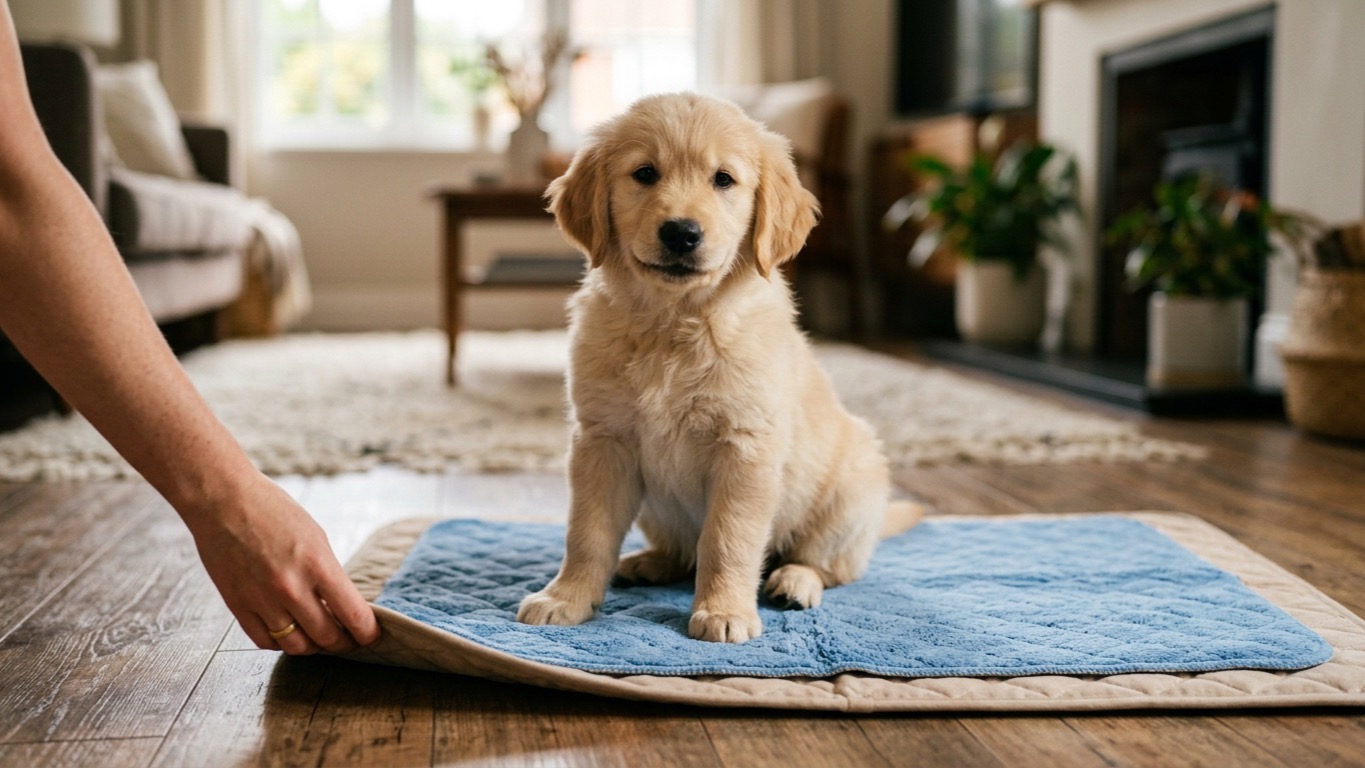
A training mat plus a pouch is a housebreak-and-manners morning. Do not store the pouch on the mat. That is a scent pile.
Clicker, whistle, and the pouch
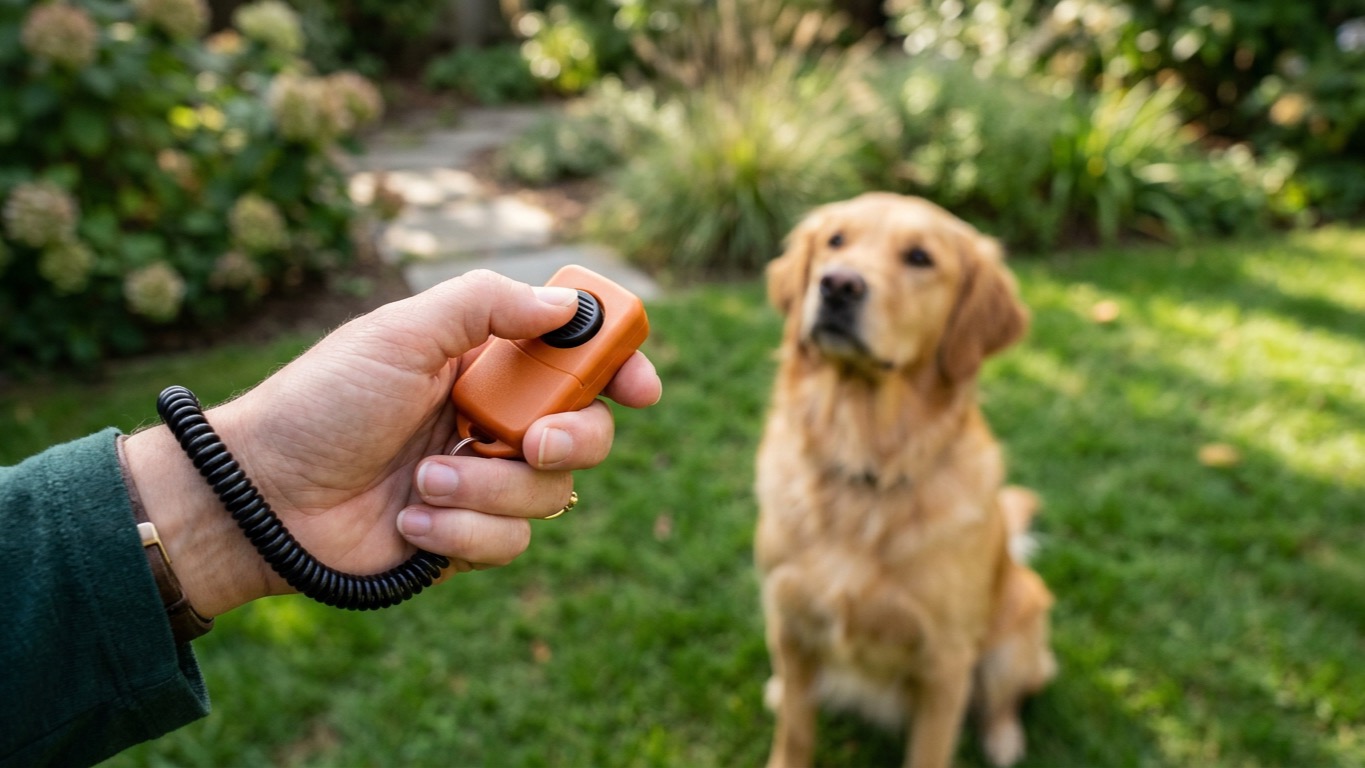
heouvo includes a clicker. PetSafe and Paw have pockets that can hold one. Kurgo’s zip side pocket is the walk-bag version. RoyalCare has no dedicated tool pocket — clip the clicker separately or use a word marker.
A whistle is a different object. Do not drop a metal whistle in a magnetic silicone cup and wonder why the magnet feels “weak.”
When the pouch is the wrong object
- The dog is over threshold and will not eat. That is distance and training, not a louder magnet.
- The handler has arthritis and cannot work a stiff spring. Try RoyalCare’s snap or a wider heouvo mouth — then stop if it still hurts. That is a human clinic, not a fourth SKU.
- The dog resource-guards the pouch. Management and a trainer. Do not “correct it” with a tighter lid.
Prices move. Pack counts move. Confirm the lot. This checklist is a class map, not a coupon.
A 9 lb toy dog and a 90 lb mastiff eat different treat sizes. The toy dog needs crumbs and a small cup (RoyalCare). The mastiff still needs pea-sized rewards if the rate is high — or you will overfeed. The pouch does not set the calorie budget.
Competition weekends are a refill problem. heouvo’s 1.67-cup listing is one ring, not a trial day. Pack a closed backup (RoyalCare #2 or a zip bag in the car). Do not leave an open PetSafe in a hot crate tent.
If the household’s real complaint is “training is messy,” silicone is the class. If the complaint is “I can never find the treat,” hinge + belt is the class. If the complaint is “I need my phone, bags, and keys,” Paw is the class — with the phone in the zip.
A $6 bag of training treats lasts longer when pieces are pea-sized. The pouch does not set portion size. Overfilling PetSafe’s dual wells is how the spring fails to shut and how you feed dinner by accident.
Show the empty pouch to the dog. Feed from it on the kitchen floor. Thirty seconds. That is acclimation. The park is the exam, not the first lesson.
Cracked RoyalCare clips are a replace-the-clip problem, not a “silicone is bad” problem. Recheck before a hike.
Nail the calendar before you nail a second SKU. A $17.99 PetSafe used five days a week builds more sits than an $18.95 Paw that lives in a tote. That is not a lab result. It is how tools work when they leave the drawer.
A clicker in a crumb-filled PetSafe pocket will jam. Empty the accessory slot the same day you wipe the wells. heouvo’s bundled clicker lives outside the treat cup or you will click and grab grease.
Kurgo’s 4.5-inch drawstring is a dump opening. Fine for a walk. Bad if you crouch to pick up a bag mid-drill. Close it before you bow. That is the whole drawstring tax.
Paw’s 48-inch belt is a fit range, not a reason to wear the pouch on your chest like a bandolier. Chest-worn bags swing into the dog’s face on a sit-in-front. Waist height stays The usual pick.
If you teach a formal heel, the pouch stays on the reward hip, not swinging in front of the dog’s face. A pendulum is a lure you did not mean to run. That is why this Index treats shoulder straps as a hike option, not a drill option.