The best dog walking leash for pullers is the fixed 4–6 ft line plus the clip that is not a skinny neck — a $8.99 Taglory rope when you need a cheap fixed length, a $15.19 PetSafe Easy Walk when the job is redirect at the chest, a $21.99 iYoShop belt when both hands must be empty after slack exists, or a $23.37 Qltytoy dual belt only when each dog already walks — not a $14.99 retractable tape and not a $15.99 bungee sold as “no pull.” The We read the titles and descriptions of 7 SKUs. Listed snapshots ran $8.99–$24.68 (median $15.99, a 2.75× spread). 3 of 7 are hands-free waist systems (iYoShop $21.99; zipper-storage $24.68; Qltytoy $23.37). 1 of 7 is a budget rope (Taglory). 1 of 7 is a tactical bungee (Joytale). 1 of 7 is a front-clip harness, not a leash (Easy Walk). 1 of 7 is a retractable hands-free (iYoShop $14.99) — fail class for a street puller. 0 of 7 print a trained heel or a force we measured.
Desk pick: City curb, one dog → Easy Walk $15.19 + Taglory $8.99 ($24.18). Hands-full after slack → iYoShop $21.99, not the $14.99 retractable. Two dogs who already walk → Qltytoy $23.37. Sport dog, not stop-lean → Joytale $15.99 only. Highest pocket → zipper-storage $24.68. A training sequence is a different URL.
Before you shop: (1) you ruled out pain, (2) the walking line is fixed length, (3) the clip is on a harness or a fitted headcollar, not a skinny flat collar on an 80 lb lunger, (4) you will practice slack in a boring lot before the market. Fail gate 1 and this checklist is how you shop past a sore shoulder.
Related desk pages: lead for pulling, harness for pulling, hands-free running leash, big dog harness. Do not merge those jobs into this one.
Our guides are reader-supported. This article may contain affiliate links. As an Amazon Associate we may earn a commission if you buy through links, at no extra cost to you.
How to choose the best dog walking leash for pullers without a ranking trophy
Name the walk. A 4 ft elevator ride is not a 16 ft park roam. Then name the failure you are actually trying to block: a curb dart, a bike lunge, two dogs splitting, or a handler who needs both hands.
- Pick a class, not a vibe. Fixed rope, waist belt, bungee, retractable, or front-clip harness. “No pull” without a photo of the clip is a slogan.
- Keep length honest. 4–6 ft is city control. Retractable is a different object.
- Move force off a skinny neck. A front-clip harness is the control half of this kit. A back-clip sport harness is a sled point.
- Add a belt last. Hands-free is a wear style after slack exists. It is not a first tool.
- Skip stored elastic if the job is stop-leaning. Bungee stores energy. That snap-back loads a wrist and a chest.
We compared the seven cards already on this URL. We also did not pretend a retractable became a curb tool because it sits on a puller page.
Line vs clip vs belt
Four different objects get sold as the best dog walking leash for pullers. This comparison treats them as four jobs. Mixing them is how a $24 belt becomes a sled with a pouch.
| Job class | What the listing usually says | Useful when | Fail mode |
|---|---|---|---|
| Fixed 4–6 ft line | Rope, webbing, clip | City curb, elevator, first kit | Bare handle blister |
| Front-clip harness | Easy Walk, martingale chest | Redirect at the shoulder | Fit wrong; used as back-clip |
| Hands-free fixed belt | Waist + pouch | Jog / stroller after slack | Belt + collar + lunge |
| Dual-dog belt | Two lines, one waist | Two dogs who already walk | Two green pullers, one hip |
| Bungee / elastic | Tactical shock | Trained sport | Sold as stop-pull |
| Retractable + belt | Hands-free tape | Open field, trained dog | Bike lane at 16 ft |
From the listings: “hands-free” appeared on more titles than “fixed length.” A free hand does not shorten a lunge. AVSAB’s public position on behavior tools favors reward-based methods and cautions against escalating aversives. We are not restating a clinic protocol. We are saying: a stiffer leash without a plan is a sore shoulder with better stitching.
Published force papers measure more pull on a back-clip harness than on a flat collar — Bailey, Discepolo, Baker, and Perry in the Journal of Veterinary Behavior (78, March–April 2025) and, for a food lure, Shih, Phillips, Mills, Yang, Georgiou, and Paterson in Frontiers in Veterinary Science (2021). That is not a house ranking. It is why this URL treats the Easy Walk as the control half of the kit, not as a bonus card.
Price and class — the seven cards
Listed street prices on the cards below as of the August 2026 snapshot. Confirm the seller. Prices go stale.
| Tool (card title) | Listed price | Printed class | Desk puller role | Honest miss |
|---|---|---|---|---|
| Taglory Rope Dog Leash for Medium Large Dogs | $8.99 | Fixed rope | Cheapest fixed line | Bare handle |
| iYoShop Retractable Hands Free Dog Leash | $14.99 | Retractable + belt | Fail for street pullers | Variable length |
| PetSafe Easy Walk Harness | $15.19 | Front-clip harness | Redirect tool | Fit is the product |
| Joytale Tactical Bungee Dog Leash | $15.99 | Elastic tactical | Sport / shock | Stores energy |
| iYoShop Hands Free Dog Leash with Zipper Pouch | $21.99 | Hands-free belt | Jog after slack | Slips on slick fabric |
| Qltytoy Hands Free Double Dog Leash for Two Dogs | $23.37 | Dual hands-free | Two-dog convenience | Physics still adds |
| Hands Free Dog Leash with Zipper Storage Pouch | $24.68 | Hands-free belt | Highest pocket | Bulk under a jacket |
Budget fixed line is Taglory. Control half is Easy Walk. Hands-free after slack is iYoShop $21.99. Two-dog last step is Qltytoy. The $14.99 retractable is a warning tile.
Leash SKU arithmetic
| Desk equation | Dollars / count | What it actually buys |
|---|---|---|
| Zipper storage $24.68 ÷ Taglory $8.99 | 2.75× | Highest pocket vs cheapest fixed line |
| Easy Walk $15.19 + Taglory $8.99 | $24.18 | Named front-clip kit, $0.50 under the $24.68 belt |
| iYoShop HF $21.99 + Easy Walk $15.19 | $37.18 | Hands-free and redirect |
| Zipper $24.68 − iYoShop HF $21.99 | $2.69 | Extra pocket, same job class |
| Qltytoy $23.37 − iYoShop HF $21.99 | $1.38 | Second line, not a trained pair |
| Joytale $15.99 − Easy Walk $15.19 | $0.80 | Elastic vs chest redirect |
| Retractable $14.99 − Taglory $8.99 | $6.00 | Tape you cannot shorten vs fixed rope |
| Median of 7 stickers | $15.99 | The Joytale bungee sticker |
| Hands-free titles | 3 of 7 (43%) | iYoShop HF + zipper + Qltytoy |
Desk kit math: Easy Walk $15.19 + Taglory $8.99 = $24.18. That is the same money as the $24.68 storage belt, with a named front-clip. iYoShop $21.99 + Easy Walk $15.19 = $37.18 if the job is hands-free and redirect. Do not add the $14.99 retractable to either kit. Do not buy Joytale $15.99 as a stop-pull tool.
Walk-job worksheet for the best dog walking leash for pullers
Planning bands from maker class language and owner-theme walk notes — not a dog we walked.
| Walk this week | Start hardware | Length desk | Skip |
|---|---|---|---|
| City curb / elevator | Taglory + Easy Walk | 4 ft | Retractable |
| Neighborhood, one dog | Taglory + Easy Walk | 5–6 ft | Bungee as “comfort” |
| Hands-full / jog | iYoShop HF after slack | Fixed belt line | Belt + skinny collar |
| Two dogs, both green | Two fixed lines, two hands | 6 ft each | Qltytoy day one |
| Two dogs, both slack | Qltytoy | Dual belt | Opposite-squirrel split |
| Wrist pain, trained dog | Padded dual-handle (sister page) | 4–6 ft | Bare Taglory as daily |
| Open field, trained | Retractable only if you accept tape | Variable | Street / dusk |
Front-load slack. A belt that is “easier” on day one is how a 70 lb hit becomes a hip injury.
Quick picks for the best dog walking leash for pullers
- Control kit: Easy Walk $15.19 + Taglory $8.99. Chest ring plus fixed rope.
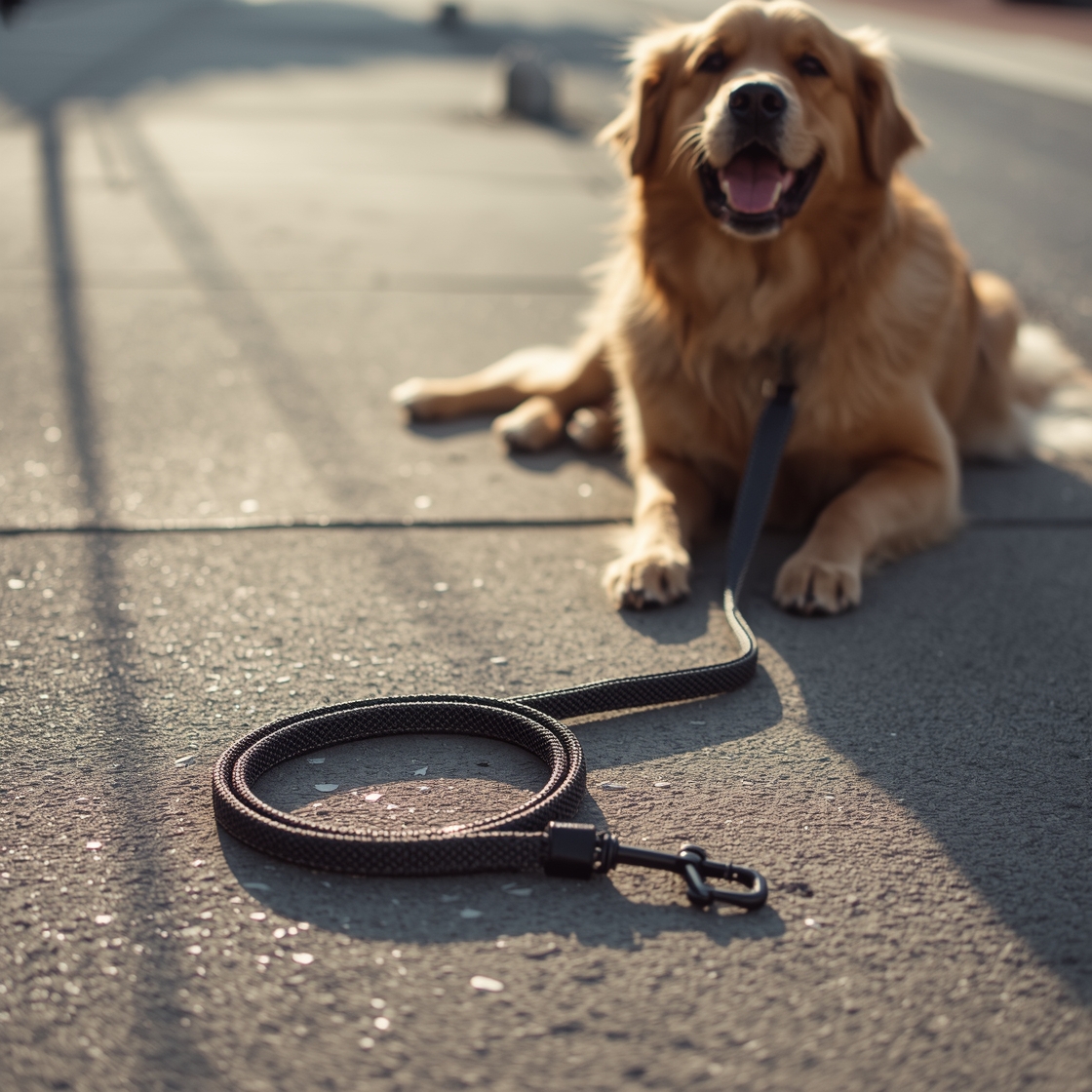
- Budget fixed line: Taglory — $8.99. Not a mechanism. A rope.
- Hands-free after slack: iYoShop zipper pouch — $21.99.
- Highest pocket: Zipper storage — $24.68. Same class, more bulk.
- Two-dog last step: Qltytoy — $23.37.
- Sport shock, not stop-pull: Joytale — $15.99.
- Fail tile: iYoShop retractable — $14.99. Keep it off a city puller.
Named examples of the best dog walking leash for pullers — not a sidewalk ranking
Cards below are unchanged. Desk roles and honest drawbacks are ours.
1. iYoShop Hands Free Dog Leash with Zipper Pouch
Best for: a hands-free walk or jog when both hands need to be empty — after the dog is on a harness, not a skinny collar.
Listed $21.99. Belt + zip pouch in listing language. Sister-page object if the honest job is running: hands-free leash for running.
Honest drawback: belts slip on slick fabric. A pouch of treats does not shorten a lunge. If the dog still hits the end at full speed, you just became the anchor.
Check iYoShop hands-free listings →
2. Taglory Rope Dog Leash for Medium Large Dogs
Best for: the cheapest fixed line on this URL when you need 4–6 ft of rope and a clip, not a belt.
Listed $8.99. Durable rope construction in brand copy. Medium/large listing language — confirm diameter vs dog weight.
Honest drawback: bare handle. A 70 lb hit is a blister. Not padded. Not a “no pull” mechanism. It is a rope.
3. Hands Free Dog Leash with Zipper Storage Pouch
Best for: the highest-sticker hands-free belt when you want more pocket than the iYoShop card.
Listed $24.68. Adjustable waist + zip storage in listing language.
Honest drawback: bulk under a fitted jacket. Extra pocket does not add a traffic handle. Same rule: clip to a harness.
Check zipper-storage hands-free listings →
4. Qltytoy Hands Free Double Dog Leash for Two Dogs
Best for: two dogs on one waist when each dog already understands slack — not as the first tool for two lungers.
Listed $23.37. Dual lines from one belt in brand copy.
Honest drawback: two pullers add. Small dogs make the hardware feel heavy. Tangled lines at a curb are a safety problem, not a “cute duo” photo.
Check Qltytoy double listings →
5. Joytale Tactical Bungee Dog Leash
Best for: a shock-absorbing line on a trained sport dog — not as the best dog walking leash for pullers if the job is stop-leaning.
Listed $15.99. Bungee stretch + tactical grip in brand copy.
Honest drawback: elastic stores energy and returns it. The leash can sag when the dog pauses. If you are trying to end pulling, use fixed webbing. Sister kit page: best dog lead for pulling.
Check Joytale bungee listings →
6. PetSafe Easy Walk Harness
Best for: the front-clip half of every honest puller kit on this URL.
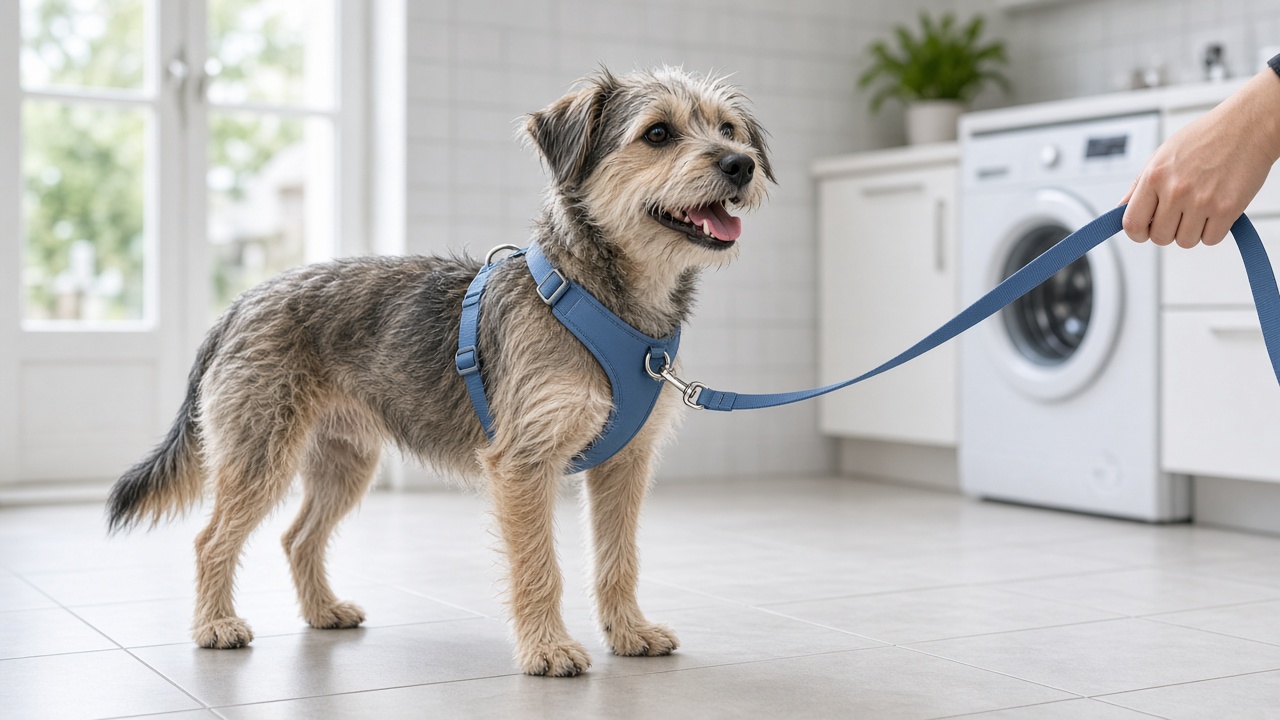
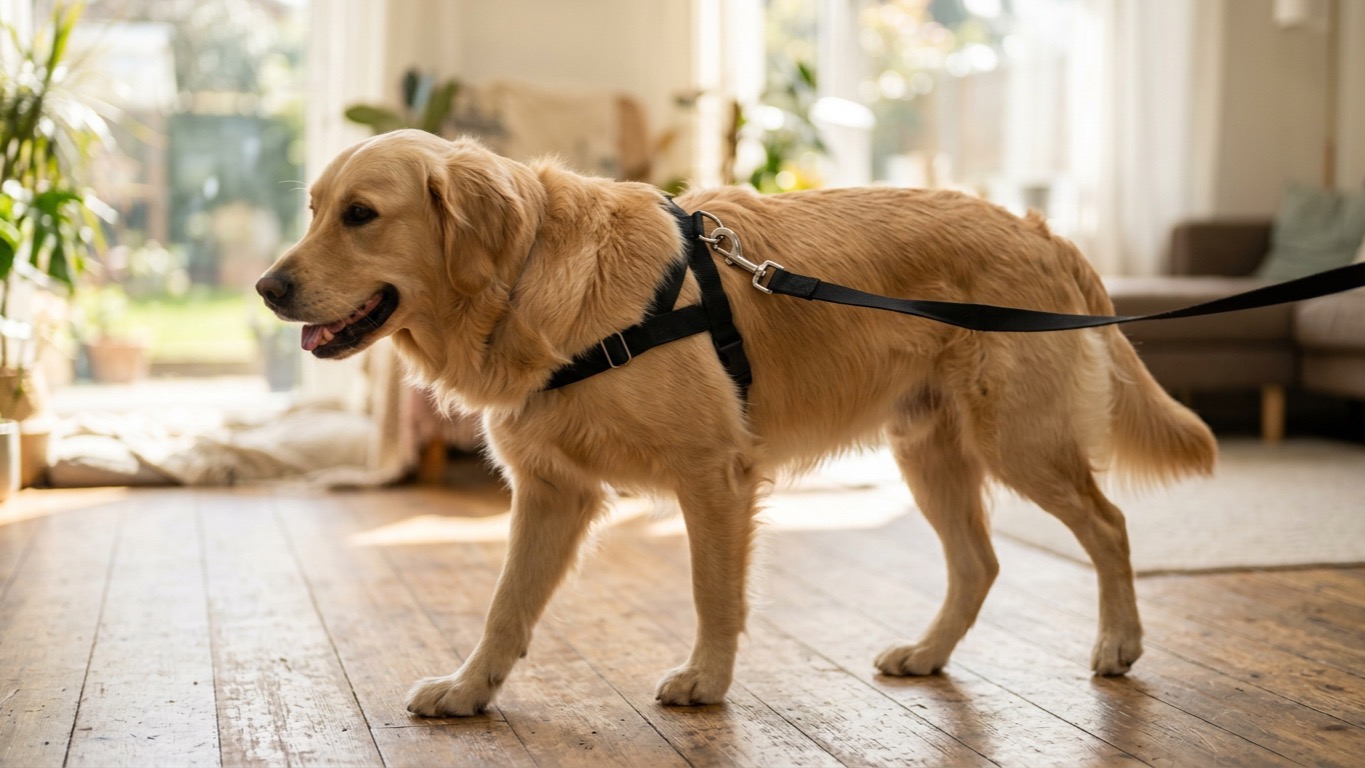
Listed $15.19. PetSafe’s Easy Walk copy: martingale loop at the chest so a forward lean turns the dog to the side. That is the listed mechanism. Public owner threads cluster on the belly strap riding into the armpits if you skip the girth measurement.
Honest drawback: not a car crash harness. Not a no-escape hiking harness for a wriggly sighthound. Size to girth, not to “Lab.” A front ring you never use is a back-clip sled.
7. iYoShop Retractable Hands Free Dog Leash
Best for: an open field with a dog that already walks loose — not a city puller.
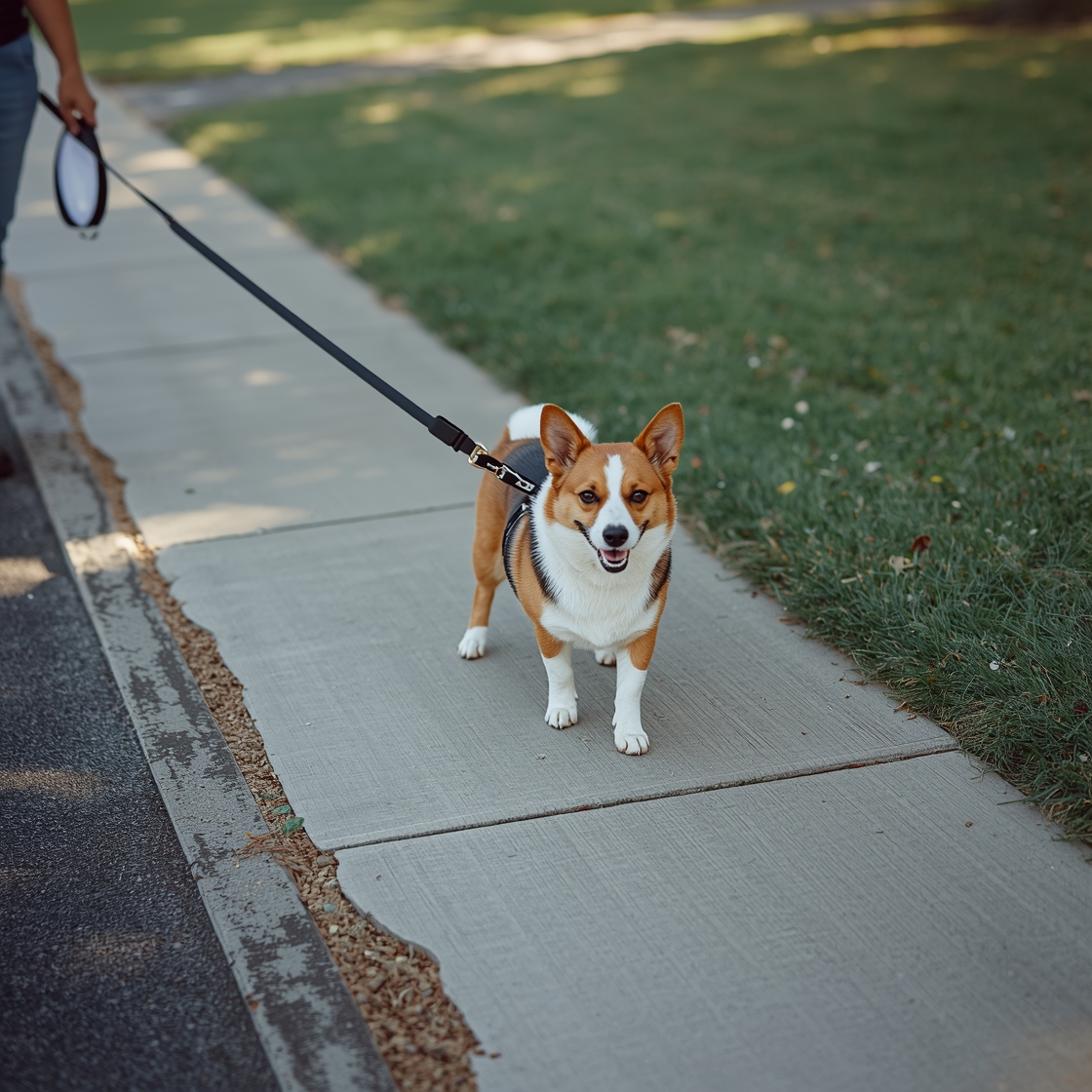
Listed $14.99. Retractable + hands-free in the title. That combination is how you get 16 ft of tape into a bike lane while both hands are “free.”
Honest drawback: you cannot reliably shorten to a curb. Locks yank. Retractables are the fail class on this Index. Keep this card as a warning, not a recommendation for the keyword.
Check retractable hands-free listings →
Comparison: best dog walking leash for pullers cards at a glance
| Tool | Best for | Approx. price | Key strength | Watch-out |
|---|---|---|---|---|
| Taglory rope | Fixed city line | $8.99 | Lowest $ | Bare handle |
| iYoShop retractable HF | Open field only | $14.99 | Hands free + tape | Fail on a street |
| PetSafe Easy Walk | Chest redirect | $15.19 | Front clip | Fit is the product |
| Joytale bungee | Sport shock | $15.99 | Elastic | Stores energy |
| iYoShop HF + pouch | Jog after slack | $21.99 | Belt + pocket | Slips on slick fabric |
| Qltytoy double | Two trained walkers | $23.37 | Dual lines | Two-dog physics |
| Zipper storage HF | Highest pocket | $24.68 | Storage | Bulk |
Want the category without a podium? Browse walking leashes and no-pull harnesses.
Length, elasticity, and the one type to avoid
| Length / type | City pull job | When it is honest |
|---|---|---|
| 4 ft fixed | Best curb control | Crowded sidewalks, doorways, elevators |
| 5–6 ft fixed | default listing review length | Neighborhood walks |
| Hands-free fixed | Hands-full / jog | iYoShop $21.99 class + harness |
| Bungee / elastic | Avoid if you are trying to stop pulling | Sprint sports with a trained dog |
| Retractable 10–26 ft | Fail | Open field, not a street |
| Dual-dog belt | After each dog can walk | Qltytoy — not day one |
Public walking guidance clusters on keeping the dog close enough that you can step on the leash in an emergency. That is a 4–6 ft story. It is not a 16 ft tape measure. AKC loose-leash notes treat slack as a trained skill. Hardware shortens the window. It does not install the skill.
Why dogs pull (desk causes, not a diagnosis)
Dogs pull because forward motion paid off. They also pull because the harness is a sled point (back clip), the walk is the only enrichment, or something hurts. Sudden new pulling, a head-shy flinch, or a front-leg limp is a veterinary question. Hardware after that.
Breed “pulls like a sled” jokes are not a size chart. A 25 lb terrier on a thin collar can still crush a trachea conversation. A 90 lb mastiff on a back-clip “sport” harness is still physics.
A reliable sequence (desk method, not a class)
- Pain screen. If in doubt, clinic first.
- Fit the Easy Walk in the house with food. Two fingers under straps. No armpit sawing.
- Clip a 4–6 ft non-elastic leash (Taglory class). Traffic-handle webbing if you own one from the lead-for-pulling page.
- Reward slack. Stop when the leash tightens. Walk when it softens. Boring parking lot first.
- Add a waist belt only after the dog will not yank you off your feet.
Children should not run a retractable or a dual-dog belt on a lunging pair. Write that on the hook the same way you write treat rules on a food bag.
Matching household jobs to the best dog walking leash for pullers
| Household | Leash tool | Follow tool | Skip |
|---|---|---|---|
| 70 lb mix, city, no pain | Taglory $8.99 | Easy Walk $15.19 | Retractable $14.99 |
| Jogger, trained dog | iYoShop HF $21.99 | Easy Walk or running harness | Bungee as “training” |
| Two dogs, both green | Two fixed leashes, two hands | Easy Walk each | Qltytoy on day one |
| Handler with sore wrists | Padded dual-handle (sister page) | Front-clip | Bare Taglory as daily |
| Puppy | Lightweight harness + 6 ft | Treats, 30-second slack games | Adult tactical bungee as a toy |
Worked example: two dogs, two kits
Dog A — 55 lb puller, no limp, apartment elevators. Kit: Easy Walk $15.19 + Taglory $8.99. Practice in the hallway. Add iYoShop $21.99 only after slack exists. Do not buy the $14.99 retractable as a “compromise.”
Dog B — 85 lb, lunges at bikes, handler has wrist pain. Kit: fitted Easy Walk + a padded dual-handle from the lead-for-pulling page, not Taglory’s bare rope as the daily. Skip Joytale bungee if the job is stop-leaning. If lunges are new, clinic first.
Care, hardware, and the best dog walking leash for pullers
Rinse salt and mud. Dry webbing so hardware does not rust closed. Inspect the stitch at the clip weekly. That is where cheap rope fails. Replace a frayed Taglory instead of tying a knot in it.
Do not clip two leashes to one collar ring and call it “safety.” Use a harness plus a backup if you need two points.
Store the Easy Walk so the chest loop is not twisted. A twisted martingale rides into the armpits. That is fit, not a brand defect.
Travel weeks are when retractables come out because “the park is big.” Pack the 6 ft rope. The $14.99 tape is not a city spare.
Belt pouches need the same wash as a treat pouch if you stuff greasy liver in them. Zippers fail when grit lives in the teeth.
Ice and salt eat cheap rope. Rinse Taglory. A frozen bungee (Joytale) is stiffer, not safer. Fixed webbing still wins the stop-pull job in February.
Wet rope after rain gets stiff and abrasive. Recheck the clip gate on Taglory. A sprung gate is how a budget leash becomes an escape.
Hands-free belts vs the best dog walking leash for pullers
A waist belt is a wear style. It is not automatically the best dog walking leash for pullers. Control is still length + clip point.
Use iYoShop $21.99 or the $24.68 storage belt when the dog already offers slack on a 6 ft line, you need both hands, and the line from belt to harness is fixed.
Do not use a belt when the dog still hits the end at a run, you have a bad back, or the belt is on slick athletic fabric and rides up. You became the anchor.
A treat pouch on the same belt is fine. A retractable cassette on the same belt is not.
Two-dog physics (Qltytoy $23.37)
Two 40 lb pullers are not “one 80 lb puller.” They can split. They can tangle at a curb. They can hit opposite squirrels.
Honest sequence: each dog walks slack on a solo fixed leash. Then you try a coupler or a dual belt. Qltytoy is the last step, not the first checkout.
If one dog is a puppy and one is a trained adult, two hands and two Taglory-class lines beat one waist.
Traffic-handle webbing (sister page)
This URL’s Joytale card is a bungee. The lead-for-pulling Joytale card is often a dual-handle fixed tactical. Do not mix the objects. If you want a second handle at the clip without elastic, leave this page and buy that class.
Taglory $8.99 has no traffic handle. That is the blister tax. Gloves are cheaper than a second $24 belt if the only problem is palm burn.
Night walks, reflective, and the $24.68 pocket
A zipper pouch on a belt does not make you visible. If the job is dawn or dusk, add a light or a reflective band. The $24.68 storage belt is a pocket, not a high-vis vest.
Retractables are worse at night. You cannot see 16 ft of tape. Fixed 6 ft is the Index length for a reason.
Apartment elevators are a 4 ft job. A retractable in a six-person elevator is a courtesy failure and a safety failure. Clip short. Step off last.
How to choose the best dog walking leash for pullers this month
- Name the job: curb, jog, two-dog, or backup rope.
- Pick the class (fixed leash / hands-free fixed / front-clip / not retractable).
- Measure girth. Fit the Easy Walk in the house.
- Keep length at 4–6 ft. Skip elastic and retractables for this keyword.
- Put practice on a calendar.
- Stop if the dog yelps or the gait changes.
The best dog walking leash for pullers is the kit that shortens the line and moves the clip off a skinny neck — then gets used. An $8.99 Taglory used every day with a fitted Easy Walk stops more pulling than a $24.68 belt that lives in the box. That is not a lab result. It is how tools work when they leave the drawer.
A front-clip you never use is a back-clip sled. After you fit the Easy Walk $15.19, clip the leash to the chest ring for the pull job. The spine ring is for a calm walk or a car tether. Different objects.
If you also bought a harness for hiking escape artists, that is a different clip geometry. See best big dog harness after this page’s job is honest.
Frequently asked questions about the best dog walking leash for pullers
What is the best dog walking leash for pullers?
The best dog walking leash for pullers is usually a 4–6 ft non-elastic leash (Taglory $8.99 class) on a front-clip harness (Easy Walk $15.19) — about $24.18 in this Index. A $21.99 hands-free belt is a wear style after slack exists. A $14.99 retractable fails the job.
Are retractable leashes safe for dogs that pull?
No — not on a street. Retractables add length you cannot take back fast. Locks yank. Keep them off this keyword.
How long should a leash be for training a puller?
4–6 feet, fixed. Long enough to toilet. Short enough to block a curb.
Do front-clip harnesses actually stop pulling or just manage it?
They manage direction when fitted. They do not install a trained heel. Bailey et al. (2025) and Shih et al. (2021) measured force differences by attachment point. They did not crown a marketplace SKU. Practice still pays.
Are bungee leashes better for dogs that pull?
No — not for a dog you are trying to stop pulling. Elastic stores energy. Use fixed webbing.
Can I use a hands-free belt as the best dog walking leash for pullers from day one?
No. Slack first on a 4–6 ft fixed line and a front-clip. The belt is a convenience layer. iYoShop $21.99 does not install a heel.
When should I involve a veterinarian or trainer?
New pulling, pain signs, collapse, or a dog that shuts down in gear. Hardware is not a workup. A certified trainer is not this webpage.
Is a dual-dog belt the best dog walking leash for pullers if I have two dogs?
Only after each dog walks slack solo. Qltytoy $23.37 is a last step. Two green pullers on one waist is a tangle.
Related pages
- How to stop a dog from pulling on leash
- Best dog lead for pulling
- Best dog harness for pulling
- Best hands-free dog leash for running
- Best big dog harness
- Dog harness vs collar for puppies
If a listing title changes, this comparison changes. Contact if a card is stale.