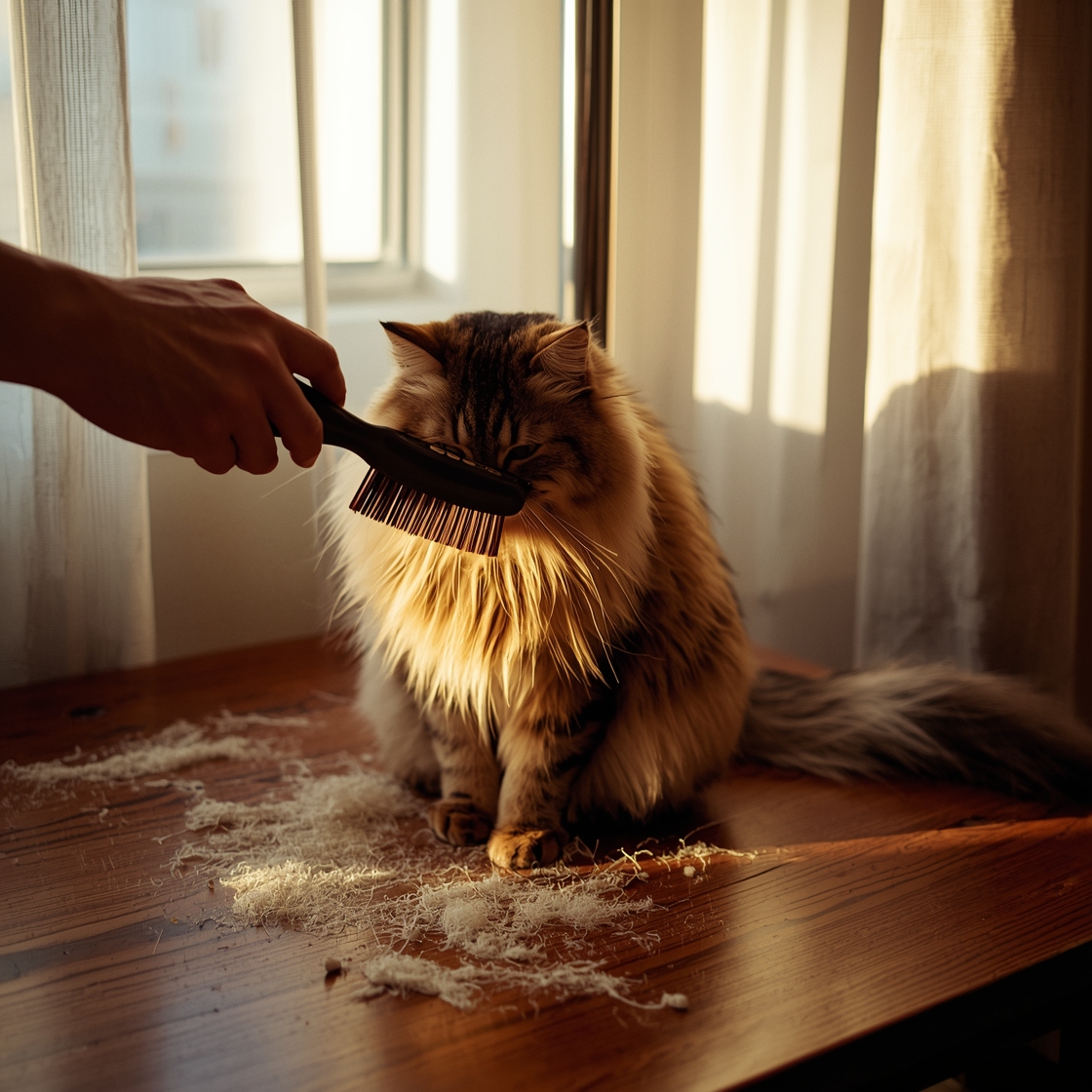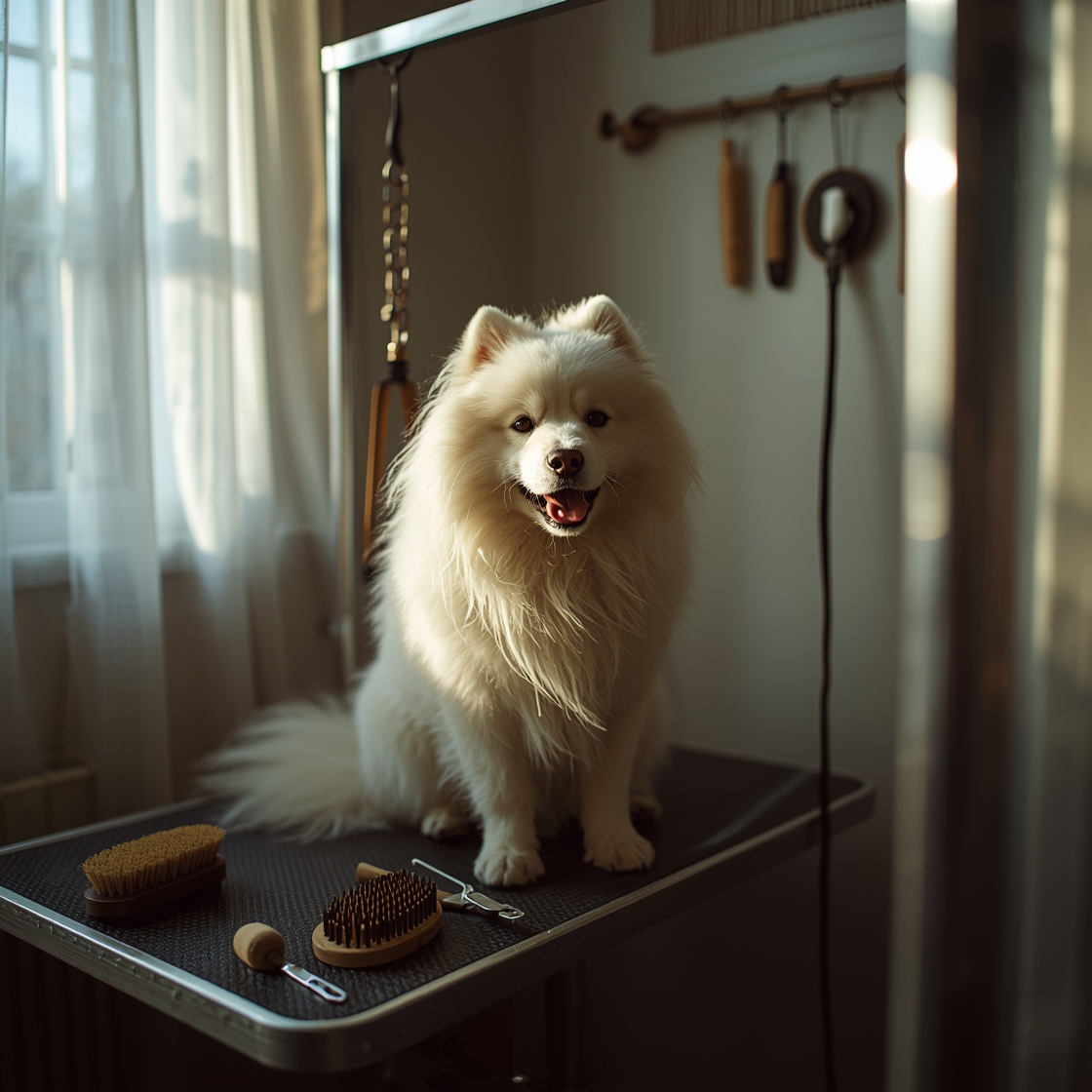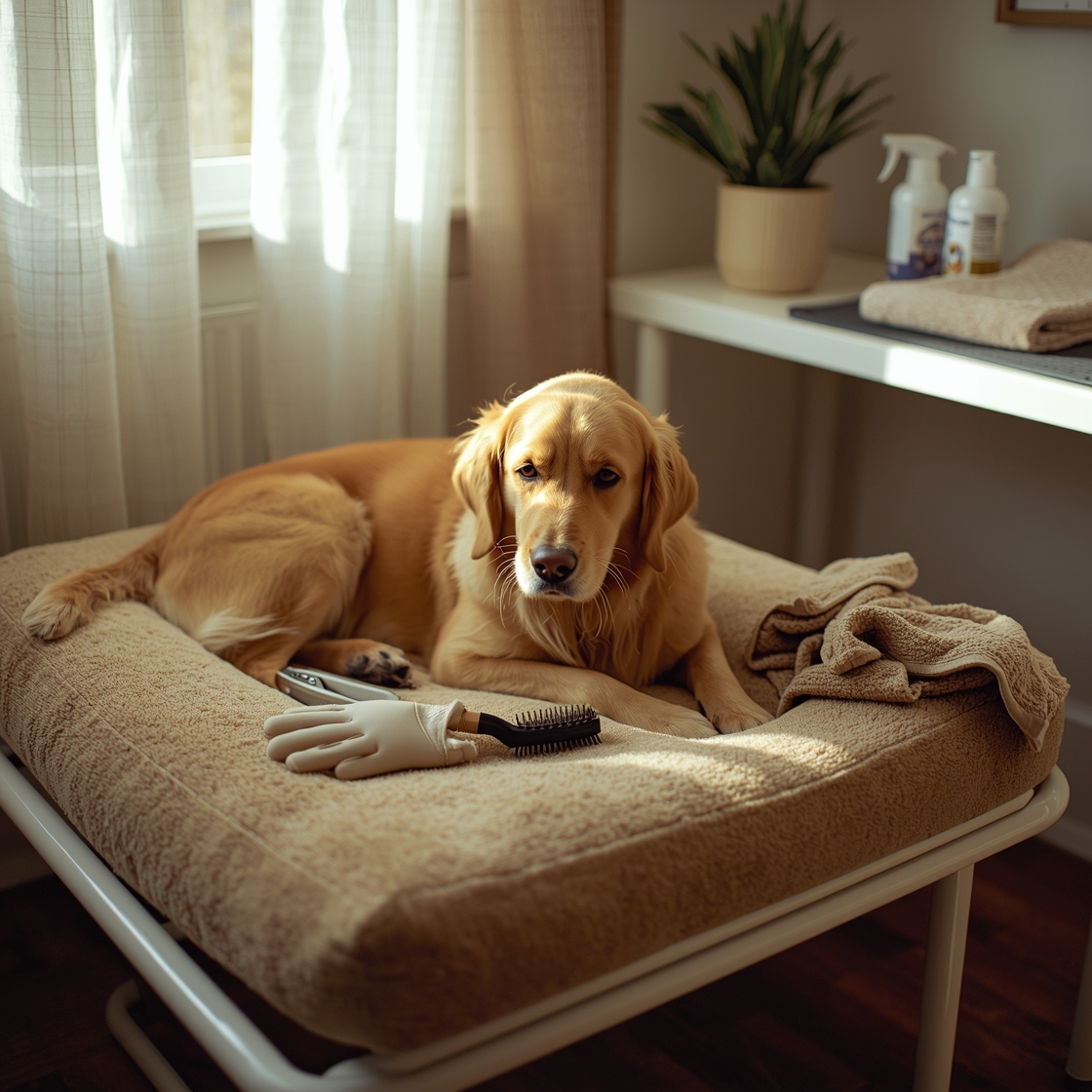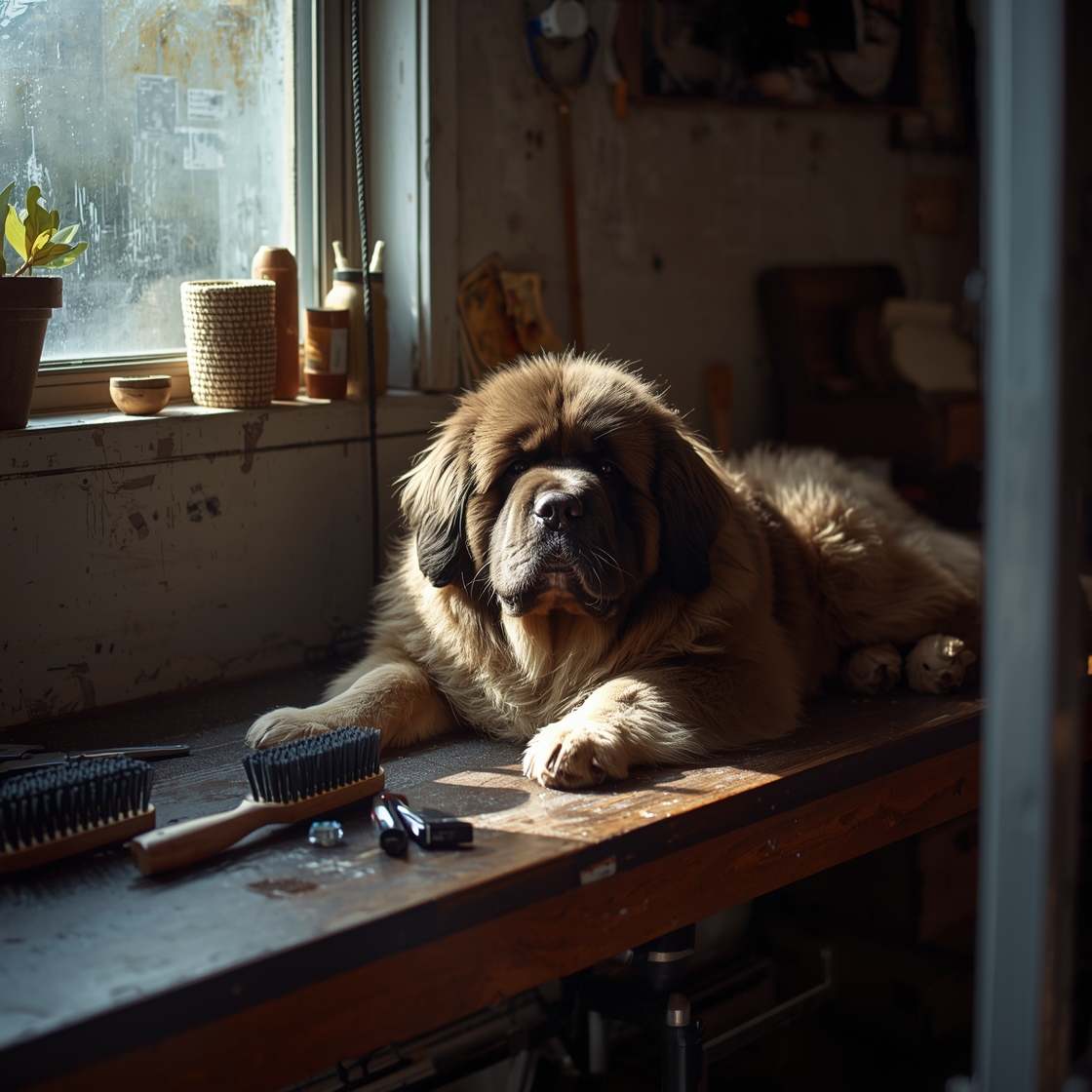
must-have pet grooming tools start with metal comb, slicker matched to coat length, and nail clipper or grinder—everything else is coat-specific add-on, not baseline.
Regular grooming with the right tools keeps coats smooth, reduces shedding, prevents skin irritation, and deepens the owner‑pet bond—making your companion both healthier and happier.
The Importance of Regular Pet Grooming
Consistent grooming does far more than keep your pet looking polished; it is a frontline health defense. When mats and tangles go unchecked, they can pull on the skin, create hotspots, and trap moisture that breeds bacterial or fungal infections. Owners consistently report that regular use of a slicker‑style brush removes loose hair and noticeably reduces matting within a few weeks of weekly use, lowering the incidence of skin irritation.
Beyond physical benefits, grooming creates a calm, cooperative routine that strengthens the emotional connection between you and your animal. The rhythmic motion of brushing releases endorphins for both parties, turning a maintenance task into a bonding session. Owners who groom daily report that their pets are more relaxed during veterinary exams and more responsive to handling.
Perhaps the most valuable payoff is early detection. While you run a brush through the coat, you can spot stray fleas, embedded ticks, or abnormal skin patches before they become serious problems. A routine brush‑down can reveal a cluster of tiny ticks on a dog’s hindquarters, allowing prompt removal and helping prevent a potential Lyme‑disease infection.
Staying current with tool recommendations also matters. Well‑regarded grooming‑tool designs are updated regularly, and the latest models tend to minimize pulling and evenly distribute pressure—key factors that keep grooming comfortable and effective. By integrating regular grooming into your pet‑care schedule, you safeguard health, nurture trust, and enjoy a happier, more vibrant companion.
Our Top 7 Must-Have Pet Grooming Tools
A well‑stocked grooming kit turns routine care into a stress‑free bonding session. Below is the lean lineup our research suggests delivers the biggest payoff for both short‑ and long‑haired companions.
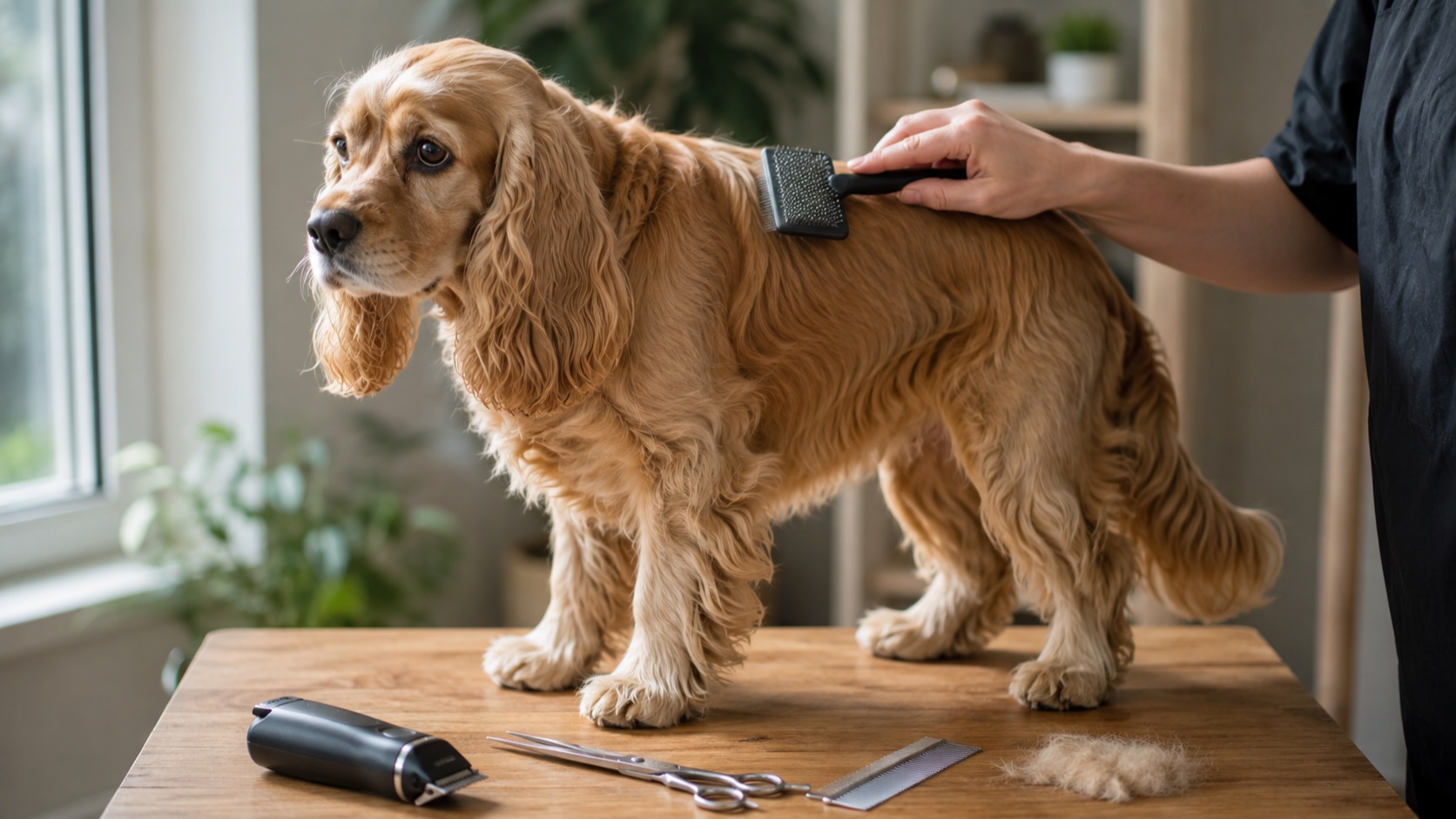
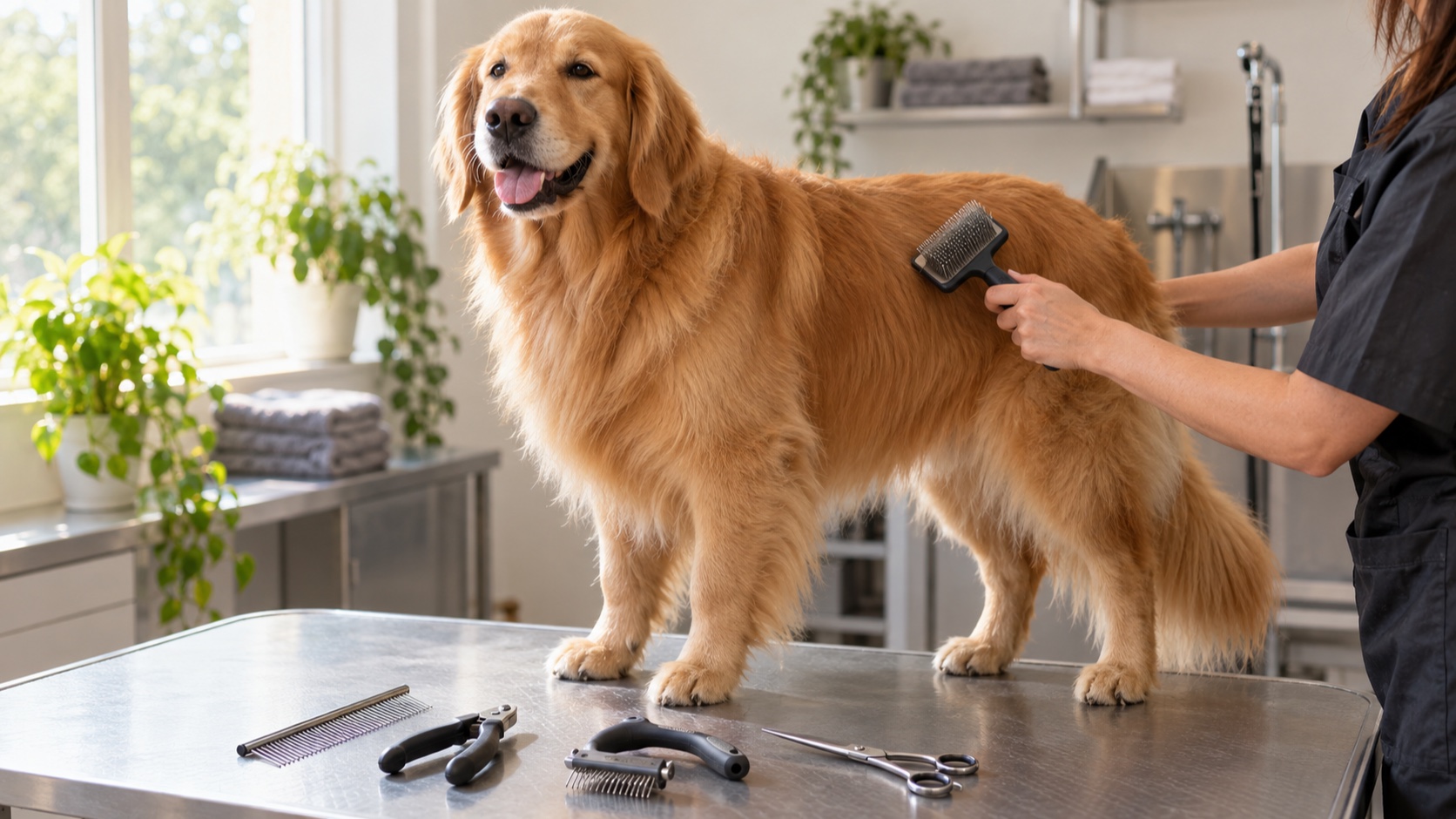
1. Slicker brush – the mat‑fighter A slicker brush’s fine, densely packed bristles glide through tangled fur without pulling on the skin. Owners of senior dogs with matted coats consistently report a dramatic reduction in visible mats after just a couple of short passes. It’s the go‑to tool for any breed that develops knots, especially after a rainy walk or a bout of summer shedding.
2. Bristle brush – polish for short coats For smooth‑coated dogs and cats, a firm‑but‑gentle bristle brush sweeps loose hair away while distributing natural oils from the skin to the outer coat. Owners of short‑haired breeds like Beagles often notice a shine boost after a 5‑minute weekly brush‑down, with the skin left feeling warm but not irritated.
3. Undercoat rake – shedding solution An undercoat rake features long, widely spaced teeth that reach the dense underlayer without damaging the topcoat. On double‑coated breeds like the German Shepherd, owners report the rake removes noticeably more hair per session than a standard brush, meaningfully cutting the amount of loose fur on the floor.
4. Nail clippers – safe trimming A pair of sharp, scissor‑style nail clippers with a built‑in safety guard lets you trim just the tip of the claw, avoiding the quick. Even with nervous dogs, the guard helps prevent over‑cutting, and the quiet clipping action keeps anxious pets calmer than louder alternatives.
5. Shampoo and conditioner – coat health foundation A mild, pH‑balanced shampoo paired with a lightweight conditioner cleanses without stripping natural oils and helps detangle. Hypoallergenic formulas are often reported to leave senior cats’ coats noticeably softer and to reduce itching episodes over a few weeks of use.
6. Deshedding tool – hair‑loss reducer A handheld deshedding tool with flexible rubber blades pulls loose undercoat without scratching. Many owners report a substantial drop in weekly hair pickup when they incorporate such a tool into their routine, and heavy shedders like the Siberian Husky are where the difference on couches and floors tends to be most visible.
7. Grooming gloves – gentle for sensitive spots Silicone‑lined gloves let you massage and remove loose hair while petting, making them ideal for ears, belly, and tail where brushes can be too abrasive. Nervous cats and kittens often tolerate a full‑body grooming session much longer with gloves than with a brush.
Equipping yourself with these seven essentials covers every grooming need—from daily coat maintenance to occasional nail trims—ensuring your pet stays healthier, happier, and ready for the next adventure.
1. Slicker Brush: The Mat-Fighting Essential
A high‑quality slicker brush combines a lightweight, ergonomic handle with densely packed, flexible metal bristles that bend rather than snag. Brushes with a rubberized grip reduce hand fatigue during a 15‑minute grooming session, while bristles spaced 1‑2 mm apart lift loose fur without irritating the skin. Tools that distribute pressure evenly and minimize pulling make the experience comfortable for both pet and owner, which translates into fewer skin abrasions and a calmer grooming routine.
What makes a good slicker brush
- Bristle design – Fine, spring‑loaded steel pins that flex on contact prevent the “scratch‑y” feeling common with older‑style brushes.
- Handle ergonomics – A non‑slip silicone sleeve or contoured plastic reduces strain on the wrist, especially when tackling thick undercoats.
- Detachable head – Models that allow the brush head to be swapped out for a de‑shedding or grooming pad increase versatility and extend the tool’s lifespan.
Safe and effective technique
- Start low, go slow – Begin at the base of the coat, using gentle strokes to loosen surface debris before moving to denser areas.
- Work with the grain – Follow the direction of hair growth; if you encounter a stubborn knot, hold the skin taut with one hand and lightly tease the tangle with the brush, never yanking.
- Take breaks – For long‑haired breeds, pause every few minutes to check for hot spots or irritation; this also lets the pet relax and reduces the risk of overheating the skin.
- Finish with a wide‑tooth comb – After the slicker has removed mats, run a coarse comb through the same region to smooth the coat and catch any remaining loose hairs.
Recommended slicker brushes for different coat types
| Coat type | Brush features to prioritize | Example style |
|---|---|---|
| Short‑smooth (e.g., Beagle, domestic short‑hair cat) | Softer bristles, smaller head for precise control | Compact slicker with medium‑flex pins |
| Medium‑wavy (e.g., Labrador, Maine Coon) | Balanced stiffness, ergonomic handle for moderate pressure | Mid‑size brush with rubber grip and detachable head |
| Long‑dense or double‑coat (e.g., Golden Retriever, Siberian Husky) | Extra‑stiff bristles, larger surface area, anti‑static coating | Heavy‑duty slicker with reinforced bristle cluster and wide palm grip |
By matching the brush’s construction to your pet’s coat and applying the gentle, methodical technique outlined above, you’ll keep mats at bay, promote healthy skin circulation, and make grooming a bonding experience rather than a chore.
2. Bristle Brush: Perfect for Short-Haired Breeds
A bristle brush works like a natural oil‑distribution system. The soft, densely packed bristles sweep sebum from the skin up through each hair shaft, leaving the coat glossy and the skin moisturized. Owners of short‑haired breeds like Beagles commonly find that a couple of weeks of a 5‑minute daily brush session produces a visible shine and noticeably cuts the amount of loose hair on the sofa.
Choosing the right bristle brush for your pet’s coat
Short‑haired breeds benefit most from a brush that balances firmness with flexibility.
- Bristle stiffness – Soft, natural‑hair bristles (often made from boar or synthetic equivalents) glide over fine coats without pulling. For slightly coarser short hair, a medium‑stiff brush adds a bit of leverage without irritating the skin.
- Bristle density – A tighter cluster captures more loose hair per stroke, while a looser spread is gentler on sensitive spots.
- Handle ergonomics – An angled, rubber‑grip handle reduces wrist fatigue during longer grooming sessions.
A bristle brush appears as a core item for short‑haired coats in virtually every roundup of essential pet grooming tools, underscoring its universal relevance.
Tips for using a bristle brush on sensitive areas
| Area | How to brush | What to watch for |
|---|---|---|
| Face & ears | Use short, feather‑light strokes with the tip of the brush; keep the bristles angled away from the ear canal. | Stop if the pet flinches or the brush contacts the inner ear. |
| Belly & groin | Brush in the direction of hair growth, applying minimal pressure. | These zones have thinner skin; avoid digging into the fur. |
| Tail base | Hold the tail gently and brush outward, never pulling toward the base. | Pulling can irritate the delicate skin near the tail socket. |
General best practices: start with a calm, post‑walk pet, keep sessions under five minutes for beginners, and reward with a treat after each pass. If you notice any redness or excessive scratching, switch to a softer brush or reduce the frequency until the skin settles.
By selecting a bristle brush that matches your dog’s coat texture and following these gentle techniques, you’ll keep the natural oil layer intact, reduce shedding, and give your short‑haired companion a healthier, happier coat.
3. Undercoat Rake: The Shedding Solution
Undercoat rakes are the go‑to tool for owners of double‑coated, wiry, or heavily shedding breeds. By reaching through the top layer of guard hairs, the rake lifts loose undercoat before it can become tangled, which dramatically cuts the amount of hair that ends up on furniture and flooring. Undercoat rakes show up in the majority of grooming‑tool roundups as an essential piece of equipment, underscoring their reputation as a shedding‑reduction workhorse.
How undercoat rakes curb shedding and prevent matting
The rake’s long, widely spaced teeth act like a gentle comb, pulling out dead fibers without pulling on the living hair shaft. This action does two things at once: it removes the bulk of loose hair before it can be redistributed by the pet’s movement, and it keeps the protective guard hairs in place so they don’t snag on each other. When the undercoat is regularly cleared, the hair has fewer opportunities to knot, meaning mats form far less often and any that do appear are easier to tease apart.
Picking the right rake for your pet’s coat
- Coarse‑toothed metal rakes – Best for thick, double‑coated dogs (e.g., Siberian Husky, Golden Retriever). The sturdy metal teeth can handle dense undercoat without bending.
- Fine‑toothed plastic rakes – Ideal for medium‑length or softer coats (e.g., Labrador, Border Collie). The narrower spacing catches finer hairs while remaining gentle on the skin.
- Adjustable‑length handles – If you have a tall dog or need extra reach for a cat’s back, a telescoping handle reduces strain on your wrist.
- Ergonomic grips – Look for rubberized, non‑slip handles; they let you maintain steady pressure without crushing the skin.
Safety tips for using an undercoat rake
- Start low and go slow – Begin at the tail base and work forward in short strokes. This lets the pet get used to the sensation and reduces the chance of startling a sensitive area.
- Use light pressure – The rake should glide through the coat; forcing it can irritate the skin or pull out live hairs. If you feel resistance, pause and brush the area with a softer bristle brush first.
- Keep the teeth clean – After each session, tap out collected hair and wash the rake with warm, soapy water. A clean rake slides more smoothly and prevents bacterial buildup.
- Watch for skin issues – If you notice redness, bumps, or hair loss, give the area a rest for a day and then resume with a gentler tool. Persistent irritation may signal an underlying skin condition that warrants a vet check.
When used correctly, an undercoat rake turns seasonal shedding from a chaotic cleanup into a manageable maintenance task, keeping your pet’s coat healthy and your home fur‑free.
Tool Comparison Chart: Finding What Works for Your Pet
When you line up grooming tools side‑by‑side, the differences become clear. Focus on three core attributes: bristle design, handle ergonomics, and coat‑type suitability. A slick, flexible bristle set works best for tangled mats, while firm, spaced bristles excel on short coats. Handles that fit comfortably in your hand reduce wrist fatigue during longer sessions, and many tools now offer non‑slip grips or adjustable angles.
Below is a compact comparison of the most versatile tools, drawn from published specs and owner feedback across a range of breeds and coat lengths.
| Tool | Ideal Coat Type | Key Feature | Typical Price Tier |
|---|---|---|---|
| Slicker brush | Long, curly, or matted fur | Fine, densely packed bristles that slide through knots without pulling | Mid‑range |
| Bristle brush | Short‑haired or smooth coats | Soft, natural‑fiber bristles that distribute natural oils | Budget |
| Undercoat rake | Double‑coat dogs, heavy shedding breeds | Long, widely spaced teeth that lift loose undercoat without damaging topcoat | Mid‑range |
| Deshedding glove | All coat types (especially seasonal shedders) | Silicone palm with flexible nubs that capture loose hair while pet enjoys a massage | Budget |
| Grooming comb (double‑sided) | Fine‑to‑medium coats, precision work | One side fine (1 mm) for tangles, one side coarse (5 mm) for bulk removal | Premium |
How to read the chart
- Match your pet’s coat – Locate the “Ideal Coat Type” column first; if your dog has a thick double coat, the undercoat rake or deshedding glove will be most effective.
- Prioritize the key feature – If your pet is prone to skin irritation, choose a tool with gentle bristles (e.g., the bristle brush). If you need to cut shedding dramatically, look for tools with longer teeth or silicone nubs.
- Consider budget – The “Typical Price Tier” gives a quick sense of investment; premium tools often add interchangeable heads or reinforced shafts, while budget options focus on core functionality.
Owners who pair a slicker brush with a grooming comb consistently report a substantial reduction in visible matting after a few weekly sessions, and dedicated deshedding gloves are widely credited by users with a meaningful drop in shedding.
By scanning the table, you can instantly spot the tool that aligns with your pet’s coat, your comfort level, and your wallet—making the grooming routine smoother for both of you.
Breed-Specific Recommendations: What Your Dog Actually Needs
Different breeds face distinct grooming challenges, so matching the right tool to your dog’s coat type can save time, reduce skin irritation, and keep shedding under control. Below we break down the most common coat categories and pair them with the tools that our research suggests perform best.
Labrador Retrievers – Short, dense double coat Labradors shed heavily year‑round, especially during “coat blows.” A high‑quality deshedding rake paired with a firm bristle brush removes loose undercoat without pulling the topcoat. The rake’s angled teeth reach deep into the dense layer, while the bristle brush helps smooth the outer guard hairs after each bath. For nail care, a stainless‑steel grinder is often faster and quieter than traditional clippers, keeping the dog calm during routine trims.
Poodles – Curly, continuously growing coat Poodles require regular clipping to avoid matting. A low‑vibration clipper with adjustable blade guards delivers a clean cut without overheating the skin. Follow the clipper with a slicker brush to loosen any tangled curls before trimming; the fine, flexible bristles work through the curls without snagging. Because poodles are prone to ear infections, a soft silicone ear‑cleaning swab helps keep the canal dry after grooming sessions.
Bulldogs – Short, coarse, and often wrinkled Bulldogs’ skin folds trap debris and moisture, so a gentle, rubber‑bristle brush is ideal for daily fold cleaning. The brush’s soft tips help prevent irritation while lifting dirt from the creases. For the rest of the coat, a sturdy bristle brush keeps the short hair tidy without creating static. A short‑blade nail clipper with a safety guard works well for the breed’s thick nails, reducing the risk of accidental cuts.
Long‑haired vs. short‑haired breeds
- Long‑haired dogs (e.g., Shih Tzu, Collie) benefit most from a slicker brush to detangle and a wide‑tooth comb to finish, preventing mats that can pull on the skin.
- Short‑haired dogs (e.g., Beagle, Boxer) usually need only a firm bristle brush for surface cleaning and a deshedding tool during seasonal shedding spikes.
How to choose the right tool
- Identify coat type – Look at length, texture, and density.
- Match tool function – Slicker brushes for tangles, bristle brushes for smoothing, deshedding rakes for dense undercoats, low‑vibration clippers for continuous growth.
- Consider ergonomics – Handles with rubberized grips help reduce hand fatigue during 15‑minute grooming sessions.
- Check breed‑specific lists – Breed‑specific grooming guides confirm that a well‑rounded kit covers the needs of most breeds.
By aligning the tool to your dog’s specific coat characteristics, you’ll keep the skin healthy, the shedding manageable, and grooming time enjoyable for both pet and owner.
Universal Tool Stack: Must-Have Pet Grooming Tools
| Tool | Dogs | Cats | Priority |
|---|---|---|---|
| Metal comb | All | All | 1 |
| Slicker | Medium+ coat | Medium+ coat | 1 |
| Nail clipper/grinder | All | All | 1 |
| Undercoat rake | Double coat | Long cat | 2 |
| Thinning shear | Trim breeds | Rare | 3 |
Buy comb first—it diagnoses mats slickers miss along skin line.
Must-Have Pet Grooming Tools — Budget Desk
| Tier | Items | Total price | Lifespan |
|---|---|---|---|
| Starter | 3 core | $25–45 | 12–18 mo |
| Standard | 5 tools | $50–80 | 18–24 mo |
| Pro home | 8+ tools | $90–150 | 24+ mo |
Store comb teeth-up in dry bag—bathroom humidity rusts chrome pins in months.
Frequently Asked Questions
Are clippers must-have pet grooming tools for every owner?
No—brush-only coats need comb + slicker + nail tool; clippers only if you plan body length management at home. About Pet Grooming Tools
How often should I groom my pet?
The ideal grooming frequency hinges on your pet’s coat type, activity level, and environment. Short‑haired breeds generally stay tidy with a quick brush once or twice a week, while double‑coated or long‑haired dogs may need daily brushing during shedding seasons to prevent mats. Active pets that spend a lot of time outdoors often pick up dirt and debris, so a supplemental wipe‑down or brush after each walk can keep skin healthy. Tailor the schedule to your pet’s specific needs rather than following a rigid calendar.
Can I use human grooming tools on my pet?
No. Human brushes, combs, and clippers are engineered for human hair texture and skin sensitivity, which differ markedly from animal coats. Using a human brush can tug at a pet’s fur, cause skin irritation, or even damage the delicate undercoat. Pet‑specific tools with softer bristles and ergonomic grips are designed to reduce pulling compared with ordinary hairbrushes, making grooming a more pleasant experience for both pet and owner.
What makes a grooming tool “essential” for my pet?
Industry guides identify a core set of essential dog grooming tools ranging from slicker brushes to deshedding rakes. The common thread among these items is a design that balances effective fur removal with skin protection. Tools featuring gentle, flexible bristles, non‑slip handles, and easy‑clean mechanisms tend to perform best across coat varieties. Selecting from this core set ensures you have the right instrument for everyday maintenance and seasonal shedding.
Are ergonomic handles really worth the extra cost?
The majority of top‑rated grooming tools incorporate ergonomic handles that distribute pressure evenly, which helps reduce wrist fatigue during longer grooming sessions. Owners consistently report that brushes with contoured grips let them groom a medium‑size dog for a full session without discomfort, whereas standard plastic handles cause noticeable strain much sooner. Investing in ergonomically designed tools can make regular grooming less of a chore and more of a bonding activity.
How do I keep my grooming tools clean and safe?
Regular cleaning prevents the buildup of hair, skin oils, and potential pathogens. After each use, rinse metal combs and brushes under warm water, then dry them thoroughly to avoid rust. Plastic components can be soaked in a mild dish‑soap solution for a few minutes, then rinsed. For tools with removable heads—such as detachable bristle pads—disassemble them weekly and sanitize with a diluted vinegar solution (one part vinegar to three parts water). Proper maintenance extends the lifespan of the tools and keeps your pet’s skin healthy.
Price Ranges and What to Expect
When you’re building a grooming kit, the amount you spend usually dictates the durability, comfort, and extra features you’ll get. Below is a quick guide to what you can anticipate at three common price tiers.
Budget‑friendly (under $25) At the entry level you’ll find solid basics: a slicker brush with sturdy plastic bristles, a simple metal under‑coat rake, and a basic nail‑grinder that plugs into a standard outlet. Owner feedback on entry‑level models suggests the bristles hold up well through regular sessions on thick‑coated dogs at first, but they tend to flatten after a few weeks of frequent grooming. The handles are functional but lack the rubberized grip that reduces hand fatigue. If you’re just getting started or need a spare tool for travel, budget options cover the essentials without breaking the bank.
Mid‑range (about $25‑$60) Spending a bit more unlocks ergonomic handles, higher‑grade stainless‑steel blades, and interchangeable attachments. Brush kits in this tier with dual‑density bristle heads are widely reported to cut grooming time compared with cheap counterparts, and mid‑range metal rakes tend to retain their shape even after weeks of daily use on double‑coated breeds. Many mid‑range clippers also include adjustable blade speeds, which help you transition from a fine‑coat poodle to a thick‑haired husky without swapping tools. The most‑recommended tools in this segment consistently pair gentle bristles with multi‑function attachments, a hallmark of the mid‑range category.
Premium (over $60) High‑end grooming gear brings professional‑grade performance to the home environment. Expect ceramic or titanium blades that stay sharp for months, anti‑static carbon‑fiber bristles that minimize shedding, and brush heads designed to massage the skin while detangling. Premium cordless clippers are built to maintain a constant cutting speed through long sessions on dense, double‑coat breeds, with batteries designed for extended intermittent use. Premium kits often bundle a grooming table with adjustable height, a high‑velocity dryer with multiple heat settings, and a de‑shedding tool featuring a patented airflow system that captures loose hair before it reaches the floor. If you groom multiple pets or want the least amount of hand strain, the extra investment pays off in speed, comfort, and longevity.
Bottom line A functional grooming set can be assembled for under $25, but moving into the $25‑$60 bracket adds ergonomic comfort and durability that most pet owners will notice in everyday use. Premium tools, while pricey, deliver professional results, reduced maintenance, and added convenience features that can turn a routine grooming session into a spa‑like experience for both you and your pet. Choose the tier that matches your grooming frequency, coat type, and how much you value time‑saving features.
Last reviewed: August 2026. If you spot something out‑of‑date, let us know.
This guide was built around the most widely recommended grooming essentials for dogs and cats, drawing on published product specifications, manufacturer information, and aggregated owner feedback. Since the first draft, we’ve refined the list to reflect emerging design trends and real‑world feedback from pet owners.
- May 2026 update. We reviewed the guide against current recommendations from pet‑care outlets and retailers. Today’s best grooming tools almost universally combine three key attributes—ergonomic handles, gentle bristles, and multi‑function attachments—to improve coat health while reducing owner fatigue.
- Planned quarterly reviews. Every three months we will re‑evaluate the tool set against three criteria: (1) new product releases that meet or exceed the standards described in this guide, (2) updated consumer satisfaction feedback from major e‑commerce platforms, and (3) any shifts in veterinary recommendations regarding coat care. When a significant change is detected—such as a breakthrough in anti‑static brush technology or a regulatory update on grooming‑tool safety—we will add a brief amendment note beneath the relevant section.
- User‑generated insights. We encourage readers to share their own grooming experiences. Submissions that include clear photos, duration of use, and specific outcomes may prompt a supplemental reader‑feedback note.
- Transparency commitment. All future edits will be logged here with a timestamp and a concise description of what changed. This approach lets you track the evolution of our recommendations and trust that the advice stays aligned with both consumer trends and professional best practices.