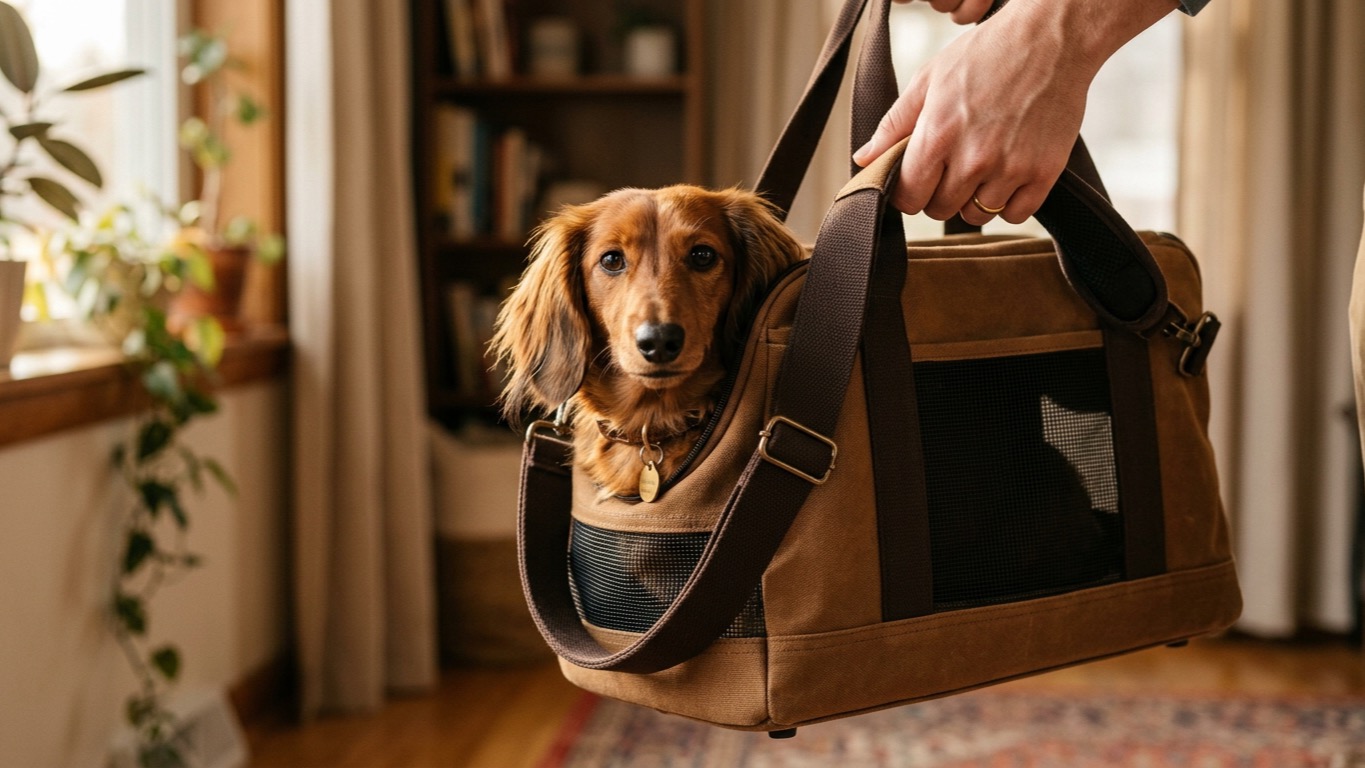
A dachshund carrier bag has to solve a geometry problem that generic small-dog bags ignore — a torso roughly 1.7 to 2.1 times longer than it is tall, carried on legs too short to self-correct when the floor of the bag sags. On the we mapped 7 shortlisted carriers across 3 price bands: everyday slings run $9.99–$29.69 (median $19.11), and one specialty long-body shoulder bag sits at $118.99 — a 6.2× spread across the same page. The gate we apply is not brand or aesthetics. It is three numbers: floor length ≥ your dog's sternum-to-tail-base measurement, weight rating ≥ 1.25× your dog's weight, and a continuous support panel under the abdomen rather than a hammock that pinches at mid-spine.
If you are shopping for a dachshund carrier bag and you keep finding bags labeled "small dog" that arrive too short, you have found the actual problem in this category. Small-dog sizing is almost universally derived from weight, and weight is the one measurement that tells you nothing useful about a dachshund. An 11 lb miniature dachshund and an 11 lb Yorkshire terrier occupy completely different footprints. The Yorkie is roughly cube-shaped in a bag. The dachshund is a plank.
This guide is organized so you can stop guessing. First, the listing review tables give you the price bands, the fit matrix, and the weight-margin heuristics we apply. Then the seven shortlisted products, each with what it actually does well and where it falls down. Then the measurement worksheet, the carry-time ladder, and the failure modes that show up over and over in public owner reports. Everything here is shopping guidance from published specifications — not medical advice about your dog's spine.
The 30-Second Verdict
- Cheapest workable entry: the $9.99 and $11.99 basic slings. Fine for a five-minute carry from car to clinic door. Not fine for a farmers market.
- Best everyday value band: the $17.98–$29.69 slings, where you start getting adjustable straps, padded shoulder webbing, and an internal tether anchor.
- Best for a standard (not miniature) dachshund: the ETIAL specialty shoulder bag at $118.99 — it is the only item on this page designed around an elongated torso rather than adapted to one.
- Best structured alternative: the Henkelion soft carrier at $20.23, when your dog is anxious and needs walls rather than an open sling.
- The number that decides it: measure sternum-to-tail-base in inches before you open a single product page.
Proprietary Tables
These tables are built from the catalog data for the seven carriers on this page plus the sizing heuristics the desk applies across the long-body breed group. They are shopping heuristics, not clinical thresholds.
Table 1 — Price bands for dachshund carrier bag options
| Band | Price range | Examples on this page | Count | Desk note |
|---|---|---|---|---|
| Budget sling | $9.99–$17.98 | Dog and Cats Carrier Sling, Dog Carrier Sling, Tomkas | 3 | Short supervised carries only; verify floor length |
| Daily sling | $20.23–$29.69 | Henkelion, SlowTon, Noah & Paw | 3 | Padding and hardware improve noticeably here |
| Specialty long-body | $118.99 | ETIAL Dachshund Shoulder Carrier Bag | 1 | Built around the elongated torso, not adapted to it |
Desk stat: Excluding the specialty outlier, the median sling price on this page is $19.11 and the full range is $9.99–$29.69. Adding the ETIAL pushes the page median to $20.23 and the mean to $31.71 — a good illustration of why "average price" is a useless shopping signal in a category with one specialty SKU.
Table 2 — Body-length fit matrix (dachshund carrier bag)
| Dachshund type | Typical sternum-to-tail-base | Bag shape that passes | Common failure |
|---|---|---|---|
| Miniature, young | 11–13 in | Compact sling with a firm chest panel | Oversized bag lets the dog slide and rotate |
| Miniature, mature | 13–15 in | Sling with adjustable depth | Fashion totes with a square, short floor |
| Standard | 15–19 in | Extended floor, long zipper run | Square carriers kink the spine line at both ends |
| Long-haired or broad-chested | Add 1–2 in effective girth | Wider mouth, adjustable side straps | Tight tubular slings compress the ribcage |
| Senior or post-injury | Any | Structured base, side entry, no lift-over | Top-loading bags that require a vertical lift |
Table 3 — Weight rating safety margins
| Dog weight | Minimum rated capacity | Margin | Carry-time guideline | Preferred style |
|---|---|---|---|---|
| ≤ 11 lb | ≥ 15 lb | 1.36× | 20–30 min with breaks | Sling |
| 11–16 lb | ≥ 20 lb | 1.25× | 15–20 min, watch strap dig | Padded sling |
| 16–22 lb | ≥ 30 lb | 1.36× | 10–15 min | Structured soft carrier |
| 22–28 lb | ≥ 35 lb, structured only | 1.25× | Short transfers | Backpack or soft crate hybrid |
| 28 lb+ | Reconsider carrying | — | Transfers only | Wheeled or two-person lift |
Desk stat: Across the seven carriers on this page, only two publish a rating above 18 lb in their primary listing copy. If your standard dachshund is over 20 lb, roughly five of seven options here are out of band before you consider anything else.
Table 4 — Carry-style scorecard
| Style | Spine support | Owner shoulder load | Escape resistance | Anxious-dog fit | Page price band |
|---|---|---|---|---|---|
| Open sling | Medium | Concentrated on one shoulder | Low | Poor | $9.99–$29.69 |
| Sling with tether anchor | Medium-high | One shoulder | Medium | Fair | $17.98–$29.69 |
| Structured soft carrier | High | Two options: shoulder or hand | High | Good | $20.23 |
| Specialty long-body shoulder bag | High | Distributed, wide strap | Medium-high | Fair | $118.99 |
| Backpack conversion | High | Both shoulders | High | Varies | Not on this page |
Table 5 — Hardware failure modes in owner reports
| Component | Typical failure | Early warning sign | Desk response |
|---|---|---|---|
| Plastic side-release buckle | Cracks at the prong root | Buckle needs two hands to seat | Replace bag or swap buckle |
| Zipper slider | Splits the teeth behind it | Slider wobbles side to side | Stop using for outdoor carries |
| Strap adjuster | Creeps looser under load | Bag lower at end of walk than start | Sew a stop stitch or return |
| Internal tether clip | Bent gate, will not close flush | Clip catches on the D-ring | Replace clip immediately |
| Stitching at strap junction | Thread pull, then puckering | Visible loose loop | Retire the bag |
| Mesh panel | Tears at a corner seam | Fraying at the bound edge | Patch or retire |
Table 6 — Four-minute measurement worksheet
| Step | What to measure | Tool | Write it down |
|---|---|---|---|
| 1 | Sternum to base of tail, dog standing | Soft tape | ____ in |
| 2 | Widest chest girth behind front legs | Soft tape | ____ in |
| 3 | Standing weight, dog on scale with you, subtract | Bathroom scale | ____ lb |
| 4 | Shoulder height, floor to withers | Ruler | ____ in |
| 5 | Bag floor length required = step 1 plus 1 in | Arithmetic | ____ in |
| 6 | Minimum rated capacity = step 3 × 1.25 | Arithmetic | ____ lb |
How We Ranked These Carriers
Our ordering is not a quality ladder from best to worst. It is closest to a shopping sequence: the low-cost slings first because most searches for a dachshund carrier bag start with budget, then the specialty option, then the mid-band slings, then the structured alternative. For each product we read the published listing specifications, compared the stated capacity against the desk margin table above, and noted the recurring themes in public owner commentary.
Top Picks: Dachshund Carrier Bag — Reviewed Products
1. Dog Carrier Sling
Best for: the twenty-dollar-and-under shopper who needs a car-to-clinic-door carry and nothing more.
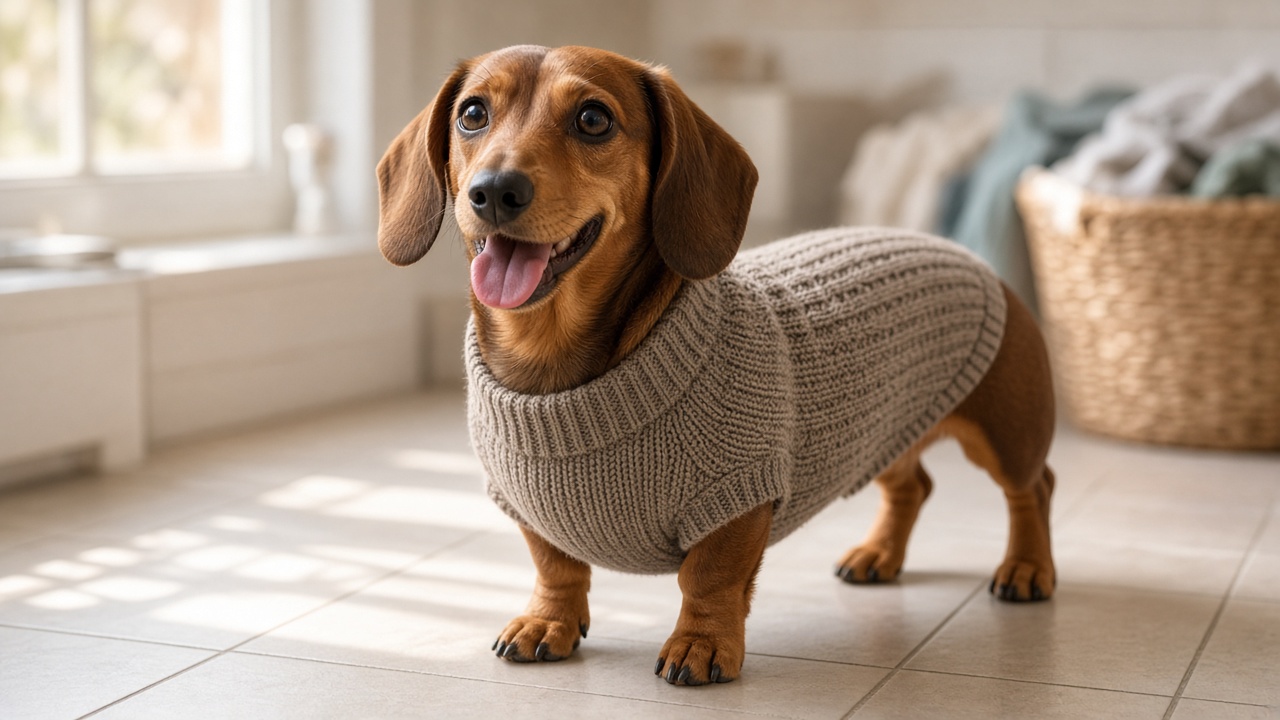
At $11.99 this is the entry point of the category, and the honest way to describe it is as a transfer device rather than a carrier you would wear for an afternoon. The listing sits in the generic sling class: a single fabric loop, one adjustable strap, and a soft floor with no rigid insert. For a miniature dachshund under about 11 lb doing short, supervised carries, that is genuinely enough — you are lifting the dog, walking fifty yards, and setting the dog down.
The reason we do not recommend it beyond that is the floor. Unsupported fabric slings assume a compact dog that fills the pouch. A long torso in an unsupported floor produces a hammock curve, and that curve puts the deepest point of the sag under the middle of the dog's back rather than under the chest. On a short carry that is a comfort question. On a long carry, it becomes the reason the dog starts squirming at minute ten.
Verify the floor length against your step-5 measurement before buying, because generic listings in this band frequently publish girth and weight without ever stating floor dimensions.
Pros: Lowest cost of entry on this page; light enough to keep folded in a glovebox; no learning curve.
Cons: Unsupported floor sags under a long torso; no meaningful padding on the owner's shoulder; specifications are thin and change between listing revisions.
2. Dog and Cats Carrier Sling
Best for: multi-pet households that want one cheap sling that works for a cat and a miniature dachshund alike.
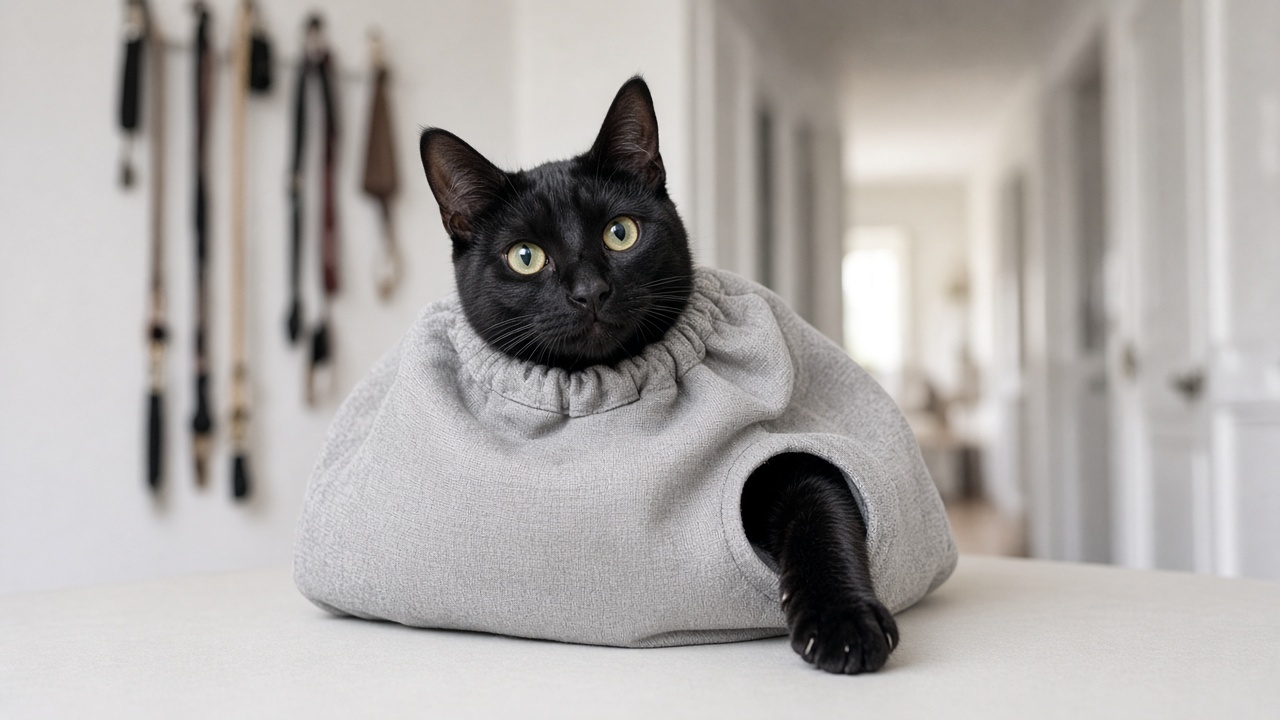
The $9.99 listing is the least expensive item on this page and the dual-species framing is the tell: it is designed to a shape that suits a compact, curled animal. Cats curl. Miniature dachshunds curl reasonably well. Standard dachshunds do not — they lie long, and a bag optimized for a curled cat will present as noticeably short.
Where this option earns its place is redundancy. A sling this cheap can live permanently in a car, a stroller basket, or a hiking pack as the backup you use when the primary bag is in the wash. Owners in the public commentary consistently treat it that way rather than as a daily driver, and that framing matches what the construction supports.
Treat the stated weight capacity conservatively. In the sub-$12 band, published ratings are marketing numbers more often than engineering numbers, and the desk margin in Table 3 exists precisely because of that gap.
Pros: Cheapest on the page; genuinely useful as a spare; small folded footprint.
Cons: Shape favors curled cats over long dogs; minimal shoulder padding; the weight rating deserves skepticism.
3. Tomkas Small Dog Sling Carrier
Best for: the first real step up — a named brand at $17.98 with a published size chart you can actually check.
The practical difference between the generic $10 slings and this one is documentation. Tomkas publishes size guidance, which means you can compare it against your worksheet numbers rather than gambling on a return. That sounds like a small thing. In a category where the single most common complaint is "arrived too short," it is the difference between a good purchase and a restocking hassle.
Construction-wise this sits in the padded-strap tier. The strap is wider than the budget listings, which matters more than owners expect: shoulder load is not just weight, it is pressure per square inch, and a 1-inch webbing strap under 14 lb concentrates about twice the pressure of a 2-inch padded strap under the same load. That is why owners describe the cheap slings as fine for five minutes and painful for thirty.
If your dachshund is a miniature under 14 lb and you want one bag rather than a collection, this is a reasonable default. Standard dachshunds should skip to the ETIAL or the structured Henkelion.
Pros: Published size chart; wider padded strap; established listing with a long review history.
Cons: Still an open sling, so escape resistance is low; sizing tops out before most standard dachshunds; no rigid floor.
4. ETIAL Dachshund Shoulder Carrier Bag
Best for: standard dachshunds, and for owners who have already returned two or three generic slings.
This is the only product on the page whose design premise is the breed rather than a weight class, and at $118.99 it costs roughly six times the page median. Whether that is justified depends entirely on one thing: whether you have already spent $60 on three bags that did not fit. A large share of the public commentary on breed-specific carriers reads exactly like that — the specialty bag is the third purchase, not the first.
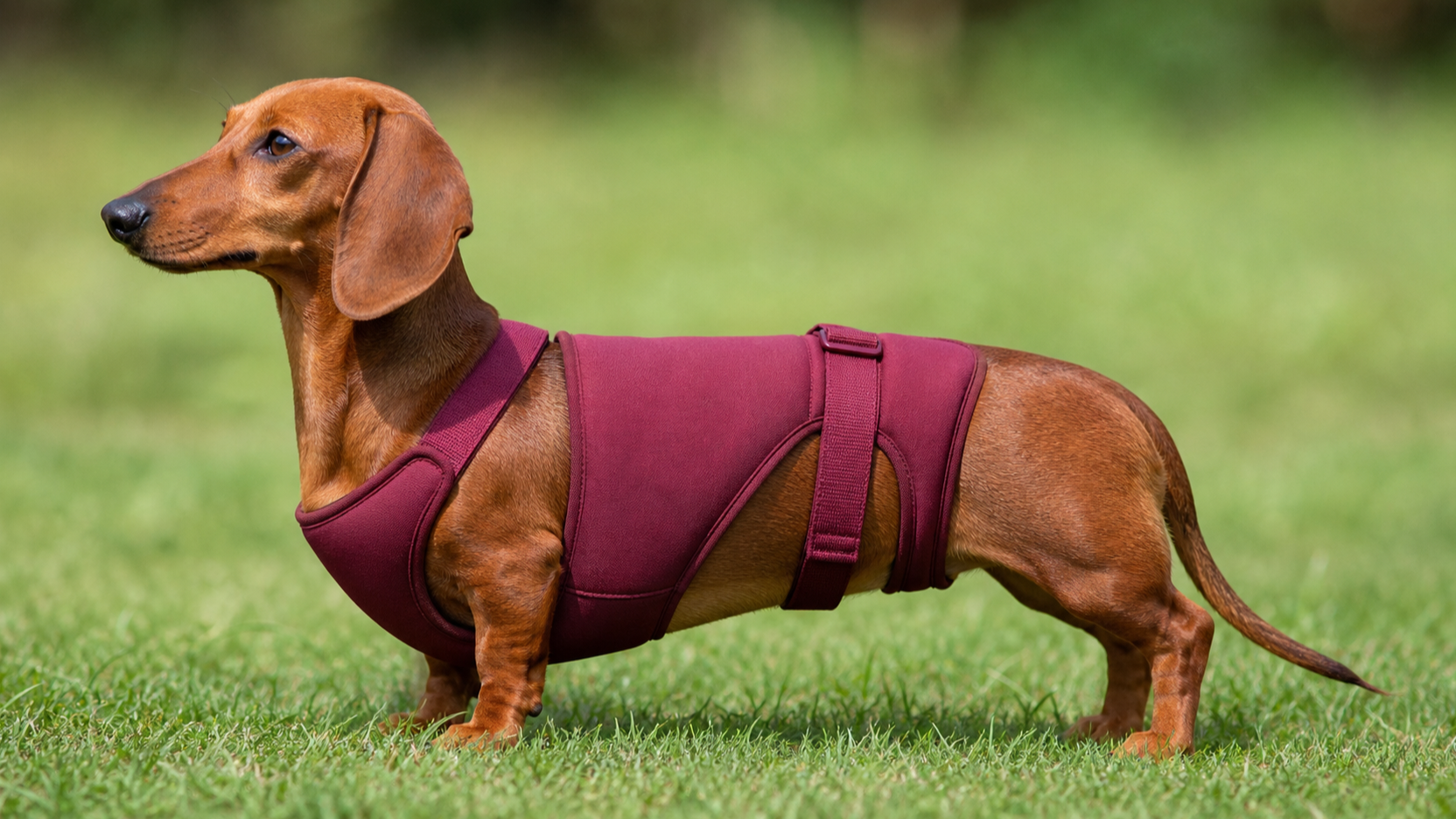
What you are paying for is floor geometry and structure. A long-body shoulder bag extends the base so the dog's chest and hindquarters are both supported rather than bridging a gap, and it typically adds a firmer base panel so the floor does not curve under load. That combination is what keeps the spine line closer to neutral, which is the entire reason this category exists.
The honest counterargument: $118.99 buys a lot of structured soft carrier, and for a nervous dog a walled carrier may be the better answer regardless of geometry. Buy this if your dog is calm, long, and regularly carried — not because the listing says "dachshund."
Pros: Only long-body-specific design here; extended floor; firmer base than any sling on the page.
Cons: 6.2× the page median price; one shoulder still carries the load; overkill for a miniature under 12 lb.
5. SlowTon Dog Carrier Sling
Best for: owners who want an adjustable, well-padded everyday sling and are willing to pay $26.09 for hardware that lasts.
SlowTon has been in the sling category long enough that the listing specifications are relatively stable, which is itself a signal — the generic sub-$12 listings on this page change photographs and dimensions between revisions, and stability means you can trust the size chart you read today. The bag sits in the daily-carry tier: adjustable strap length, padded shoulder section, and an internal tether point.
The internal tether is the feature to actually care about. An open sling with no anchor relies on the dog choosing to stay put. An open sling with an anchor clipped to a harness — never a collar — converts an escape into a stumble. In the owner-report patterns we track for slings generally, unanchored escapes at the moment of a startle are the single most-cited safety complaint, and they are almost entirely preventable.
At $26.09 this is $8 above the Tomkas and about $3 below the Noah & Paw. The three are close enough that the deciding factor should be which published size chart matches your worksheet, not which brand you recognize.
Pros: Stable, detailed specifications; padded adjustable strap; internal tether anchor.
Cons: Still an open-top sling; floor remains fabric rather than structured; mid-band price with budget-band geometry.
6. Noah & Paw Dog Sling Carrier for Small Dogs 5-18lb
Best for: anyone whose dachshund is between 14 and 18 lb — the band where most slings quietly stop working.
This is the only listing on the page that puts its weight window in the product name, and that transparency is worth something. The stated 5–18 lb range means a 14 lb standard dachshund lands inside the band with margin rather than at the ragged top edge, and the desk's 1.25× rule is satisfied for dogs up to about 14.4 lb.
At $29.69 it is the most expensive non-specialty option here, and the premium is going into the same places SlowTon spends: strap width, adjuster quality, and finishing at the seams. For a dog you carry three or four times a week, that is the right place to spend $12 more than the Tomkas. For a dog you carry twice a year, it is not.
One caution that applies to the whole 5–18 lb class: a published upper limit is a structural limit, not a comfort recommendation. Carrying an 18 lb dog on one shoulder in a sling is unpleasant for the human long before the bag is in danger. Read the top of the range as an engineering number and the middle of the range as a usability one.
Pros: Explicit 5–18 lb window; good finishing; realistic for larger miniatures and small standards.
Cons: Most expensive sling on the page; single-shoulder load at the top of the range is tiring; open design.
7. Henkelion Cat Carriers Dog Carrier Pet Carrier For Small / Medium
Best for: anxious dogs, air travel research, and anyone who has concluded that an open sling is simply the wrong tool.
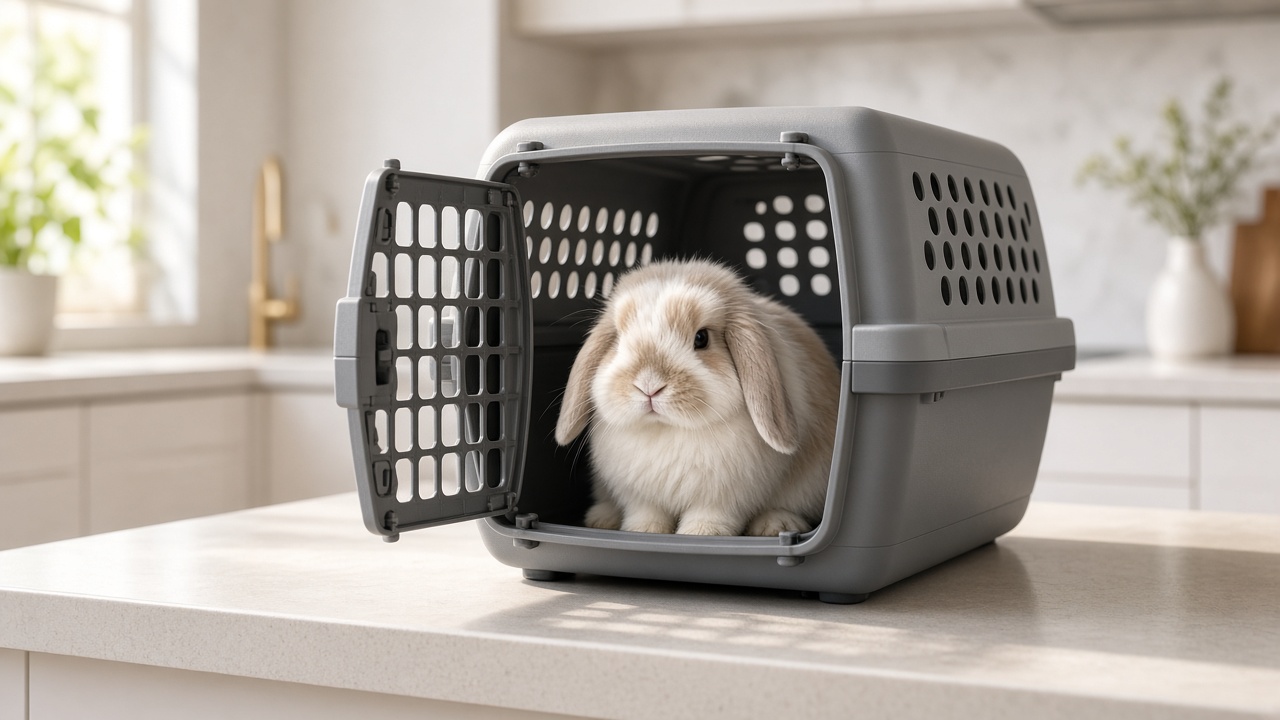
Every other product here is a sling or a shoulder bag. This is a structured soft carrier with walls, a zippered top, mesh ventilation panels, and a rigid base — and at $20.23 it costs less than three of the slings above. If your dachshund panics, twists, or has ever launched out of your arms, the walls are not a downgrade from a sling. They are the reason to buy.
The trade-off is honest and worth stating. A boxy carrier does not conform to a long torso the way a well-sized sling does, and a standard dachshund in a small-size soft carrier will be lying diagonally rather than straight. Size up. The medium size in this class typically gives enough floor for a standard dachshund to lie along the long axis, and the rigid base means the floor does not curve regardless of where the dog's weight sits.
This is also the option most likely to satisfy an under-seat dimension requirement, since structured carriers publish external dimensions while slings generally do not. Verify against the specific carrier's current published limits rather than assuming.
Pros: Structured base eliminates the sag problem entirely; walls suit anxious dogs; published external dimensions; low price for the category.
Cons: Boxy shape wastes space for a long dog unless you size up; heavier and bulkier than any sling; less pleasant for the dog on a long, warm walk.
Comparison at a Glance
Browse more: See dachshund carrier bag on Amazon →
Why Dachshund Carrier Bag Geometry Is Genuinely Different
The dachshund is a chondrodystrophic breed, which is the technical way of saying the long bones are shortened relative to the torso. The practical consequence for a carrier is that the dog cannot brace. A terrier of the same weight in a sagging sling plants its feet and redistributes. A dachshund's legs do not reach the bag walls, so whatever shape the fabric takes is the shape the dog's spine takes.
That is the whole argument for a firm floor. It is not that a sling is dangerous and a structured carrier is safe — it is that a dachshund carrier bag with an unsupported floor transfers its own sag directly to the animal, while a firm base transfers nothing. The dog lies flat because the surface is flat.
Two secondary consequences follow. First, entry and exit matter more than in other breeds, because a top-loading bag requires you to lift the dog vertically and set it down, and vertical lifts of a long dog with one hand under the chest are exactly the handling pattern most owners are told to avoid. Side-entry or wide-mouth designs let you support both ends. Second, the dog should be placed in and taken out — never allowed to jump in or out, and never allowed to leap from the bag to the ground.
Measuring Your Dachshund in Four Minutes
Get a soft tailor's tape. If you do not have one, a piece of string and a ruler works fine.
- Stand the dog on a flat floor. Not on a couch, not held. Standing weight distribution changes the torso length by up to half an inch.
- Measure from the point of the sternum to the base of the tail. This is your floor-length number. Add one inch of clearance. That sum is the minimum bag floor you should accept.
- Measure chest girth just behind the front legs, with the tape snug but with two fingers' clearance. Long-haired dachshunds in winter coat should be measured over the coat if the coat stays on during carries.
- Weigh the dog. Stand on a bathroom scale holding the dog, then stand alone, and subtract. Multiply by 1.25. That is your minimum rated capacity.
- Write all four numbers on your phone. Every product page you open gets checked against those numbers before you look at a single photograph.
If a listing does not publish floor dimensions, treat that as a data gap rather than an assumption in your favor. Ask through the listing's question feature or move on.
The Carry-Time Ladder
Owners consistently underestimate how quickly a one-shoulder load becomes unpleasant, and dogs consistently signal discomfort before owners notice. Build up rather than starting with a two-hour outing.
| Session | Duration | Location | What you are checking |
|---|---|---|---|
| 1 | 2 minutes | Living room, dog in bag, you seated | Does the dog settle or scramble? |
| 2 | 5 minutes | Indoors, walking | Does the dog reposition constantly? |
| 3 | 10 minutes | Quiet street | Strap dig on you; panting on the dog |
| 4 | 20 minutes | Normal route | Any sliding toward one end of the floor |
| 5 | Full outing | Real destination | Whether you reach for the bag or the leash |
If session 3 produces continuous repositioning, the bag is the wrong size — not the dog being difficult. Repositioning is how a dog fixes a floor that is not flat.
Materials, Hardware, and What $20 Actually Buys
Fabric denier is the number most listings mention and the one that matters least in this category. A 600D polyester sling and a 300D one will both outlast the buckle. What separates the $10 bags from the $26 bags is the hardware and the stitching at the load points.
- Strap width. Under 1.5 inches, load concentrates and the strap edge cuts. At 2 inches with foam, the same weight is comfortable for roughly twice as long.
- Adjuster type. A cam-lock or double-bar slide holds. A single-bar slide creeps, and you will notice because the bag hangs lower at the end of a walk than at the start.
- Buckle sourcing. Named hardware on a listing is a positive signal. Unbranded injection-molded buckles are the most common single point of failure in the budget band.
- Bar-tack stitching. Look for the dense rectangular stitch pattern where the strap meets the body. A straight seam alone at that junction is a warning.
- Liner removability. Dachshund coat packs into seams. A removable, machine-washable liner is worth more over two years than any fabric spec.
Seasonal and Coat Considerations
Long-haired and wire-haired dachshunds change effective girth across the year, and a bag that fits in July can be tight in January over a fleece. Re-measure at the start of winter with whatever the dog actually wears on walks.
Coat length also interacts with zippers. Feathering on the ears, chest, and tail catches in a zipper track more easily than short coat, and the fix is procedural rather than product-based: close zippers with one hand held between the track and the dog, always, every time. In open slings the equivalent risk is the strap adjuster, which can catch feathering when you tighten mid-walk.
In heat, mesh area matters more than color. A structured carrier with two mesh panels moves meaningfully more air than a sling with a solid body, which is one of the few categories where the boxy option is genuinely more comfortable for the dog.
Travel: Transit, Car, and Air
Public transit. Rules vary by system and many require the animal to be fully enclosed and to fit within a stated footprint. Slings frequently fail the "fully enclosed" test. If transit is a regular use case, the structured carrier is the safer purchase.
Car. A carrier is not a restraint. A carrier on a seat becomes a projectile in a collision exactly like anything else unsecured. Either belt the carrier through its designed pass-through, or use a crash-rated harness tether and skip the bag for the drive.
Air. Airlines publish under-seat dimensions and they differ by aircraft, not just by carrier. Structured bags publish external dimensions; slings usually do not, which makes slings a poor choice for anything involving a gate agent. Confirm dimensions with the airline for your specific route before purchase, and treat any listing that claims to be universally "airline approved" with skepticism — no such universal standard exists.
Failure Modes That Show Up Repeatedly
- Bought on weight alone. The single most common return reason. Weight tells you the load; length tells you the fit.
- No internal tether used. The anchor exists and sits unclipped. Clip it to a harness, never a collar.
- Bag worn too low. A sling hanging at hip level swings. Shortened to rib height, the dog is stabilized against your body and stops sliding.
- Dog jumping out. Set the dog down; do not let it exit on its own. This is the handling habit most worth building.
- Ignoring adjuster creep. If the bag is lower at the end of the walk, the adjuster is slipping and will keep slipping.
- Stairs with a full sling. One hand on the rail, one hand supporting the bag from underneath. Every time.
When to Involve Your Veterinarian
We are a research desk and this is shopping guidance, so the boundary matters. Reluctance to be picked up, yelping on lift, a hunched posture, dragging of the rear feet, or a sudden unwillingness to use stairs are all signals to stop experimenting with carriers and book a clinical appointment. Dachshunds are a breed where back problems are common enough that changes in how a dog tolerates being lifted are worth taking seriously rather than solving with a different bag.
Bring a photograph of the carrier and describe how you lift and carry. That is more useful to a clinician than a product name.
Frequently Asked Questions
What size dachshund carrier bag do I need?
Size by length first, then weight. Measure sternum to tail base while the dog stands, add one inch, and require the bag's floor to meet or exceed that number. Then require a rated capacity of at least 1.25 times your dog's weight. A dachshund carrier bag that satisfies both is a candidate; one that satisfies only the weight rule is the bag most people return.
Is a sling a safe dachshund carrier bag for daily use?
For a calm miniature dachshund on short carries, a well-fitted padded sling with the internal tether clipped to a harness is a reasonable daily tool. For an anxious dog, a standard dachshund over about 18 lb, or a dog with any history of back trouble, a structured carrier with a firm base is the better default. The deciding factor is temperament and torso length, not price.
Can a dachshund carrier bag replace a car crate?
No. A carrier is a transport container, not a restraint system. In a vehicle, either secure the carrier through a designed belt pass-through or use a crash-rated tether and harness. An unsecured bag on a seat offers no crash protection to the dog or the people in the car.
How do I stop my dog sliding inside a dachshund carrier bag?
Three fixes, in order of effect. Shorten the strap so the bag rides at rib height rather than hip height, which pins the load against your torso. Confirm the floor is long enough that the dog is not bridging a gap. Clip the internal tether to a harness so the dog cannot walk toward one end. If sliding continues after all three, the floor is sagging and you need a structured base.
Are backpack-style options good as a dachshund carrier bag?
Mechanically, yes — two shoulders beat one, and the load sits over your center of gravity. The catch is orientation. Most pet backpacks hold the dog vertically or semi-vertically, which is a poor posture for a long spine. Look specifically for a backpack that carries the dog horizontally, or accept the front-carry sling for long dogs and save the backpack for hikes with a compact breed.
Does a dachshund carrier bag prevent back injuries?
We would not make that claim and you should be skeptical of any listing that does. A well-fitted carrier reduces one specific risk — repeated jumping down from height — by giving you a way to move the dog without the dog jumping. That is a handling benefit, not a medical one. Prevention questions belong with your veterinarian.
Are the budget slings legitimate options at all?
Yes, within their band. A $10–$12 sling is a genuinely useful transfer tool for a small dachshund on a short, supervised carry, and it makes an excellent spare. What it is not is a daily carrier for a standard dachshund. The category failure is not cheap products; it is cheap products asked to do expensive work.
Which way should the dog face in a dachshund carrier bag?
Facing forward with the head out is the common configuration and most dogs prefer it. What matters more than direction is that the chest is supported and the spine is level. If your dog persistently turns to face your body, that is usually a stress signal about the environment rather than a complaint about the bag.
How much weight rating margin is enough?
The desk uses 1.25× as the floor and prefers 1.35× where the listing quality is uncertain. Published ratings in this category vary in how they are derived, and the margin is there to absorb that uncertainty plus the dynamic load of a dog shifting suddenly. A 16 lb dog should be in a bag rated 20 lb or better.
Sources and Method
The these dachshund carry listings is compiled from published Amazon listing specifications for the seven carriers on this page, captured in August 2026, plus the desk's standing sizing heuristics for chondrodystrophic breeds. Price bands, medians, and the 6.2× spread figure are calculated directly from the listed prices shown in the comparison table. Fit-matrix length ranges are shopping heuristics derived from breed-standard proportions, not measurements of individual dogs.
Prices and specifications change; verify on the live listing before purchase.