Quick answer: Call a clinic if meal skipping lasts more than a day, or if vomiting, diarrhea, or lethargy appears. If your dog is otherwise well, cut extras and time the regular meals. Treats are snacks, not a replacement diet.
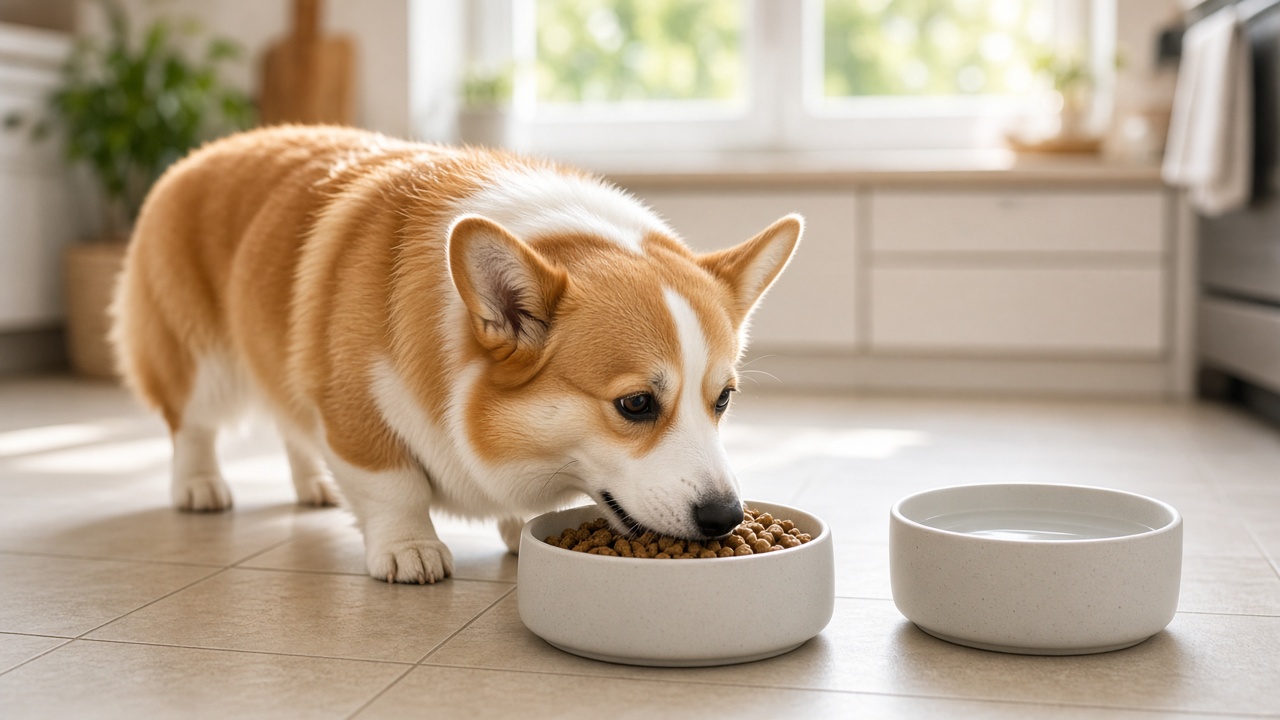
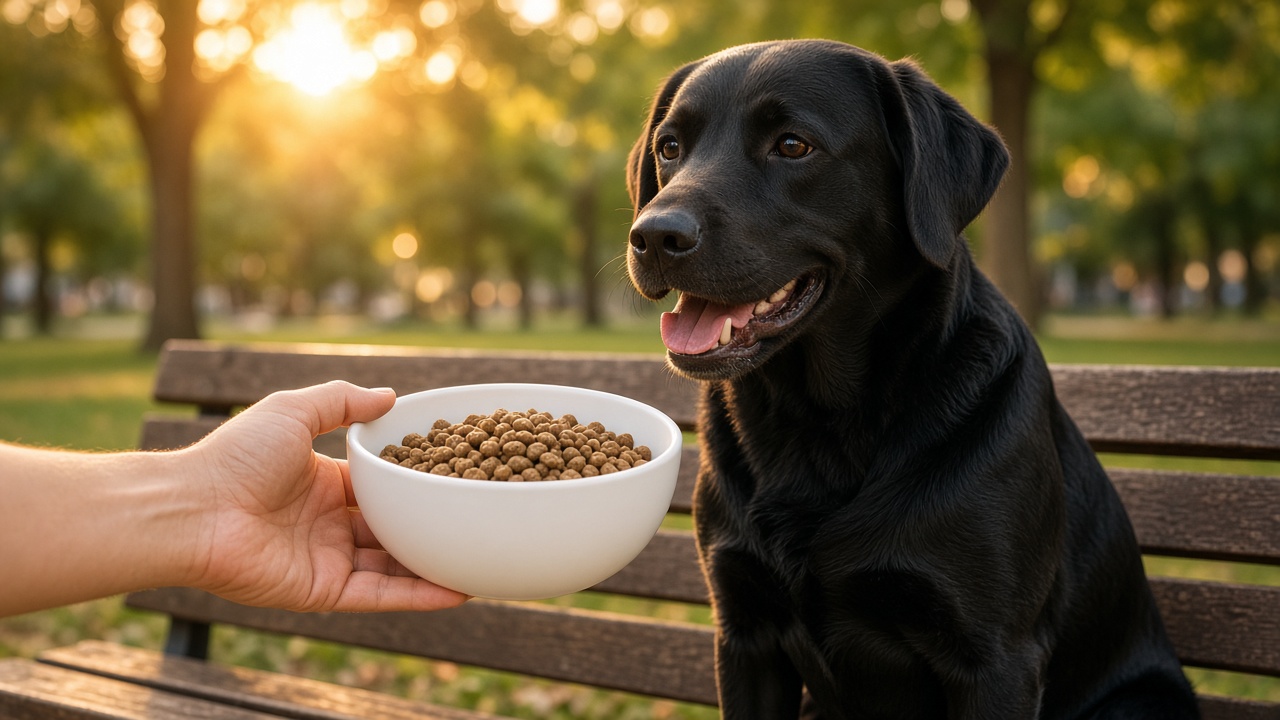
Dogs skip meals but eat treats when snack calories already fill them or chewing the bowl food hurts.
This page is a research brief that compares published calorie rules and label numbers. We did not examine any dog, run a feeding trial, or open a clinic chart.
Selection rule: we included only household patterns that produce meal refusal with treat acceptance in typical pet dogs. We left out homemade recipes, breed-by-breed calorie charts, and any ranking of treat brands.
Our research team compared published specs from AAFCO, the FDA, AAHA, Merck, and two maker pages.
Why treats stay appealing when the bowl does not
A treat is built to be a short, strong signal. The bowl food is built to be a day’s nutrition.
The FDA’s complete-and-balanced page states a clear label split. Treats, snacks, and supplements are typically not a pet’s sole diet. Those products are often not complete and balanced.
That split is the first reason this pattern exists. The snack can win on aroma and fat. It still loses on the nutrient list.
AAFCO’s calorie-content page assigns fat a modified Atwater value of 8.5. Protein and carbohydrate each get 3.5. Fat holds more than twice the energy of either one.
A small, fatty piece can fill a dog faster than a cup of kibble. The dog is not proving the bag lacks nutrition. The dog is responding to energy density.
Three other reasons the snack still disappears:
- Soft pieces need less chewing than dry kibble.
- A sore mouth can still take a soft snack.
- Strong aroma beats a stale bowl, even when the bag is complete.
Fresh meat on a label is not the same as a rendered meal. See our meat meal versus meat explainer.
None of those reasons means “keep feeding treats as dinner.” They only explain the grab.
How snack calories crowd out the bowl
The American Animal Hospital Association’s 2021 feeding-plan page sets one calorie split. Complete and balanced food should supply at least 90% of daily intake. Treats and other extras should make up 10% or less.
That is the only share rule on this page. Later sections cover texture, illness, and timing, not the same split again.
AAHA’s feeding plan counts these items as extras:
- Commercial treats and snacks
- Table food used as a reward
- Food used to hide pills
- Supplements that add calories
AAHA’s same page notes what must print calories. AAFCO requires calorie content on dog and cat food labels, including snacks and treats. That requirement does not cover chews, bones, or toys.
AAFCO’s calorie-content page walks through a worked example. A product at 3,688 kcal/kg yields 36.9 kcal in a 10-gram treat. The same math yields 442.6 kcal in a 120-gram cup.
The CESAR product page for Softies Filet Mignon Flavor states 7 calories per treat. Pouches come in 6.7-ounce and 18-ounce sizes. That page also asks you to cut the main meal, or raise exercise by 10%, at the suggested treat amount.
The maker’s page for Hill’s Prescription Diet k/d with Chicken dry food states 419 kcal per cup. The cup size is eight fluid ounces. The same page lists 3,991 kcal/kg and 3.7 ounces of kibble in that cup.
The Merck Veterinary Manual gives two resting-energy formulas. The exponential form is RER = 70 × (body weight in kg)^0.75. The linear form is RER = 30 × (body weight in kg) + 70.
Merck limits that linear line to dogs over 2 kg and under 45 kg.
Merck lists a neutered adult’s maintenance need as 1.6 × RER. A 10-kilogram dog lands near 394 kcal at rest and about 630 kcal for the day.
That snack share of 630 kcal is 63 kcal. That is about nine CESAR Softies, or fewer than two of AAFCO’s 10-gram example treats.
The Hill’s k/d cup at 419 kcal is most of that dog’s meal budget. A cup is a meal unit, not a nibble.
| Item | Published energy | Who published it |
|---|---|---|
| CESAR Softies, one piece | 7 kcal | CESAR product page |
| AAFCO 10-gram treat example | 36.9 kcal | AAFCO calorie-content page |
| Hill’s Prescription Diet k/d dry | 419 kcal per 8-oz cup | Hill’s product page |
Use the number on the bag in your kitchen if it differs.
Merck also warns that two dogs of the same weight can differ. One may need as much as 30% more or less than the calculated figure.
If extras already cover a large share of calories, skipped meals are the expected next step. The dog is full.
Mouth pain is not picky eating
A dog that still takes a soft treat is not automatically well. That dog may be choosing the texture that hurts less.
Watch the bowl for these signs:
- Dropped kibble
- Chewing on one side
- Pawing at the mouth
- Bad breath
- Drooling that is new
Those signs belong in a clinic visit, not in a new bag of biscuits.
Do not grind a week of skipped meals into a flavor experiment if the mouth looks sore. Flavor will not fix a broken tooth.
Soft food is a short bridge, not a diagnosis. Keep the same complete diet if you only change texture.
The FDA’s complete-and-balanced page says canned pet food is typically 75 to 78 percent moisture. Dry food is typically 10 to 12 percent moisture.
Wet food is easier to chew. It is still a meal, not a snack.
Nausea, illness, and prescription diets
A nauseated dog may still take a strong-smelling snack. The bowl food can smell like the last bad meal.
Kidney disease is one medical path that dulls appetite. Hill’s page for Prescription Diet k/d with Chicken dry food states 15.6% protein on a dry-matter basis. It also lists 21.1% fat and 0.29% phosphorus.
AAFCO’s calorie-content page sets the adult-maintenance protein floor at 18.0% on a dry-matter basis. Growth and reproduction sit at 22.0%. A therapeutic kidney diet can sit under that adult floor on purpose.
The Merck Veterinary Manual, citing AAFCO guidelines, also lists 45 grams of protein per 1,000 kcal of metabolizable energy for adult dogs. That is a complete-diet check. It is not a treat target.
Do not chase a meaty snack to add protein if a clinic already set a restricted plan. Our high-protein dog food note covers when extra protein is the point.
Hill’s k/d page also lists bag sizes of 8.5, 17.6, and 27.5 pounds. Our k/d buying guide maps where those bags are sold.
Hill’s same page uses a 7-day mix-in when you change foods. AAHA’s feeding-plan page uses a 4- to 7-day window for the same reason. A sudden swap can add stomach upset to a dog that already skips meals.
The FDA notes that AAFCO first published Dog Food Nutrient Profiles in 1991. The FDA’s same page says the latest update it cites is 2016.
A dog that used to finish the bowl and now needs toppers may be ill. Picky is a habit. A new refusal is a change.
Reset mealtime without making treats dinner
Once a clinic has ruled out an urgent problem, change the schedule, not the snack brand.
Use this order:
- Put all extras in one jar for the day, including training bits and table scraps.
- Offer the complete meal for 15 to 20 minutes, then pick the bowl up.
- Repeat at the next meal. Do not add a third “make-up” feeding.
- Keep water down all day. Food comes at meal time only.
- Use pieces of the day’s kibble as rewards if you still need a marker.
AAHA’s feeding-plan page flags free-choice feeding as a management problem. It also flags food competition in multi-dog homes. One dog can fill up at the other bowl and still take your treats.
Do not turn the bowl into a buffet of leftovers. That trains the wait.
If you change the complete food, use the 4- to 7-day mix-in. Stay on one complete recipe while you reset timing.
Weigh the dog every two weeks during a reset. A falling number is not a willpower issue. It is a reason to go back to the clinic.
When to call a clinic the same day
Treat acceptance does not clear a dog for another night of skipped meals.
Call the same day if you see any of these:
- No meal for more than 24 hours
- Vomiting, diarrhea, or a swollen belly
- Collapse, weakness, or a dog that will not rise
- A puppy, toy breed, or senior that misses one meal
- Refusal of water as well as food
- Known toxin exposure, including xylitol, grapes, or chocolate
- Blood in vomit or stool
- A dog already on a prescription diet that suddenly stops eating
The FDA’s complete-and-balanced page says too many table scraps can unbalance the diet. AAHA’s feeding-plan page points owners to the FDA recall search when a brand is in doubt.
Do not wait for a dog to “get hungry enough” if those signs are present. Hunger is not the test.
FAQ
Why will my dog eat treats but not his food?
Snacks are denser, softer, and stronger smelling than most complete bowls. AAFCO’s example 10-gram treat at 36.9 kcal can outcompete a pile of kibble on reward value. The dog may also be full from extras, or avoiding a chew that hurts. Treats still do not replace a complete diet.
How long can a dog skip meals before I should call a clinic?
Call if an adult misses meals for more than a day. Call sooner for a puppy, a toy breed, or a senior. Call the same day if vomiting, diarrhea, lethargy, or water refusal appears. Treat intake does not reset that clock.
Can I mix treats into the bowl to get him to eat?
A short mix can restart a healthy dog that is holding out. It fails if the mouth hurts or the dog is nauseated. It also trains the dog to wait for the mix. If you use it, count those pieces inside the day’s extras, then fade them.
Does a diet change fix this, or should I wait?
Wait on a brand swap if the refusal is new or the dog looks ill. See a clinic first. If the dog is otherwise well, AAHA’s feeding-plan page uses a 4- to 7-day mix-in. Hill’s k/d page uses 7 days for the same kind of change.
Are soft treats safer for a dog that will not chew kibble?
Softer pieces are easier to chew. They do not diagnose the mouth. CESAR Softies list 7 kcal each, so the count still adds up. A dog that drops kibble and takes only soft snacks needs a mouth check, not a larger pouch.
Should I switch to a higher-protein food if he only wants meaty snacks?
Not as a first move. AAFCO’s adult protein floor is 18.0% on a dry-matter basis. A meaty treat can still win on fat and aroma. If a clinic has not restricted protein, our high-protein guide covers when a richer bowl is the goal.
What if my dog is on a prescription kidney diet and still refuses the bowl?
Stay on the prescribed recipe unless the clinic changes it. Hill’s k/d dry page lists 419 kcal per cup and 15.6% dry-matter protein. That is a medical formula, not a snack. Ask the clinic about a wet form of the same diet before you add grocery treats.