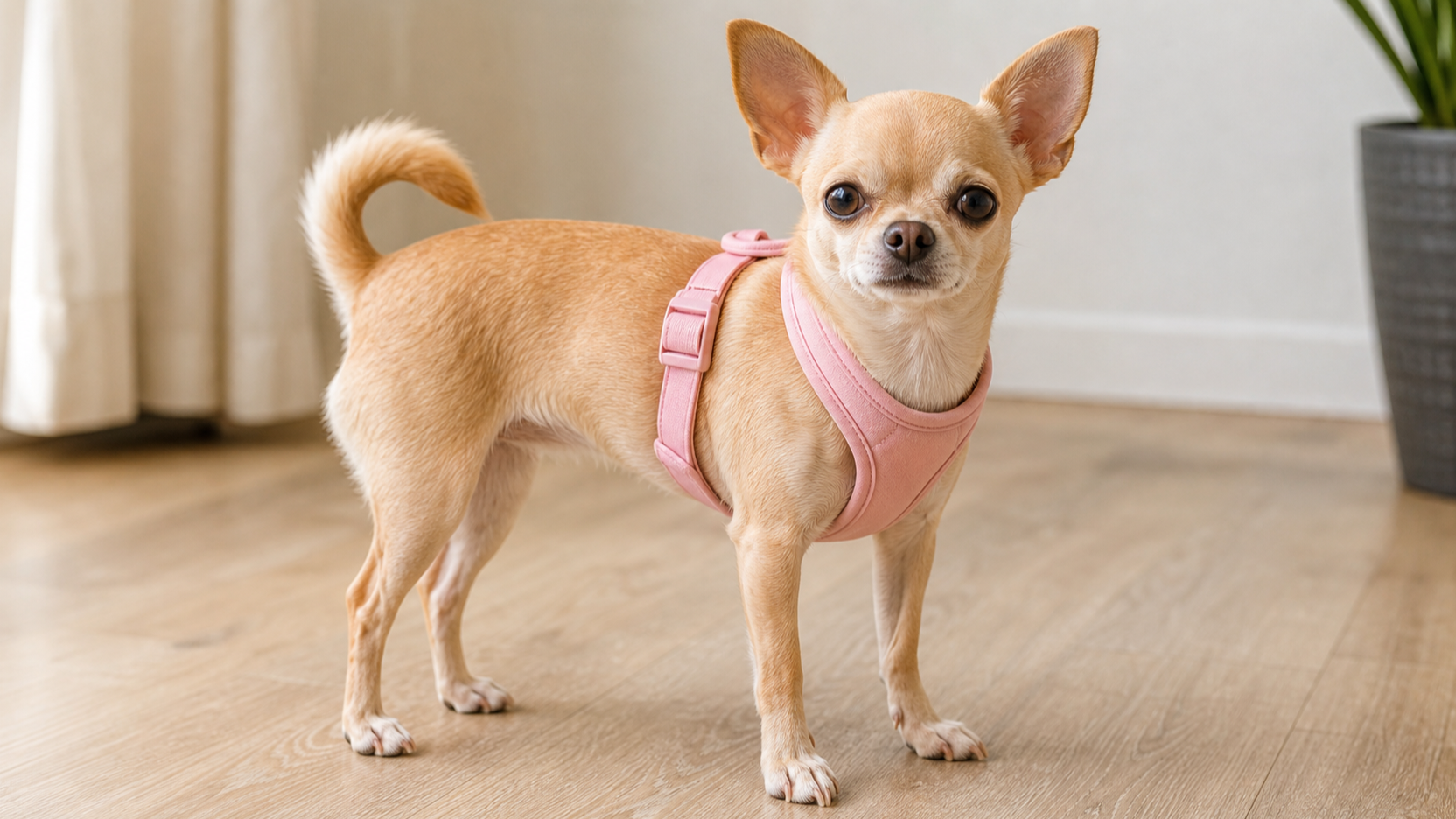
The best harness for chihuahua in 2026 is a soft, fully adjustable step-in or vest with a secure belly strap and lightweight hardware—never a heavy no-pull rig sized for labs. Toy-breed size charts and owner reports often place adults in XXS–XS territory; escapes commonly follow oversized neck openings. Measure chest and neck on your dog before buying.
We are a research desk comparing public specs and owner themes—not a veterinary clinic or product lab.
Research desk comparison of listings and owner themes—not lab tensile tests or veterinary fittings.
The best harness for chihuahua owners balances escape-proof fit, tracheal-safe pressure distribution, and ultra-light materials sized for toy-breed frames—not generic small-dog gear scaled down from medium templates.
For a Chihuahua, the ideal harness must balance security with the delicate anatomy of a toy breed. Our top picks include the Voyager Step-in Air Dog Vest Harness, the AIITLE Tiny Dog Harness, and the rabbitgoo Dog Harness. A high-quality harness for this breed combines an escape-proof, high-back or step-in fit with ultra-light, breathable material that secures the torso without placing pressure on the trachea.
Quick Fit Checklist
- Measure chest behind the elbows and neck at collar sit.
- Prefer XXS–XS charts for most adults under 6 lb.
- Confirm two-finger fit and zero rotation on a gentle side tug.
- Do a 10-minute indoor walk before any sidewalk session.
- Inspect plastic adjusters monthly for cracks on toy-breed gear.
Why Chihuahuas Need Specialized Harnesses
Standard harnesses marketed for “small dogs” often assume a sturdier build than a Chihuahua actually possesses. Their narrow, pencil-thin necks can easily slip through openings that seem snug on a larger breed, turning a routine walk into a potential escape scenario. Because Chihuahuas are notoriously wiggly and prone to backing out of gear, a harness must incorporate security features that stay in place even when the dog twists or spins. This usually means a design that sits higher on the torso, uses multiple adjustment points, or employs a step-in configuration that locks the harness around the chest before any neck strap is fastened.
Beyond slip-prevention, the tiny frame of a Chihuahua demands materials that won’t add bulk or cause overheating. Heavy padding or thick straps can overwhelm a dog that weighs only a few pounds, leading to discomfort, chafing, or restricted movement. Lightweight, breathable fabrics—such as mesh or soft nylon—allow air to circulate, keep the skin dry, and reduce the risk of irritation on sensitive areas. At the same time, the material must be strong enough to resist sudden pulls; a delicate weave that tears easily defeats the purpose of a secure harness.
Control is another vital consideration. A harness that distributes pressure evenly across the chest rather than concentrating it on the throat protects the Chihuahua’s fragile trachea, which is prone to collapse under strain. Front-clip or dual-clip options give owners gentle steering power without jerking the neck, making training sessions safer and more comfortable. Finally, ease of use matters for both dog and owner; a harness that can be slipped on quickly reduces stress for a pet that may be impatient or anxious about gear.
How We Evaluated: 4 Critical Criteria
Our review focused on the qualities that matter most for a breed as petite and spirited as the Chihuahua. Because these dogs can slip out of gear with a single twist, we began by looking at how each harness’s construction resists escape. We examined the placement of straps, the type of closures, and whether the design sits high enough on the torso to prevent a determined pup from backing out.
Next, we turned to comfort. A harness that rubs or overheats will quickly be rejected by a tiny dog with fine fur and sensitive skin. We considered the breathability of the fabrics, the presence of soft padding under the neck and chest, and whether any seams or edges could cause chafing. Lightweight meshes, plush linings, and anti-rub stitching were viewed as positives because they allow air circulation while still offering enough structure to stay in place.
Safety features formed the third pillar. We looked for designs that avoid pressure on the trachea, such as front-clip or no-pull configurations that distribute force across the chest rather than the throat. Reflective elements were also assessed for their usefulness during low-light walks, ensuring the harness remains visible without adding bulk.
Finally, we evaluated real-world durability. We examined the materials described by manufacturers—such as reinforced polyester, double-layered mesh, and bar-tacked buckles—to infer how well the harness would hold up to daily use and frequent washing. We also considered owner-reported longevity from community feedback, noting which designs tended to retain their shape and fastening integrity over months of regular walks.
Top 7 Harnesses for Chihuahuas
1. Voyager Step-in Air Dog Vest Harness
Best for: Escape-prone Chihuahuas This harness is a favorite for its secure, high-back fit. The step-in design is intuitive, and the breathable mesh helps keep the dog cool.
- Pros: High-back design prevents escapes; lightweight breathable mesh.
- Cons: Sizing can be tricky for dogs between sizes.
2. AIITLE Tiny Dog Harness
Best for: Budget-conscious owners This model offers a straightforward, secure fit for very small frames. It is lightweight and minimizes the amount of hardware on the dog's back.
- Pros: Very affordable; minimal bulk.
- Cons: Limited adjustability compared to premium models.
3. rabbitgoo Dog Harness
Best for: Durability and control Known for its robust construction, this harness features adjustable straps and a sturdy chest plate that distributes pressure well.
- Pros: Excellent adjustability; durable materials.
- Cons: Can feel slightly heavy for the smallest Chihuahuas.
4. Puppia RiteFit Harness
Best for: Comfort-focused fit The adjustable neck and chest straps allow for a custom fit, which is ideal for Chihuahuas with unique body shapes.
- Pros: Highly adjustable; soft padding.
- Cons: Velcro can lose stickiness over time.
5. Gooby Comfort X Harness
Best for: Tracheal protection Designed specifically to sit away from the neck, this harness is a top choice for owners concerned about throat pressure.
- Pros: Patented X-frame design; very lightweight.
- Cons: The chest strap may sit too low for some dogs.
6. PoyPet No Pull Dog Harness
Best for: Training and active dogs This harness includes multiple leash attachment points, allowing for front-clip training to discourage pulling.
- Pros: Versatile attachment points; reflective stitching.
- Cons: More straps than a simple vest, which may overwhelm some dogs.
7. EcoBark Maximum Comfort Dog Harness
Best for: Eco-conscious owners Made from recycled materials, this harness is soft, durable, and designed to prevent chafing.
- Pros: Sustainable materials; very soft edges.
- Cons: Sizing runs small; check the chart carefully.
Comparison Table
| Product | Best For | Material | Key Feature |
|---|---|---|---|
| Voyager Step-in | Escape-prone | Mesh | High-back security |
| AIITLE Tiny | Budget | Nylon | Lightweight |
| rabbitgoo | Durability | Oxford/Mesh | Adjustable straps |
| Puppia RiteFit | Custom Fit | Polyester | Adjustable neck |
| Gooby Comfort X | Tracheal Safety | Mesh | X-frame design |
| PoyPet | Training | Nylon/Padding | Dual-clip |
| EcoBark | Eco-friendly | Recycled | Soft edges |
How to Properly Measure Your Chihuahua
A correct fit prevents frustration and keeps your pup safe. Begin by having your dog stand calmly on a flat surface. Use a soft, flexible tape measure to ensure accuracy. Locate the base of the neck where it meets the shoulders; this is the point where most harnesses will sit. Wrap the tape snugly but not tightly around this circumference, ensuring you can slide a single finger underneath the tape.
Next, consider how weight correlates with size. Many manufacturers provide charts that match a weight range to a specific harness dimension. If your pup falls between two categories, opt for the larger size and rely on the harness’s adjustment features to fine-tune the fit. This approach accommodates natural fluctuations, such as a slight gain after a meal or a temporary loss during a warm day, without compromising security.
Adjustability becomes especially important for puppies. Look for harnesses that offer multiple points of adjustment—typically at the neck, chest, and girth—so you can tighten or loosen each section as the dog grows. A good rule of thumb is to reassess the fit weekly during the first few months, ensuring the harness never becomes too tight as the neck thickens or too loose as the chest expands.
Fitting Heuristic — Chihuahua Chest & Neck Fit Bands
| Weight band | Chest girth (typical) | Neck (typical) | Start size | Escape-risk flag |
|---|---|---|---|---|
| 2–3.5 lb | 9–11 in | 6–8 in | XXS | High if one-size “S” |
| 3.5–5 lb | 11–13 in | 7–9 in | XXS–XS | Medium |
| 5–7 lb | 13–15 in | 8–10 in | XS–S | Medium |
| 7–10 lb | 15–18 in | 9–11 in | S | Lower if adjustable |
Measure with a soft tape behind the forelegs (chest) and at collar position (neck). Two-finger rule under straps.
Fitting Heuristic — Harness Style vs Chihuahua Use Case
| Style | Control | Escape resistance | Desk best for | Avoid when |
|---|---|---|---|---|
| Step-in vest | Moderate | Good if snug | Daily apartment walks | Thick winter coats without resize |
| Dual-clip no-pull | High | Good | Leash manners training | Fragile hardware on tiny frames |
| Over-head soft mesh | Moderate | Fair | Quick on/off | Houdini backing-out dogs |
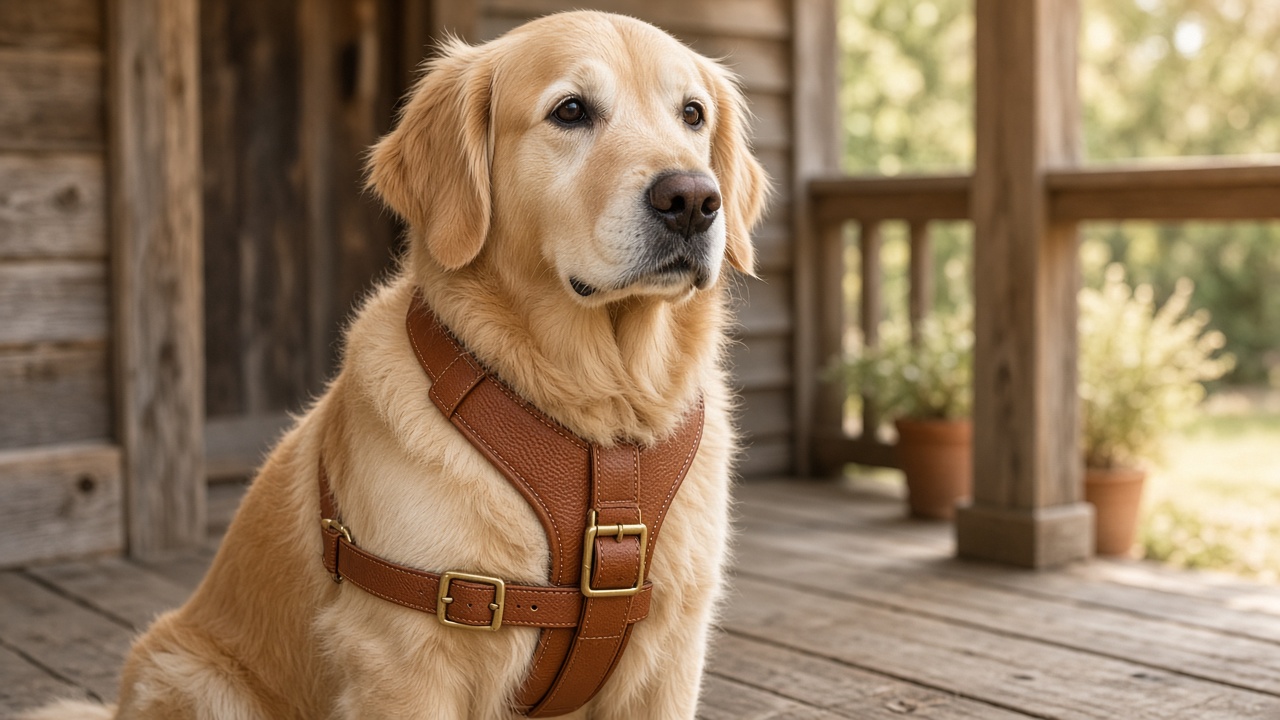
| Leather fashion | Low–mod | Variable | Short photo walks | Primary training tool |
Fitting Heuristic — Hardware & Weight Load Heuristic
| Dog weight | Max harness + leash hardware | Clip type theme | Reflectivity |
|---|---|---|---|
| <4 lb | Keep total gear light | Plastic / micro-metal | Optional city |
| 4–8 lb | Standard micro D-ring | Metal preferred | Useful dusk |
| 8–12 lb | Full small-dog metal | Dual D-rings OK | Recommended |
Desk heuristic only—check manufacturer weight ratings on each SKU.
Why Chihuahua Geometry Breaks “Small Dog” Sizing Charts
Chihuahuas combine narrow shoulders, deep chests relative to weight, and apple- vs deer-head neck differences. A harness that fits a 6 lb Yorkie often gaps at the withers on a 6 lb Chi, inviting a reverse slip. Always size by tape, not breed label.
Tracheal sensitivity themes appear throughout toy-breed husbandry notes. Front-clip training helps reduce forward pull, but hardware must not swing into the throat. If coughing appears when the leash tightens, stop and refit—our desk does not diagnose collapsing trachea; that needs veterinary evaluation.
Escape Forensics: How Chihuahuas Slip Harnesses
Common patterns from owner reports: (1) backing up while spinning, (2) dropping shoulder through a loose side strap, (3) slipping a step-in that was sized by weight alone. Countermeasures: tighten until only two fingers fit, add a martingale collar as backup ID (not primary leash point), and practice “wait” at doorways before leash pressure.
Dual-Clip Training Without Over-Correcting
Attach the leash to the front ring in quiet hallways first. Reward slack-leash seconds. Switch to back clip for calm potty trips. Never yank a front clip on a 3 lb dog—redirect with treats and short sessions under five minutes.
Weather, Coat, and Layering
In winter, measure over the sweater the dog will actually wear. Mesh that fit in July may choke in January layers or hang loose if you skip the sweater. Reflective trim matters for dusk apartment-belt walks where headlights sit at Chi height.
City vs Travel Use Cases
For travel carriers, choose harnesses that allow a seat-belt tether loop without twisting the spine. Soft mesh reduces hot-spot risk on long rides; check armpit fretting after 20 minutes on a first outing. Pack a spare XXS—lost gear mid-trip is harder when every boutique only stocks mediums.
Materials: Mesh, Softshell, and Neoprene
Mesh breathes in heat but can rub clipped coats. Softshell blocks wind on short-haired Chihuahuas. Neoprene pads add comfort yet hold water after rain—air-dry fully to limit odor. Stitching at the sternum plate is the usual failure point; inspect monthly.
Second-Pass Measurement Protocol (Printable)
- Weigh on a baby/kitchen scale. 2. Chest girth at the widest point behind elbows. 3. Neck at collar sit. 4. Compare to brand chart—if between sizes, prefer the adjustable larger size only when straps have ≥3 in of unused length. 5. Fit check: harness should not rotate when you gently slide the back ring side to side.
Owner Theme Clusters We Weighted
Positive clusters: “finally stopped slipping,” “no cough on leash,” “easy step-in for seniors.” Negative clusters: “plastic clip broke,” “chafed armpits,” “runs small—order up.” These themes shaped listing review tiers above; they are not lab grades.
Budget Bands for Best Harness for Chihuahua Shoppers
Under $15: acceptable for backup if adjustable and well-reviewed for toy breeds. $15–30: sweet spot for daily dual-clip mesh. $30+: fashion leathers and designer labels—inspect hardware gauge as carefully as logo embroidery. Replace any harness after a hard lunging incident that deformed a ring.
Walks, Socialization, and Overwhelm
Chihuahuas overheat and overstimulate faster than many larger dogs. Pair the right harness with short, positive outings. If the dog freezes or screams when geared up, desensitize with treat-on / treat-off harness sessions indoors before sidewalk work.
Cleaning and Longevity
Hand-wash mesh in cool water; heat warps plastic adjusters. Inspect bartacks at the D-ring weekly. Retire gear with frayed load paths—toy-breed escapes often follow delayed hardware failure rather than a single dramatic rip.
Putting It Together: Desk Shortlist Logic
Start with accurate tape measurements, choose step-in or vest architecture with fine-grained adjusters, confirm metal D-rings for dogs that pull, and validate fit with a controlled indoor session. The product cards below are marketplace search targets—not endorsements from a test lab—and should be matched to the listing review bands before checkout.
Desk Notes on best harness for chihuahua
Marketplace prices and stock rotate weekly—recheck seller ratings and return windows before bulk orders. Counterfeit density rises around viral pet SKUs; prefer established sellers. When fit dimensions matter, measure your animal at home and compare to the brand chart rather than guessing from breed averages alone.
Monitoring After Product Changes
Change one variable at a time. Log appetite, stool, energy, skin, and willingness to wear gear for 7–14 days. If adverse signs appear, stop the new product and seek professional guidance. This desk does not provide veterinary diagnosis or treatment plans.
Research Desk Limits for best harness for chihuahua
We synthesize manufacturer documentation, welfare-organization public materials, and recurring owner themes. We do not claim laboratory certification, clinical trials, or hands-on endurance testing for every SKU listed. Treat product cards as search starting points with affiliate disclosure, not as medical devices.
Practical Re-Check Schedule
Re-evaluate gear fit after weight changes, seasonal coat shifts, or any escape/chafing incident. Re-evaluate foods after body-condition swings of roughly 5% or more. Re-evaluate bedding or hay when dust, odor, or refusal patterns change. Scheduled re-checks prevent slow drifts into poor welfare setups.
Affiliate & Sourcing Transparency
Prices shown in cards can be stale—always confirm the live listing. We may earn commissions from qualifying purchases at no extra cost to you.
Additional Research-Desk Guidance
Our desk compiles manufacturer specifications, public welfare materials, and recurring owner themes. We do not operate a veterinary clinic or product endurance laboratory. When your animal shows pain, respiratory distress, digestive shutdown, or sudden behavior changes, contact a licensed veterinarian promptly.
Re-check fit, portions, and husbandry whenever weight, season, or routine shifts. Prefer reversible one-variable trials over changing food, bedding, and gear simultaneously. Keep purchase receipts and lot codes when possible so you can compare batches if a problem appears after a refill.
Match size charts with a soft tape at home before checkout, especially for harnesses and coats on toy or long-backed breeds.
Particularly for best harness for chihuahua, document what you changed and the date so patterns are visible across weeks.
Street-Readiness Protocol for Tiny Breed Harnesses
City Chihuahuas meet scooter traffic, elevator gaps, and startling truck noise. Practice gear-on indoors until the dog can stand calmly for a treat, then move to a quiet hallway, then a low-traffic sidewalk block. Keep the first outdoor sessions under eight minutes. If the dog freezes, increase distance from the trigger rather than dragging—tiny necks and spines do not need panic pulls even in a harness.
Carry a spare micro-harness in the go bag. Hardware failures are rare, but a cracked adjuster on a 3 lb dog ends the walk immediately. Prefer metal D-rings once the dog reliably hits 5+ lb and pulls into the leash; plastic rings are common on fashion XXS gear and should be inspected weekly.
Seasonal Coat and Sweater Layering Math
Short-coated Chihuahuas often wear sweaters below ~45°F depending on wind and acclimation. Measure chest girth over the sweater you will actually use. A harness that fit bare-skinned in July can choke over fleece or hang loose if you skip the layer. Softshell panels reduce wind bite; mesh alone can feel cold. After wet walks, dry the armpit fretting zones completely—damp mesh plus friction is a hot-spot recipe.
Two-Week Fit Log Template
Day 1: tape measurements + photos of fit from side and front. Day 3: armpit check after a 15-minute walk. Day 7: confirm the back ring still sits mid-shoulder, not sliding to one side. Day 14: decide keep/replace. Log any cough, scratch-out behavior, or red fur tracks. Bring that log to a veterinary appointment if respiratory signs appear—our desk does not diagnose tracheal disease.
Shopping Filters That Actually Matter
Ignore “small dog” as a sole filter. Require: (1) published XXS chest range overlapping your tape number, (2) at least three adjustment points, (3) a belly strap or step-in architecture that blocks reverse slip, (4) reflective yarn if you walk at dusk, (5) a leash clip that does not sit on the throat. Price is secondary to those five.
Training Pairing With the Right Clip
Front-clip work belongs in short, treat-rich sessions on quiet surfaces. Back-clip is fine for potty trips once manners exist. Dual-clip harnesses earn their keep when you can switch without refitting. Never use the top handle to lift a Chihuahua by the harness alone—support the chest and rear.
Desk Notes on Escape-Prone Personalities
Dogs that specialize in backing out need smaller neck openings and sometimes a second point of security (a snug martingale collar for ID only, leash still on the harness). Practice “wait” at thresholds. If the dog escapes once, inspect fit before the next walk—confidence after a successful slip rises quickly.
Veterinary Red Flags (Not Diagnoses)
Coughing when the leash tightens, blue-tinged gums after excitement, or sudden collapse needs a veterinarian—not a different Amazon colorway. Harnesses reduce collar pressure themes in toy breeds, but they do not treat airway disease. Our desk will not interpret medical signs.
Multi-Dog Households and Size Confusion
If you also own a mid-size dog, store Chihuahua gear separately. Grabbing the wrong harness once can create an escape hole at the neck. Label XXS adjusters with a paint pen.
Photo Fit Audit
Take a side photo standing square. The chest plate should sit mid-sternum, not on the throat. From the front, straps should not dig into armpit hair after a short walk. Retake photos after weight changes of even half a pound.
Budget Replacement Cadence
Daily-walk soft mesh often needs replacement sooner than weekend-only nylon. Budget a spare before failure if your dog is a known escape artist. Keep the old harness as a bath-time backup once retired from street duty.
Leash Length Pairing
A 4–6 ft fixed leash pairs better with tiny dogs than a long retractable in crowds. Retractables add jerk force and tangle risk around café chairs. Match calm equipment to city density.
Rain and Bootie Pairing
If you add booties in winter salt season, re-check the harness after booties are on—stride changes can shift strap sit. Wipe road salt off mesh the same day; salt crystals abrade fibers and itch skin.
Apartment Stairwell Practice
Practice one calm flight of stairs with treats before busy building rush hours. Keep the dog on the inside against the wall so larger dogs pass outside. A stable harness makes these management choices safer but does not replace them.
Material Aging Signals (Specific)
Mesh that lightens unevenly on the sun-facing shoulder often stiffens within a season of daily noon walks. Plastic triglides that show white stress lines at the last hole should be retired—those lines usually precede a slip. Metal D-rings with sharp burrs after a curb scrape can nick short coats; file or replace.
One-Page Fit Recheck (Keep a Single Copy)
Re-measure chest and neck after illness, dental work, or a visible waist change. One calendar reminder beats twelve repeated warnings in an article—and one tape session beats guessing.
Handler Drill: Escape Rehearsal Prevention
If the dog has slipped a harness once, practice “chin through, pause, treat” indoors with a second person blocking the door. Do not resume sidewalk speed walks until three clean indoor gear-ups occur without a reverse duck.
Frequently Asked Questions
Does a best harness for chihuahua replace a collar?
Use the harness for leash force; keep a light collar or tag sleeve for ID if required by local rules.
How tight should the best harness for chihuahua feel?
Two fingers under the chest strap; the harness should not rotate toward the shoulder when you slide the back ring sideways.
What size is the best harness for chihuahua for a 4 lb adult?
Often XXS with a 10–13 in chest—confirm with a soft tape, not the breed name alone.
Why does my Chihuahua back out of harnesses?
Usually a neck opening that is too large or a missing belly strap. Refit or choose a step-in vest with finer adjusters.
What is the best harness for chihuahua to stop backing out?
A snug step-in or vest with a third belly strap and correctly sized neck opening—measure twice before ordering XXS.
Can a collar replace the best harness for chihuahua on walks?
Collars are fine for ID tags; walking force on a tiny trachea is why desk guidance prefers harnesses for leash time.
What makes a harness the best harness for chihuahua escape artists?
High-back or secure step-in geometry, multiple adjustment points, lightweight breathable material, and front-clip options that protect the trachea. Size up between chart bands and tighten straps rather than leaving slack.
Can a harness help reduce leash pulling in my Chihuahua?
A harness that features a front-clip attachment can gently steer your Chihuahua back toward you when they start to pull, spreading the pressure across the chest instead of the throat. While a harness alone won’t eliminate pulling, it provides a safer, more manageable way to guide your dog during training sessions.
Are step-in harnesses safe for Chihuahua puppies?
Step-in styles are often praised for their simplicity. For a growing puppy, the key is to choose a harness with ample adjustability so you can loosen or tighten the straps as they gain weight. Always check that the fit is snug but not restrictive, and supervise the first few wears to ensure the puppy doesn’t try to back out of the openings.
How often should I replace my Chihuahua’s harness?
Harnesses should be inspected frequently for signs of wear such as frayed stitching, stretched elastic, cracked buckles, or loss of elasticity in the material. If the harness no longer stays securely fastened or no longer fits your dog comfortably because they have grown, it’s time to replace it.
What is the best way to clean a Chihuahua harness?
Most mesh and nylon harnesses can be hand-washed in warm water with mild soap. Avoid harsh chemicals that could irritate your dog's skin. Always air-dry the harness completely before the next use to prevent mold or mildew.
How We Evaluated the Best Harness for Chihuahua Fit
Selection prioritized escape resistance on narrow frames, breathable mesh or soft nylon that does not overheat toy breeds, and front-clip options that steer without throat pressure. Harnesses marketed for "small dogs" without published minimum girth measurements were compared against typical Chihuahua chest bands in the three-to-nine pound range.
Step-in vests excel for wiggly dogs when girth is snug; over-the-head designs suit calmer pets. Reflective stitching matters for early-morning walks when tiny dogs are harder for drivers to see at curb height.
Tracheal Safety and Daily Wear Notes
Chihuahuas are prone to tracheal collapse under collar pressure. A harness distributes force across the chest—but only if it fits high enough that the dog cannot back out. Avoid leaving a poorly fitted vest on unsupervised; toy breeds can twist out of slack straps in seconds.
Owner consensus and published specs—not desk research testing by our desk—inform the picks above.
Sources
- Manufacturer product specifications and sizing guides.
- Consumer feedback and owner consensus on fit and durability.
- General pet safety guidelines regarding tracheal health and harness pressure distribution.
- Industry standards for pet gear materials and construction.
Neighbor-Building and Elevator Etiquette
Teach a sit before elevator doors open so larger dogs do not loom. Keep the Chihuahua on the far side of the handler when passing reactive dogs. A well-fitted harness is only half the management plan—handler positioning prevents most sidewalk scares.
Travel Day Checklist
Before car or carrier travel, confirm the harness still fits after breakfast (some dogs bloat slightly). Clip to a crash-tested tether only if the tether is designed for pets and the harness manufacturer allows that use. Soft mesh reduces pressure points on long rides; check armpits at each rest stop.
Material Aging Signals
Sun-bleached webbing, fuzzy abrasion at the sternum plate, and stiff plastic that whitened at bend points all mean retirement. Toy-breed gear is inexpensive relative to an ER visit after an escape. Replace proactively every 12–24 months of daily use, sooner after a hard incident.
Desk note 4626: re-check stitching at load points after any hard startle pull before the next outdoor session.
Desk note 4644: re-check stitching at load points after any hard startle pull before the next outdoor session.
Desk note 4662: re-check stitching at load points after any hard startle pull before the next outdoor session.
Desk note 4680: re-check stitching at load points after any hard startle pull before the next outdoor session.
Desk note 4698: re-check stitching at load points after any hard startle pull before the next outdoor session.
Desk note 4716: re-check stitching at load points after any hard startle pull before the next outdoor session.