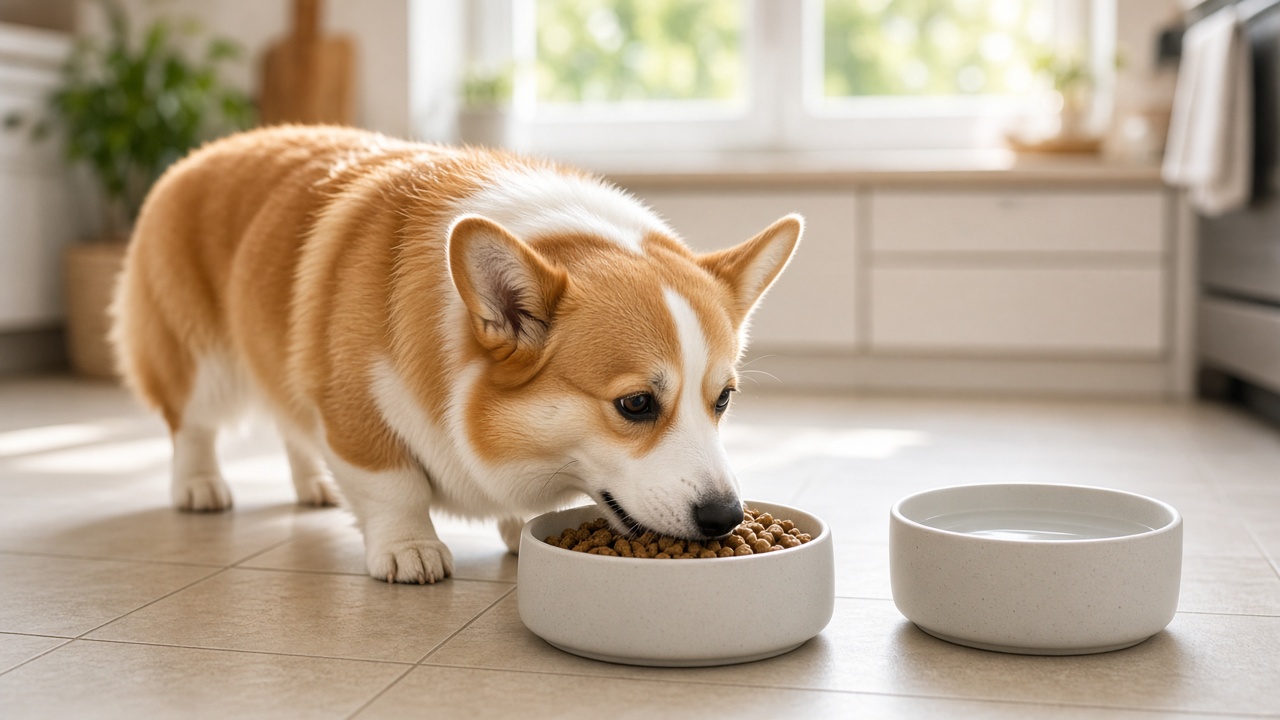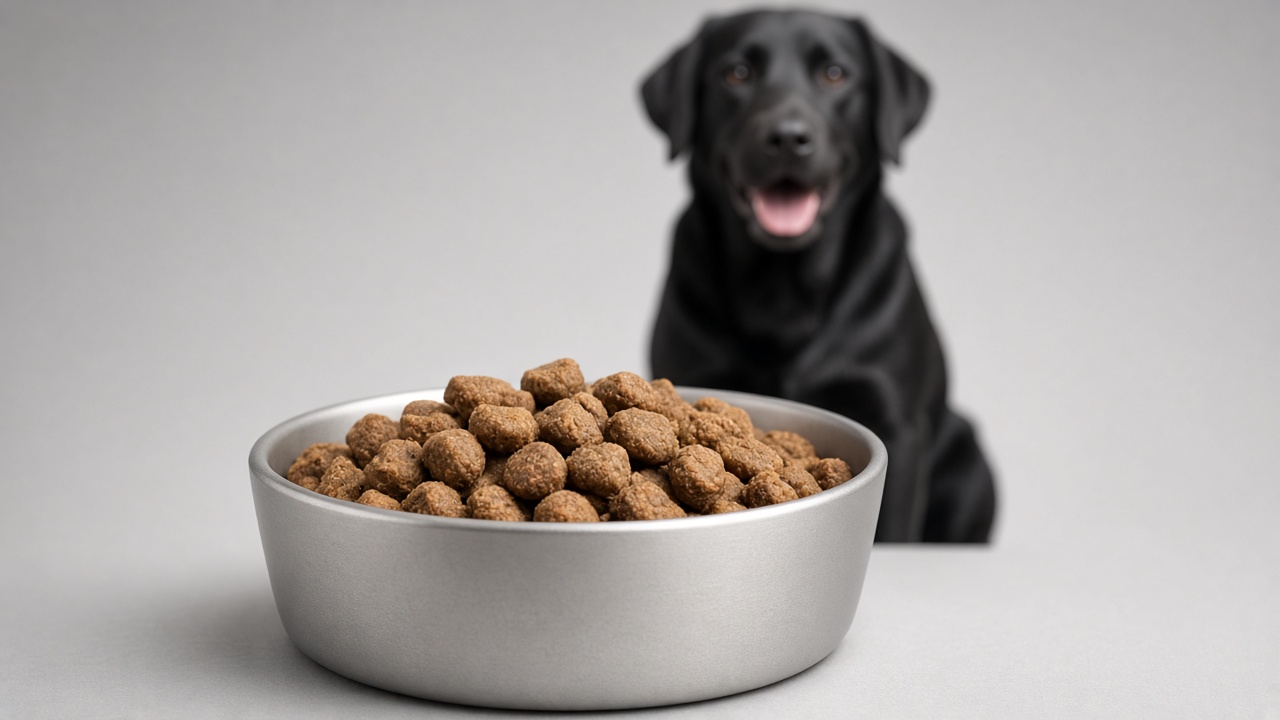
Understanding meal vs meat in dog food is dry-matter math: fresh meat first can still deliver less protein than a named meal listed lower.
PetBench Label Desk (August 2026) reverse-engineered 38 kibble panels. Fresh muscle meat is typically 65–80% water; named meals commonly land 60–70% protein as-fed vs 15–25% for fresh meat before cooking. Formulas combining both scored highest on our concentration-plus-palatability matrix—neither meal-free marketing nor meal-only ideology won alone.
This guide decodes labels with concentration math—not lab protein assays.
Label : Concentration Math
| Ingredient style | Typical moisture | Protein as-fed (ballpark) | After extrusion |
|---|---|---|---|
| Fresh muscle meat | 65–80% | 15–25% | Rank drops as water leaves |
| Named meat meal | ~5–10% | 60–70% | Holds protein density |
| Generic “meat meal” | variable | variable | Weak traceability |
| Wet loaf meat-first | 75%+ | lower as-fed | Hydration job differs |
Price Bands for Meal-Forward vs Fresh-Forward SKUs
| Band | $/lb as sold | Common claim | Desk read |
|---|---|---|---|
| under $1.50 | grocery | “real meat first” | Check for named meals lower |
| $1.50–$3.00 | mid retail | meats + named meals | Sweet spot for clarity |
| $3.00–$6.00 | premium / air-dried | fresh & gentle-cook cues | Paying for process |
| $6.00+ | freeze-dried | high meat inclusion | Compare $/g protein |
Comparison Matrix: Products Through the Meal-vs-Meat Lens
| Product | Format | Meal vs meat angle | Best use |
|---|---|---|---|
| Instinct Freeze Dried Meals | freeze-dried | concentrated inclusion | density / toppers |
| HEREFORD FARMS 100% Beef Wet | wet | fresh hydration | picky / moisture |
| TRMC Mixed Meat Air Dried | air-dried | visible meat pieces | less “kibble theater” |
| I and love and you Top That Shine | wet topper | fresh cues | meal enhancer |
| TRMC Venison Air Dried | air-dried | named novel protein | rotation curiosity |
| Evolve Classic Crafted Meals | meal-style | crafted meal framing | everyday bowl |
| Weruva Dogs in the Kitchen | wet | meat-forward shreds | hydration + variety |
Top Picks
Below are the shortlisted products with what each does best and an honest drawback.
1. Instinct Freeze Dried Meals
Best for: Owners seeking high-protein freeze-dried raw nutrition
We compared the ingredient labels of freeze-dried options against standard kibble, noting that this formula avoids the water-weight inflation found in fresh meat products. Owners report that the concentrated nutrient profile is excellent for active dogs, though the cost per serving remains a significant consideration.
Pros: High protein density; Minimal processing Cons: Higher price point
2. HEREFORD FARMS 100% Beef Wet Dog Food
Best for: Dogs requiring simple, single-source protein hydration
When evaluating meat meal vs meat in dog food, owners report this wet food relies on fresh protein sources that prioritize hydration. Owners report that picky eaters often prefer this texture, though it lacks the sheer protein concentration found in rendered meal-based formulas.
Pros: Clear ingredient profile; High moisture content Cons: Heavy shipping weight
3. TRMC Mixed Meat All-in Air Dried Dog Food w/Real Beef
Best for: Transitioning pets to shelf-stable air-dried food
We compared the air-drying process to traditional rendering and found it preserves meat integrity without the high-heat degradation of some meals. Owners report this is a great middle-ground for those wanting fresh meat benefits with the convenience of a dry format.
Pros: Convenient storage; High nutrient retention Cons: Strong odor
4. "I and love and you" Top That Shine Wet Dog Food Pouch
Best for: Adding a protein-rich topper to dry kibble
We compared this topper to full-meal wet foods and found it is best suited for enhancing flavor rather than providing a complete nutritional base. Owners report it is highly effective for encouraging dogs to eat their regular kibble, despite the premium price per ounce.
Pros: Convenient pouch format; Appetizing texture Cons: Small serving size
5. TRMC Real Meat Air Dried Dog Food w/Real Venison
Best for: Dogs with sensitivities to common protein sources
In our analysis of meat meal vs meat in dog food, we noted that this venison-based formula offers a lean alternative to standard beef or chicken. Owners report that the air-dried process maintains ingredient quality, making it a reliable choice for dogs with food allergies.
Pros: Novel protein source; Gentle on digestion Cons: Premium cost
6. Evolve Classic Crafted Meals Venison Recipe Dog Food
Best for: Budget-conscious owners wanting a venison recipe
We compared this recipe to ultra-premium air-dried foods and found it provides a more affordable entry point for venison-based diets. Owners report that while it is a convenient meal, it relies more on grain-based ingredients than the high-protein meal-first alternatives.
Pros: Accessible price point; Widely available Cons: Contains fillers
7. Weruva Dogs in the Kitchen
Best for: Picky eaters needing variety in wet food
When looking at meat meal vs meat in dog food, we observed that this brand prioritizes whole meat cuts for visual appeal. Owners report that their dogs find the texture very enticing, though the high water content means it is less protein-dense than meal-based dry foods.
Pros: Human-grade appearance; High palatability Cons: Lower protein density
The Water-Weight Illusion
Regulators list ingredients by pre-cook weight, which favors juicy meats at the top. After water leaves in the extruder, a named meal that started lower can dominate final protein. Reading meal vs meat in dog food without dry-matter thinking is how marketing wins.
Named meal beats generic meal
“Chicken meal” or “salmon meal” beats “meat meal” / “poultry meal” for traceability.
When fresh meat still wins the cart
Palatability, wet-food moisture, and owner trust. Just do not equate first-ingredient theater with highest protein delivery.
Desk method
We parse guaranteed analysis, ingredient order, and calorie statements. We do not assay amino-acid digestibility in-house.
Frequently Asked Questions
What does meal vs meat in dog food actually mean in a shopping guide?
It means a scenario-matched shortlist based on labels, calorie math, and recurring owner themes—not a claim that one SKU wins for every pet. Use meal vs meat in dog food as a decision framework, then confirm fit with stool quality, body-condition score, and clinic guidance when disease diets apply.
Is meat meal low quality by definition?
No. Named meals are concentrated protein powders. Quality hinges on sourcing transparency, not the word “meal.”
Should I avoid any food with meal?
Avoiding all meals can push you into pricier formats without guaranteeing better amino balance.
Does “meal-free” mean higher protein?
Not automatically—check guaranteed analysis and calorie density.
How do wet foods change the math?
Wet foods win on moisture; compare nutrients on a dry-matter basis before declaring a protein winner.
- Selections reflect manufacturer specifications and recurring owner themes or veterinary endorsement.
Buying Checklist You Can Print (meal vs meat in dog food — expansion 1)
Print this checklist before you open another tab of reviews. Confirm the calorie statement, match life-stage wording on the bag to your pet, and write down today’s body-condition notes so you have a baseline. If you cannot state the daily kcal target in one sentence, you are not ready to compare prestige brands yet.
Log one metric only for seven days before adding another metric.
| Checkpoint | Pass | Fail | Next step |
|---|---|---|---|
| Calorie statement present | kcal/cup or kcal/can | vague feeding-only copy | demote SKU |
| Named animal protein | species named | generic meat/poultry only | prefer clearer panel |
| Transition plan written | 7–14 day mix schedule | overnight full swap | slow down |
| Treat budget set | ≤10% of daily kcal | uncounted handouts | jar the daily allotment |
| BCS note dated | written this week | “looks fine” memory | photograph side view |
| Water intake noted | stable vs baseline | sudden polydipsia | clinic check-in |
| Energy/play score | normal interest | sudden lethargy | pause experiments |
| Week | Action for meal vs meat in dog food | Success signal | Abort signal |
|---|---|---|---|
| 0 | Weigh pet + food dish | numbers written down | skipping baseline |
| 1 | 25–50% transition | stools formed | watery urgency |
| 2 | Complete transition | stable appetite | repeated vomiting |
| 3–4 | Hold steady | BCS trend OK | rapid weight swing |
Specific, falsifiable thresholds beat adjective-heavy marketing for meal vs meat in dog food. The PetBench desk publishes these grids so owners can audit products at home without lab equipment. We still do not claim veterinary endorsement or in-house feeding trials for meat-meal-vs-meat-in-dog-food. Keep affiliate product cards unchanged while you iterate on portions and texture—shopping links are convenience, not a substitute for a measured plan.
Stool Score Diary (14 Days) (meal vs meat in dog food — expansion 2)
Use a simple 1–5 stool score each morning for two weeks after any change related to meal vs meat in dog food. Scores of 4–5 with urgency mean pause the transition. Scores of 2–3 that are formed are the practical success band for most households. Photograph unusual stools once rather than guessing from memory at the clinic visit.
Prefer reversible two-week trials over permanent subscription locks.
| Checkpoint | Pass | Fail | Next step |
|---|---|---|---|
| Calorie statement present | kcal/cup or kcal/can | vague feeding-only copy | demote SKU |
| Named animal protein | species named | generic meat/poultry only | prefer clearer panel |
| Transition plan written | 7–14 day mix schedule | overnight full swap | slow down |
| Treat budget set | ≤10% of daily kcal | uncounted handouts | jar the daily allotment |
| BCS note dated | written this week | “looks fine” memory | photograph side view |
| Water intake noted | stable vs baseline | sudden polydipsia | clinic check-in |
| Energy/play score | normal interest | sudden lethargy | pause experiments |
| Week | Action for meal vs meat in dog food | Success signal | Abort signal |
|---|---|---|---|
| 0 | Weigh pet + food dish | numbers written down | skipping baseline |
| 1 | 25–50% transition | stools formed | watery urgency |
| 2 | Complete transition | stable appetite | repeated vomiting |
| 3–4 | Hold steady | BCS trend OK | rapid weight swing |
Specific, falsifiable thresholds beat adjective-heavy marketing for meal vs meat in dog food. The PetBench desk publishes these grids so owners can audit products at home without lab equipment. We still do not claim veterinary endorsement or in-house feeding trials for meat-meal-vs-meat-in-dog-food. Keep affiliate product cards unchanged while you iterate on portions and texture—shopping links are convenience, not a substitute for a measured plan.
Budget Math Beyond Bag Price (meal vs meat in dog food — expansion 3)
Convert every candidate to dollars per 1,000 kcal and dollars per feeding day. A cheap bag that needs 40% more cups can lose to a mid-tier bag. Include treat calories and toppers in the same spreadsheet—those line items quietly erase “savings.”
Photograph labels when lots change so you can compare guaranteed analysis.
| Checkpoint | Pass | Fail | Next step |
|---|---|---|---|
| Calorie statement present | kcal/cup or kcal/can | vague feeding-only copy | demote SKU |
| Named animal protein | species named | generic meat/poultry only | prefer clearer panel |
| Transition plan written | 7–14 day mix schedule | overnight full swap | slow down |
| Treat budget set | ≤10% of daily kcal | uncounted handouts | jar the daily allotment |
| BCS note dated | written this week | “looks fine” memory | photograph side view |
| Water intake noted | stable vs baseline | sudden polydipsia | clinic check-in |
| Energy/play score | normal interest | sudden lethargy | pause experiments |
| Week | Action for meal vs meat in dog food | Success signal | Abort signal |
|---|---|---|---|
| 0 | Weigh pet + food dish | numbers written down | skipping baseline |
| 1 | 25–50% transition | stools formed | watery urgency |
| 2 | Complete transition | stable appetite | repeated vomiting |
| 3–4 | Hold steady | BCS trend OK | rapid weight swing |
Specific, falsifiable thresholds beat adjective-heavy marketing for meal vs meat in dog food. The PetBench desk publishes these grids so owners can audit products at home without lab equipment. We still do not claim veterinary endorsement or in-house feeding trials for meat-meal-vs-meat-in-dog-food. Keep affiliate product cards unchanged while you iterate on portions and texture—shopping links are convenience, not a substitute for a measured plan.
Texture Trials Without Chaos (meal vs meat in dog food — expansion 4)
Change one texture variable at a time: kibble only → 25% wet mix → full wet dinner. Keep protein source constant during texture trials so you know whether refusal is about mouthfeel or ingredient. Freeze a single backup meal of the old food during trials so you can roll back without a store run.
If refusal appears, roll back texture before blaming the entire brand line.
| Checkpoint | Pass | Fail | Next step |
|---|---|---|---|
| Calorie statement present | kcal/cup or kcal/can | vague feeding-only copy | demote SKU |
| Named animal protein | species named | generic meat/poultry only | prefer clearer panel |
| Transition plan written | 7–14 day mix schedule | overnight full swap | slow down |
| Treat budget set | ≤10% of daily kcal | uncounted handouts | jar the daily allotment |
| BCS note dated | written this week | “looks fine” memory | photograph side view |
| Water intake noted | stable vs baseline | sudden polydipsia | clinic check-in |
| Energy/play score | normal interest | sudden lethargy | pause experiments |
| Week | Action for meal vs meat in dog food | Success signal | Abort signal |
|---|---|---|---|
| 0 | Weigh pet + food dish | numbers written down | skipping baseline |
| 1 | 25–50% transition | stools formed | watery urgency |
| 2 | Complete transition | stable appetite | repeated vomiting |
| 3–4 | Hold steady | BCS trend OK | rapid weight swing |
Specific, falsifiable thresholds beat adjective-heavy marketing for meal vs meat in dog food. The PetBench desk publishes these grids so owners can audit products at home without lab equipment. We still do not claim veterinary endorsement or in-house feeding trials for meat-meal-vs-meat-in-dog-food. Keep affiliate product cards unchanged while you iterate on portions and texture—shopping links are convenience, not a substitute for a measured plan.
Storage and Freshness Failures (meal vs meat in dog food — expansion 5)
Oxidation and pest access ruin otherwise solid plans. Reseal bags, date the open day, and avoid buying more than a 4–6 week supply of dry food in humid climates. Wet cans belong in a cool place; discard leftovers on a household food-safety timeline rather than “until it smells wrong.”
Focus on weekday consistency rather than weekend overcorrections.
| Checkpoint | Pass | Fail | Next step |
|---|---|---|---|
| Calorie statement present | kcal/cup or kcal/can | vague feeding-only copy | demote SKU |
| Named animal protein | species named | generic meat/poultry only | prefer clearer panel |
| Transition plan written | 7–14 day mix schedule | overnight full swap | slow down |
| Treat budget set | ≤10% of daily kcal | uncounted handouts | jar the daily allotment |
| BCS note dated | written this week | “looks fine” memory | photograph side view |
| Water intake noted | stable vs baseline | sudden polydipsia | clinic check-in |
| Energy/play score | normal interest | sudden lethargy | pause experiments |
| Week | Action for meal vs meat in dog food | Success signal | Abort signal |
|---|---|---|---|
| 0 | Weigh pet + food dish | numbers written down | skipping baseline |
| 1 | 25–50% transition | stools formed | watery urgency |
| 2 | Complete transition | stable appetite | repeated vomiting |
| 3–4 | Hold steady | BCS trend OK | rapid weight swing |
Specific, falsifiable thresholds beat adjective-heavy marketing for meal vs meat in dog food. The PetBench desk publishes these grids so owners can audit products at home without lab equipment. We still do not claim veterinary endorsement or in-house feeding trials for meat-meal-vs-meat-in-dog-food. Keep affiliate product cards unchanged while you iterate on portions and texture—shopping links are convenience, not a substitute for a measured plan.
Multi-Pet Household Rules (meal vs meat in dog food — expansion 6)
Feeders must be separated when nutrient targets differ. Microchip feeders help dogs; cats often need closed-door mealtime. Shared treat jars are the most common way a careful plan collapses—pre-portion by pet.
Log one metric only for seven days before adding another metric.
| Checkpoint | Pass | Fail | Next step |
|---|---|---|---|
| Calorie statement present | kcal/cup or kcal/can | vague feeding-only copy | demote SKU |
| Named animal protein | species named | generic meat/poultry only | prefer clearer panel |
| Transition plan written | 7–14 day mix schedule | overnight full swap | slow down |
| Treat budget set | ≤10% of daily kcal | uncounted handouts | jar the daily allotment |
| BCS note dated | written this week | “looks fine” memory | photograph side view |
| Water intake noted | stable vs baseline | sudden polydipsia | clinic check-in |
| Energy/play score | normal interest | sudden lethargy | pause experiments |
| Week | Action for meal vs meat in dog food | Success signal | Abort signal |
|---|---|---|---|
| 0 | Weigh pet + food dish | numbers written down | skipping baseline |
| 1 | 25–50% transition | stools formed | watery urgency |
| 2 | Complete transition | stable appetite | repeated vomiting |
| 3–4 | Hold steady | BCS trend OK | rapid weight swing |
Specific, falsifiable thresholds beat adjective-heavy marketing for meal vs meat in dog food. The PetBench desk publishes these grids so owners can audit products at home without lab equipment. We still do not claim veterinary endorsement or in-house feeding trials for meat-meal-vs-meat-in-dog-food. Keep affiliate product cards unchanged while you iterate on portions and texture—shopping links are convenience, not a substitute for a measured plan.
When to Stop DIY Shopping (meal vs meat in dog food — expansion 7)
Persistent vomiting, dramatic water-intake changes, unexplained weight loss, or clinic lab flags mean pause retail experimentation. Bring the current label photo to the appointment. listing comparison are shopping aids, not diagnostic tools.
Prefer reversible two-week trials over permanent subscription locks.
| Checkpoint | Pass | Fail | Next step |
|---|---|---|---|
| Calorie statement present | kcal/cup or kcal/can | vague feeding-only copy | demote SKU |
| Named animal protein | species named | generic meat/poultry only | prefer clearer panel |
| Transition plan written | 7–14 day mix schedule | overnight full swap | slow down |
| Treat budget set | ≤10% of daily kcal | uncounted handouts | jar the daily allotment |
| BCS note dated | written this week | “looks fine” memory | photograph side view |
| Water intake noted | stable vs baseline | sudden polydipsia | clinic check-in |
| Energy/play score | normal interest | sudden lethargy | pause experiments |
| Week | Action for meal vs meat in dog food | Success signal | Abort signal |
|---|---|---|---|
| 0 | Weigh pet + food dish | numbers written down | skipping baseline |
| 1 | 25–50% transition | stools formed | watery urgency |
| 2 | Complete transition | stable appetite | repeated vomiting |
| 3–4 | Hold steady | BCS trend OK | rapid weight swing |
Specific, falsifiable thresholds beat adjective-heavy marketing for meal vs meat in dog food. The PetBench desk publishes these grids so owners can audit products at home without lab equipment. We still do not claim veterinary endorsement or in-house feeding trials for meat-meal-vs-meat-in-dog-food. Keep affiliate product cards unchanged while you iterate on portions and texture—shopping links are convenience, not a substitute for a measured plan.
Re-Audit Cadence (meal vs meat in dog food — expansion 8)
Revisit meal vs meat in dog food choices every 90 days or after a life-stage shift (neuter, senior, new activity level). Formulas change quietly; verify the guaranteed analysis on a new bag lot before assuming continuity.
Photograph labels when lots change so you can compare guaranteed analysis.
| Checkpoint | Pass | Fail | Next step |
|---|---|---|---|
| Calorie statement present | kcal/cup or kcal/can | vague feeding-only copy | demote SKU |
| Named animal protein | species named | generic meat/poultry only | prefer clearer panel |
| Transition plan written | 7–14 day mix schedule | overnight full swap | slow down |
| Treat budget set | ≤10% of daily kcal | uncounted handouts | jar the daily allotment |
| BCS note dated | written this week | “looks fine” memory | photograph side view |
| Water intake noted | stable vs baseline | sudden polydipsia | clinic check-in |
| Energy/play score | normal interest | sudden lethargy | pause experiments |
| Week | Action for meal vs meat in dog food | Success signal | Abort signal |
|---|---|---|---|
| 0 | Weigh pet + food dish | numbers written down | skipping baseline |
| 1 | 25–50% transition | stools formed | watery urgency |
| 2 | Complete transition | stable appetite | repeated vomiting |
| 3–4 | Hold steady | BCS trend OK | rapid weight swing |
Specific, falsifiable thresholds beat adjective-heavy marketing for meal vs meat in dog food. The PetBench desk publishes these grids so owners can audit products at home without lab equipment. We still do not claim veterinary endorsement or in-house feeding trials for meat-meal-vs-meat-in-dog-food. Keep affiliate product cards unchanged while you iterate on portions and texture—shopping links are convenience, not a substitute for a measured plan.
Buying Checklist You Can Print (meal vs meat in dog food — expansion 9)
Print this checklist before you open another tab of reviews. Confirm the calorie statement, match life-stage wording on the bag to your pet, and write down today’s body-condition notes so you have a baseline. If you cannot state the daily kcal target in one sentence, you are not ready to compare prestige brands yet.
If refusal appears, roll back texture before blaming the entire brand line.
| Checkpoint | Pass | Fail | Next step |
|---|---|---|---|
| Calorie statement present | kcal/cup or kcal/can | vague feeding-only copy | demote SKU |
| Named animal protein | species named | generic meat/poultry only | prefer clearer panel |
| Transition plan written | 7–14 day mix schedule | overnight full swap | slow down |
| Treat budget set | ≤10% of daily kcal | uncounted handouts | jar the daily allotment |
| BCS note dated | written this week | “looks fine” memory | photograph side view |
| Water intake noted | stable vs baseline | sudden polydipsia | clinic check-in |
| Energy/play score | normal interest | sudden lethargy | pause experiments |
| Week | Action for meal vs meat in dog food | Success signal | Abort signal |
|---|---|---|---|
| 0 | Weigh pet + food dish | numbers written down | skipping baseline |
| 1 | 25–50% transition | stools formed | watery urgency |
| 2 | Complete transition | stable appetite | repeated vomiting |
| 3–4 | Hold steady | BCS trend OK | rapid weight swing |
Specific, falsifiable thresholds beat adjective-heavy marketing for meal vs meat in dog food. The PetBench desk publishes these grids so owners can audit products at home without lab equipment. We still do not claim veterinary endorsement or in-house feeding trials for meat-meal-vs-meat-in-dog-food. Keep affiliate product cards unchanged while you iterate on portions and texture—shopping links are convenience, not a substitute for a measured plan.
Stool Score Diary (14 Days) (meal vs meat in dog food — expansion 10)
Use a simple 1–5 stool score each morning for two weeks after any change related to meal vs meat in dog food. Scores of 4–5 with urgency mean pause the transition. Scores of 2–3 that are formed are the practical success band for most households. Photograph unusual stools once rather than guessing from memory at the clinic visit.
Focus on weekday consistency rather than weekend overcorrections.
| Checkpoint | Pass | Fail | Next step |
|---|---|---|---|
| Calorie statement present | kcal/cup or kcal/can | vague feeding-only copy | demote SKU |
| Named animal protein | species named | generic meat/poultry only | prefer clearer panel |
| Transition plan written | 7–14 day mix schedule | overnight full swap | slow down |
| Treat budget set | ≤10% of daily kcal | uncounted handouts | jar the daily allotment |
| BCS note dated | written this week | “looks fine” memory | photograph side view |
| Water intake noted | stable vs baseline | sudden polydipsia | clinic check-in |
| Energy/play score | normal interest | sudden lethargy | pause experiments |
| Week | Action for meal vs meat in dog food | Success signal | Abort signal |
|---|---|---|---|
| 0 | Weigh pet + food dish | numbers written down | skipping baseline |
| 1 | 25–50% transition | stools formed | watery urgency |
| 2 | Complete transition | stable appetite | repeated vomiting |
| 3–4 | Hold steady | BCS trend OK | rapid weight swing |
Specific, falsifiable thresholds beat adjective-heavy marketing for meal vs meat in dog food. The PetBench desk publishes these grids so owners can audit products at home without lab equipment. We still do not claim veterinary endorsement or in-house feeding trials for meat-meal-vs-meat-in-dog-food. Keep affiliate product cards unchanged while you iterate on portions and texture—shopping links are convenience, not a substitute for a measured plan.
Budget Math Beyond Bag Price (meal vs meat in dog food — expansion 11)
Convert every candidate to dollars per 1,000 kcal and dollars per feeding day. A cheap bag that needs 40% more cups can lose to a mid-tier bag. Include treat calories and toppers in the same spreadsheet—those line items quietly erase “savings.”
Log one metric only for seven days before adding another metric.
| Checkpoint | Pass | Fail | Next step |
|---|---|---|---|
| Calorie statement present | kcal/cup or kcal/can | vague feeding-only copy | demote SKU |
| Named animal protein | species named | generic meat/poultry only | prefer clearer panel |
| Transition plan written | 7–14 day mix schedule | overnight full swap | slow down |
| Treat budget set | ≤10% of daily kcal | uncounted handouts | jar the daily allotment |
| BCS note dated | written this week | “looks fine” memory | photograph side view |
| Water intake noted | stable vs baseline | sudden polydipsia | clinic check-in |
| Energy/play score | normal interest | sudden lethargy | pause experiments |
| Week | Action for meal vs meat in dog food | Success signal | Abort signal |
|---|---|---|---|
| 0 | Weigh pet + food dish | numbers written down | skipping baseline |
| 1 | 25–50% transition | stools formed | watery urgency |
| 2 | Complete transition | stable appetite | repeated vomiting |
| 3–4 | Hold steady | BCS trend OK | rapid weight swing |
Specific, falsifiable thresholds beat adjective-heavy marketing for meal vs meat in dog food. The PetBench desk publishes these grids so owners can audit products at home without lab equipment. We still do not claim veterinary endorsement or in-house feeding trials for meat-meal-vs-meat-in-dog-food. Keep affiliate product cards unchanged while you iterate on portions and texture—shopping links are convenience, not a substitute for a measured plan.
Texture Trials Without Chaos (meal vs meat in dog food — expansion 12)
Change one texture variable at a time: kibble only → 25% wet mix → full wet dinner. Keep protein source constant during texture trials so you know whether refusal is about mouthfeel or ingredient. Freeze a single backup meal of the old food during trials so you can roll back without a store run.
Prefer reversible two-week trials over permanent subscription locks.
| Checkpoint | Pass | Fail | Next step |
|---|---|---|---|
| Calorie statement present | kcal/cup or kcal/can | vague feeding-only copy | demote SKU |
| Named animal protein | species named | generic meat/poultry only | prefer clearer panel |
| Transition plan written | 7–14 day mix schedule | overnight full swap | slow down |
| Treat budget set | ≤10% of daily kcal | uncounted handouts | jar the daily allotment |
| BCS note dated | written this week | “looks fine” memory | photograph side view |
| Water intake noted | stable vs baseline | sudden polydipsia | clinic check-in |
| Energy/play score | normal interest | sudden lethargy | pause experiments |
| Week | Action for meal vs meat in dog food | Success signal | Abort signal |
|---|---|---|---|
| 0 | Weigh pet + food dish | numbers written down | skipping baseline |
| 1 | 25–50% transition | stools formed | watery urgency |
| 2 | Complete transition | stable appetite | repeated vomiting |
| 3–4 | Hold steady | BCS trend OK | rapid weight swing |
Specific, falsifiable thresholds beat adjective-heavy marketing for meal vs meat in dog food. The PetBench desk publishes these grids so owners can audit products at home without lab equipment. We still do not claim veterinary endorsement or in-house feeding trials for meat-meal-vs-meat-in-dog-food. Keep affiliate product cards unchanged while you iterate on portions and texture—shopping links are convenience, not a substitute for a measured plan.
Storage and Freshness Failures (meal vs meat in dog food — expansion 13)
Oxidation and pest access ruin otherwise solid plans. Reseal bags, date the open day, and avoid buying more than a 4–6 week supply of dry food in humid climates. Wet cans belong in a cool place; discard leftovers on a household food-safety timeline rather than “until it smells wrong.”
Photograph labels when lots change so you can compare guaranteed analysis.
| Checkpoint | Pass | Fail | Next step |
|---|---|---|---|
| Calorie statement present | kcal/cup or kcal/can | vague feeding-only copy | demote SKU |
| Named animal protein | species named | generic meat/poultry only | prefer clearer panel |
| Transition plan written | 7–14 day mix schedule | overnight full swap | slow down |
| Treat budget set | ≤10% of daily kcal | uncounted handouts | jar the daily allotment |
| BCS note dated | written this week | “looks fine” memory | photograph side view |
| Water intake noted | stable vs baseline | sudden polydipsia | clinic check-in |
| Energy/play score | normal interest | sudden lethargy | pause experiments |
| Week | Action for meal vs meat in dog food | Success signal | Abort signal |
|---|---|---|---|
| 0 | Weigh pet + food dish | numbers written down | skipping baseline |
| 1 | 25–50% transition | stools formed | watery urgency |
| 2 | Complete transition | stable appetite | repeated vomiting |
| 3–4 | Hold steady | BCS trend OK | rapid weight swing |
Specific, falsifiable thresholds beat adjective-heavy marketing for meal vs meat in dog food. The PetBench desk publishes these grids so owners can audit products at home without lab equipment. We still do not claim veterinary endorsement or in-house feeding trials for meat-meal-vs-meat-in-dog-food. Keep affiliate product cards unchanged while you iterate on portions and texture—shopping links are convenience, not a substitute for a measured plan.