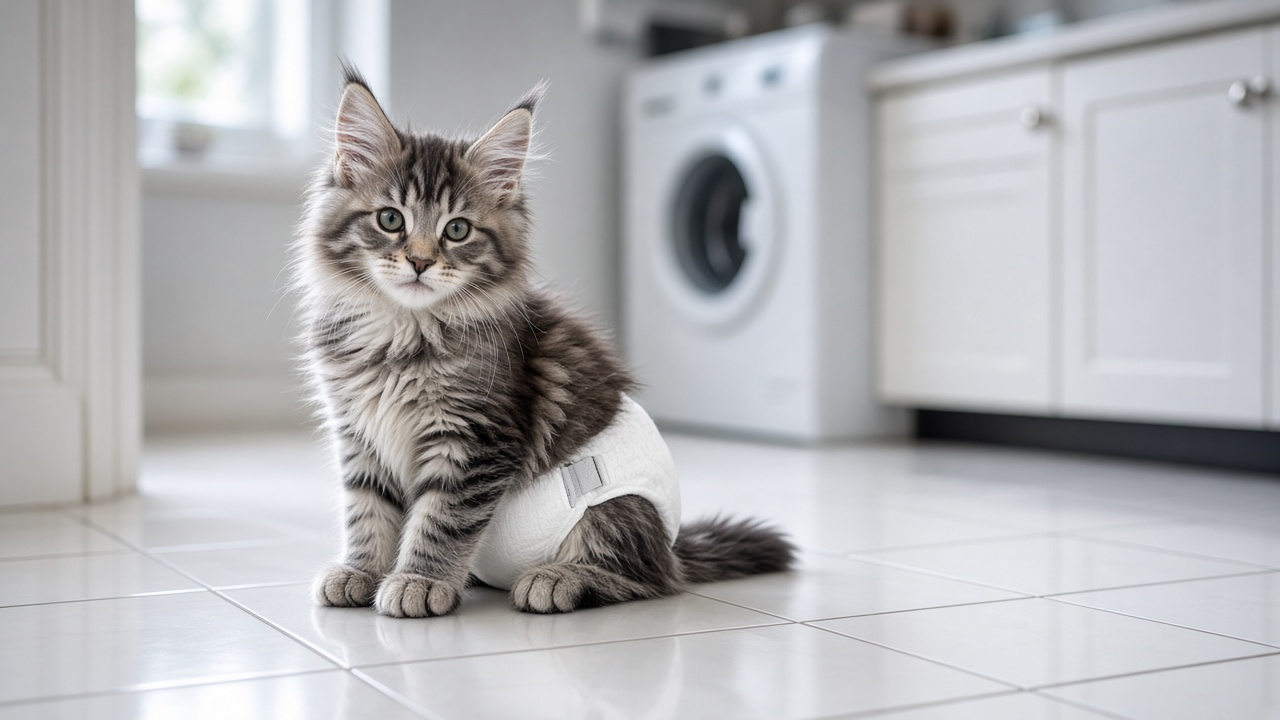
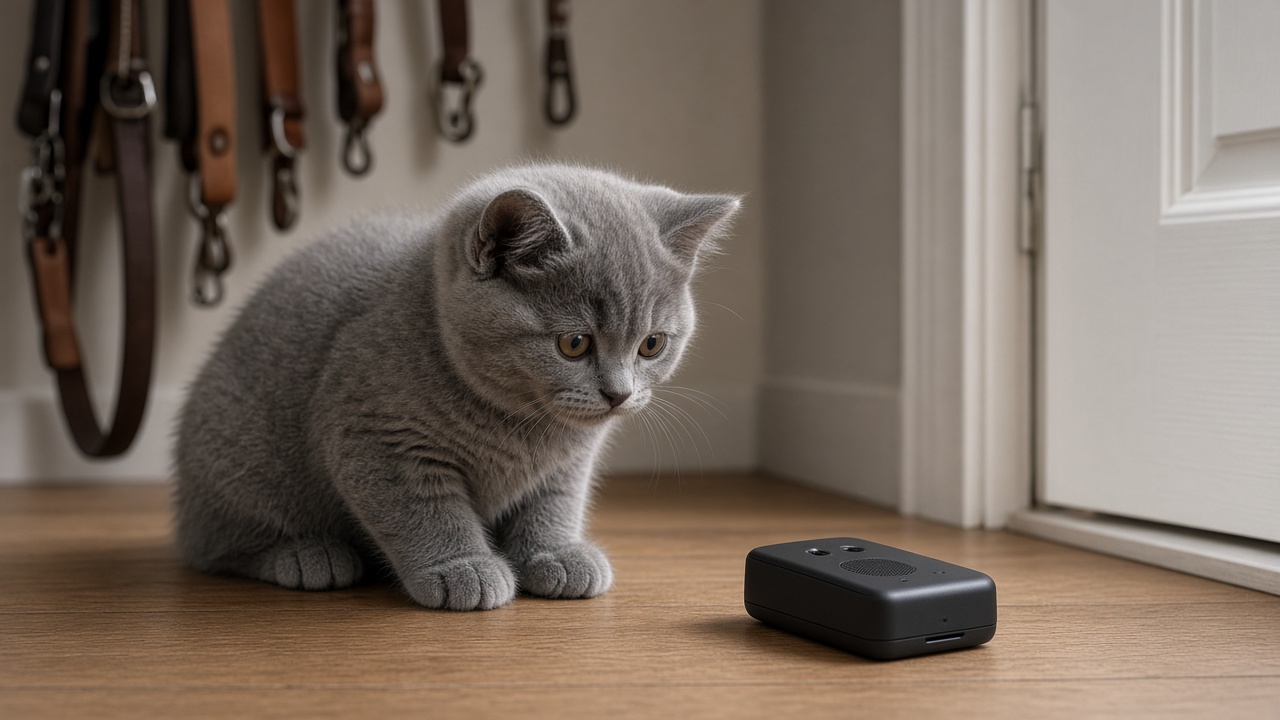
Quick answer: Pair each kitten sound with posture, not the sound alone. A meow is a request, a hiss asks for space, and a purr can mean comfort or strain.
Kittens meow for cold or hunger, purr within two days of birth, and can hiss before they turn 10 days old.
This page is a research-desk map of those sounds. We did not record live litters, score clinic audio, or run a playback lab.
Our research team analyzed published notes from the ASPCA and Cornell Feline Health Center. We then compared maker specs on five listen-or-elicit tools now sold.
Selection rule: a sound enters only if Cornell Feline Health Center or the ASPCA names the pattern. A product enters only if the maker lists two-way audio, a meow alert, or a hunt-motion trigger.
We skip silent plush-only toys and any SKU we could not confirm on a maker page.
The Mouth-and-Posture Rule
We sort kitten noise by mouth state first. Then we add posture.
Cornell Feline Health Center, citing Mildred Moelk’s 1940s work, splits cat sound into three groups. Closed-mouth murmurs include purrs. Open-then-close vowels include meows.
Strained-intensity sounds include growls and hisses. That split is our desk filter. A “cute noise” with no mouth note does not enter.
A 2020 review in the Journal of Veterinary Science says the published repertoire reaches 21 vocal types.
Use the rule at home. Look at the mouth, then the ears and tail.
The ASPCA says body language is posture, face, ears, tail, and whiskers. A sound without that frame is a guess.
What a kitten meow is asking for
A meow is a request aimed at a caregiver.
The ASPCA states that kittens meow to tell a mother they are cold or hungry. Adult cats stop meowing at other cats. They keep meowing at people because the sound works.
That leftover mother-call is why a young kitten sounds chatty at you and quiet with littermates.
Cornell Feline Health Center says kittens can make an anger wail as early as one day of age.
A later classic meow arrives on a clock. Cornell Feline Health Center says the bewilderment vowel pattern appears after 79 days of age.
A short acknowledgment murmur is later still. Cornell Feline Health Center says kittens are about 12 weeks old before they can make that falling treat-anticipation sound.
Isolation meows have a measurable pitch. A Cell and Tissue Research paper by Kral and colleagues analyzed 13,874 vocalizations from 11 kittens.
Sessions lasted 30 minutes. Those voiced isolation calls sat near 1 kHz. Some isolation calls reached 2 seconds.
In hearing kittens, 89 ± 6 percent of calls were voiced. Pitch fell with age in the first postnatal months.
The Journal of Veterinary Science review compiled mew figures from several labs. One set puts mean pitch between 400 and 1,200 Hz.
Another three-cat set lists a 0.54-second mean duration and a 698 Hz mean pitch.
The ASPCA’s ask list still covers greeting, attention, food, a door, and a mate.
Meet food, water, litter, and warmth first. The ASPCA says to assume a need is unmet before you treat the meow as a demand.
If you already filled the need, wait for a quiet beat. Then give petting or play.
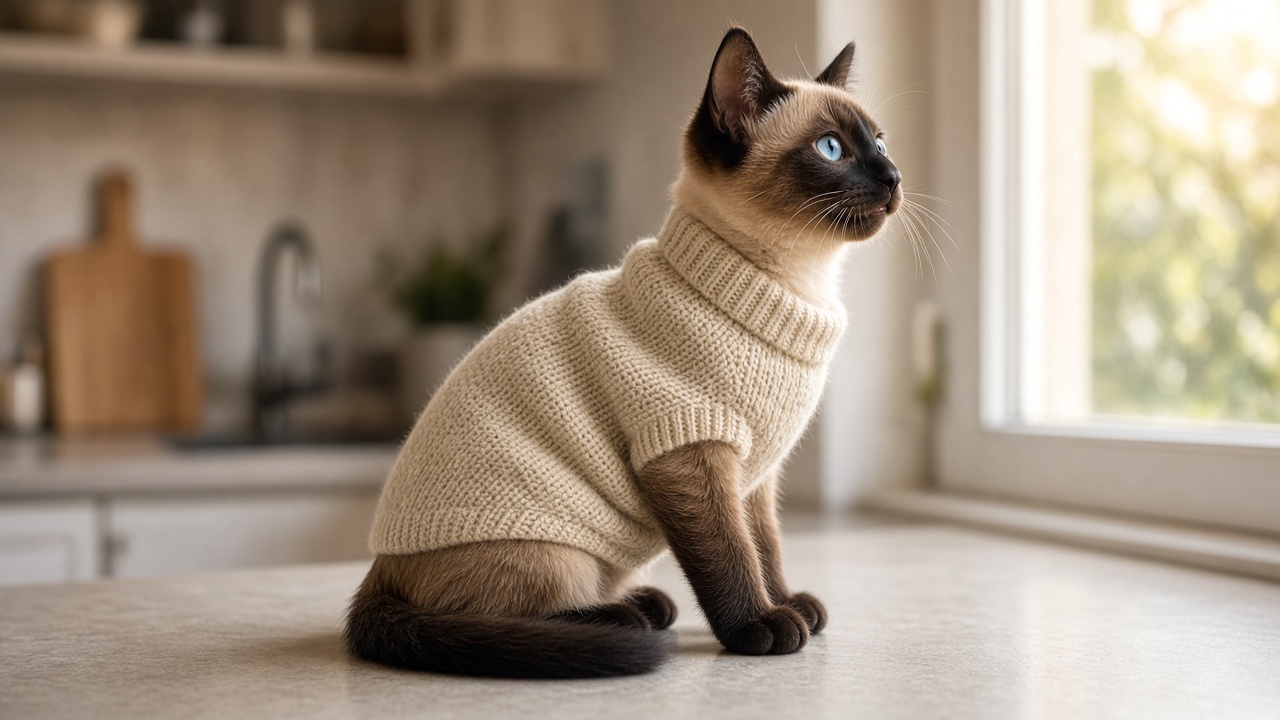
The ASPCA notes that some breeds, notably the Siamese, stay extra vocal. Do not treat a talkative breed as broken.
Intact heat noise is a different file. The ASPCA says a heat lasts four to ten days.
If she is not bred, she can cycle every 18 to 24 days. Indoor cats may cycle all year.
Purrs start early and do not always mean comfort
A purr is a closed-mouth murmur. It is not a happiness stamp.
Cornell Feline Health Center says kittens begin to purr within two days of birth. A queen purrs during birth. The sound helps newborns stay close.
A nursing kitten often purrs loudly. Cornell Feline Health Center notes that loud nursing purrs may cue littermates to feed too.
The Journal of Veterinary Science review compiled purr-cycle data from published larynx work. Ingressive mean pitch sat between 23.00 and 26.09 Hz. Egressive means sat between 20.94 and 27.21 Hz.
Those numbers sit far below a meow. A purr is a rumble you feel. A meow is a voiced ask.
Cornell Feline Health Center also records purrs in pain and before death. A hunched kitten who purrs is not “fine.”
Watch the rest of the body. A loose kitten who purrs while kneading is in a social rest state.
A tense kitten who purrs while hiding needs a clinic check. Do not add more petting first.
Do not use a purr as the only health screen. Pair it with eating, moving, and stool.
Chirps, trills, and window chatter
Chirps and trills are short social pings. They are not isolation wails.
Cornell Feline Health Center places chirping with the demand group. Queens use a demand pattern to call kittens after prey.
A cat may also chirp, with tail flicks, while watching prey. A home trill aimed at you is often the same “I see you” ping.
The Journal of Veterinary Science review says a mother cat’s nest toolkit is mostly chirps and purrs. Kittens can tell their own mother’s chirp from another queen’s chirp.
A tweet is a softer cousin. The Journal of Veterinary Science review lists tweet duration at 0.20 seconds in a three-cat phonetic set. Mean tweet pitch sat at 635 Hz.
Window chatter is a hunt fragment. The ASPCA describes a focused cat who twitches the tail tip and chatters the jaw at prey it cannot reach.
The Journal of Veterinary Science review calls chatter a mostly voiceless jaw clash. One three-cat set lists 0.74-second duration and a 580 Hz mean pitch.
Do not punish window chatter. It is a stalled hunt, not spite.
Hisses, growls, and other distance asks
A hiss is a space ask. It is not a personality flaw.
Cornell Feline Health Center says a hiss happens when a cat is surprised or frightened. Air leaves through a small mouth opening.
Kittens can hiss before 10 days of age. The spit is a sharper form of the same warning.
The Journal of Veterinary Science review describes the hiss as voiceless, with teeth shown. Compiled duration sits at 0.5 to 1 second.
The ASPCA lists open-mouthed hissing with a crouch, tucked tail, flattened ears, and wide pupils. Give distance.
The ASPCA’s rule of thumb is not to touch, soothe, or punish a cat in those postures.
A growl is a longer warning. Cornell Feline Health Center puts a warning growl between 400 and 800 Hz.
A queen can use it to scatter kittens from danger. The Journal of Veterinary Science review cites a four-cat growl set at 2.50 seconds and 250 Hz mean pitch.
Howls run 0.8 to 1.5 seconds in that review. Yowls run 3 to 10 seconds.
The ASPCA says adult cats do yowl at one another in breeding season.
If a hiss is new or paired with not eating, book a clinic visit.
Listen-and-elicit tools we compared
Toys and cameras do not translate meows. They can help you hear a room or pull a hunt sound.
Our research team compared published specs. We did not time kittens on these tools.
The table is attribute-based, with no rank column and no price column.
| Product | Maker-listed job | Size, weight, or capacity | Sound or motion spec | Power or kit note |
|---|---|---|---|---|
| Furbo 360° Cat Camera | Rotating live view with meowing alert and treat toss | 8.8 × 4.9 × 4.9 in; 1.7 lb; 100-treat hold | Real-time 2-way audio; 1080p; 4× zoom | 2-meter USB-C cable; feather wand; 1-year warranty |
| Furbo Mini 360° | Compact rotating view with barking or meowing alert | 3.6 × 3.5 × 3.5 in; 0.3 lb; 10-treat lite toss | Real-time 2-way audio; 2K QHD; 8× zoom | 1.8-meter USB-C cable; 1-year warranty |
| Petcube Play 2 | Fixed live view with two-way talk and laser play | 3.6 × 3.2 × 3.6 in (90.1 × 81.45 × 90.1 mm) | 4-microphone array; speaker bar; 160° view | Class 3R laser; night vision to 30 ft; 2 m USB cable |
| Catit Senses Mushroom | Motion-activated 360° feather chase | 5.9 × 9.4 in; 742 g; model 43142 | 8 openings; 2 light sensors | 3 AA batteries not included; sensor or continuous mode |
| Petstages Hunt ’N Swat Treat Tumbler | Wobble treat tumbler with feathers | SKU 69587; UPC 700603695879 | Adjustable treat hole; twist cap | Lead- and phthalate-free; no batteries listed |
Pick the Furbo 360° Cat Camera if you need room coverage and a meow ping. Furbo lists 1080p, a rotating 360° view, two-way audio, and a 100-piece treat hold.
Pick the Furbo Mini 360° for a smaller shelf. Furbo lists a 0.3-pound body, 2K QHD, 8× zoom, and a 10-treat lite toss.
Pick Petcube Play 2 if you want talk plus a laser, not a toss. Petcube lists 1080p, a 160° view, a four-microphone array, and night vision to 30 feet.
Petcube’s optional Care clips are 30 seconds. Cloud storage uses 256-bit AES encryption.
Use the Catit Senses Mushroom to pull a hunt chirp in the room. Catit lists model 43142, eight openings, and a 742-gram body that needs three AA batteries.
Use the Petstages Hunt ’N Swat Treat Tumbler if you want a silent wobble. Outward Hound lists SKU 69587 and an adjustable treat hole.
A camera can tell you a meow happened. It cannot tell you why.
When the sound is a clinic flag
Home decoding assumes the kitten can eat, drink, and move.
The ASPCA says a cat who meows a lot should be checked. Disease can raise hunger, thirst, restlessness, or irritability.
Do not wait for an adult-only disease list. Kittens can cry from pain, a blocked box, or an empty bowl.
Call the same day if the sound is sudden and harsh. Call if it comes with vomiting, diarrhea, hiding, or a limp.
Call if the kitten stops eating.
The ASPCA warns against scolding or hitting.
Kral’s group found deaf kittens about 10 dB louder than hearing kittens in their booth. A very loud cry is not a diagnosis.
Keep a two-day log before a non-urgent visit. Note time, mouth state, posture, and what stopped the sound.
This desk compared published notes and maker specs. A clinic sees the kitten.
FAQ
Why does my kitten meow more than my adult cat?
Kittens still use the mother-call pattern. The ASPCA says they meow for cold or hunger, then keep the habit with people.
Cornell Feline Health Center places the early anger wail at one day of age. The fuller bewilderment meow waits until after day 79.
Does purring always mean my kitten is happy?
No. Cornell Feline Health Center says purrs start within two days and also occur in pain.
The Journal of Veterinary Science review puts purr pitch near 21 to 26 Hz. Read ears, belly, and appetite with the sound.
What does a kitten chirp or trill mean?
A chirp is usually a social ping or a hunt comment. Cornell Feline Health Center ties chirps to queen calls and prey watching.
The Journal of Veterinary Science review says kittens can pick their own mother’s chirp out of other queens’ chirps.
Is hissing normal in a young kitten?
Yes, as a fear or surprise warning. Cornell Feline Health Center says kittens can hiss before 10 days of age.
The ASPCA pairs open-mouthed hissing with a crouch, flat ears, and a tucked tail. Step back.
Why does my kitten make a stuttering sound at the window?
That jaw chatter is a hunt fragment. The ASPCA describes it when a cat sees prey it cannot reach.
The Journal of Veterinary Science review treats chatter as mostly voiceless. One small set lasted 0.74 seconds.
Can a pet camera tell me what a meow means?
It can flag that a meow occurred. Furbo lists a meowing alert on the 360° Cat Camera and the Mini 360°.
Petcube lists a four-microphone array on Play 2. Meaning still needs posture and whether bowls were open.
When should I call a clinic about kitten noises?
Call if a new pitch arrives with not eating, hiding, vomiting, or a limp.
The ASPCA flags sudden extra meowing for medical review. Bring a two-day log.