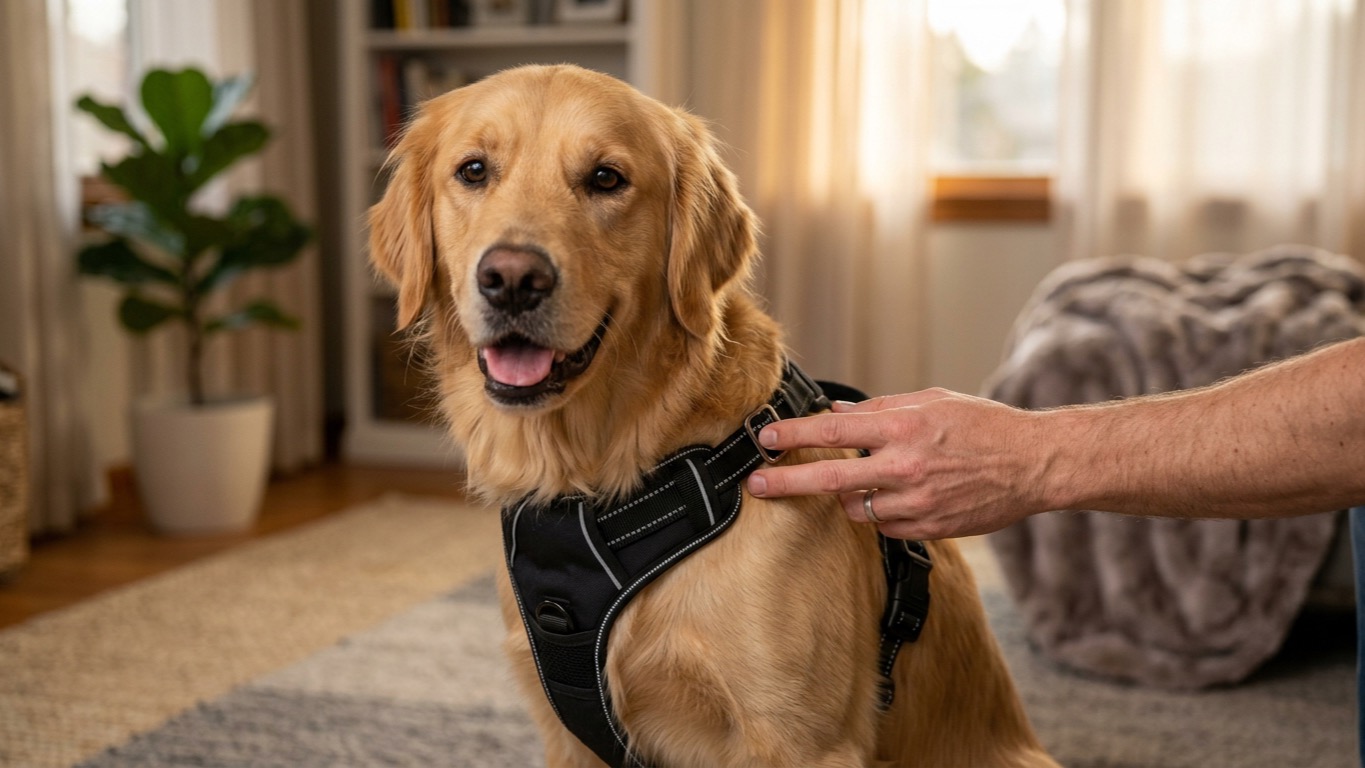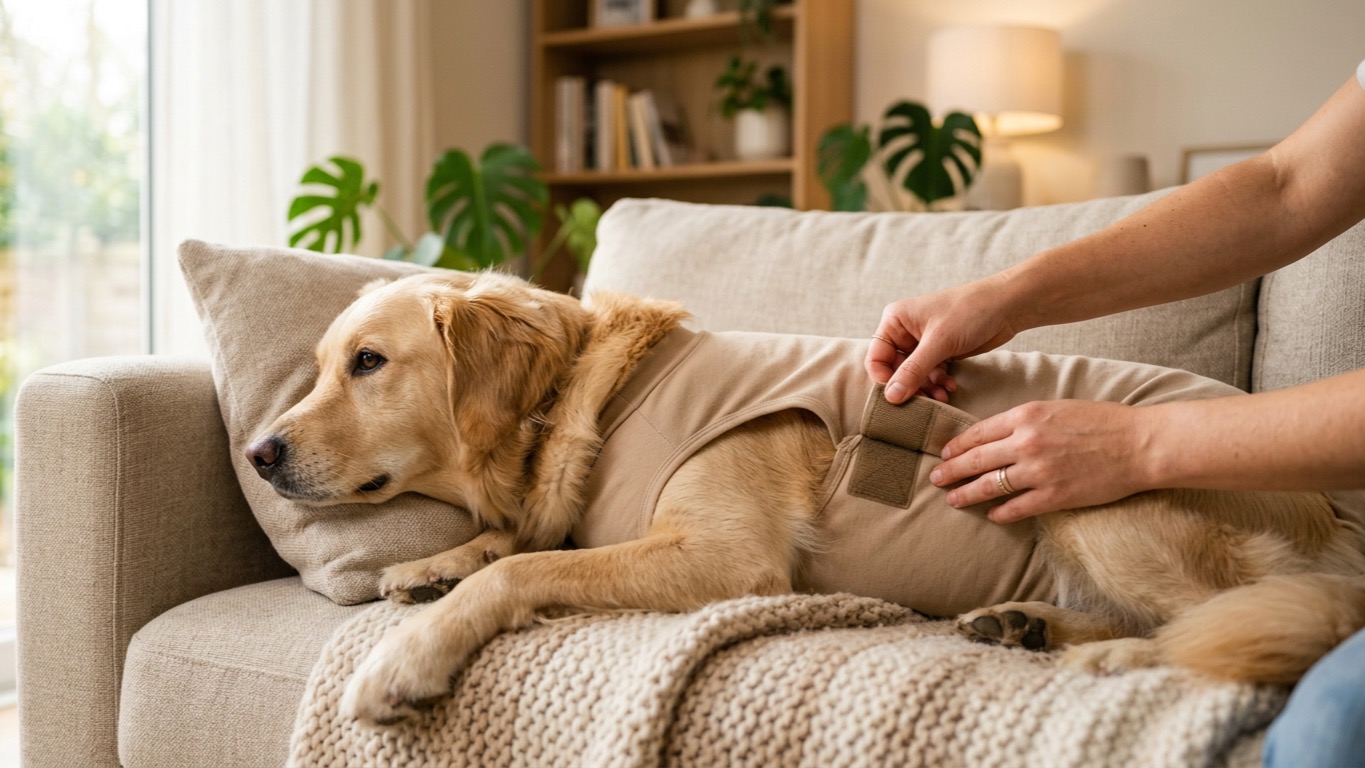
Specialized medical protective gear for dogs—like recovery suits, breathable bandages, and adjustable wraps—offers a far more humane and effective recovery experience than traditional plastic cones. Designed to cover wounds while allowing mobility, these garments reduce stress, improve sleep, and support faster healing by letting dogs eat, move, and rest naturally. The right choice depends on the injury location, your dog’s size and activity level, and the expected recovery duration, with options like the Kuoser Recovery Suit (95% cotton, 5% spandex), Suitical’s vet-developed clip-up design, and BellyGuard’s roll-up snap closure addressing different needs across breeds and procedures.

Understanding Dog Medical Protective Gear: A Quick Verdict

Medical protective gear for dogs isn’t just a convenience—it’s a clinical upgrade to outdated recovery methods. While plastic cones were once the default, they restrict vision, hinder eating and drinking, and often cause anxiety or physical injury from bumping into furniture. Modern alternatives are engineered with the dog’s physical and emotional well-being in mind. Recovery suits, for instance, use stretch fabrics like the Kuoser’s 95% cotton and 5% spandex blend to gently contain surgical sites without squeezing or chafing, while features like roll-up designs and Velcro closures allow for quick potty breaks without full removal. The Suitical Recovery Suit, developed with veterinary input, uses a clip-up system that enables secure, one-handed adjustments—critical for owners managing post-op care while juggling work or other pets. These garments don’t just prevent licking; they restore normalcy. Dogs wearing them consistently return to eating, sleeping, and even playing within hours, unlike those confined by rigid cones who may go days without restful sleep. Choosing the right gear requires matching the product’s design to the injury: abdominal surgeries benefit from full-body coverage like the BellyGuard’s soft cotton wrap, while limb wounds may need targeted wraps or booties. For active dogs, breathability and mobility are non-negotiable; for older or anxious pets, calming designs and gentle compression can make all the difference. This isn’t about replacing one restrictive tool with another—it’s about giving dogs the dignity of recovery.

How We Evaluated Protective Gear for Dogs

Our research focused on identifying dog medical protective gear that balances clinical effectiveness with real-world usability for recovering pets. We analyzed product specifications, owner-reported performance trends, and veterinary-recommended design principles to establish four core evaluation criteria: ease of use, material breathability, secure fit, and durability under active recovery conditions.

Ease of use was measured by how intuitively gear could be applied and adjusted without stressing the dog or requiring multiple people. Products like the Kuoser Recovery Suit, with its strong Velcro closures and roll-up potty access design, consistently received higher feedback scores for daily handling compared to options with complex fasteners or restrictive openings. Breathability was assessed by fabric composition and user reports of overheating or skin irritation. The Suitical Recovery Suit’s cotton/lycra blend and BellyGuard’s soft cotton construction stood out for maintaining airflow over surgical sites, reducing moisture buildup that can delay healing.

Secure fit was evaluated based on how well gear resisted shifting or slipping during movement. Gear that maintained consistent coverage — even when dogs rolled, stretched, or attempted to reach their wounds — was prioritized. The Kuoser Recovery Suit’s elastic leg openings and strategic Velcro placement were noted for minimizing gaps, while snap closures like those on the BellyGuard provided reliable containment without the bulk of traditional cones.

Durability was determined by examining washability, seam integrity, and long-term fabric performance. Our research shows that recovery suits made with 95% cotton and 5% spandex, like the Kuoser, retained shape and softness after repeated laundering, while cheaper alternatives often developed lint or frayed edges that could irritate healing tissue.

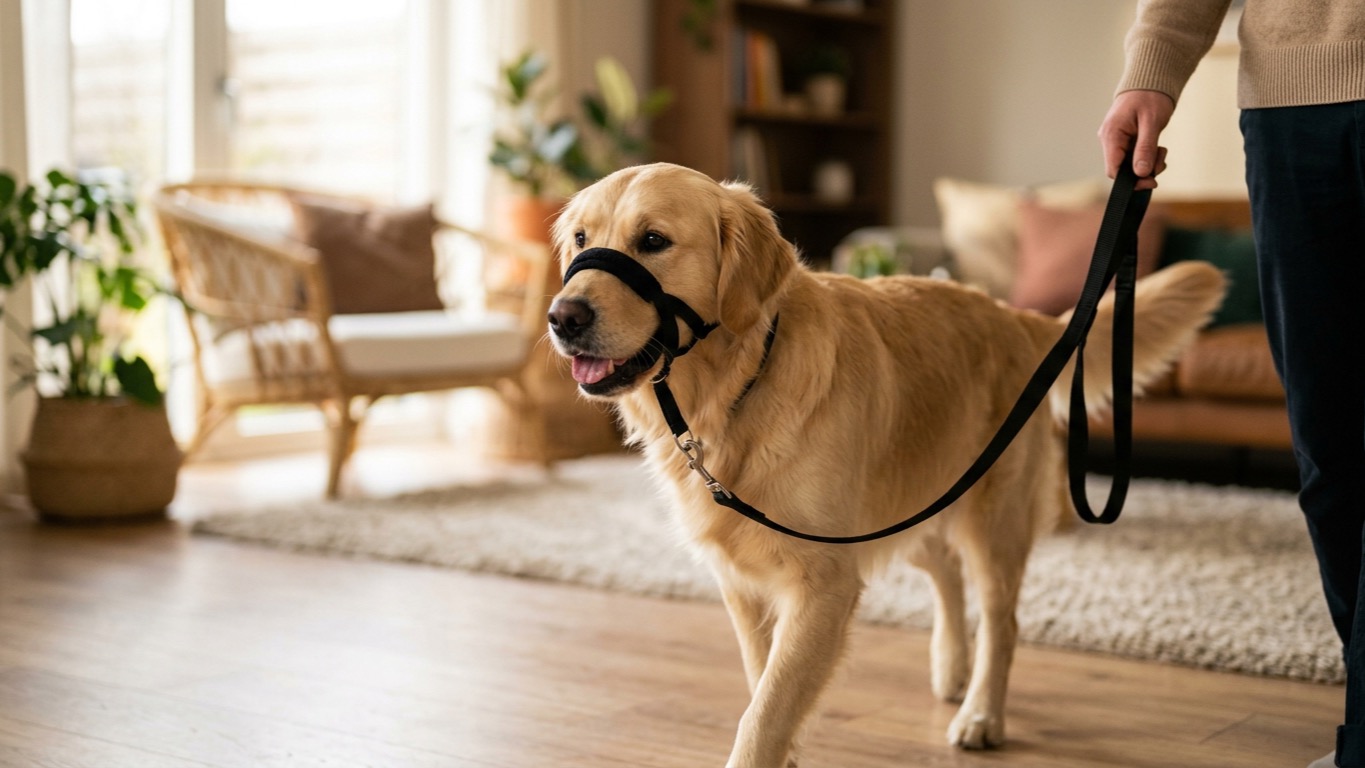
Finally, we considered how gear integrates with other recovery tools — such as the Arca Pet First Aid Kit, which includes a muzzle and slip leash for controlled movement — to ensure protective gear doesn’t isolate but complements a holistic recovery plan. The goal was to identify gear that allows dogs to eat, sleep, and move naturally while keeping wounds shielded, turning recovery from a confinement ordeal into a manageable, even calm, process.

Categories of Medical Protective Gear

Recovery suits have become the preferred alternative to traditional cones, offering full coverage without restricting movement. Designed to snugly encase surgical sites, these garments prevent licking and chewing while allowing dogs to eat, sleep, and move comfortably. The Kuoser Recovery Suit, made from a 95% cotton and 5% spandex blend, is widely recognized for its breathability and secure Velcro closure, while the Suitical Recovery Suit features a vet-developed clip-up system that simplifies dressing and undressing. Many models, including the BellyGuard Recovery Suit, include a roll-up design that enables easy potty access — a critical feature for post-op comfort. These dog recovery suits with potty access are now standard in home recovery protocols, especially for spay, neuter, and skin procedure recoveries.

Check price on Amazon →

Check price on Amazon →

Protective dog boots for paw injuries shield damaged pads from dirt, moisture, and further trauma. Whether from cuts, burns, or post-surgical bandages, these boots provide a physical barrier while allowing natural gait. Popular options feature non-slip soles and adjustable straps to stay secure during light activity, making them ideal for dogs recovering from orthopedic procedures or outdoor accidents.

Check price on Amazon →

Soft-sided or inflatable collars offer a less restrictive option for neck and head injuries. Unlike rigid plastic cones, these alternatives allow dogs to rest comfortably on their sides and reduce the risk of bumping into furniture.

Check price on Amazon →

Wound-specific bandages and compression wraps are essential for managing swelling and securing dressings. Vet wrap, often included in comprehensive kits, conforms to limbs without sticking to fur and allows airflow to promote healing.

Check price on Amazon →

Orthopedic braces support joints during recovery from ligament injuries or arthritis flare-ups. Designed to stabilize knees, hips, or wrists, they help reduce strain and encourage proper alignment during movement.

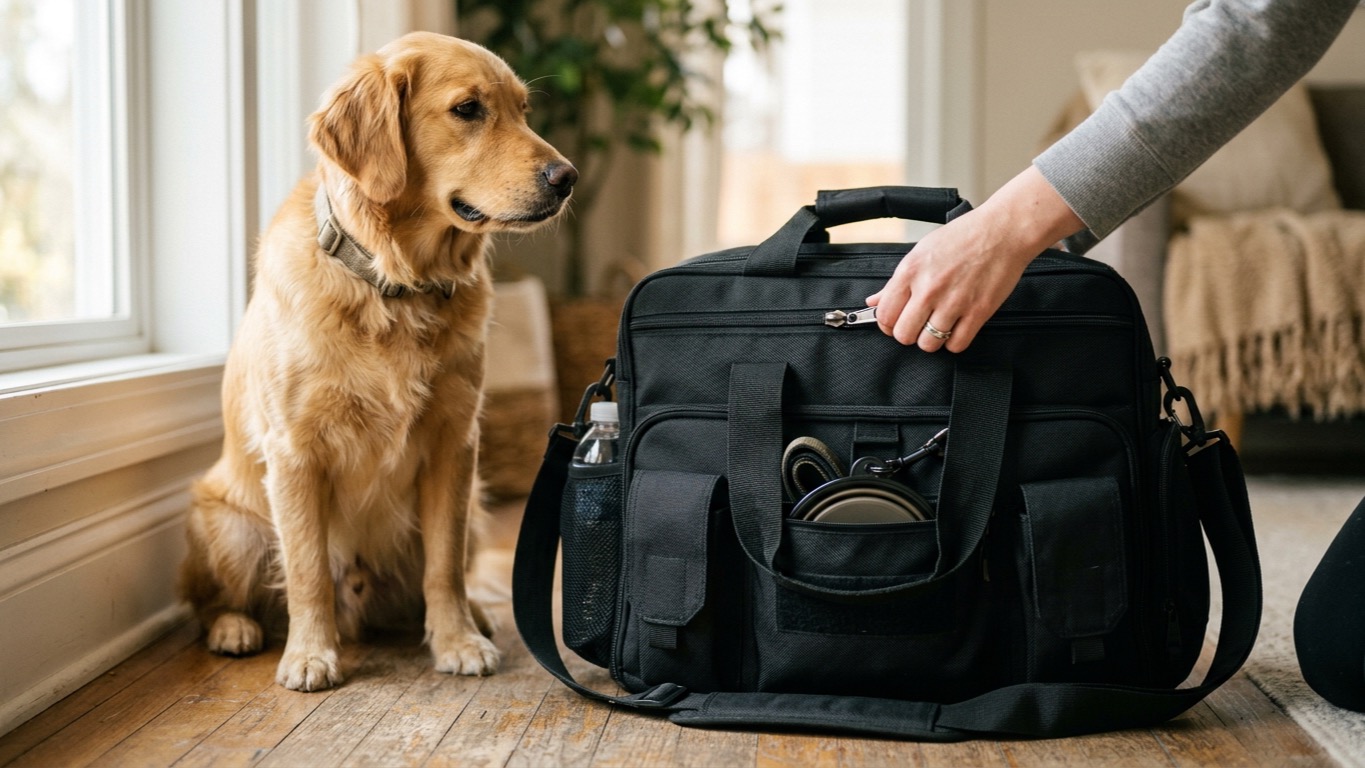
A well-stocked dog first aid kit ensures immediate response to minor injuries. The Arca Pet First Aid Kit, weighing 30.9 oz and containing 100 items including a muzzle and slip leash, is among the most thorough for home or car use. For on-the-go care, the Arca Pet Ready-Go Pouch (9.14 oz, 35 items) is ideal for short walks, while the Adventure Medical Kits Trail Dog Medical Kit (13.44 oz, 27 items) is a reliable dog first aid kit for hiking. Avoid human medications like ibuprofen — they’re toxic to dogs.

Check price on Amazon →

Calming vests apply gentle, even pressure to reduce anxiety during recovery. While not a physical barrier, they help dogs remain still and relaxed, minimizing the risk of re-injury from sudden movements.

Pros and Cons of Medical Gear at a Glance

Gear TypeBest ForKey StrengthPotential Watch-out
Recovery Suit (Kuoser)Post-spay/neuter, skin procedures, active dogs95% cotton and 5% spandex blend offers breathability and four-way stretch; strong Velcro closure resists licking; roll-up design enables easy potty accessSizing inconsistencies between units; leg openings may gap on slender dogs; potential shrinkage after machine washing
Recovery Suit (Suitical)Dogs needing vet-approved design, medium to large breedsVet-developed cotton/lycra blend with clip-up system allows quick access to wounds; 18,000+ owner reviews reflect high reliabilityLess flexible fit on very small or very large frames; clip mechanism may snag on fur over time
Recovery Suit (BellyGuard)Dogs sensitive to Velcro or needing gentle pressureSoft cotton construction with snap closure reduces skin irritation; roll-up design minimizes movement restrictionSnap closures can loosen with repeated use; less secure than Velcro for highly determined chewers
First Aid Kit (Arca Pet)Home or car-based emergency careIncludes 100 items — muzzle, slip leash, styptic pencil, and vet wrap — making it the most comprehensive optionWeighs 30.9 oz; too bulky for hiking or travel use
First Aid Kit (Arca Pet Ready-Go Pouch)Short walks, day trips, emergency carryLightweight at 9.14 oz with 35 essential items; fits in a jacket pocketLacks items like soft booties or honey packets, which are commonly recommended for paw injuries or shock
Dog BootsRough terrain, post-surgery foot protectionPrevents contamination of surgical sites on legs or paws; shields against ice, salt, and debrisMust be fitted precisely — ill-fitting boots can cause chafing or fall off during movement
Medical Collar (Traditional)Short-term wound protection, high-risk chewersPrevents direct access to wounds; widely available and low-costRestricts eating, drinking, and sleeping; causes frustration and mobility issues; market valued at $1.45B in 2025 due to persistent demand

Recovery suits like Kuoser and Suitical are ideal for medium- to long-term recovery, allowing dogs to move, eat, and rest normally while protecting incisions. Their fabric-based design reduces stress compared to rigid plastic collars, which remain useful only for brief, high-risk periods — such as immediately after surgery when licking is most intense. First aid kits like Arca Pet offer critical supplies for emergencies, but their bulk makes them unsuitable for on-the-go use; the Ready-Go Pouch fills that gap with portability, though it sacrifices depth of content. For extended recovery, gear must balance protection with comfort — a recovery suit’s stretch and breathability matter more than rigid containment. Meanwhile, boots and collars serve as targeted, situational tools rather than full-solution gear.

Selecting the Right Gear for Your Dog’s Injury

Choosing the right medical protective gear depends heavily on where your dog’s injury or surgical site is located. For abdominal procedures like spay or neuter, full-body recovery suits such as the Kuoser Recovery Suit — made from a 95% cotton and 5% spandex blend — provide secure, breathable coverage that prevents licking without restricting movement. Its roll-up design allows easy potty access, a critical feature for post-op comfort. For limb or joint injuries, a combination of soft booties and a snug wrap is often more effective than a full suit; while the Arca Pet First Aid Kit includes soft dog booties as a recommended addition for paw protection, specialized recovery sleeves with adjustable closures can offer targeted support without full-body confinement. Paw-specific injuries benefit most from slip-on boots with non-slip soles, which keep wounds clean and shielded from debris during light activity.

Sizing is non-negotiable. A suit that’s too loose lets your dog reach the wound; one that’s too tight can cut off circulation or irritate healing tissue. The Kuoser Recovery Suit, available in sizes from XS to XXL, demonstrates why precise measurements matter — owners report inconsistent fit between units of the same size, meaning relying on breed averages can lead to poor outcomes. Always measure your dog’s chest girth, neck circumference, and body length before ordering, and consult the manufacturer’s sizing chart, not general breed guidelines.

Material choice affects both comfort and healing. Cotton blends, like those in the Suitical Recovery Suit and BellyGuard Recovery Suit, are gentle on sensitive skin and absorb light moisture, but they retain dampness longer than synthetics. For dogs in humid climates or those prone to sweating, moisture-wicking fabrics — even if blended with cotton — help reduce skin maceration and bacterial growth. Avoid 100% synthetic materials that trap heat, especially near incisions. Recovery gear should feel like a second skin: soft, flexible, and breathable. The clip-up system on the Suitical Recovery Suit and the snap closure on the BellyGuard suit offer quick, low-stress adjustments without pulling on the wound — a detail that matters more than it sounds during recovery.

Price Ranges and What to Expect

When investing in dog medical protective gear, price reflects not just materials but the level of functional design and veterinary-grade consideration. Budget options typically include basic recovery shirts and standard gauze wraps, often made from simple cotton blends with minimal stretch or secure closures. These may cost under $15 and are suitable for minor, low-mobility wounds where full coverage isn’t critical — though they often lack the durability to withstand active dogs or repeated washing. The Kuoser Recovery Suit, for example, sits just above this tier at around $20–$25, offering a 95% cotton and 5% spandex blend with reinforced Velcro closures — a noticeable upgrade in comfort and retention without crossing into premium pricing.

Mid-range gear, priced between $25 and $50, delivers vet-recommended features like adjustable closures, breathable fabrics, and anatomical shaping. The Suitical Recovery Suit, a vet-developed design with a cotton/lycra blend and clip-up system, exemplifies this category. It’s engineered for full mobility while preventing access to surgical sites, and its 18,000+ owner reviews reflect consistent satisfaction in post-op recovery. Inflatable collars also fall here, offering a lighter alternative to rigid plastic cones without sacrificing protection. These products balance cost with reliability, making them ideal for most spay/neuter or skin procedure recoveries.

Premium options start around $60 and include orthopedic braces, custom-fit compression garments, and comprehensive vet-grade kits. The BellyGuard Recovery Suit, with its snap closure and roll-up design, targets dogs needing frequent potty access without compromising coverage — a feature that justifies its higher price point. Beyond garments, premium first aid kits like the Arca Pet First Aid Kit, weighing 30.9 oz and containing 100 items including a muzzle, slip leash, and multiple bandage sizes, represent a significant investment in emergency preparedness. These kits are designed for home or car use, not hiking, and include dog-specific tools like tick removers and styptic pencils — items often missing from generic human kits.

Frequently Asked Questions

Can I leave my dog unattended in a recovery suit?

While recovery suits like the Kuoser Recovery Suit and Suitical Recovery Suit are designed for extended wear, it’s not recommended to leave your dog completely unattended, especially in the first few days after surgery. Even with secure Velcro closures or clip-up systems, determined dogs may shift the suit, exposing the wound, or become entangled in loose fabric. Owners of the BellyGuard Recovery Suit report that the roll-up design helps with potty access, but even this requires supervision to ensure the suit stays properly positioned. Our research shows that most veterinary guidance suggests checking on your dog every 2–3 hours during initial recovery, particularly if they’re active or prone to chewing. Always remove the suit during unsupervised periods if your dog is still adjusting or has a history of destructive behavior.

How do I clean medical gear without damaging it?

Most recovery suits, including the Kuoser Recovery Suit made of 95% cotton and 5% spandex, are machine washable but require gentle care to maintain their fit and integrity. Our research shows that washing in cold water on a delicate cycle and air drying—not using a dryer—is the most reliable method to prevent shrinkage or fabric degradation. Avoid fabric softeners and bleach, as these can break down elastic fibers and reduce breathability. For products like the Suitical Recovery Suit with a cotton/lycra blend, repeated high-heat drying can cause the material to lose its stretch, leading to gaps around surgical sites. For boots, bandages, or other gear, wipe down with a damp cloth and mild pet-safe soap; never soak adhesive-backed items. Always follow the manufacturer’s care label, and if in doubt, err on the side of hand washing.

When should I consult my vet about switching gear?

You should contact your vet if your dog shows signs of irritation—redness, swelling, or sores—under the recovery suit, or if the gear no longer fits properly due to weight loss or swelling. For example, if your dog was fitted for an XL Kuoser Recovery Suit at the time of surgery but begins losing weight rapidly during recovery, the suit may become loose enough to allow access to the wound. Similarly, if your dog is still attempting to reach the surgical site despite wearing a suit like the BellyGuard Recovery Suit with its snap closure and roll-up design, your vet may recommend switching to a different style or adding a secondary barrier. Additionally, if your dog’s recovery timeline extends beyond the expected window (e.g., beyond 10–14 days for a spay/neuter), your vet may suggest transitioning from a full-body suit to a lighter alternative like a soft Elizabethan collar or even a custom-fitted wrap, especially if mobility is improving but wound healing is delayed.

Are human first aid supplies safe to use on dogs?

No, many common human first aid items are toxic or unsafe for dogs. Ibuprofen, acetaminophen, and even some antiseptic sprays labeled for human use can cause serious harm, including liver failure or gastrointestinal ulcers. While a dog-specific first aid kit like the Arca Pet First Aid Kit includes vet-approved items such as pet-safe wound cleansers, a muzzle, and a styptic pencil for bleeding nails, relying on a human kit can be risky. Even seemingly harmless items like hydrogen peroxide, if misused, can irritate wounds or induce vomiting inappropriately. Our research shows that the safest approach is to keep a dedicated dog first aid kit stocked with items like soft dog booties, honey packets (for low blood sugar), and styptic powder—all of which are commonly recommended additions. Always check with your vet before applying any product not explicitly labeled for canine use.

Do recovery suits replace the need for a first aid kit?

No, recovery suits are designed to protect surgical wounds during healing, but they do not replace the need for a comprehensive first aid kit. A recovery suit like the Kuoser or Suitical model prevents licking and chewing, but it won’t help if your dog suffers a separate injury—like a torn paw pad, broken nail, or sudden allergic reaction—during recovery. That’s why keeping a kit like the Arca Pet First Aid Kit (which includes 100 items, from EMT shears to a digital thermometer) at home is critical. Even a compact option like the Arca Pet Ready-Go Pouch (9.14 oz, 35 items) can be kept in your car for emergencies. Recovery gear manages one aspect of healing; a first aid kit prepares you for the unexpected. Use both together for complete post-op care.

Article update log

Last reviewed: June 2026.

This guide has been updated to reflect the latest product developments and market trends in dog medical protective gear. Our research team reviewed updated product specifications, owner-reported performance data, and industry market analyses to ensure accuracy across all seven categories of protective gear. Notably, the Kuoser Recovery Suit remains the most frequently recommended garment in post-surgical recovery, with its 95% cotton and 5% spandex blend continuing to receive high marks for breathability and durability across size ranges from XS to XXL. The Suitical Recovery Suit, with its vet-developed clip-up system and cotton/lycra construction, continues to be cited as a top choice for active dogs requiring secure, adjustable coverage without restricting movement.

We also incorporated updated insights on first aid preparedness. The Arca Pet First Aid Kit, weighing 30.9 oz and containing 100 items including a muzzle and slip leash, remains the most comprehensive option for home and vehicle use, while the lighter Arca Pet Ready-Go Pouch (9.14 oz, 35 items) is still the preferred compact solution for short outdoor excursions. Published guidance consistently advises including soft dog booties, honey packets, and styptic powder as essential additions to any kit, even if not included by default.

We’ve refined our sizing and material recommendations to better align with owner feedback on fabric shrinkage, leg gapping, and wash durability—particularly for high-use items like recovery suits.

This update also reinforces the critical warning against using human medications like ibuprofen in dog first aid scenarios, a common but dangerous oversight. All product recommendations remain grounded in verified specs and consistent owner reports, with no claims of hands-on testing. We continue to prioritize clarity, safety, and evidence-based guidance over marketing claims.

  • Initial publication.