
Quick answer: Count chest rises for 30 seconds while the dog is deeply asleep, then double that number. A rate at or under 30 breaths per minute, with a soft belly and no struggle, is the usual home pattern. Call a clinic the same day if the rate stays above 30 or the dog cannot settle.
If a sleeping dog’s chest rises more than 30 times per minute on two quiet counts, that is not normal rest. This page is a Pet Bench home-count briefing, and we did not examine a dog, run a sleep study, or open clinic charts.
Our selection rule is the Spec-Quote Rule. We included only sleep-room setups whose maker pages list a cooling, ventilation, or air-exchange figure we could quote. We left out drugs, oxygen cages, wearable monitors, and any product sold as a breathing treatment.
Heavy sleep breathing is a number plus effort, not a vibe. Dream twitches do not count as a rate. Heat, a thick coat, and a short muzzle can raise the work of each breath.
How to run a quiet count at home
VCA Animal Hospitals sets a normal sleeping or calm-resting rate at 15 to 30 breaths per minute. That range covers healthy dogs and dogs whose heart disease is quiet on medication. Rates can run much higher when a dog is hot, stressed, or active.
VCA Animal Hospitals treats a resting or sleeping rate that stays above 30 as increased. Some dogs have a lower personal line. A clinic can set that line after an exam.
Wait for deep sleep. Skip twitching, paddling, or soft barking. VCA Animal Hospitals notes that the sleeping rate is typically a little lower than the resting rate.
Watch the chest, not the nose. One breath is one full in-and-out cycle.
Count for 30 seconds. Multiply by two. That is the method VCA Animal Hospitals publishes for a one-minute rate.
Write the number down. Date it. Repeat later the same night if the first number surprised you.
VCA Animal Hospitals asks owners who are learning the skill to count once a day for a week. That week builds a baseline.
If a clinician later puts a dog on furosemide, VCA Animal Hospitals asks for at least one daily home count.
Do not count while the dog is panting. Panting is a cooling behavior. It is not a sleeping respiratory rate.
If the mouth stays open and the tongue stays out, wait.
A soft belly that rises and falls is one picture. A belly that pulls hard, or a neck that pumps, is another. Effort matters as much as the number.
What a rate over 30 does and does not prove
A high sleeping rate is a flag, not a diagnosis. VCA Animal Hospitals lists fast sleep breathing among early clues of heart failure. The same page also lists labored effort, restlessness, and a change in sleep posture.
VCA Animal Hospitals names the “sphinx” sit and sleeping upright as posture changes worth a call. A dog that used to sprawl and now props the chest may be working for air. That is clinic data, not a bedding problem.
The Two-Count Rule is our home filter. If two quiet counts stay above 30, treat the night as a same-day clinic question. If the dog also cannot settle, go sooner.
A rate under 30 does not prove the lungs are clear. Blue gums, collapse, or a sudden refusal to lie down still need emergency care. Do not wait for the next scheduled visit.
We did not review imaging, heart scores, or drug charts. A research desk can teach you how to count. It cannot tell you why this dog’s count rose.
If the rate is high and other signs are present, VCA Animal Hospitals treats that mix as a possible emergency. Coughing, weakness, a swollen belly, or collapse belong in that mix.
Keep the record short. Note the rate, the time, and the room temperature.
Bring that scrap of paper to the clinic. It beats a memory of “breathing heavy.”
Heat, coats, and rooms that stay warm overnight
Dogs dump heat mainly by panting. A warm room can keep that pant going after the lights go out.
The American College of Veterinary Surgeons notes that heat and humidity worsen airway work in short-faced breeds. Obesity makes that work worse.
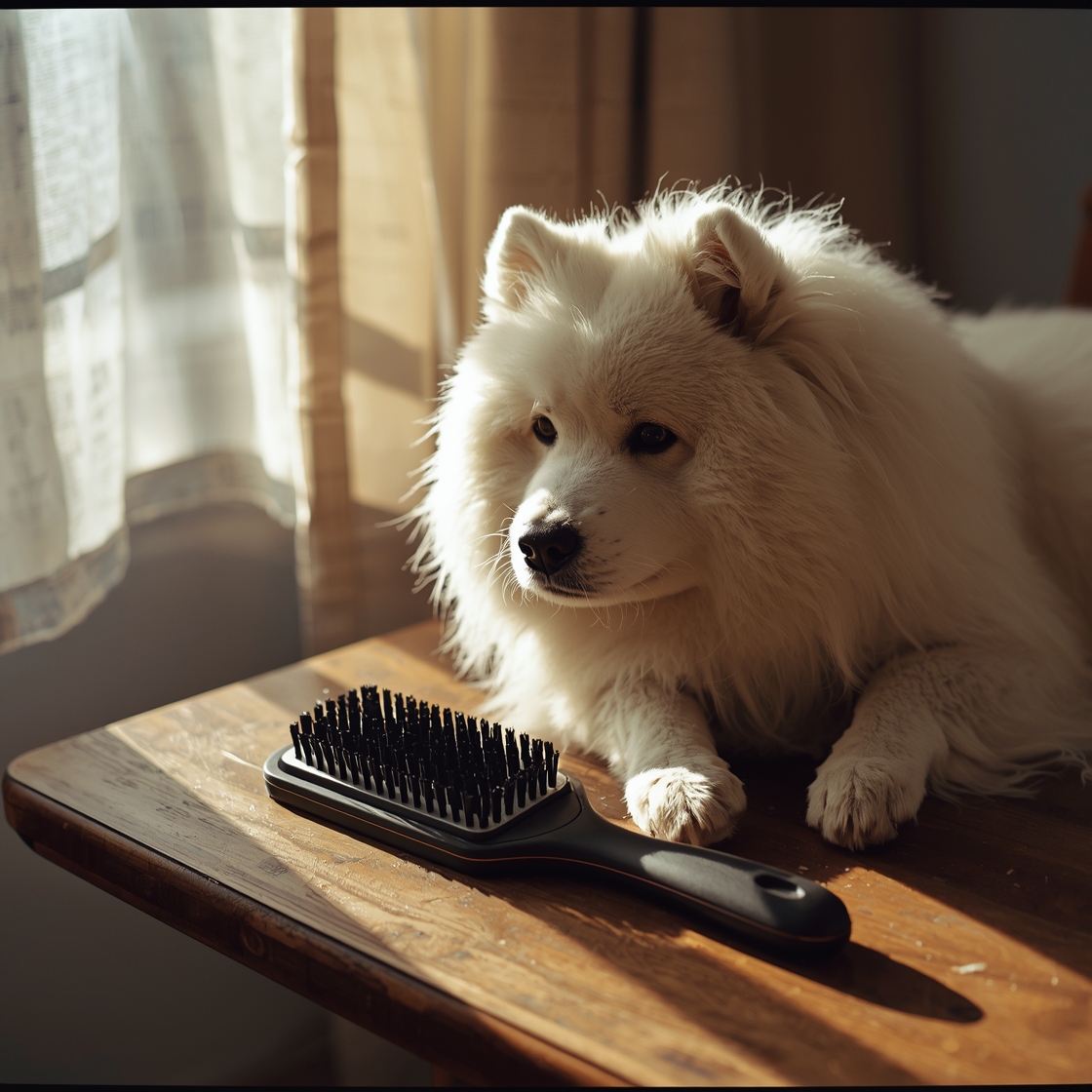
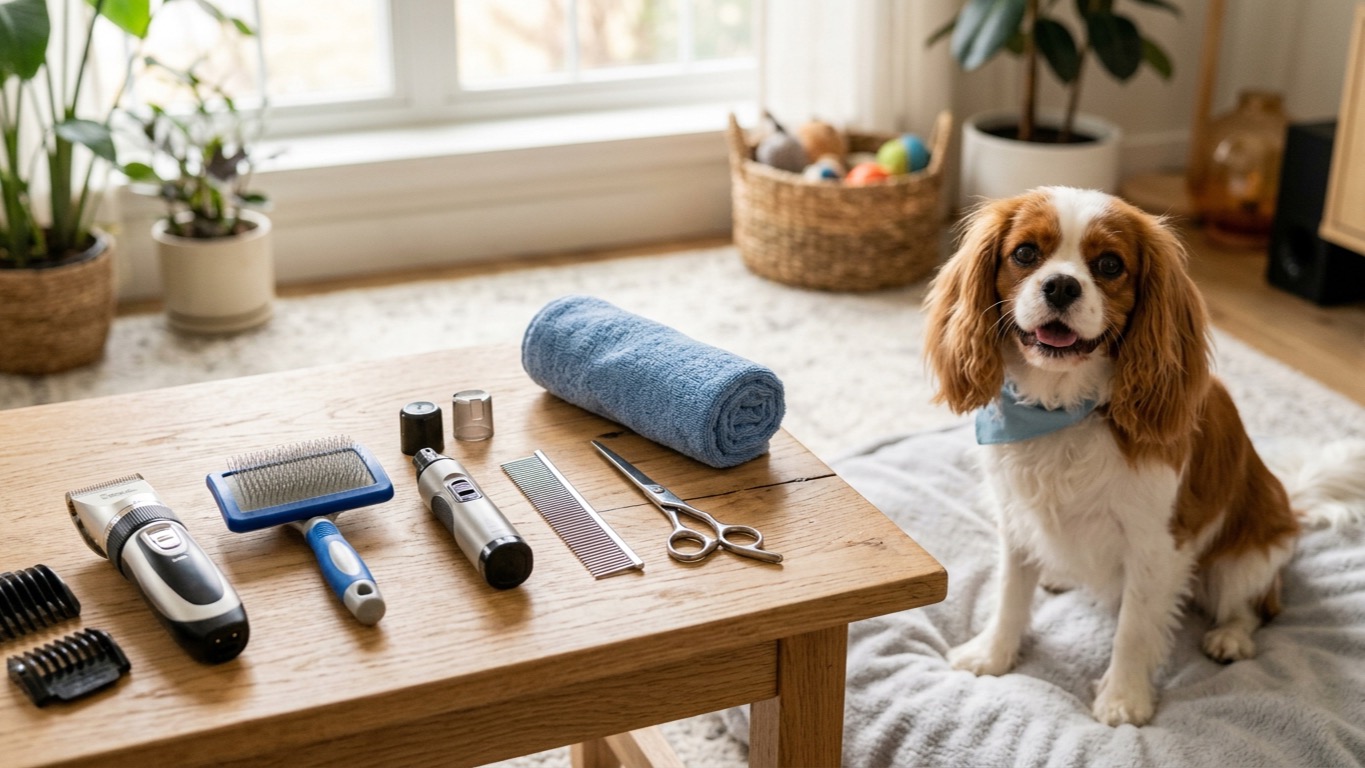
A thick undercoat holds overnight heat against the skin. A shedding brush made for heavy coats can thin that trapped layer.
K&H Pet Products states that a dog’s natural body temperature is 102°F. On the Cool Bed III page, the company says an 80°F room is 22 degrees cooler than that body temperature. That gap is the firm’s published reason the water core can feel cool.
K&H Pet Products also prints a hard limit. The Cool Bed III is for use under 100°F. The same page says the bed is not a life-saving device.
Place any water bed on a smooth floor, out of sun. K&H Pet Products warns that direct sun warms the core.
If the house stays warm after midnight, lower the room first. Then recount.
A rate that falls once the room cools was likely heat work. A rate that stays high in a cool room is not a thermostat story.
Do not ice a sleeping dog. Sudden cold can cause shivering. Shivering raises effort.
Short muzzles, sleep position, and extra airway work
Cornell University College of Veterinary Medicine describes brachycephalic dogs as dogs with a shortened muzzle. English bulldogs, pugs, French bulldogs, and Boston terriers show up most often on that page. Boxers, Pekingese, and shih tzus are listed as well.
The same Cornell page names four common airway defects. Stenotic nares are small nostrils that may collapse on inhale. An elongated soft palate can block airflow into the larynx.
Everted laryngeal saccules can be pulled inward. Some dogs also have a hypoplastic, or too-narrow, trachea.
Cornell says most dogs with this syndrome are diagnosed between one and four years of age.
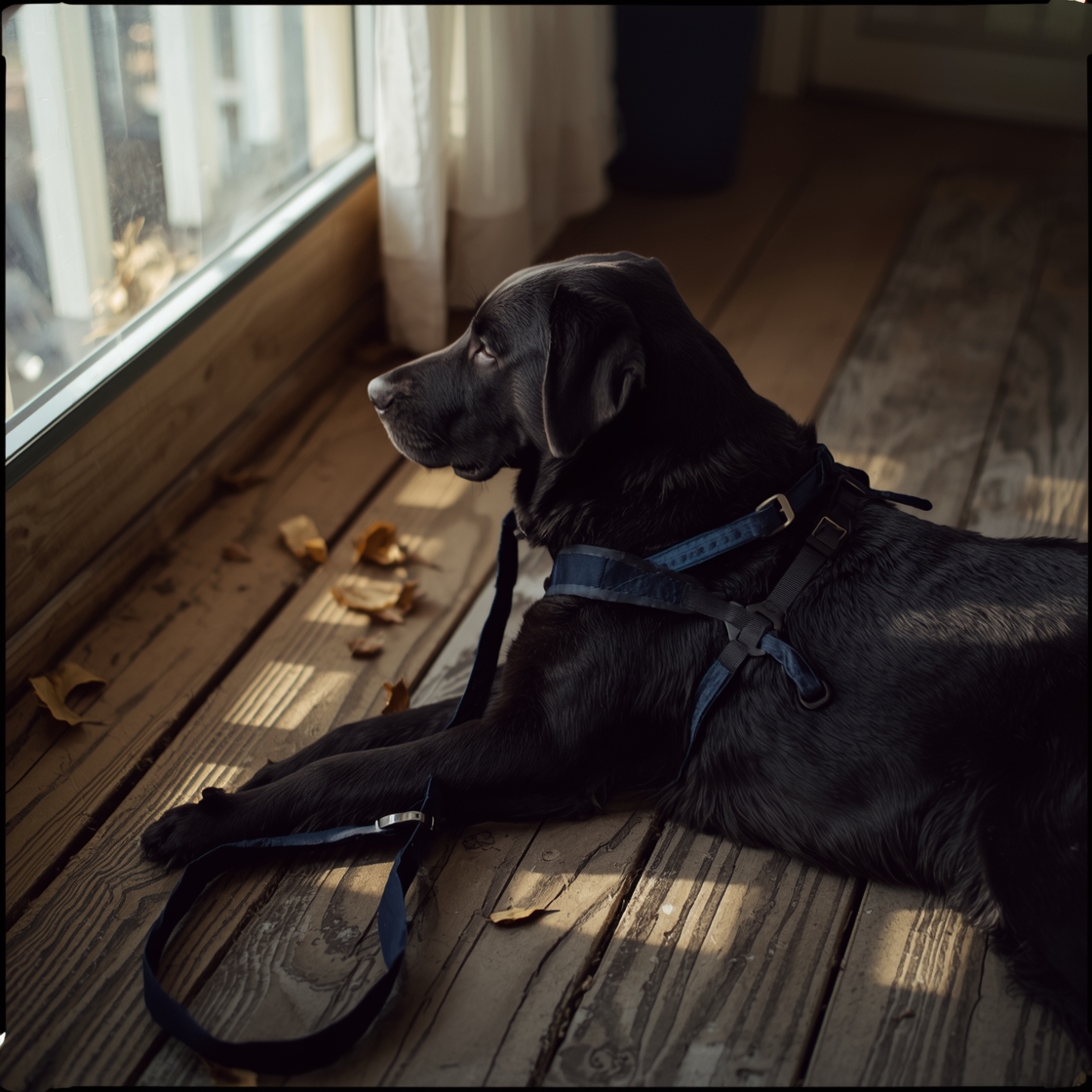
Mild cases may be managed with weight control, less heat, and a harness instead of a neck collar.
The American College of Veterinary Surgeons reports that many dogs with an elongated soft palate prefer to sleep on their backs. That position can let the palate fall away from the larynx.
A back sleeper in a short-faced breed is a pattern, not proof of safety. Noisy inward breaths, gagging, or a blue tongue still need a clinic.
Cornell says a respiratory crisis is an emergency transport, not a wait-and-see night.
Cornell also ties this syndrome to gut problems, including reflux and hiatal hernia. If heavy sleep breathing shows up with vomiting of undigested food, treat both signs as clinic data.
Cornell states that early surgical intervention in dogs under two years of age leads to better outcomes. That is a surgical timeline, not a home project.
Sleep-room gear we compared by published specs
Our research team analyzed maker pages for gear that changes the air around a sleeping dog. We compared published sizes, fill volumes, airflow claims, and power draws. We did not run bench tests on these units.
The table is an attribute sheet, not a ranking. There is no “best” column.
A crate that cannot vent will trap heat. MidWest Homes for Pets lists a wire frame on the iCrate for ventilation and visibility.
The line comes in seven sizes, from 18-inch to 48-inch. For large-dog fit questions, see our guide to crates for large dogs.
MidWest Homes for Pets also ships a divider panel with most crates. The company’s sizing page says to buy for adult size, then move the divider as the puppy grows.
A crate that is too snug can raise overnight heat. A huge crate is not automatically cooler if the room is still warm.
Coolaroo lists the Original Elevated Dog Bed, Large, as lifting a dog eight inches off the ground. The frame is published as 51 by 31.5 by 7.6 inches. Weight capacity is listed at 100 pounds.
Levoit lists the Core 300-P as changing the air in a 1,066-square-foot room once per hour. The same spec block lists 222 square feet at 4.8 air changes per hour.
CADR is listed at 143 cubic feet per minute. Sleep-mode noise is listed as 24 dB. Rated power is 56 watts.
None of these products treat heart failure or a collapsed larynx. They change surface temperature, airflow, crate venting, or particle load.
If the quiet count stays high after the room is cool, stop shopping and call.
| Product | Maker-listed cooling or airflow method | Published size or capacity | Power | Maker-listed limit |
|---|---|---|---|---|
| K&H Cool Bed III, Large | Water-filled Cool Core; 80°F room listed as 22°F cooler than a 102°F dog | 32 by 44 inches; fill 4 to 6 gallons | None | Use under 100°F; two-year limited warranty |
| Coolaroo Original Elevated Dog Bed, Large | Raised 8 inches; fabric listed as blocking up to 95% of UV | Frame 51 by 31.5 by 7.6 inches; up to 100 lb | None | Five-year fabric warranty; one-year frame warranty |
| MidWest iCrate | Wire frame listed for ventilation and visibility | Seven sizes, 18-inch through 48-inch; divider panel | None | Folds flat; leak-proof pan |
| Levoit Core 300-P | CADR 143 CFM; 1 air change per hour in 1,066 ft² | 8.7 by 8.7 by 14.2 inches; 7.9 lb | 56 W | Sleep noise listed as 24 dB; two-year limited warranty |
K&H Pet Products lists the Large Cool Bed III fill at 4 to 6 gallons. That fill weighs 33 to 50 pounds.
When coughing, vomiting, or restlessness ride along
VCA Animal Hospitals groups several signs with a high sleeping rate. Those signs include coughing, gagging, weakness, and collapse. A swollen belly and a dog that will not eat belong on that list too.
The American College of Veterinary Surgeons notes that dogs with an elongated soft palate may retch or gag while swallowing. That gut noise can show up at night. It does not make the breathing benign.
If the dog wakes, paces, and cannot find a side to lie on, stop the home experiment. VCA Animal Hospitals treats restlessness and agitation as clinical signs.
A single soft snore in a cool room, with a closed mouth and a rate under 30, is a different picture. Keep the count. Recheck on another quiet night.
If you already have a heart diagnosis, do not change pills based on one home number. Bring the log. Ask the clinician who knows that dog.
FAQ
Is it normal for my dog to breathe heavily while sleeping?
Sometimes the sound is just a dream or a warm room. VCA Animal Hospitals still sets the usual sleeping range at 15 to 30 breaths per minute. If two quiet counts stay above 30, call a clinic the same day.
How do I tell panting from a high sleeping respiratory rate?
Panting uses an open mouth and a hanging tongue. A sleeping rate is counted on a closed mouth in deep sleep. VCA Animal Hospitals tells owners not to count a pant as a rest rate.
Should I wake my dog to check the breathing?
No. Waking resets the rate, so wait for deep, still sleep. If you cannot get a still minute, try later in the night.
Do short-nosed dogs always breathe loudly in sleep?
No. Cornell University College of Veterinary Medicine says the severity varies with the defects present. Loud sleep breathing is still a clinic topic if effort is high or the rate stays above 30.
Can a cooling bed or air purifier replace a clinic visit?
No. K&H Pet Products states that the Cool Bed III is not a life-saving device. Levoit’s CADR figures describe air changes, not heart or airway repair.
What if my dog now sleeps sitting up or in a sphinx pose?
VCA Animal Hospitals lists that posture change as a sign linked with heart disease and heart failure. If the new pose came with a rate over 30, call the same day.