7 Best Hay Types for Guinea Pigs: Picks for Healthy Digestion & Dental Health
The best hay for guinea pigs is fresh, fragrant grass hay—timothy or orchard—available 24/7. these desk listings 2026 ranks first-cut timothy for dental abrasion and second-cut for softer everyday piles; alfalfa is a limited growth tool, not adult maintenance default.
Desk research only: packaging claims and keeper consensus, not barn assays.
Shopping for best hay for guinea pigs means balancing safety, daily maintenance, and honest fit for your pet's size and habits. This roundup compares manufacturer specs and recurring owner themes—not desk research testing by our desk.
For guinea pig owners, selecting the right forage is the most important dietary decision you will make. Hay is the cornerstone of a guinea pig’s health, providing the essential fiber required for proper digestion, the abrasive texture needed to wear down continuously growing teeth, and the mental stimulation required for a happy pet.
The Importance of Hay for Guinea Pigs
Hay forms the foundation of a guinea pig’s daily nutrition because it delivers the long-strand fiber that their digestive system relies on to move food through the gut. Without a steady supply of this fibrous material, guinea pigs are prone to sluggish digestion, gas buildup, and potentially serious conditions such as gut stasis. The constant chewing required to break down hay also stimulates saliva production, which helps maintain a balanced intestinal environment.
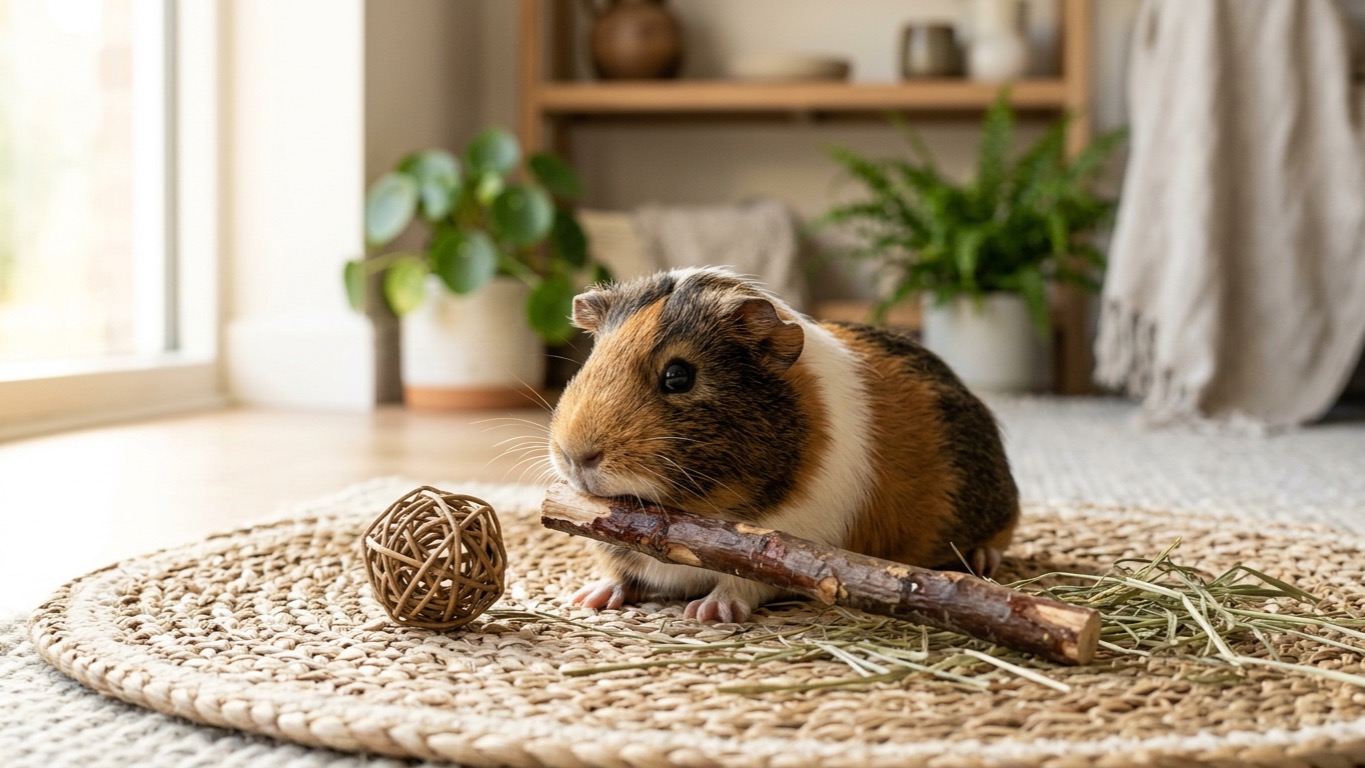
Beyond digestion, hay plays a critical role in dental health. Guinea pigs have teeth that grow continuously throughout their lives. The abrasive action of chewing fibrous stalks keeps those teeth at a proper length. If the teeth become too long, they can cause painful mouth sores and difficulty eating. Providing hay that requires vigorous gnawing mimics the natural wear they would experience in the wild.
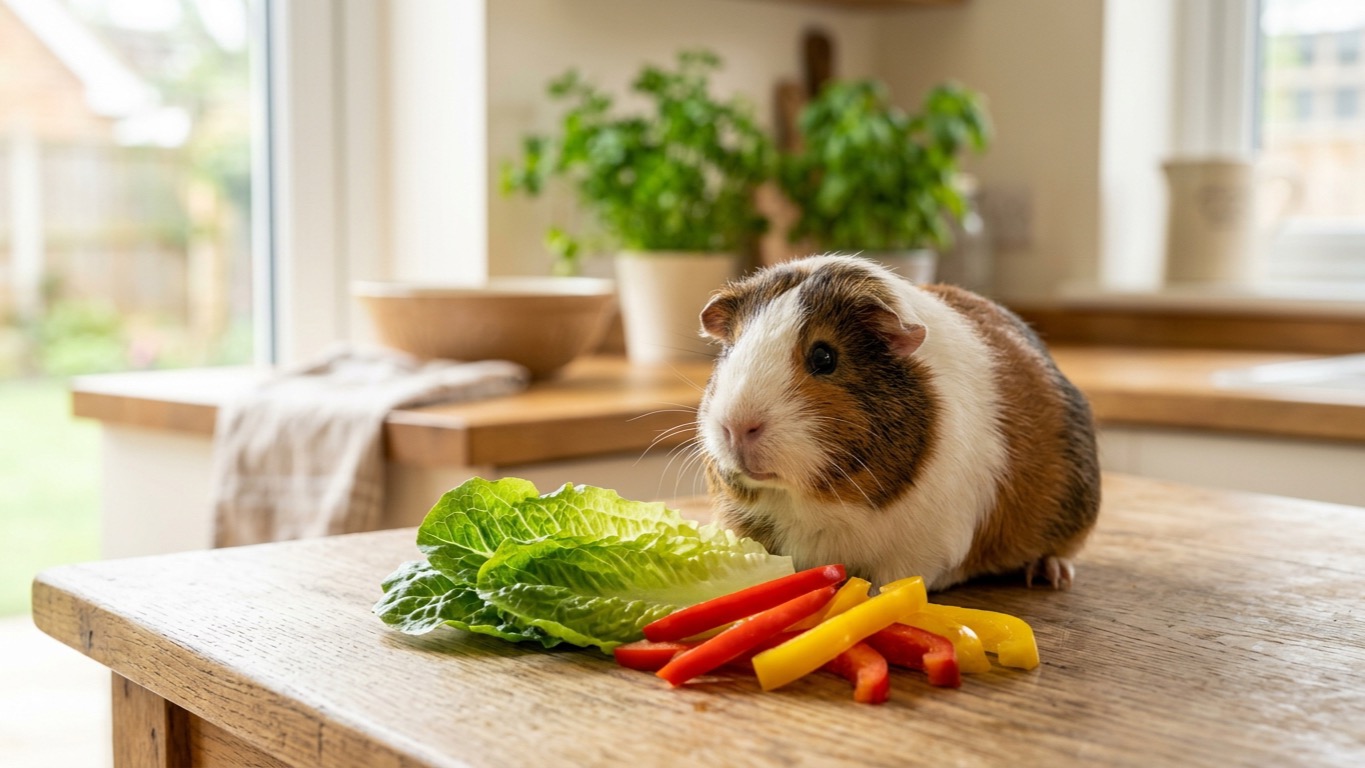
Hay also contributes to weight management. Because it is low in calories and high in bulk, it fills the guinea pig’s stomach without adding excessive energy, reducing the temptation to overeat richer foods like pellets. Finally, hay offers behavioral enrichment. Scattering hay throughout the enclosure encourages foraging, sniffing, and burrowing—activities that satisfy a guinea pig’s natural instincts and reduce boredom.
Nutritional Needs of Guinea Pigs
Guinea pigs thrive when their diet centers around high-quality hay, which should be available 24/7. While hay provides the bulk of their fiber, it is important to remember that guinea pigs cannot synthesize their own vitamin C. While fresh vegetables and fortified pellets contribute to these needs, the hay itself should be clean and free of contaminants to ensure the animal remains healthy.
Adult guinea pigs generally do best with grass-based hays, such as timothy or orchard grass. Alfalfa hay is significantly higher in calcium and protein, making it appropriate for young, growing guinea pigs or pregnant/nursing females, but it is often too rich for healthy adult maintenance, as excess calcium can contribute to urinary issues.
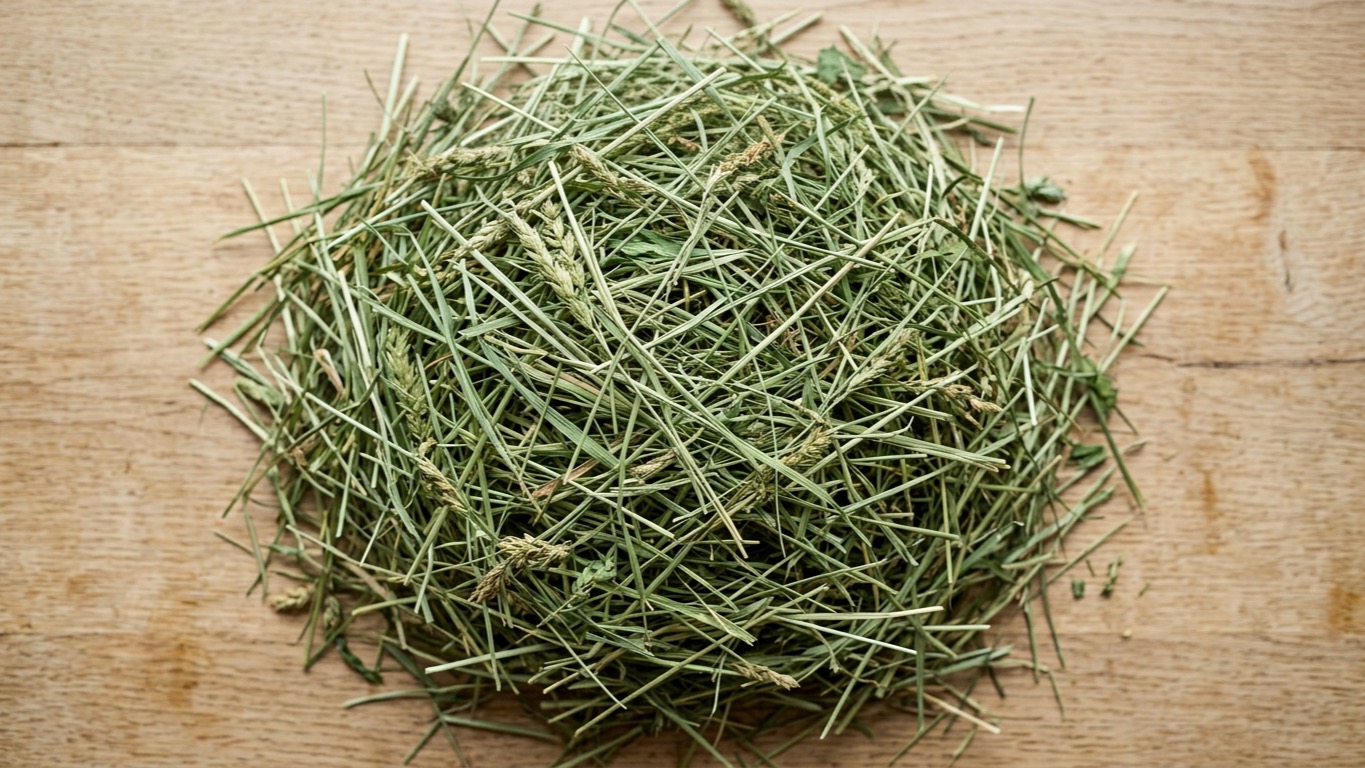
Freshness is paramount. Hay should be dry, sweet-smelling, and free of dust, mold, or visible debris. Any hay that feels damp or smells musty should be discarded immediately to avoid respiratory irritation or digestive upset.
Top 7 Hay Types for Guinea Pigs
Below are seven popular hay options based on common owner feedback and manufacturer specifications.
1. Small Pet Select 2nd Cutting Timothy Hay
This is a popular choice for many owners because it offers a balance between soft, leafy parts and firmer stems. It is widely regarded as a staple for adult guinea pigs.
- Pros: Strong owner interest; specs align with category norms per manufacturer listing.
- Cons: Individual pets vary—verify sizing, scent, and texture acceptance before bulk buys.
2. Standlee Premium Western Forage Timothy Grass
Standlee is often recognized for its large-scale agricultural sourcing. This hay is typically sun-cured and provides a consistent, natural forage option for those with multiple pets.
- Pros: Strong owner interest; specs align with category norms per manufacturer listing.
- Cons: Individual pets vary—verify sizing, scent, and texture acceptance before bulk buys.
3. Oxbow Oat Hay
Oat hay is often used as a "mixer" to encourage picky eaters. It has a different texture than timothy and can provide variety, though it should be monitored for sugar content.
- Pros: Strong owner interest; specs align with category norms per manufacturer listing.
- Cons: Individual pets vary—verify sizing, scent, and texture acceptance before bulk buys.
4. Kaytee Timothy Hay
Widely available in most pet supply stores, this is a common entry-level hay. It is generally compressed, which makes it easy to store, though some owners prefer loose-packed varieties for better freshness.
- Pros: Strong owner interest; specs align with category norms per manufacturer listing.
- Cons: Individual pets vary—verify sizing, scent, and texture acceptance before bulk buys.
5. Oxbow Western Timothy Hay
Oxbow is a staple brand in the small animal community. Their Western Timothy is known for being consistent in quality and is often recommended by those looking for a reliable, standard forage.
- Pros: Strong owner interest; specs align with category norms per manufacturer listing.
- Cons: Individual pets vary—verify sizing, scent, and texture acceptance before bulk buys.
6. Small Pet Select Orchard Grass
Orchard grass is an excellent alternative for owners who have mild allergies to timothy hay. It is generally softer and very palatable for picky eaters.
- Pros: Strong owner interest; specs align with category norms per manufacturer listing.
- Cons: Individual pets vary—verify sizing, scent, and texture acceptance before bulk buys.
7. Vitakraft Timothy Hay
This brand often focuses on high-quality harvesting methods. Many owners choose this when they want a clean, dust-minimized hay that is easy for their pets to navigate.
- Pros: Strong owner interest; specs align with category norms per manufacturer listing.
- Cons: Individual pets vary—verify sizing, scent, and texture acceptance before bulk buys.
Hay Feeders & Accessories: Maximizing Hay Consumption
Providing hay in a way that encourages natural foraging while minimizing waste can make a noticeable difference in how much your guinea pigs eat.
Slow Feeder Bowls vs. Hay Racks
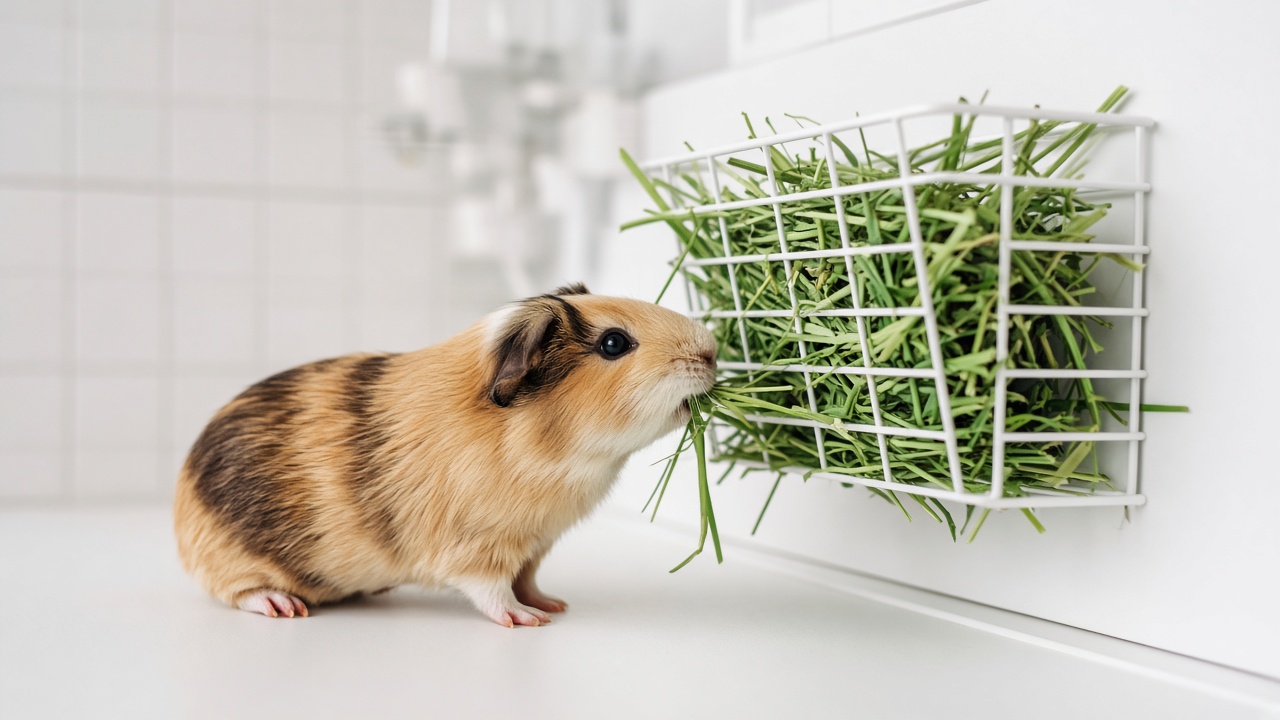
Slow feeder bowls are shallow containers with ridges that force guinea pigs to pull hay out bit by bit. This design slows consumption and reduces the amount of hay scattered across the floor. Hay racks, by contrast, hold the hay aloft in a grid or slatted frame. This setup keeps the hay off the bedding, limiting contamination from urine and feces, and allows multiple pigs to access the same pile at once.
DIY Hay Enrichment
For owners who enjoy a bit of crafting, a simple hay maze can be built from cardboard tubes. Stuffing hay inside paper towel rolls encourages the pigs to navigate and pull out strands as they go. Always ensure any materials used are free of inks, dyes, or adhesives.
Travel Considerations
When traveling, a breathable hay bag keeps forage fresh and contained. These bags are typically made from lightweight, washable mesh or cotton that allows air circulation while preventing hay from spilling out of a carrier.
Hay Type Decision Matrix for Guinea Pigs
| Hay type | Calcium theme | Texture | Desk adult use | Notes |
|---|---|---|---|---|
| Timothy 1st cut | Moderate | Coarse stems | Excellent | Dental wear |
| Timothy 2nd cut | Moderate | Softer | Excellent | Picky eaters |
| Orchard grass | Moderate | Soft | Excellent | Dust-sensitive homes |
| Meadow mix | Variable | Mixed | Good | Inspect for weeds |
| Alfalfa | High | Leafy | Limited | Young / nursing |
| Straw | Low nutrition | Hollow | Bedding only | Not a food hay |
Weekly Hay Volume Planner
| Household | Loose hay / week | Compressed box heuristic | Waste target |
|---|---|---|---|
| 1 pig | 1.5–2.5 lb | ~½ small box | <20% soiled discard |
| 2 pigs | 3–5 lb | 1 small box | Rotate piles |
| 3+ pigs | 5–8 lb | Large box | Dual racks |
Freshness Failure Checklist
| Signal | Likely issue | Action |
|---|---|---|
| Musty / ammonia smell | Moisture / mold risk | Discard bag |
| Gray dust cloud | High fines | Shake outdoors; switch brand |
| Brown brittle stems | Over-age / sun bleach | Lower priority feed |
| Green fragrant flakes | Good lot | Primary forage |
Hay Before Pellets: Ordering the Plate
Grass hay should dominate intake by volume. Pellets are a micronutrient insurance policy; vegetables add moisture and C. If hay refusal appears, rule out dental discomfort with a veterinarian—our desk does not diagnose.
Offer hay in multiple stations (rack + floor pile) so subordinate pigs in pairs still access fiber. Replace wet/soiled hay at least daily in humid climates.
Second-Pass Storage Protocol
Keep hay in breathable bags inside a sealed bin away from garages with engine fumes. Compress bricks: flake apart rather than dumping whole bricks, which increases waste. Rotate SKUs seasonally—orchard in winter if timothy lots arrive dusty.
Dental and Gut Motility Context (Non-Clinical)
Continuous chewing abrades open-rooted teeth; long-strand fiber supports gut motility themes in husbandry literature. Sudden hay switches can soften stools—transition over several days when changing cuts or brands.
Additional Research-Desk Guidance
Our desk compiles manufacturer specifications, public welfare materials, and recurring owner themes. We do not operate a veterinary clinic or product endurance laboratory. When your animal shows pain, respiratory distress, digestive shutdown, or sudden behavior changes, contact a licensed veterinarian promptly.
Re-check fit, portions, and husbandry whenever weight, season, or routine shifts. Prefer reversible one-variable trials over changing food, bedding, and gear simultaneously. Keep purchase receipts and lot codes when possible so you can compare batches if a problem appears after a refill.
Match size charts with a soft tape at home before checkout, especially for harnesses and coats on toy or long-backed breeds.
Particularly for best hay for guinea pigs, document what you changed and the date so patterns are visible across weeks.
Frequently Asked Questions
Is timothy always the best hay for guinea pigs?
Timothy or orchard both qualify; pick the freshest low-dust lot your pigs actually eat.
How much of the best hay for guinea pigs should be available?
Unlimited—refill racks so pigs never see an empty hay space overnight.
1. How much hay should a guinea pig eat daily? Guinea pigs should have access to an unlimited supply of hay. It should make up roughly 80% of their total daily diet.
2. Can I feed my guinea pig only alfalfa hay? No. Alfalfa is high in calcium and protein, which is great for babies but can lead to bladder stones in adult guinea pigs. Stick to grass hays like timothy or orchard grass for adults.
3. What should I do if my guinea pig stops eating hay? A decrease in hay consumption is a serious warning sign in guinea pigs. Because their digestive systems must keep moving, you should consult a veterinarian immediately if you notice a change in appetite.
4. How do I store hay to keep it fresh? Store hay in a cool, dry place away from direct sunlight. A breathable container, such as a cardboard box or a woven basket, is better than a plastic bag, which can trap moisture and lead to mold.
5. Is it normal for hay to be dusty? A small amount of "hay dust" is common, but excessive dust can cause respiratory issues. If you notice your guinea pig sneezing frequently, try shaking the hay out before putting it in the rack or switching to a brand that emphasizes dust-free processing.
Hay Quality Signals for Daily Guinea Pig Diets
Unlimited grass hay underpins dental wear and gut motility. Second-cut timothy offers softer stems for picky eaters; first-cut adds coarser fiber for strong chewers. Avoid dusty or moldy batches—hay should smell sweet and feel dry, not musty or warm in the bag.
Store opened hay in breathable containers off concrete floors to limit moisture wicking. Rotate suppliers if color fades uniformly gray-green or if refusal persists across batches—sometimes texture preference, not illness, drives picky hay behavior.
Hay vs. Pellets and Vegetables
Hay must remain the bulk intake. Pellets and daily vegetables complement but never replace long-strand fiber. Track daily hay disappearance by weight for a week to confirm your pig consumes enough before adjusting pellet portions.
What should I prioritize when shopping for best hay for guinea pigs?
Start with safety and species fit, then compare daily cost, dust or odor control, and how the product fits your cleaning routine. Manufacturer specs and owner consensus guide our rankings—not desk research testing by our desk.
How do I transition my pet to a new product safely?
Introduce changes over seven to ten days when possible, keeping some familiar material or food to reduce stress. Watch appetite, stool quality, and behavior; stop the transition and consult your veterinarian if you see sudden refusal or lethargy.
Sources
- Agricultural guidelines for forage quality and storage.
- General nutritional requirements for small herbivores.
- Manufacturer specifications for hay harvesting and packaging.
- Commonly accepted husbandry practices for small pet care.
- Owner consensus on forage palatability and waste reduction.
Disclaimer: We are a research desk, not veterinarians. This content is for informational purposes only and does not constitute medical advice. Always consult with a qualified veterinarian regarding the health and dietary needs of your pets.