Quick answer: A mild corn-chip smell on dry, unchewed paws is usually normal skin flora. Wipe the feet, dry the toe webs, and call a clinic if the skin is red, wet, or painful. Skip random antiseptics on open sores.
Most dogs smell like Fritos because moist paw skin hosts odor-making bacteria and yeast, not leftover chips. This page is a research-desk spec comparison, and we did not culture paws, run a clinic exam, or rank products.
A product entered this guide only if its maker page listed a numeric pack size. It also had to name a use on paws, skin folds, or microbial overgrowth. We left out ranked lists, baby wipes, and any SKU we could not open on the maker site.
The corn-chip smell is skin flora, not snack dust
People notice the odor first on the feet. That is not because the dog stepped in a chip bag.
Cornell University College of Veterinary Medicine states that dogs only have sweat glands on their paws. Panting does the real cooling work. Those small wet pads still leave a warm, damp niche between the toes.
Our research team analyzed a March 20, 2023 review in the Journal of the American Veterinary Medical Association. That paper discusses common canine skin organisms, including Staphylococcus pseudintermedius, Pseudomonas aeruginosa, and the yeast Malassezia pachydermatis.
Those microbes live on many dogs. They make stronger odors when the skin stays wet.
Saliva from licking adds more moisture. Dirt from sidewalks adds more food for the flora.
A faint corn-chip note on intact skin is a common byproduct of that niche. It is not a diagnosis by itself.
When Frito feet stay home and when they need a clinic
Use one visual rule. Call it the Dry Toe-Web Rule.
If the skin between the toes is dry, pale pink, and not being chewed, treat the smell as ordinary flora. Clean and dry the feet. Recheck in a few days.
If the skin is red, shiny, swollen, or wet, stop guessing. Hair loss, brown staining, pus, or a limp also fail the rule. A clinic can look at the skin and decide what to do next.
The same JAVMA review notes a sharp rise in resistant skin staphylococci. Infections have almost quadrupled in some U.S. regions over 10 years. Home products do not replace a workup for raw or recurrent skin.
Do not start a medicated pad on an open wound because a bag of chips came to mind. That is not how those labels are written.
A dog that also vomits whole kibble has a different problem. Paw odor does not explain why a dog is throwing up undigested food.
Keep those signs on separate lists.
A dry toe web beats a scented wipe
Moisture is the lever you can actually move. Scented cover-ups are not.
After a walk, wipe the pads and the skin between the toes. Then dry the webs with a clean cloth. Leave the feet open until they are fully dry.
Earth Rated lists its Dog Grooming Wipes as 8-inch by 8-inch sheets. The brand’s own page offers a 100-wipe pack and a 60-wipe XL pack. Earth Rated says the wipes are for daily use and for puppies as young as 8 weeks.
Those wipes are a dirt-removal tool. They are not an infection plan.
Long fur between the toes holds water like a sponge. A careful trim helps air reach the skin.
Small dogs often need smaller blades and a steady hand. Our grooming scissors guide for small breeds covers that tool choice.
Cornell’s heat-safety page adds a pavement check. Hold your bare hand or foot on the asphalt for about 10 seconds. If you cannot, the surface is likely too hot for the dog.
Burned pads crack. Cracked pads stay wet. Wet pads smell.
The same Cornell page notes that a car at 70 degrees Fahrenheit can gain 40 degrees in an hour. Most of that rise comes in the first 15 to 30 minutes. Hot, damp feet after a parked-car wait are a moisture problem, not a chip problem.
Five currently sold products, compared by listed attributes
Our research team compared published specs on five products that are currently sold. We read the maker pages. We did not use the products in a lab.
The table is an attribute grid. It is not a ranking.
| Product | Format | Listed pack | Key listed agent | Maker-stated cadence |
|---|---|---|---|---|
| Earth Rated Dog Grooming Wipes | Plant-based wipe | 8 in × 8 in sheets; 100-count or 60 XL | Chamomile, aloe, shea butter | Daily use; puppies from 8 weeks |
| Musher’s Secret Dog Paw Wax | Food-grade wax | 2.1 oz / 60 g; also 7 oz / 200 g and 16 oz / 1 lb | White and yellow beeswax, carnauba, candelilla, vitamin E | Thin layer 2–3 times a week |
| Natural Dog Company Paw Soother | Butter balm | 1 oz tin; also 2 oz and 4 oz | Candelilla wax, mango butter, jojoba, hempseed oil | 1–3 times daily; brand FAQ says 2–3 times a day |
| TropiClean OxyMed Enzymatic Paw Odor & Itch Spray | Paw spray | Labeled for dogs and cats 12 weeks and older | Maker-stated enzymatic blend | 2–3 times per week; massage between toes |
| DOUXO S3 PYO Pads | Antiseptic pad | 30 pads per jar | Chlorhexidine digluconate 3%, Ophytrium 0.5% | Once daily for 7–14 days on the DailyMed label |
Earth Rated is the everyday dirt wipe in this set. Use it when the feet are dusty and the skin looks normal.
Musher’s Secret, from Dilmont Inc. and Preservo Products Inc., is a barrier wax. The maker says apply a thin layer 2 to 3 times a week.
The listed jars start at 2.1 ounces, or 60 grams. The brand says the wax is 100 percent food-grade. It also says perspiration can escape through the pads.
Natural Dog Company Paw Soother is a butter blend for dry, cracked pads. The maker’s directions say apply a generous amount, then let the paws dry.
Repeat one to three times daily. The FAQ on that same page says apply at least two to three times per day until the pads improve.
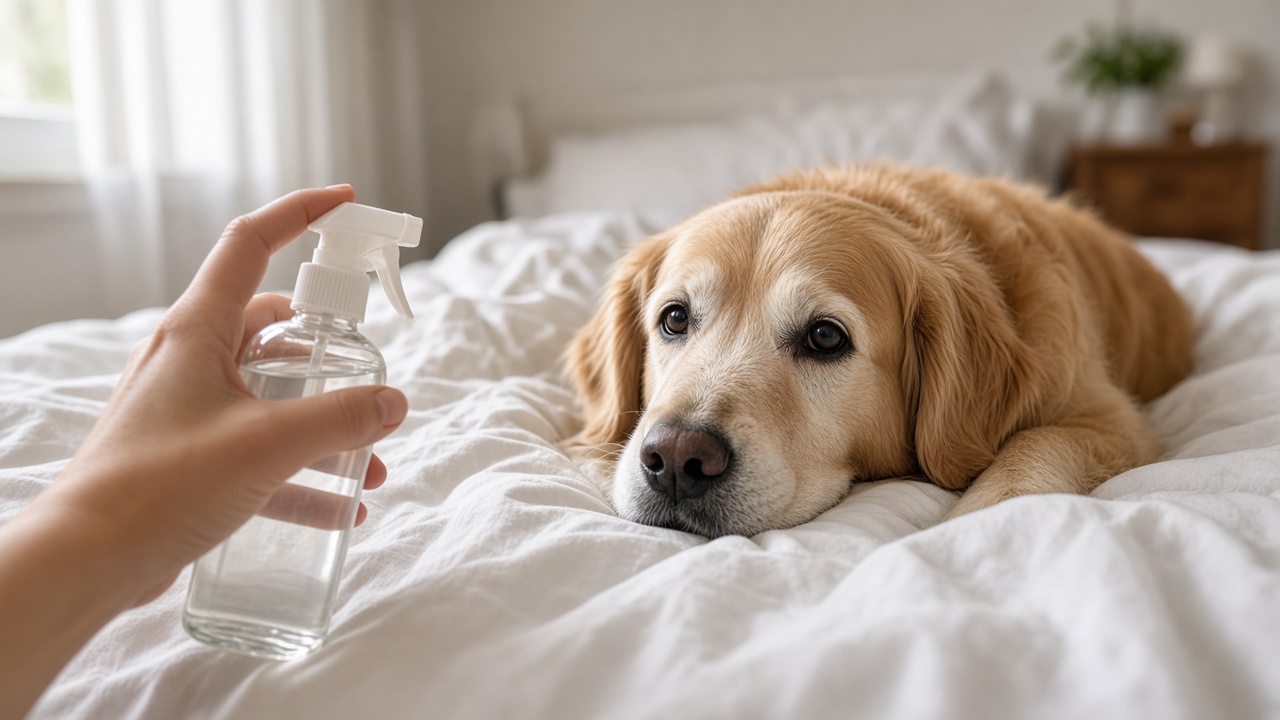
TropiClean’s OxyMed page and brand article list the spray for dogs and cats 12 weeks and older. Directions say shake, spray into the paws, and massage between the toes.
TropiClean says use it two to three times weekly. The brand also states the spray is free of parabens, dyes, and sulfates.
DOUXO S3 PYO Pads sit in a different bucket. Ceva’s U.S. page lists chlorhexidine digluconate at 3 percent and Ophytrium at 0.5 percent.
The jar is 30 pads. Ceva states the pads can reduce yeast overgrowth in as fast as 7 days of daily use.
The U.S. National Library of Medicine DailyMed label for those pads lists NDC 13744-157-01. The marketing start date on that label is March 18, 2021.
DailyMed marks the product as an unapproved animal drug. The FDA disclaimer on that label says the agency has not found the drug safe and effective. It also says the labeling is not approved.
That disclaimer is why a pad is not a casual first wipe. Save chlorhexidine pads for a clinic plan, or for a fold-skin job a clinician already named.
The 2023 JAVMA review says chlorhexidine shampoos are sold at 2 percent to 4 percent. A common bath cadence in that paper is two to three baths weekly. Owners continue until 7 days past clinical resolution, then bathe weekly.
The same review cites a pad study in 11 dogs. Daily 3 percent chlorhexidine pads for 14 days cut bacterial counts by 84 percent. In that series, 88.9 percent of dogs reached at least a 70 percent microbial decrease.
Those figures came from published trials, not from our bench. They describe treated overgrowth, not a faint chip smell on quiet feet.
Fur, carpet, and other smells that get blamed on Fritos
Paws pick up the yard, then the hallway. A wet foot can leave a sour note in carpet pile. That is a fiber problem, not a skin diagnosis.
If the rug still smells after the dog’s feet are clean, treat the textile. Our carpet urine-odor guide covers urine salts in padding.
That is a fiber job. It is not a toe-web job.
Ear yeast, anal-gland fluid, and dental plaque can also smell sharp. Check the source before you buy another paw jar.
Sniff the feet with the dog standing still. Then sniff the ears and the mouth.
If only the feet smell, stay on the feet. If the whole dog smells, you are not looking at Frito feet.
What this page is not diagnosing
This desk does not diagnose yeast infection, pyoderma, or allergy. We compared labels and one journal review. We did not swab a single paw.
A clinic may use tape cytology. That is a glass-slide look at yeast and bacteria. It is a different job from wiping mud off a Labrador.
If the Dry Toe-Web Rule fails two days in a row, book the appointment. Bring a photo of the skin in daylight. Note whether the dog licks at night.
Keep human baby wipes off the list. Those formulas are built for human skin pH. Earth Rated’s own page argues the same point and points owners to a canine wipe instead.
Do not soak the feet in vinegar blends you found on a forum. We did not review those recipes.
We also did not review diet changes. Food trials belong with a clinician, not with a smell article.
FAQ
Why does my dog smell like Fritos?
The odor usually comes from ordinary skin microbes living in warm, damp toe webs. Sweat and saliva keep that niche wet. A mild smell on intact skin is common, while red or wet skin is a different case.
Is a corn-chip smell on dog paws dangerous?
By itself, a faint smell is not an emergency. Danger signs are pain, swelling, discharge, limping, or constant chewing. Those signs need a clinic visit, not a stronger home scent.
How often should I clean my dog’s paws?
Wipe and dry after muddy or wet walks. Earth Rated labels its grooming wipes for daily use. TropiClean lists its paw spray at two to three times per week.
Can I use a chlorhexidine pad for a mild Frito smell?
Not as a first step. Ceva’s DOUXO S3 PYO Pads are labeled for bacterial or yeast overgrowth. DailyMed lists a 7 to 14 day course and an unapproved-drug note, so ask a clinic first.
Why do only the paws smell like corn chips?
The feet stay wetter than the back or the belly. Cornell notes that a dog’s sweat glands sit on the paws, and fur between the toes traps that moisture. Other body odors have other sources.
Does paw wax stop the Frito smell?
Wax is a weather barrier, not an antiseptic. Musher’s Secret says apply a thin layer two to three times a week, including between snowy pads. Dry pads may hold less grime, but wax will not clear an infected web.
Should I change my dog’s food because of Frito feet?
Not from this page. Diet changes are a clinic decision, and paw smell alone is a poor reason to swap kibble. If the dog is also vomiting intact food, that is a gut question, not a chip-smell question.