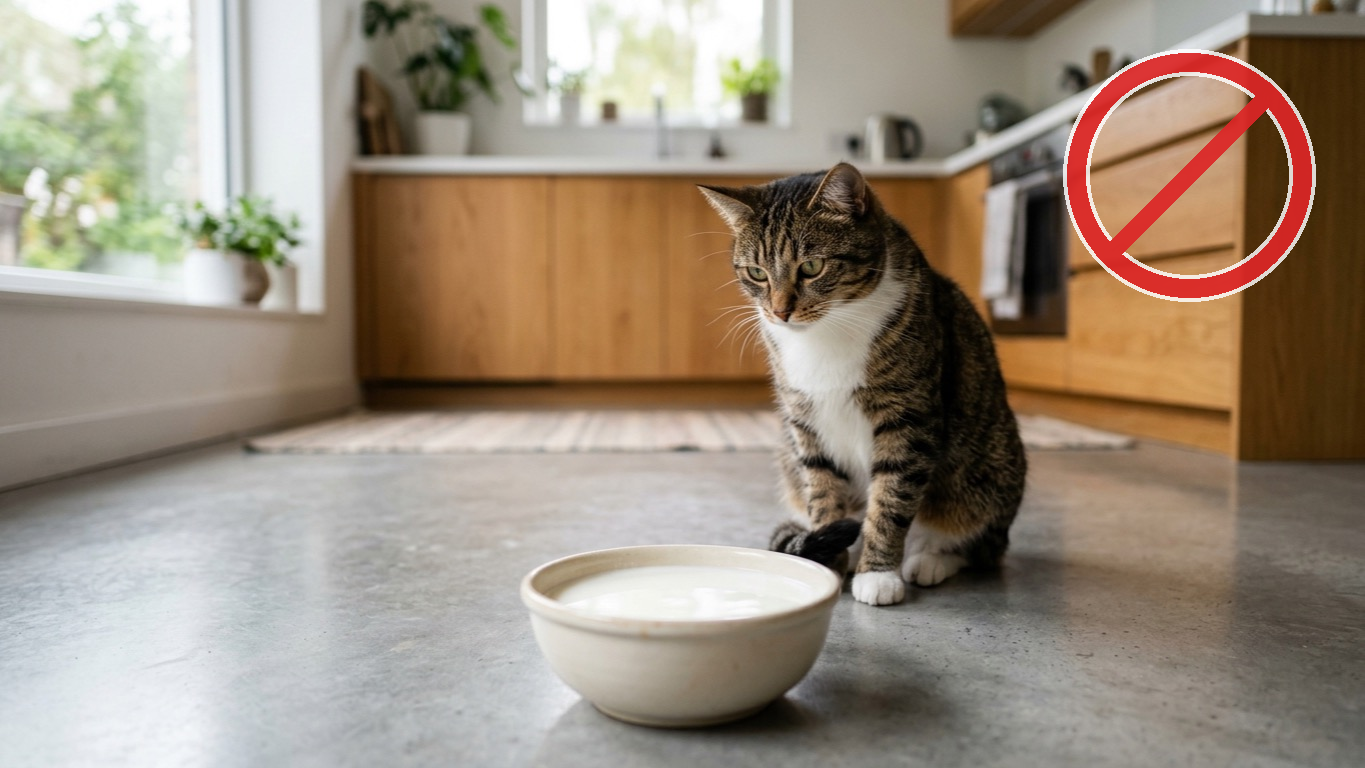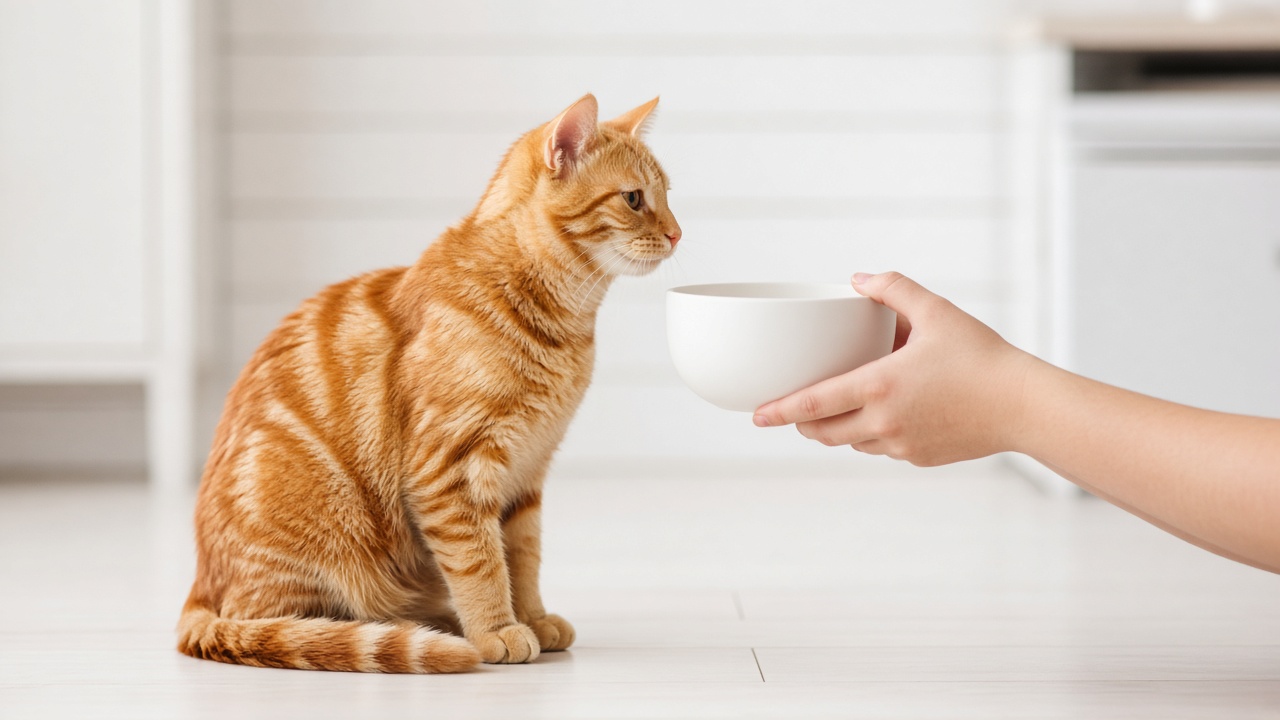
Quick answer: Yes. Cats get short diaphragm spasms after a gulp that fade in minutes. Call a clinic if bouts last hours, return daily, or come with breathing changes.
Yes, cats get hiccups; a brief post-meal bout in an otherwise normal cat is ordinary, not an emergency. This page is a desk brief that compares maker-listed feeding and hairball specs. We did not time any cat’s hiccups, run feeding trials, or examine clinic patients.
Our research team analyzed published product pages from Catit, Petstages, KONG, Vetoquinol Pets USA, and Hartz. We also read Cornell Feline Health Center pages on hairballs and feline asthma.
What a cat hiccup actually is
A hiccup is a sudden squeeze of the diaphragm. That dome of muscle sits between the lungs and the belly.
Cats Protection, in a December 14, 2023 briefing, describes the same chain people know. The spasm pulls in a quick gulp of air. The vocal cords snap shut and you hear a small “hic.”
Some bouts are loud. Some are almost silent. You may see a tiny jerk of the head or a twitch at the throat.
Cats Protection says hiccupping is more common in kittens than in adult cats. Cats of any age can still do it.
A hiccup is not a cough. It is not a sneeze. The cat should otherwise look like itself.
The two triggers this page covers
We cover two household triggers owners can change without a clinic visit. Fast meals are the first. Swallowed coat hair is the second.
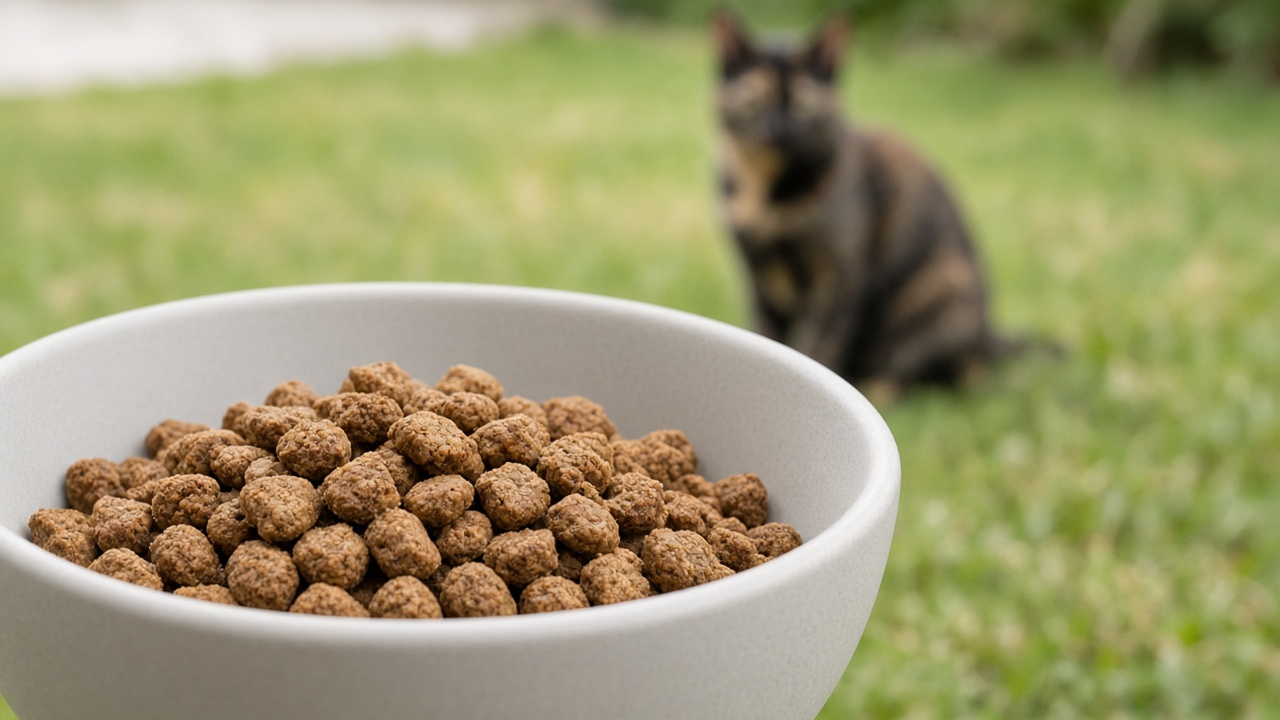
Cats Protection names eating too much, or too fast, as the main everyday cause. Extra air goes down with the food. That air can irritate the nerve that serves the diaphragm.
Hair is the other common irritant. Cornell Feline Health Center notes that a regurgitated hairball is usually about an inch long. Some reach five inches and an inch thick.
Cornell also states a weekly or biweekly hairball is not uncommon. That pattern, by itself, is not an emergency.
We do not treat every wet sound as a hairball. Cornell warns that unproductive hacking can be airway disease instead.
How we chose what to include
Selection rule: a product enters only if it changes meal speed or swallowed hair. It must be currently sold. The maker’s own page must list a numeric size or dose.
That rule kept puzzle feeders, one shallow dish, one treat dispenser, and two oral hairball gels. It kept out ranked “top hiccup cure” lists.
We excluded prescription drugs, inhalers, and clinic diagnostics. Those belong to a clinician, not a shopping brief.
We also excluded any SKU whose maker page listed only marketing adjectives. No number, no seat at the table.
Our research team compared six currently sold items under that rule. Four list a numeric meal volume or tube size. Two list a numeric oral dose, and zero list a hiccup-stop time.
This is attribute comparison, not a ranking. No column here is a score.
Hiccup, hairball, or airway trouble
Start with what you see, not the sound you hope it is. A hiccup is a brief, repeated twitch. The cat still walks, eats, and settles.
A hairball episode looks different. Cornell describes retching, then a damp, cigar-shaped wad. The wad is usually coat-colored and about an inch long.
Airway trouble is a third pattern. Cornell Feline Health Center writes that more than 80 million cats live in American homes. Veterinary epidemiologists estimate that 800,000 or more of them, about one percent, have acute or chronic asthma.
Cornell’s Richard Goldstein lists four asthma-attack grades: mild, moderate, severe, and life-threatening. Life-threatening attacks can turn the lips and nose blue.
Open-mouth breathing is not a hiccup script. A hunched neck or a sudden stop during play is not either. That is a clinic problem.
Cornell also notes that an inhaler mask is held on an asthmatic cat’s face for about 10 seconds. That detail is about prescribed airway care. It is not a home hiccup trick.
When a clinic visit is the next step
Use a simple fade check. Note the start time on a kitchen clock. Watch the cat, not your phone.
Cats Protection says ordinary hiccups normally last no longer than a few hours and then stop. Call a clinic if the spell lasts longer than that, or if it keeps coming back.
Call sooner if other signs show up, including lethargy. Cornell also flags meal skipping for more than a day or two. Repeated unproductive retching belongs on that list too.
Do not try to “scare” the hiccups out. Cats Protection warns that a fright only adds stress. It can create new behavior problems.
Offer a quiet room and fresh water. Do not shake the cat. Do not press the belly.
If you can, record a short video. Cats Protection suggests that clip for the clinic visit. A recording beats a fuzzy memory of the sound.
Meal-pacing tools compared by listed specs
A single deep bowl invites a race. AAFCO’s labeling page says complete-and-balanced foods must print feeding directions. The required line is “Feed (amount of product) per (weight) of dog/cat,” plus frequency.
That label math assumes a measured ration, not a free-for-all. Smaller, slower meals cut the air gulp that Cats Protection flags. Split the day’s listed amount into two or three bowls if one sitting always ends in a twitch.
Our research team compared published specs, not home trials. The table below uses only numbers the makers printed.
| Product | Maker-listed form | Maker-listed size or dose | Listed food or use | Cleanup listed |
|---|---|---|---|---|
| Catit Senses Digger | 5-cup slow feeder | 14.6 x 14.6 x 4.3 in; 3 cups at 1.6 x 2.4 in and 2 cups at 2 x 3.4 in | Dry food or treats | Disassemble; BPA-free |
| Petstages Kitty Slow Feeder Cat Bowl, Green, XS | Maze bowl | Holds up to 3/4 cup | Wet or dry food | Top-rack dishwasher |
| Catit PIXI Feeding Dish | Shallow steel dish | 6.2 x 6.2 x 2.2 in; 6.83 fl oz (200 ml) | Regular meals | Dishwasher-safe steel |
| Kitty KONG | Treat dispenser | 2 x 2.5 x 2 in; 0.06 lb | Kibble or catnip | Made in the USA |
| Tomlyn Laxatone Hairball Remedy Tuna-Flavored Gel | Oral gel | 1/2–1 tsp for 2–3 days, then 1/4–1/2 tsp 2–3 times a week | Hairball lubricant | 1285 mg white petrolatum per 6 g teaspoon |
| Hartz Hairball Remedy Plus for Cats & Kittens Paste | Oral paste | 2.5 oz tube; 1-inch ribbon for 3–4 days | Hairball lubricant | Then 1-inch ribbon 1–2 times a week |
The Catit Senses Digger spreads kibble across five paw-width cups. Catit lists a 14.6-inch square base, so the meal cannot vanish in one gulp.
Petstages prints a 3/4-cup cap on the Kitty Slow Feeder Cat Bowl, Green, XS. The same page claims the maze can keep a cat engaged up to 10 times longer. That 10x figure is the maker’s claim, not our stopwatch.
The Catit PIXI Feeding Dish is the gulp baseline, not a puzzle. Catit lists 6.83 fluid ounces in a 2.2-inch-tall dish. Overfill that shallow bowl and you recreate the race.
Kitty KONG is a 2-by-2.5-by-2-inch dispenser that weighs 0.06 pounds. KONG says it can hold a pinch of kibble or catnip. It paces treats, not a full dinner.
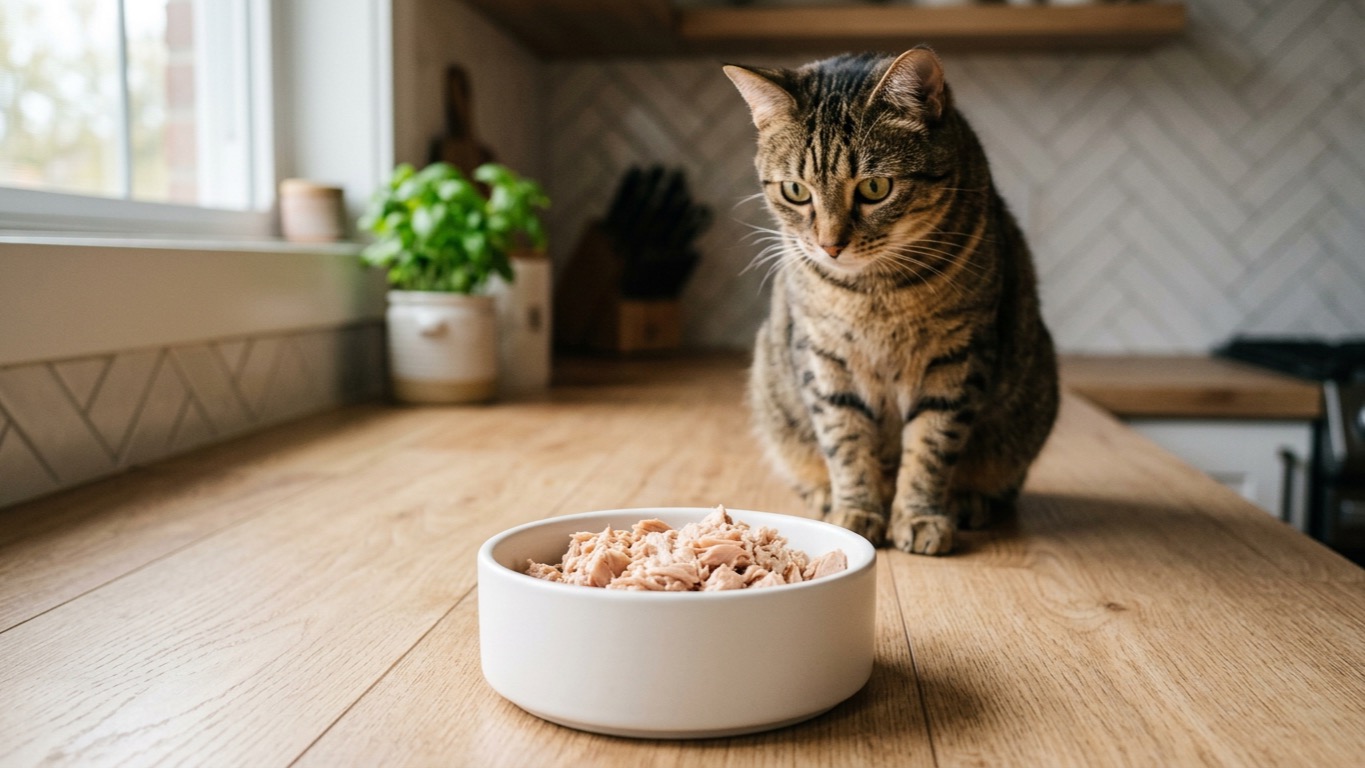
A slick add-on meal can undo that pacing. Tuna on a measured ration often vanishes first.
After a meal, send the cat to climb, not back to the bowl. A modern cat tree gives that energy somewhere else to go.
Hairball gels, grooming, and what we left out
If the hiccup sits next to coat-hacking, look at hair. Cornell explains why. Backward-facing tongue papillae push loose hair down the throat, and keratin does not digest.
Vetoquinol Pets USA lists Tomlyn Laxatone Hairball Remedy Tuna-Flavored Gel at 1/2 to 1 teaspoon. Use that dose for two to three days. The same page lists 1,285 milligrams of white petrolatum in each 6-gram teaspoon.
Hartz lists a different unit on Hairball Remedy Plus for Cats & Kittens Paste. Give a 1-inch ribbon for three to four days, then one to two times a week. The tube is 2.5 ounces.
Neither gel is a hiccup medicine. Both are lubricants the makers position for hair moving through the gut.
Cornell’s our editorial team advises owners not to give a laxative without clinic approval and supervision. Read the tube. Then ask the clinic before you start a new gel in a kitten, a senior, or a sick cat.
Gels do not replace a brush. A grooming glove for long-hair cats pulls loose coat off first.
The Food and Drug Administration reviews certain pet-food claims, including hairball control. That review sits in 21 CFR part 501 labeling rules. It is not a stamp that a kibble will stop hiccups.
AAFCO’s own labeling page is blunt. AAFCO does not regulate, approve, certify, or endorse pet food. It publishes model rules that states then enforce.
We left out “best of” lists, price tiers, and any product without a printed number. We also left out clinic drugs and surgical blockage care. A printed number on a maker page was the only ticket onto this list.
If the fade check fails, stop shopping. Book the exam.
FAQ
Can cats get hiccups?
Yes. Cats Protection describes the same diaphragm spasm people get. Occasional post-meal bouts are ordinary; daily spells or breathing changes are not.
How long do cat hiccups last?
Cats Protection says they normally last no longer than a few hours and then resolve. Many household bouts fade in minutes after a gulp. If the twitch is still going after a few hours, call a clinic.
Can I scare the hiccups out of my cat?
No. Cats Protection says a fright adds stress and can create other behavior problems. Offer water and a quiet room, then wait.
When should I call a clinic about cat hiccups?
Call if the bout lasts longer than a few hours or returns often. Add coughing, open-mouth breathing, drooling, vomiting, or a skipped meal. Cornell also flags lethargy and unproductive retching.
Do kittens hiccup more than adult cats?
Cats Protection says hiccupping is more common in kittens, but adults can still do it. Fast nursing or a rushed weaning bowl adds air. A kitten that hiccups yet nurses, plays, and gains weight is a different picture from one that fades.
Does tuna cause hiccups in cats?
No maker we read lists tuna as a hiccup drug. A slick, fast meal can still add the air gulp Cats Protection names. Keep tuna small and slow, and see our tuna feeding brief for portions.
Do hairball gels stop hiccups?
Neither gel lists hiccups as a use. Tomlyn Laxatone lists 1/2 to 1 teaspoon for two to three days. Hartz lists a 1-inch ribbon for three to four days.