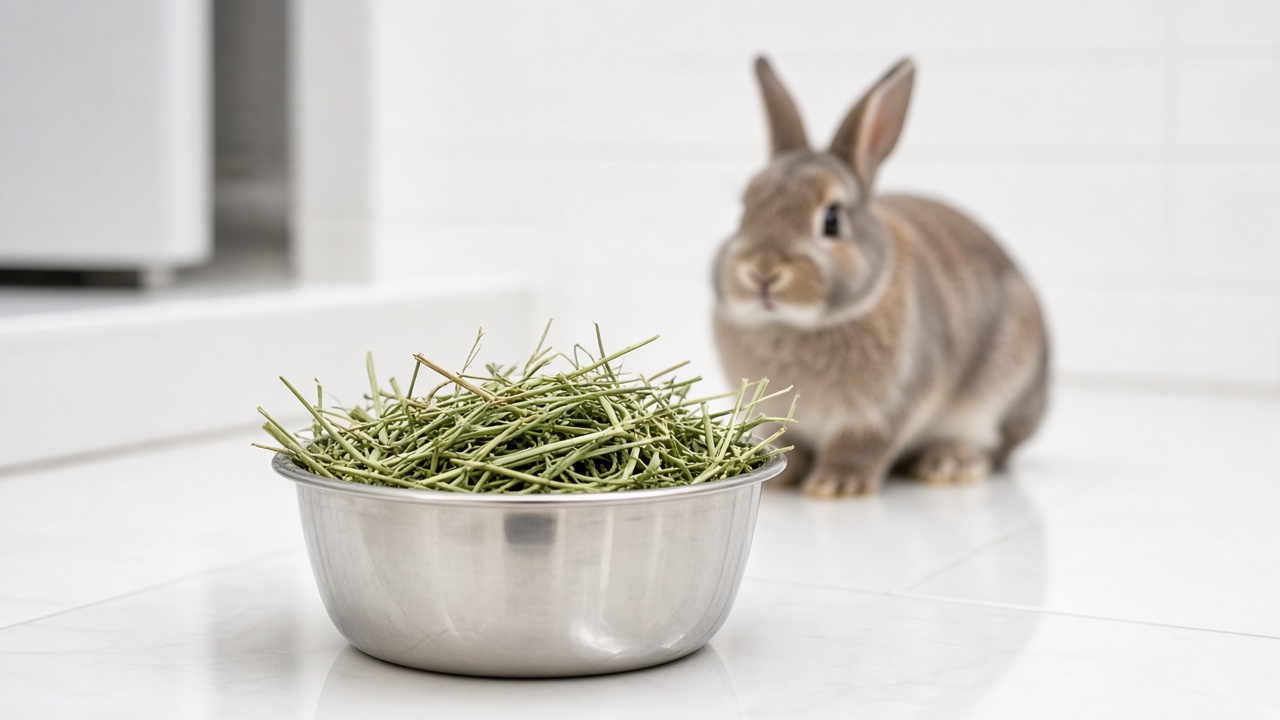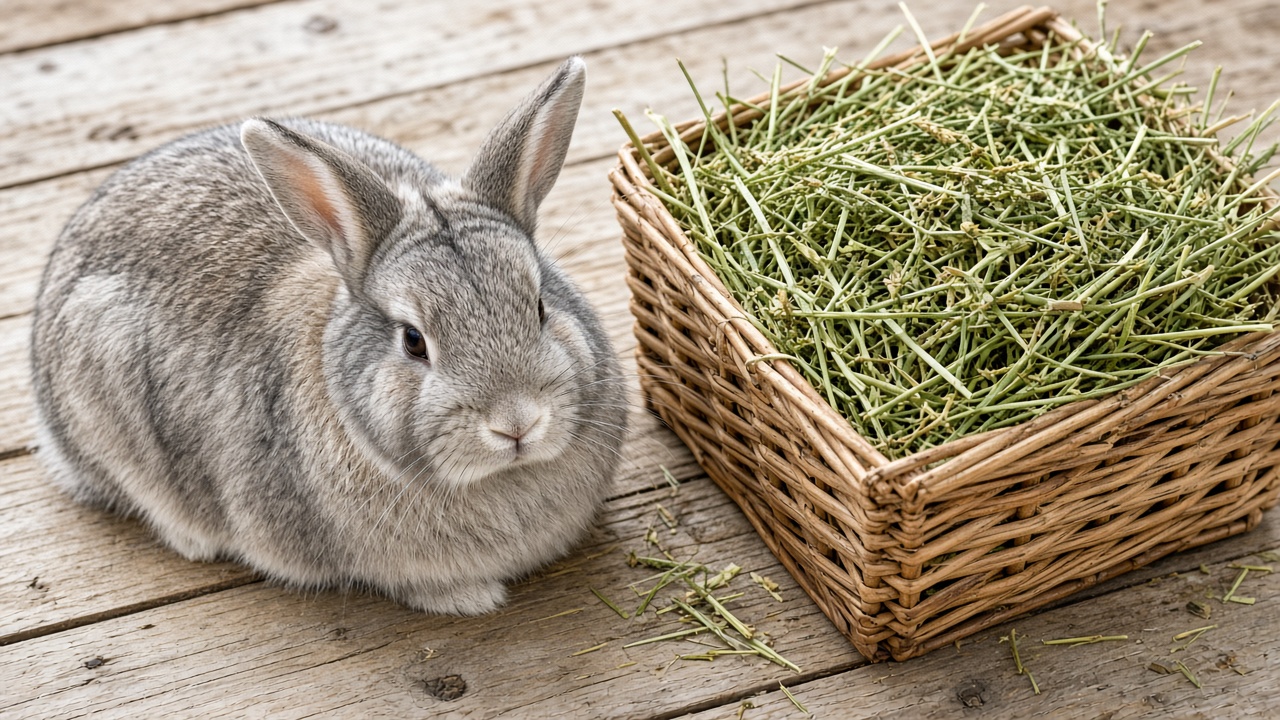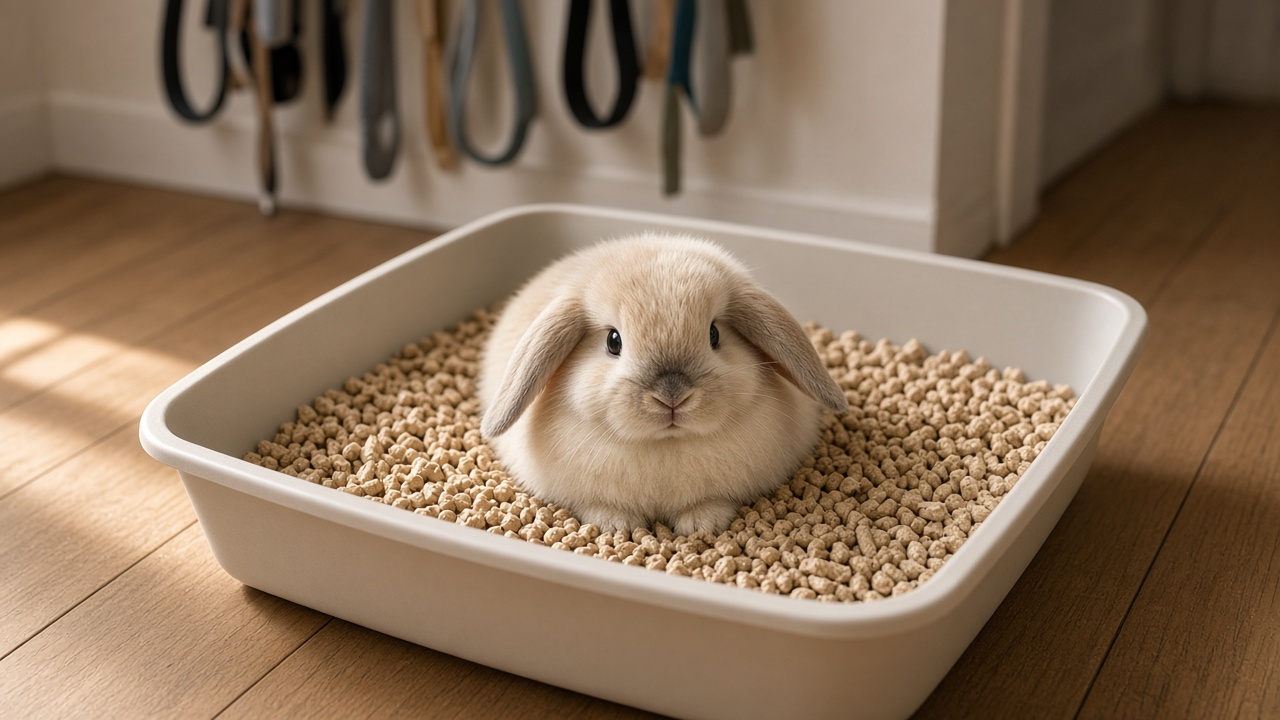
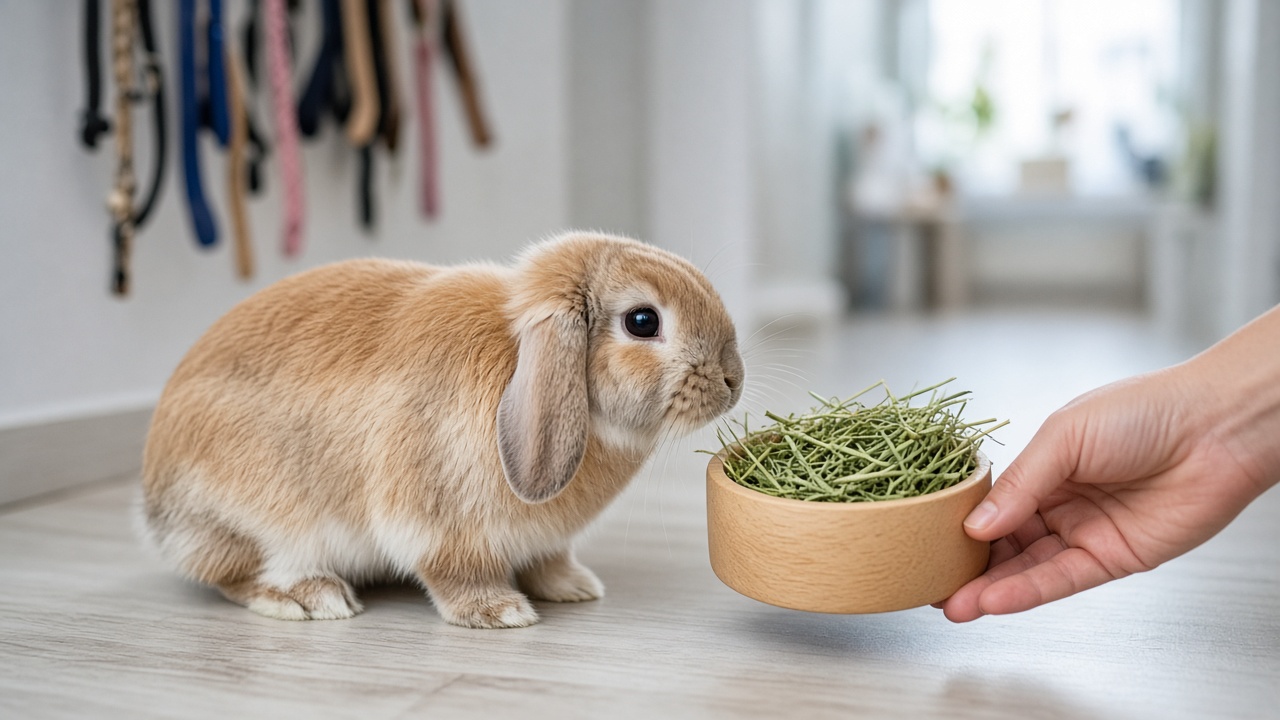
Quick answer: Plan on 8 to 12 years for an indoor house rabbit, and 3 to 5 years outdoors. Keep the rabbit indoors, feed unlimited grass hay, and measure pellets.
Indoor house rabbits typically live 8–12 years, and outdoor domestic rabbits typically live 3–5 years. This page is a research-desk brief on published lifespan ranges and current housing-and-diet specs. We did not run a clinic census, time outdoor hutches, or raise a breed colony.
Selection rule: We included only indoor habitats and hay-first adult pellets still listed on the maker’s own 2026 product page. We left out outdoor hutches, seed-and-fruit muesli mixes, and any product we could not match to a current maker page.
Our research team analyzed House Rabbit Society lifespan ranges, a Veterinary Record clinic paper, and maker-listed specs. We compared those published numbers and did not weigh rabbits or clock time in pens.
Two published lifespan ranges, not one
Indoor rabbits and outdoor rabbits do not share the same published life range.
House Rabbit Society splits the answer by housing, and indoor house rabbits typically live 8–12 years. Outdoor domestic rabbits live about 3–5 years, and wild rabbits often live only 1–2 years.
That indoor band is the planning number for most American homes. House Rabbit Society also says many indoor rabbits reach 14 or even 16 years.
House Rabbit Society puts the typical indoor, spayed or neutered rabbit near 10 years. That 10-year figure is a midpoint for planning, not a promise.
House Rabbit Society cites the Guinness Book of World Records for Flopsy. That wild rabbit, raised as a pet in Australia, lived 18 years and 10 months and died in 1983.
Why English clinic records show a 4.3-year median
Clinic death ages describe rabbits that reached a practice, not every house rabbit at home.
Veterinary Record reported a median age at death of 4.3 years in its 2020 VetCompass paper. That paper reviewed 6,349 rabbits at 107 English clinics, and the median came from 370 deaths.
The same Veterinary Record paper listed these study facts:
- Median age of rabbits in the files: 3.2 years
- Median adult body weight: 2.1 kg
- Age at death interquartile range: 2.1–7.0 years
- Oldest death in the set: 14.4 years
- Male median age at death: 5.2 years
- Female median age at death: 3.7 years
That 4.3-year Veterinary Record median is not the House Rabbit Society indoor range. It is a death age from rabbits already in clinic files.
Veterinary Record named these recorded death labels:
- Myiasis (flystrike): 10.9 percent
- Anorexia: 4.9 percent
- Recumbency or collapse: 4.9 percent
- Ileus (gut stasis): 4.3 percent
The same paper’s top clinic findings were daily-care problems:
- Overgrown claws or nails: 16.0 percent
- Overgrown molars: 7.6 percent
- Perineal soiling: 4.5 percent
- Overgrown incisors: 4.3 percent
- Ileus: 4.2 percent
Those Veterinary Record percents show why housing, hay, and grooming change lifespan.
Breed mix and body size
Size and breed show up in clinic files, but no maker lists a breed-year warranty.
House Rabbit Society says indoor lifespan depends on size, breed, and care. It does not publish a year count for every recognized show breed.
Veterinary Record’s clinic mix was not a show catalog of named breeds. The three largest breed-type groups were:
- Domestic type: 2,022 rabbits, or 31.9 percent
- Lop type: 1,675 rabbits, or 26.4 percent
- Netherland Dwarf: 672 rabbits, or 10.6 percent
House Rabbit Society reports one small dwarf rabbit, Izzy, living to 14. That note is a single case, not a dwarf-breed guarantee.
Giant breeds often carry more weight on joints and teeth. Our research team found no maker page that states a giant-breed life in years.
We did not invent Flemish Giant or Continental Giant year bands. Use body size as a housing cue rather than a countdown clock.
Oxbow Animal Health lists adult pellet cups by weight, not by breed name:
- 1–4 lb rabbit: 1/8 cup daily
- 4–8 lb rabbit: 1/4–1/3 cup daily
- 8–10 lb rabbit: 1/3–1/2 cup daily
- Over 10 lb: 3/4 cup daily
Kaytee lists cups by breed size class, not by weight:
- Small breed: 1/3–1/2 cup daily
- Large breed: 2/3–1 1/2 cups daily
Those two maker rules disagree on units, so measure the rabbit and then pick one maker’s cup chart.
Indoor versus outdoor housing
Outdoor hutches cut the House Rabbit Society life range by several years.
House Rabbit Society’s indoor range is 8–12 years, and its outdoor domestic range is 3–5 years. Outdoor rabbits face weather, predators, and flies, and Veterinary Record listed myiasis as 10.9 percent of recorded deaths.
Indoor housing does not mean a closed crate all day. House Rabbit Society’s indoor range assumes a house rather than a porch hutch.
A store cage can be a hay station, but it is not a full-day home for an adult rabbit.
Prevue Pet Products lists the Bella kit for guinea pigs or rabbits, and it lists the 528 for small rabbits. Neither maker page claims a lifespan gain from cage size.
Use a cage as a bedroom, and give the rabbit floor time in a bunny-proofed room.
Habitat products we compared
Store cages work as night boxes, not as full-day homes.
Our research team compared published specs from two Prevue Pet Products habitats. We did not assemble the cages or time rabbits inside them.
| Product | Form | Maker-listed size | Maker-listed mesh or base | Maker-listed fit |
|---|---|---|---|---|
| Prevue Pet Products Bella Rabbit Cage Kit 527-KIT | Indoor cage kit | 27-1/4 in L × 17-3/8 in W × 14 in H | 1 in wire spacing | Guinea pigs or rabbits |
| Prevue Pet Products Universal Small Animal Home 528 | Indoor cage | 32-1/2 in L × 19 in W × 17-1/2 in H | 3/8 in wire; 6-1/4 in deep base | Small rabbits and other small animals |
| Oxbow Essentials Adult Rabbit Food | Timothy pellet | Crude fiber 25.00–29.00%; protein 14.00% min | Moisture 10.00% max; calcium 0.35–0.75% | Adults over 1 year, plus unlimited grass hay |
| Kaytee Timothy Complete Rabbit Food | Timothy pellet | Crude fiber 22.0–27.0%; protein 13.0% min | Moisture 12.0% max; 100,000 CFU/g Bacillus | Pair with unlimited loose hay |
Prevue Pet Products lists more 528 hardware on that same page:
- Platform: 18 in × 12-3/8 in
- Ramp: 14-1/2 in × 4-1/2 in
- Two latching doors, front and roof
The Bella kit includes a ceramic food bowl, a carrot chew, and a woven basket. It also has an angled hay rack in the deep base.
A 14 in tall Bella cage limits a full hop, and a 17-1/2 in 528 cage is taller. Neither cage replaces a pen or a fully bunny-proofed room.
If the rabbit lives in a cage overnight, open the door to a larger run by day.
Hay-first pellets that match a long gut
High-fiber, timothy-based pellets support teeth and gut only when hay stays unlimited.
Veterinary Record listed ileus in 4.2 percent of clinic cases and 4.3 percent of deaths. Gut stasis is a lifespan event, not a mild tummy upset.
Hay wears teeth and moves the gut, while pellets add vitamins in a measured cup. Pellets are not the main meal and should never replace grass hay.
Oxbow Animal Health lists these Essentials Adult Rabbit Food guarantees:
- Crude protein: 14.00% min
- Crude fiber: 25.00% min and 29.00% max
- Calcium: 0.35% min and 0.75% max
- Vitamin A: 10,000 IU/kg min
Oxbow Animal Health also lists 5 lb, 10 lb, and 25 lb bags, and those pellets still need unlimited grass hay.
Kaytee lists these Timothy Complete Rabbit Food guarantees:
- Crude protein: 13.0% min
- Crude fiber: 22.0% min and 27.0% max
- Calcium: 0.25% min and 0.75% max
- Total Bacillus species: 100,000 CFU/g
Kaytee lists 4.5 lb, 9.5 lb, and 25 lb bags, and opened food should be used within 30–45 days.
Kaytee’s transition rule is a 7-to-10-day mix of old and new food. Oxbow Animal Health uses a four-week mix:
- Week 1: 3 parts old food, 1 part new
- Week 2: 2 parts old food, 2 parts new
- Week 3: 1 part old food, 3 parts new
- Week 4: new food only
For a wider pellet attribute set, see our best rabbit pellets guide. It compares timothy formulas by fiber, protein, and calcium. That page is a spec sheet for adult pellets, not a taste test.
Skip colorful muesli mixes, because both makers on this page sell uniform pellets so rabbits cannot pick out seeds.
Coat, nails, and teeth
Overgrown nails and molars are common clinic findings, so grooming is part of lifespan care.
Veterinary Record found overgrown nails in 16.0 percent of clinic rabbits and overgrown molars in 7.6 percent.
It found overgrown incisors in 4.3 percent. Those three numbers sit above most “disease” labels in that paper.
Nails, teeth, and soiling are daily-care items that still shorten life.
Long nails change gait and can tear, and long molars cut eating. Both problems can cut years off an otherwise healthy house rabbit.
Our rabbit grooming kit review compares brushes, combs, and nail tools by listed attributes. Use that kit page when you need a shortlist of grooming tools, not a breed ranking.
Our step-by-step rabbit grooming guide walks through coat work and nail checks. Follow that sequence so mats and hidden soiling do not sit for days.
House Rabbit Society ties long life to indoor housing, diet, and exercise. Grooming is how you see soiling before flies find it.
A long-coated breed needs more comb time, and a short coat still needs regular nail checks.
FAQ
How long do indoor pet rabbits live?
House Rabbit Society says indoor house rabbits typically live 8–12 years. Many reach 14 or 16 years, so plan the household around a decade.
Why do some articles say rabbits live only 4 or 5 years?
Veterinary Record’s 2020 VetCompass paper reported a 4.3-year median age at death. That figure came from 370 deaths among 6,349 rabbits at 107 English clinics. It is a clinic death median, not an indoor-home average.
Do small breeds live longer than giant breeds?
House Rabbit Society says size and breed affect indoor lifespan, but it does not publish a year table by breed.
Veterinary Record’s files were:
- Domestic type: 31.9 percent
- Lop type: 26.4 percent
- Netherland Dwarf: 10.6 percent
We did not invent giant-breed year bands from those clinic shares.
Can a pet rabbit live 15 years?
House Rabbit Society reports rabbits that lived to 14 and 15. It also cites Guinness for Flopsy at 18 years and 10 months. Treat those ages as the rare top, not the household plan.
Does an outdoor hutch shorten life?
House Rabbit Society lists outdoor domestic rabbits at about 3–5 years and indoor house rabbits at 8–12 years. Veterinary Record also recorded myiasis in 10.9 percent of deaths, a fly-related risk tied to soiled fur.
How much pellet food should an adult rabbit get?
Oxbow Animal Health lists cups by weight:
- 1–4 lb adult: 1/8 cup
- 4–8 lb adult: 1/4–1/3 cup
Kaytee lists cups by size class:
- Small breed: 1/3–1/2 cup
- Large breed: 2/3–1 1/2 cups
Both makers say to keep grass hay unlimited beside those measured cups.
Is a 27-inch cage enough housing?
Prevue Pet Products lists the Bella kit at 27-1/4 by 17-3/8 by 14 inches. The 528 cage is 32-1/2 by 19 by 17-1/2 inches. Both are indoor cages, not full-day homes, so pair either with daily floor time.