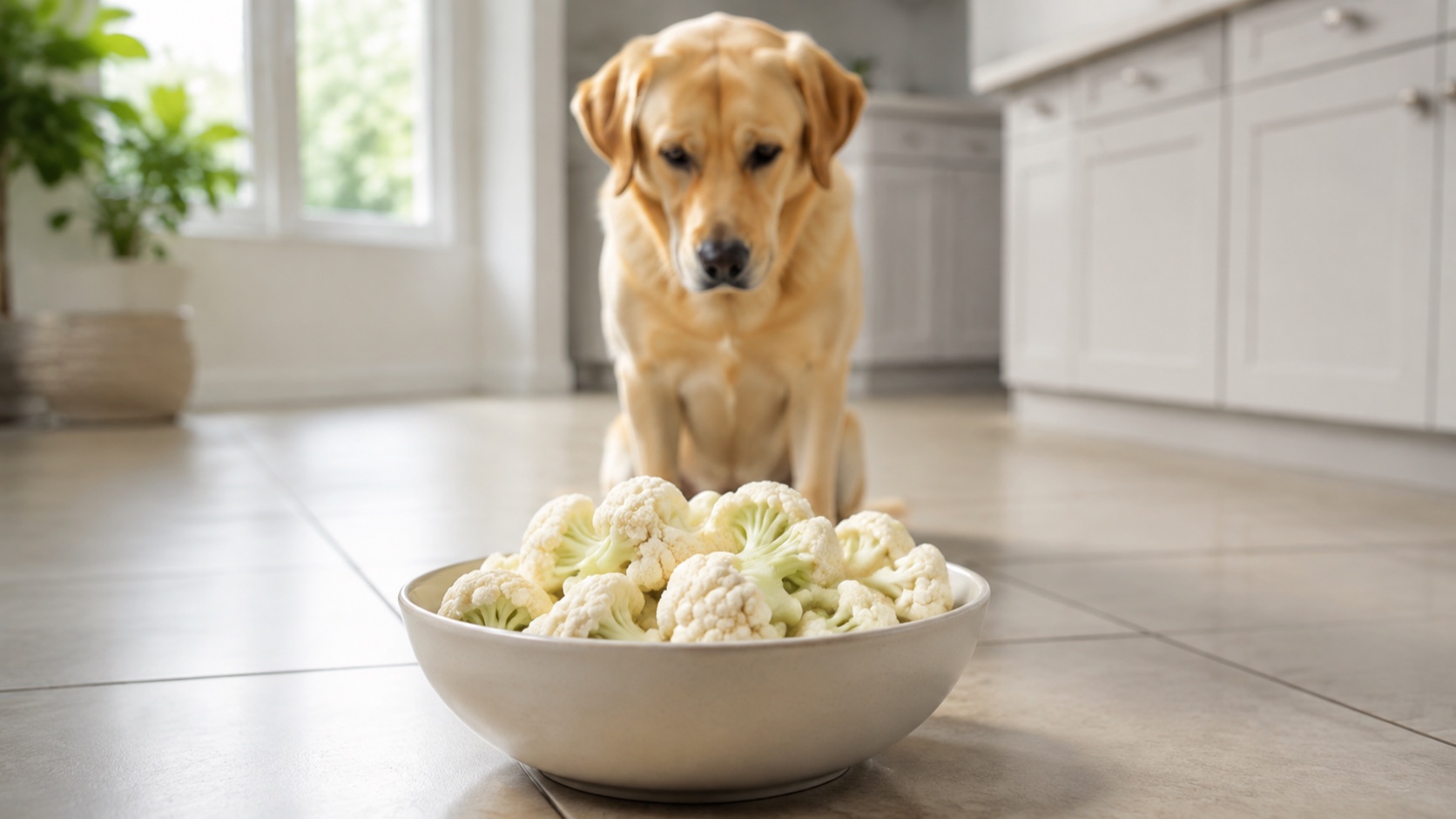
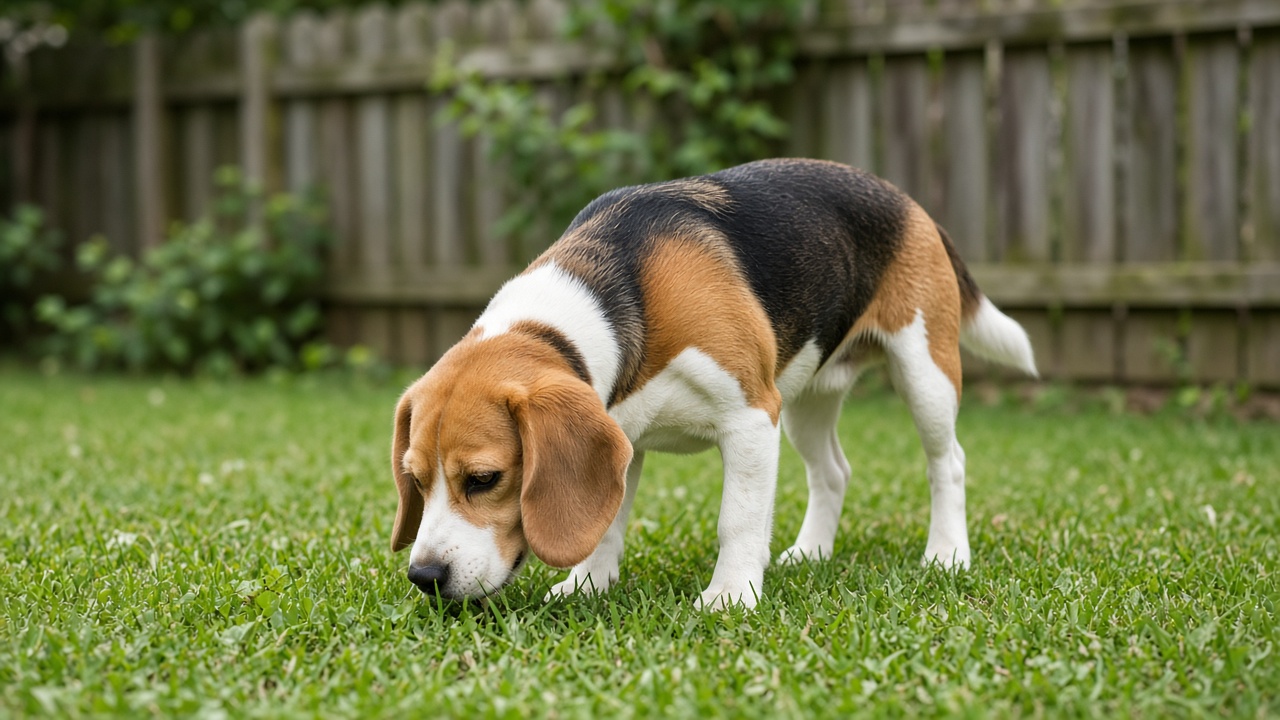
Is It Bad for Dogs to Eat Grass? What's Normal and What Isn't
Quick answer: Occasional grass eating is usually normal, not a crisis. Keep your dog off treated lawns and watch for vomiting, diarrhea, or lethargy. Call your clinic if the habit turns frantic or those signs appear.
Eating untreated grass is usually not harmful; only 22 percent of dogs in a 1,571-dog UC Davis survey regularly vomited after. This page is a research-desk brief on published owner surveys and current maker specs.
Our selection rule was simple. A product had to show a current size, grow height, or feeding measure for indoor grass or plant fiber. We left out lawn chemicals, bitter sprays, and items whose maker pages hide those measures.
What a 1,571-dog survey actually measured
Most “sick dogs eat grass” claims skip the sample. The useful numbers come from one 2008 Applied Animal Behaviour Science paper. Karen Sueda, Benjamin Hart, and Kelly Cliff ran the work at the University of California, Davis.
They first surveyed owners of healthy dogs at a teaching-hospital outpatient desk. Of 47 dogs with daily plant access, 79 percent had eaten grass or other plants. That clinic slice is small, yet it undercuts the “only sick dogs graze” story.
They then opened a web survey of plant-eating dogs. Owners returned 3,340 forms. After screens, 1,571 surveys remained.
One screen dropped households that spent under six hours a day with the dog. Another dropped dogs that only chewed plants and did not ingest them.
In that screened set, 68 percent of dogs ate plants daily or weekly. The rest ate plants once a month or less. Grass was the plant eaten most often for 79 percent of dogs.
Almost all owners, 98 percent, said grass was eaten on at least some occasions. Illness before grazing was uncommon. Only 9 percent of dogs frequently looked ill first.
Regular vomiting afterward was also the minority case. Only 22 percent regularly vomited. Put another way, 1,225 of 1,571 owners, or 78 percent, said their dogs rarely vomited after plants.
And 1,439 of 1,571 owners, or 92 percent, said their dogs rarely looked ill around plant eating. Age was the only clear predictor of how often dogs ate plants. Younger dogs grazed more and were less likely to look ill first.
Diet type, sex, and breed group did not drive how often plants were eaten. Hart later summarized the same work for dvm360. He noted plant matter in 2 percent to 74 percent of wolf and cougar scat or stomach samples.
The Pet Bench Three-Signal Split
Our research team used those published rates to sort owner reports into three signals. We call this the Pet Bench Three-Signal Split. It is a reading rule, not a diagnosis.
Signal one is a casual graze. The dog nips a few blades on a walk and stays playful, with no vomit, diarrhea, or weight loss. This matches the common pattern in the UC Davis set.
Signal two is a treated-lawn graze. The grass itself may be ordinary. The coating may not be.
The US Food and Drug Administration lists lawn fertilizers and weed killers among yard hazards. The National Pesticide Information Center tells owners to keep pets off treated turf until it is dry.
NPIC is a cooperative of Oregon State University and the US Environmental Protection Agency.
For granular lawn products, NPIC says pets may need to stay off for 24 hours or longer while granules dissolve. The product label can demand more time, so ask the lawn service which product was used.
Signal three is a symptom-cluster graze. The dog gulps grass hard. Then you may see vomit, diarrhea, bloody stool, weight loss, no appetite, or a dull dog.
AKC’s grass-eating briefing flags those same add-on signs. That cluster is the point to call a clinic.
AKC also describes a morning pattern some owners know well. A hungry dog bolts grass, then brings up yellow foam. AKC Chief Veterinary Officer Jerry Klein ties that foam to bile on an empty stomach.
Some clinics suggest a small early meal. That is clinic advice for your dog, not a home protocol from us.
A bit of cheese is a separate question. Some dogs tolerate a tiny dairy snack. Do not use cheese to “treat” grass eating.
When a lawn is the risk, not the grass
Untreated grass is not on FDA’s edible-dangers list. Grapes and raisins are. So are chocolate, xylitol, onions, and garlic.
If you are sorting “can dogs eat this,” start with that FDA list, then read our note on whether dogs can eat grapes. Grass and grapes are not the same problem.
FDA also names insecticides, pesticides, and cocoa mulch as yard hazards. A dog that eats grass can swallow those residues. A dog that sniffs droppings can swallow parasite eggs.
AKC notes roundworms and hookworms as one reason a clinic may want a fecal check after heavy lawn time. That is a stool question, not proof the grass itself was toxic.
Foxtails are a different grass problem. They are seed heads, not salad. AKC says those heads typically stand 1 to 3 feet high and are most hazardous once dry, generally from May through December.
Barbed awns can lodge in ears, paws, and noses. That is an embed risk, not a grazing habit.
Houseplants are a third mix-up. FDA lists sago palm, oleander, lilies, and many common indoor plants as dangerous if chewed. A dog that “wants greens” may grab a leaf that is not grass.
Indoor cereal grass is one way owners try to move grazing off the boulevard. It is a labeled, untreated nibble you can watch, not a parasite cleanse.
Food labels do not explain a grass habit
Owners often ask if grass means the bowl is “missing fiber.” The UC Davis surveys did not find that dogs on lower-fiber diets grazed more. They also did not find extra grazing on table scraps or raw food versus commercial food.
The Association of American Feed Control Officials describes 37 required nutrient specifications in the AAFCO Dog Food Nutrient Profiles. Fiber is not the whole profile. A food labeled complete and balanced has to meet that profile or pass an AAFCO feeding protocol.
Snacks, treats, and supplements are exempt from the nutritional adequacy statement on AAFCO’s reading-labels page. So a pumpkin pouch can list fiber and still say “intermittent or supplemental feeding only.”
Weruva states that line for Pumpkin Patch Up. Pet Greens states the same idea for its grass kits. If a clinic wants a diet change, ask for a food with an AAFCO adequacy statement for your dog’s life stage.
Indoor grass and fiber products we compared
Our research team analyzed published maker specs for five currently sold items. We compared size and feed measures.
Fresh Patch Standard is a living grass pad listed at 16 by 24 inches. The brand’s size guide says that Standard box weighs 9 pounds and is meant for pets under 15 pounds.
DoggieLawn Large is another living pad, listed at 24 by 24 inches for dogs up to 50 pounds. DoggieLawn says most dogs under 35 pounds do best on that Large size.
Pet Greens Garden Wheatgrass is a self-grow kit. The maker’s Garden line is 100 percent wheatgrass. Pet Greens tells owners to water twice a week and says refrigerated grass can last up to 4 weeks.
Catit Senses Grass Planter is a bowl kit listed at 9.6 by 9.6 by 5.3 inches and 1.26 pounds. It ships with one seed-and-vermiculite set. The separate Catit Cat Grass Kit lists 3 refill sets.
Catit markets the planter for cats. Dog owners still buy cereal-grass kits for a watched indoor nibble.
Weruva Pumpkin Patch Up Puréed Pumpkin is plant fiber in a pouch, not grass. Weruva lists a 1.05-ounce pouch at 5 kilocalories. A 2.8-ounce pouch is listed at 15 kilocalories.
Guaranteed analysis on the maker page is 0.5 percent crude protein minimum and 3.5 percent crude fiber maximum. Moisture is listed at 93 percent maximum. Feeding copy says to replace up to 10 percent of the diet, or use it as a treat.
| Product | Form | Listed size or pack | Maker measure |
|---|---|---|---|
| Fresh Patch Standard | Living grass pad | 16 by 24 in; 9 lb box | Sized for pets under 15 lb |
| DoggieLawn Large | Living grass pad | 24 by 24 in | Sized for dogs up to 50 lb |
| Pet Greens Garden Wheatgrass | Self-grow seed kit | 100% wheatgrass Garden kit | Water twice a week; up to 4 weeks chilled |
| Catit Senses Grass Planter | Planter plus 1 seed set | 9.6 by 9.6 by 5.3 in; 1.26 lb | 3 refill sets sold as kit #43162 |
| Weruva Pumpkin Patch Up Puréed Pumpkin | Fiber pouch | 1.05 oz pouch; 5 kcal | Replace up to 10% of the diet |
A living pad is still a potty surface for many buyers. Dogs may eat it, which is why these pads sit in this brief.
If grazing looks like boredom chewing, swap the yard for a chew you can count. See our guide to dental chews for senior dogs.
How to redirect grazing without a panic spiral
Walk the Three-Signal Split before you “train the grass away.” Casual grazing on clean turf rarely needs a campaign. Treated-lawn grazing needs a route change, and symptom-cluster grazing needs a clinic call first.
On clean turf, interrupt the gulp, then move. A leave-it cue helps if you already taught it. AKC’s grass page also suggests more frequent small meals when morning bile is the pattern.
Do not hose a dog with bitter spray as a first move. We excluded those sprays because maker pages rarely publish a dose that maps to grass eating.
Do not assume a new topper will end the habit. The UC Davis diet data did not support a simple fiber gap. If you add Weruva Pumpkin Patch Up, stay inside the maker’s “up to 10 percent of the diet” line.
Keep indoor grass in a spot you can watch. Pet Greens and Catit both treat cereal grass as a supplement, not a meal. Replace moldy trays.
If you hire a lawn service, ask for the product name and the re-entry time. NPIC’s 24-hour granular note is a floor, not a promise.
Call a clinic the same day if grass eating arrives with repeated vomiting, diarrhea, blood in stool, collapse, or a sudden frenzy. Bring a photo of the lawn and any extra plant the dog chewed.
FAQ
Is it bad for dogs to eat grass every day?
Daily grazing can still be ordinary. In the UC Davis web survey, 68 percent of plant-eating dogs did so daily or weekly. Daily grazing becomes a problem when the lawn is treated, the volume is huge, or other signs show up.
Why does my dog eat grass and throw up yellow foam?
Yellow foam is often bile from an empty stomach. AKC quotes Jerry Klein on that point. Occasional foam after a skipped meal is a common owner report, but repeated morning vomit still belongs on a clinic call.
Should I stop my dog from eating grass?
Stop the dog when the grass is chemically treated, foxtail-heavy, or next to feces. Stop the dog when the gulp is frantic. Redirect with a cue, a chew, or a different route.
Can grass on a treated lawn make a dog sick?
Yes. The grass blade is not the only thing in the mouth. FDA lists lawn fertilizers and weed killers as pet hazards.
NPIC tells owners to keep pets off treated areas until dry, and longer for some granules.
Does eating grass mean my dog needs more fiber?
Not by itself. The UC Davis surveys found no clear link between lower-fiber diets and more plant eating. Fiber can still matter for stool quality, but that is a diet question for your clinic and an AAFCO-labeled food.
When should I call a clinic about grass eating?
Call when grazing pairs with vomit, diarrhea, blood, weight loss, lethargy, or a sudden binge. Call if you think the dog ate a treated lawn, a foxtail, or a houseplant from FDA’s danger list. Call if a puppy swallows a large wad of plant matter.