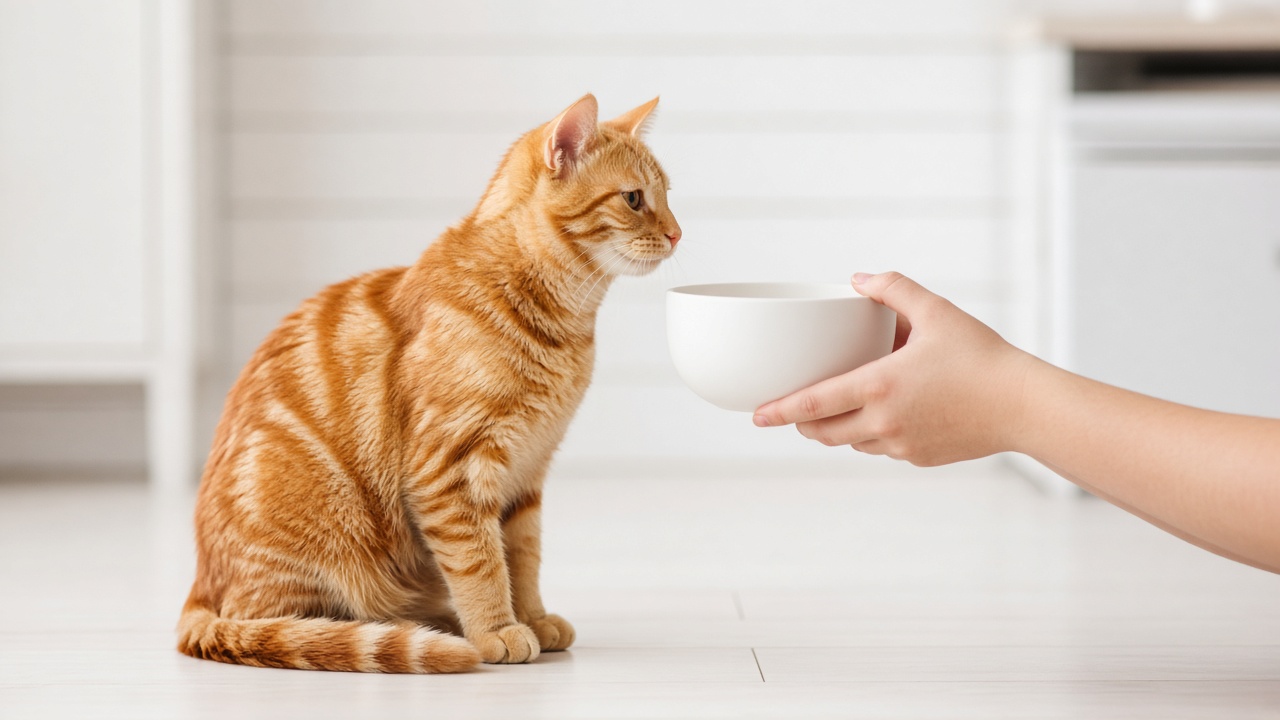
Why Do Cats Like Catnip? How It Works and Why Some Don't
Quick answer: Offer a small pinch a cat can smell, then wait. Most adults roll because they inhale nepetalactone, not because they snack. Skip the bag if your cat walks away twice on different days.
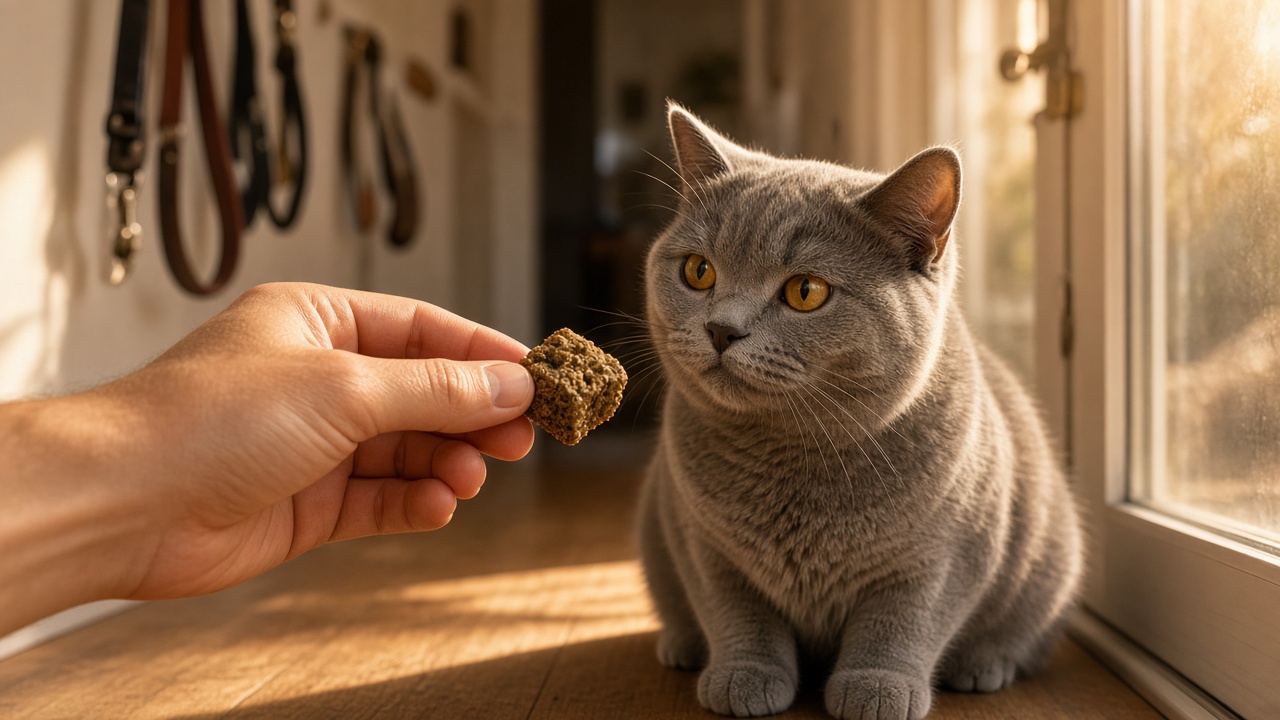
Cats like catnip because smelling nepetalactone, not eating it, starts a brief inherited play burst.
This page is a published-spec desk note on scent, genes, and bag labels. It names three non-events: no lab trial, no clinic exam, and no taste test of any pouch.
Selection rule: a product entered the table only if the maker’s own page named a fill weight or spray volume and a grow region. Live plants, food toppers, and mixes that list silver vine first stayed out.
Why the smell, not a snack, starts the roll
Cats chase catnip because a mint-family oil hits the nose, not the stomach.
Catnip is Nepeta cataria, a mint-family herb. The ASPCA lists that plant in Lamiaceae and names nepetalactone as the oil that matters.
BMC Veterinary Research, in a paper dated 16 March 2017, says the effect comes from smell rather than taste. A sealed toy does little until leaf oils reach the air.
A typical response looks like a short play script, not a meal. Published notes from BMC Veterinary Research list this order:
- sniffing
- licking and head shaking
- chin or cheek rubbing
- rolling, sometimes with drool or hind-leg kicks
That sequence answers the search query in plain terms. The cat is reacting to a scent cue, not hunting a treat the way it hunts tuna.
BMC Veterinary Research also measured the oil and found the highest cis-trans nepetalactone in catnip. The same chemists found only 32 μg of trans-cis nepetalactone per gram, with traces in the other plants.
So the “like” is a nose event, and chewing helps only because it breaks the leaf and frees more scent.
Why some cats never react
A blank stare is usually genes or age, not a weak brand of catnip.
BMC Veterinary Research watched 100 domestic cats, all at least 6 months old. Sixty-eight percent responded to catnip, which left about one cat in three with no response.
The same paper pooled older published counts and reached 53 non-responders out of 170 cats, or 31 percent. That lines up with its own figure of 32 non-responders out of 99 cats.
Catit’s own catnip page says about two-thirds of domestic cats respond. That maker claim sits next to the 68 percent figure from BMC Veterinary Research.
Sex did not explain the gap in the published sample. The BMC Veterinary Research group included:
- 35 neutered males
- 55 neutered females
- 10 neutered cats of unknown sex
Males and females responded at similar rates, and shy cats responded as often as friendly cats.
Age in that adult sample also failed to flip a yes to a no. The paper split 89 cats at a median of 4 years and 10 months. Younger and older adults responded at similar rates, though older adults showed more mild, partial responses.
What the paper did not include is a kitten under 6 months. A young kitten that ignores a pinch is not a lifelong non-responder. Wait until that cat is older than 6 months, then try again.
If an adult still ignores fresh leaf, stop shopping for a stronger bag and try a different plant family instead.
Of the 31 cats that skipped catnip, BMC Veterinary Research recorded these shares:
- 71 percent responded to silver vine
- 32 percent responded to Tatarian honeysuckle
- 19 percent responded to valerian root
Ninety-four of the 100 cats responded to at least one of the four plants, and six cats responded to none.
How long a session lasts
The play burst is short, and then the nose needs a quiet break afterward.
BMC Veterinary Research scored a full response as rubbing or rolling for more than 10 seconds. A mild response was sniffing and licking for more than 15 seconds, or a short full burst.
The team used a washout of at least 5 minutes between plants. They waited until a control sock no longer drew the play script, and that published pause is the closest timed reset on these pages.
SmartyKat’s own 2 oz page describes the same two-part arc. It lists a burst of activity, then a calm, mellow period, and it does not print a minute count.
Practical takeaway from those published notes:
- Watch one short bout, then put the leaf away
- Wait at least 5 minutes before you judge a “no”
- Do not leave a pile out all day
A cat that suddenly stops is not bored of you, because the scent path has gone quiet for a bit.
What the ASPCA page actually lists
Catnip is a play scent for many cats, not a free-for-all snack.
The ASPCA plant page names Nepeta cataria, also called catswort or catmint. It lists nepetalactone as the toxic principle and names vomiting and diarrhea as clinical signs.
That page says many cats love catnip, and it also says the same plant can sedate some cats and stimulate others.
The ASPCA does not print a safe dose in teaspoons. Comparing that page with maker labels gives only these concrete limits:
- KONG lists its spray as 99 percent water and 1 percent catnip
- Catit Dried Catnip is sold as 0.5 oz (14 g), 1 oz (28 g), and 2 oz (56 g)
- SmartyKat tells owners a pinch goes a long way
If a cat eats a large pile and then vomits, the ASPCA page already flagged that risk. Call your own clinic, or the ASPCA Animal Poison Control number printed on that page, 888-426-4435.
Do not treat catnip as food, and keep it off the dinner plate you use for fish or other extras.
Forms that match different play styles
Match the form to the job: loose leaf for a pinch test, spray for furniture, a kicker for a wrestle.
Comparing published specs, not a home trial, five currently sold items met the fill-or-volume rule and named a grow region.
| Product | Form | Maker-listed size | Grow or origin claim | Other listed spec |
|---|---|---|---|---|
| Yeowww! Big Kicker | Stuffed kicker toy | 12 in long; over 2.5 oz of catnip | Made in the USA; organically grown catnip | Cotton twill; no filler |
| KONG Naturals Catnip Spray 1 oz | Oil spray | 1 oz; 1.26 × 1.26 × 4 in | Steam-distilled North American catnip; made in the USA | 99% water, 1% catnip |
| Catit Catnip Spray | Oil spray | 3 fl oz (90 ml) | Canadian catnip | Item 50753 |
| Catit Dried Catnip 2 oz | Dried leaves and flowers | 2 oz (56 g) | Canadian catnip | Also listed at 0.5 oz and 1 oz |
| SmartyKat USDA Certified Organic Catnip, 2 oz Shaker Cannister | Loose-leaf shaker | 2 oz | Grown on SmartyKat farms; USDA certified organic | SKU 09345; chemical-free and pesticide-free |
Use the table as a label decoder rather than a ranking of winners.
The Yeowww Big Kicker page lists a 12-inch kicker with over 2.5 ounces of organically grown catnip and no fluff.
KONG Naturals Catnip Spray 1 oz is a 1-ounce refresh bottle with steam-distilled North American oil. The maker lists a 1.26 × 1.26 × 4 inch bottle and a mix of 99 percent water and 1 percent catnip.
Catit Catnip Spray is the larger spritz on the same maker page. Catit lists 3 fluid ounces, or 90 ml, of concentrated Canadian extract.
That page also sells Catit Dried Catnip in 0.5 oz, 1 oz, and 2 oz bags. The 2 oz (56 g) bag is the loose-leaf size in the table.
SmartyKat USDA Certified Organic Catnip, 2 oz Shaker Cannister is the pinch jar. The maker’s page calls it 100 percent certified organic and grown on its own farms.
A spray earns its keep on a modern cat tree or a scratcher you want used. Loose leaf earns its keep on day one, when you still need a yes-or-no answer.
How to offer catnip without wasting the bag
Run a two-day smell test first, then store the rest in a sealed jar.
Comparing those published specs, a first trial needs leaf a cat can crush, not a stuffed toy you cannot open. Use this sequence:
- Crush a pinch of Catit Dried Catnip or SmartyKat 2 oz shaker between your fingers.
- Set it on a towel, not in a food bowl.
- Watch for up to 10 minutes of interest.
- Bag the rest and repeat on another day.
A “yes” is rubbing, rolling, or kicking, and a “no” is a sniff and a walk-away on both days.
If you get a yes, move the scent to the object you want used:
- One spray of KONG or Catit spray on a scratcher or tree perch
- A sealed kicker such as the Yeowww Big Kicker for solo wrestle time
- No extra pinch on the dinner plate
Leaf bits stick in long coats after a hard roll, so a grooming glove made for long-hair cats can lift them.
Storage is dull and it matters. SmartyKat’s page stresses a resealable canister, and Catit says to keep bags closed to hold freshness.
Air kills the oil that BMC Veterinary Research measured in micrograms per gram, so keep the jar shut between short sessions.
Skip these common mistakes:
- Leaving a pile out all afternoon
- Spraying the cat instead of the toy
- Judging a kitten under 6 months
- Buying a new brand after one shrug from a proven non-responder
FAQ
These answers repeat the published numbers behind the scent, the no, and the bag.
Why do cats like catnip so much?
They like the smell of nepetalactone. BMC Veterinary Research says the effect is from scent, not taste. That scent starts a short play script of sniff, rub, and roll in many adults.
How many cats do not like catnip?
About one in three adults show no response. BMC Veterinary Research found 68 percent of 100 cats responded to catnip. Its pooled older counts were 53 non-responders out of 170 cats, or 31 percent.
Can kittens enjoy catnip?
BMC Veterinary Research only enrolled cats 6 months or older. A younger kitten that ignores a pinch has not failed a test. Wait until that cat is past 6 months, then try crushed leaf twice.
Is catnip safe if my cat eats it?
The ASPCA lists nepetalactone as the toxic principle and names vomiting and diarrhea as signs. Many cats still love the plant. Keep servings to a pinch, and treat a big gorge plus vomiting as a clinic question.
What should I try if my cat ignores catnip?
Do not keep buying stronger catnip. BMC Veterinary Research found 71 percent of catnip non-responders still responded to silver vine. Thirty-two percent responded to Tatarian honeysuckle, which uses other oils, not a bigger dose of the same leaf.
Loose leaf, spray, or a stuffed kicker?
Use loose leaf for the yes-or-no test, and use spray to mark a tree or scratcher. Use a kicker such as the Yeowww Big Kicker after you already know the cat responds. Comparing published specs, the kicker holds over 2.5 ounces, while a KONG spray bottle holds 1 ounce of a 1 percent oil mix.
Can I use catnip every day?
SmartyKat describes a burst, then a calm period. BMC Veterinary Research used at least 5 minutes before a new scent counted. Daily pinches can flatten that burst, so put the jar away between short sessions.