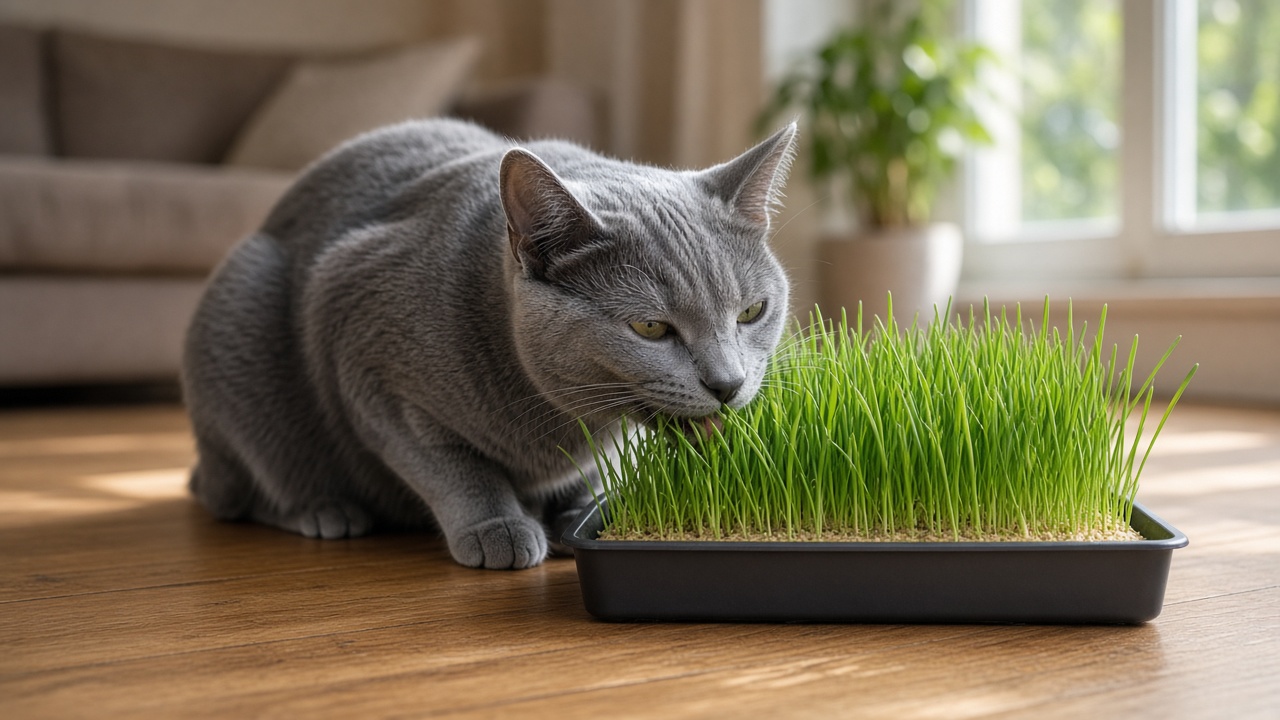
Quick answer: Grow wheatgrass from untreated seed and let your cat nibble a few blades. Keep it a snack, not a meal. Toss any tray that smells sour or shows mold.
Young wheatgrass from untreated Triticum aestivum seed is safe for cats to nibble as a snack, not a meal.
This page is a research-desk grow-and-serve guide.
Our Wheat-on-the-Label Rule decided what entered this article. A kit had to name wheat or a wheat-and-barley mix on its maker page. It also had to publish a grow-day count, serve height, or seed weight.
We left out catnip-only toys, juice-bar trays, and treated lawn seed.
Our research team analyzed those maker pages. We compared the published specs with two owner surveys in a 2021 Animals paper from the University of California, Davis.
What wheatgrass is, and what it is not
Wheatgrass is the young shoot of bread wheat, Triticum aestivum. Pet shops often sell it as “cat grass.” That shop label is a category, not one species.
A wheat tray is one type of cat grass. Oat, barley, and rye trays sit in the same aisle. They are not the same plant.
The ASPCA Animal Poison Control Center treats wheat as non-toxic to dogs and cats. That line appears in its 2018 seasonal-plant briefing, beside pumpkins, hay, corn, and sunflowers.
The same briefing adds a limit. Wheat, hay, and corn can trigger allergies in grain-sensitive pets. It also warns that toxic molds on seeds can affect the nervous system.
The U.S. Food and Drug Administration says many grains used in animal food are considered safe. Those grains do not need pre-market approval.
The Federal Food, Drug, and Cosmetic Act still requires animal food to be safe and truthfully labeled. A moldy tray fails that test at home.
Wheatgrass is not a complete cat diet. The Association of American Feed Control Officials has a line for that gap.
The line reads, “This product is intended for intermittent or supplementary feeding only.”
Those products do not meet complete-and-balanced standards. Pet Greens prints that AAFCO phrase on its Garden Wheatgrass care notes.
Treat the grass the same way you would treat a can of tuna sold for cats. AAFCO uses tuna as its own example of a supplemental food.
Why cats chew grass in the first place
Cats chew plants even when they look well. That finding comes from Benjamin Hart and colleagues at the University of California, Davis.
Their paper ran in Animals on June 22, 2021. It used two web surveys from 2006 and 2016.
Survey 1 collected 2,245 responses. After filters, each question used 1,872 to 2,036 cats.
In that survey, 65 percent of cats ate plants weekly. Only 6 percent appeared ill before they ate.
Among plant-eating cats, 37 percent frequently vomited afterward.
Age changed the picture. Cats under 1 year ate plants weekly in 93.4 percent of reports. Cats older than 9 years did so in 57.5 percent of reports.
Vomiting after plant eating rose with age. It reached 57.1 percent in that oldest group.
Survey 2 kept 1,021 cats after filters. In that set, 27 percent frequently vomited after eating plants. Nine percent frequently looked ill before.
The hairball story did not hold. Domestic short-haired cats were seen eating plants more than 10 times in 83 percent of cases. Domestic long-haired cats sat at 85 percent.
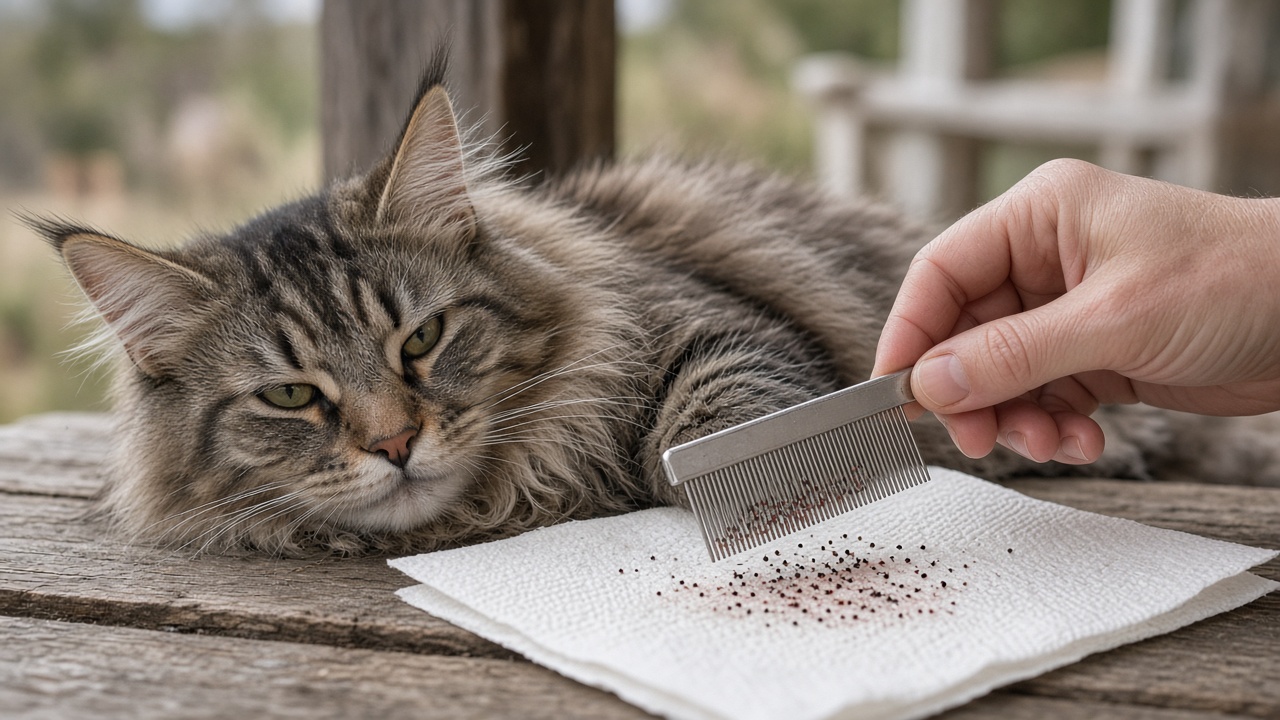
If your long-haired cat swallows a lot of fur, pair the tray with regular brushing. A grooming glove made for long hair handles the coat. The grass does not replace that work.
Indoor cats still need a safe plant. They will look for one. A quiet graze spot next to a modern cat tree beats a raid on a houseplant.
How to grow a tray your cat can chew
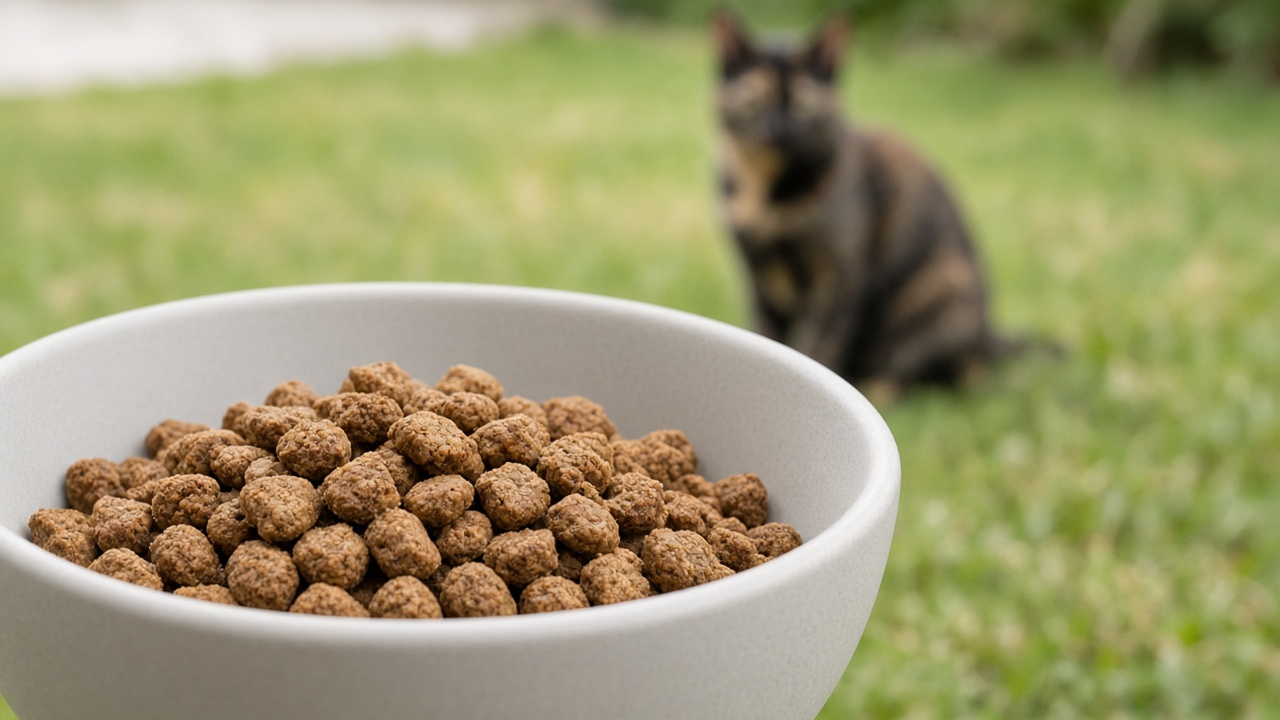
Start with seed sold for pets or food sprouts. Skip lawn seed. Lawn mixes are often coated for field use.
Handy Pantry’s organic wheatgrass seed page names Triticum aestivum. It lists about 800 seeds per ounce. A 12-ounce bag is listed as about 9,600 seeds.
That page says to soak one-third cup of seed for 6 to 8 hours. Spread that soaked seed on a 10-by-10-inch tray. Do not bury it.
Keep the tray dark until sprouts show. Then move it to a bright windowsill. Handy Pantry lists harvest at 7 to 10 days.
Its Barnwood Planter kit uses a shorter clock. Soak 4 to 10 hours. Water 1 to 2 times a day.
The maker says that kit is ready in 5 to 7 days. Serve the grass at 4 to 5 inches tall.
The cedar box measures 14.5 by 6 by 3.5 inches on the outside. The kit includes 12 ounces of hard red wheat seed certified organic by OTCO. It also includes three 100-millimeter coconut-coir pucks.
Catit takes a different path. The Senses Cat Grass Kit ships three 70-gram seed bags. It also ships three 55-gram vermiculite bags.
Those seeds mix Hordeum vulgare (barley) and Triticum aestivum (wheat). The carton measures 23.2 by 18.4 by 9.8 centimeters. It weighs 0.54 kilograms.
The matching Senses Grass Planter is 9.6 by 9.6 by 5.3 inches. It weighs 1.26 pounds. Catit includes one seed-and-vermiculite set in the planter.
The planter has drainage holes and a grid cover. The cover is there to stop digging. It will not hide mold.
Pet Greens Garden Wheatgrass is 100 percent wheatgrass. The maker says to water twice a week. Use good indirect light.
It also says a refrigerated tray can last up to 4 weeks.
Stagger trays one week apart. Keep soil moist, not flooded.
If you see gray fuzz or smell sour grain, discard the whole pot. Do not trim around it. The ASPCA briefing on grains is the reason.
Handy Pantry mentions a dilute hydrogen peroxide spray if mold starts. That is a grow tip, not a serve instruction.
Skip fertilizer crystals and moisture beads. Handy Pantry’s seed card says to avoid media with artificial fertilizer.
How to serve wheatgrass without turning it into dinner
Place the tray where your cat already loafs. Do not hide it in a closed room.
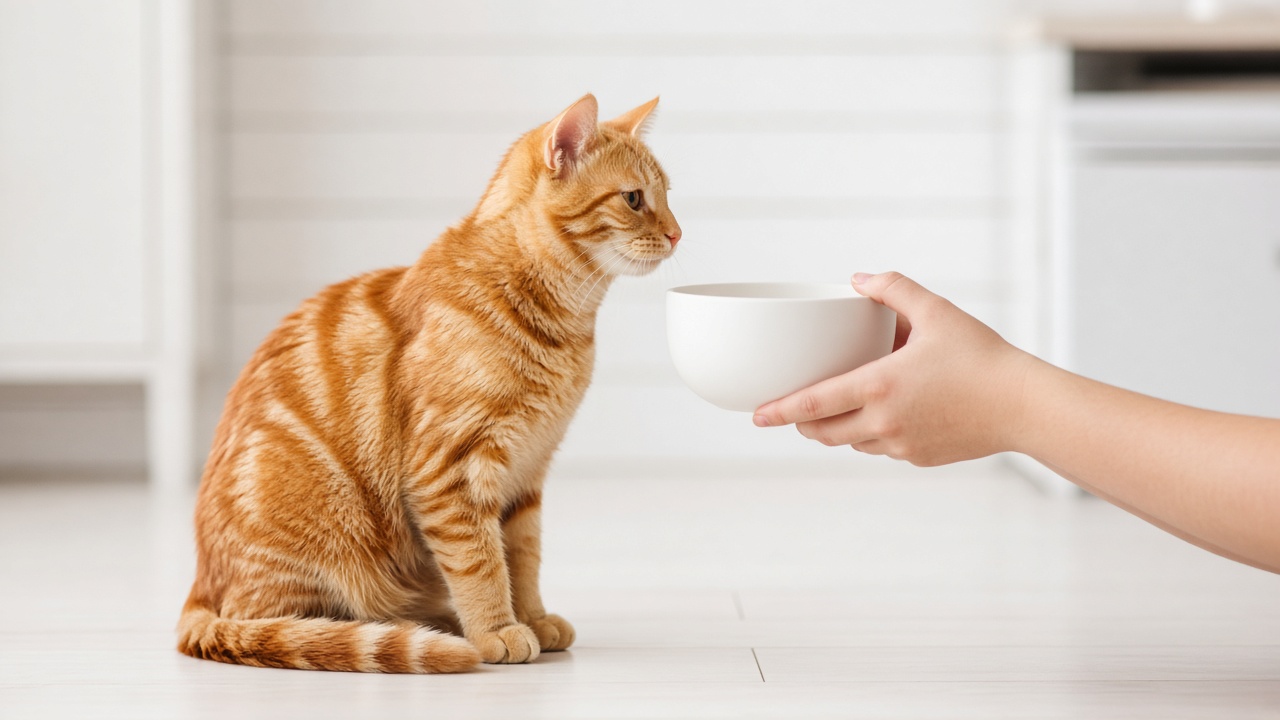
Clip a few blades if your cat wrecks the roots. Drop those clips on a plate. Do not dump them into a full meal bowl.
Start with a small handful of blades, then watch. The Hart surveys show vomiting after plant eating in a sizable minority.
One short vomit after a first binge is a reason to shrink the next serving. Repeated vomiting or skipped meals is a reason to stop the tray.
Do not chase a daily “dose.” No maker page we read published a milligram dose for cats.
Pet Greens calls the grass a treat for intermittent or supplemental feeding only. That matches the AAFCO line for foods that are not complete diets.
Handy Pantry lists about 25 calories per 1-cup human serving of the sprouts. That figure is a kitchen label, not a cat feeding chart.
Keep outdoor lawn out of the plan. Park and yard grass can carry pesticide residue. Handy Pantry states that point on its wheatgrass seed page.
Wash your hands after handling wet seed. Rinse clippers. The FDA’s pet-food rule is about sanitary production.
When the blades yellow or flop, compost the pot. Sow the next bag.
Kits we compared from maker pages
The table below is an attribute list, not a ranking. Our research team compared published specs.
| Product | Seed listed by maker | Grow medium | Maker-stated ready window | Published size or weight |
|---|---|---|---|---|
| Catit Senses Grass Planter (#43161) | Barley and wheat mix; one seed set included | Vermiculite | Not stated as a day count | 9.6 × 9.6 × 5.3 in; 1.26 lb |
| Catit Senses Cat Grass Kit (#43162) | Hordeum vulgare and Triticum aestivum | 3 × 55 g vermiculite | Not stated as a day count | 3 × 70 g seed; carton 23.2 × 18.4 × 9.8 cm |
| Handy Pantry Barnwood Planter Cat Grass Kit | 12 oz organic hard red wheat; OTCO | Three 100 mm coconut-coir pucks | 5–7 days; serve at 4–5 in | Planter 14.5 × 6 × 3.5 in |
| Handy Pantry Cat Grass Seeds, Wheatgrass (Organic), SKU 42350 | Triticum aestivum; ~800 seeds per oz | Buyer’s tray; 1/3 cup per 10 × 10 in | 7–10 days after 6–8 hr soak | 12 oz pack listed as ~9,600 seeds |
| Pet Greens Garden Wheatgrass Self-Grow Kit | 100% wheatgrass | Maker’s custom soil blend in the bag | Water twice a week; fridge life up to 4 weeks | Grown in the package |
Use the Catit planter if digging is the mess you need to stop. Use the Catit refill if you already own that bowl.
Use the Handy Pantry barnwood kit if you want a stated 4- to 5-inch serve height. Use the loose seed if you already own a 10-by-10-inch tray.
Use Pet Greens Garden if you want 100 percent wheat grown in the bag. None of these products replaces a complete cat food.
Risks that actually change the serve decision
Mold is the first fail. The ASPCA warning on grain molds is about the nervous system. It is not a mild tummy gurgle.
Chemicals are the second fail. Untreated pet or sprouting seed is the rule. Field-treated wheat is not a cat snack.
Overeating is the third fail. Hart’s Survey 1 tracked cats older than 1 year who ate plants often.
Plants showed in vomit for 69.4 percent of that group. Plants showed in feces for 34.4 percent. That is fiber moving through, not a toxin code.
Houseplants remain a separate hazard. Wheatgrass does not make other indoor plants safe.
Allergy is uncommon but named. The ASPCA notes wheat can bother grain-sensitive pets. If your cat already reacts to wheat in food, skip this plant.
Do not juice wheatgrass for a cat. No kit we listed publishes a juice dose for felines. Do not mix grass into a full can as a topper meal.
FAQ
Is wheatgrass the same thing as cat grass?
No. Cat grass is a shop name for young cereal grasses. Wheatgrass is one of those grasses, Triticum aestivum.
Catit mixes wheat with barley. Pet Greens Garden is wheat only. Handy Pantry’s SKU 42350 is wheat only.
How much wheatgrass can a cat eat in a day?
No maker page we read sets a cat dose in grams. Offer a few blades at first.
Watch for vomiting or a skipped meal. Shrink the tray time if your cat mows the pot in one sitting.
Why does my cat vomit after chewing wheatgrass?
Hart’s Davis surveys found frequent post-plant vomiting in 37 percent of Survey 1 cats. Survey 2 sat at 27 percent.
Most cats did not look ill before they chewed. A single small vomit after a first binge fits those data. Repeated vomiting is a reason to stop.
Can kittens have wheatgrass?
The Hart paper found cats under 1 year ate plants more often than older cats. Weekly plant eating hit 93.4 percent in that youngest group.
Keep servings tiny. The grass is still a snack. It is not kitten food.
How fast can I grow wheatgrass for a cat?
Handy Pantry’s barnwood kit lists 5 to 7 days. Its loose organic wheatgrass seed lists 7 to 10 days after a 6- to 8-hour soak.
Should I use outdoor lawn grass instead?
No. Handy Pantry’s wheatgrass page warns that park and yard grass can carry pesticides. Indoor untreated seed is the point of a kit.
The ASPCA also flags mold on grains as a neurologic risk.
Does wheatgrass replace brushing for hairballs?
No. Hart’s Survey 2 found short-haired and long-haired cats ate plants at nearly the same rate. The hairball theory did not hold in that dataset.
Brush the coat. Use the grass as a nibble. Do not expect one tray to manage fur.